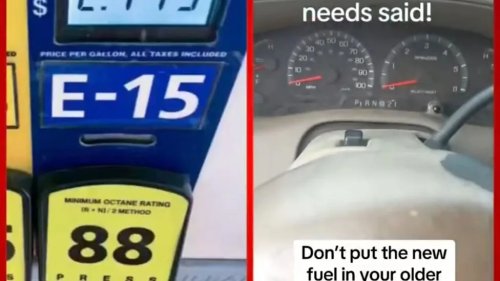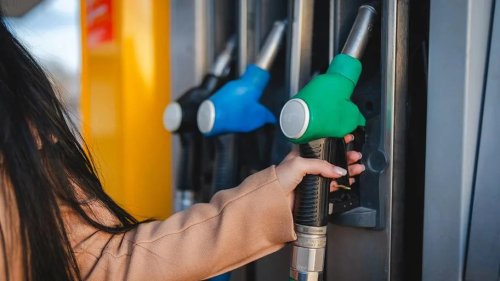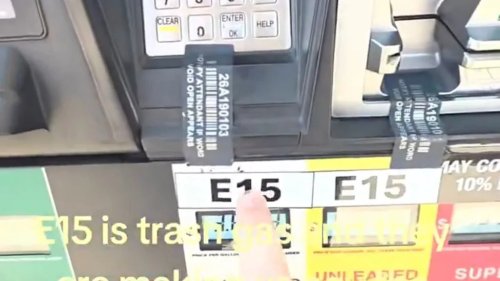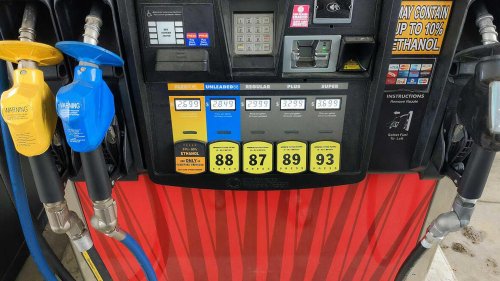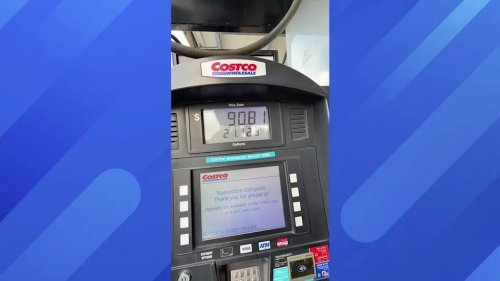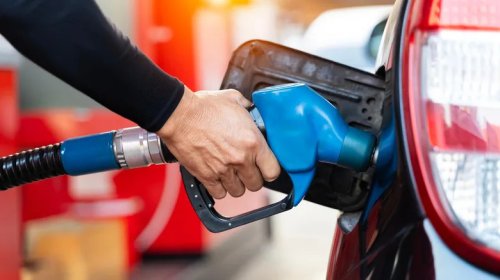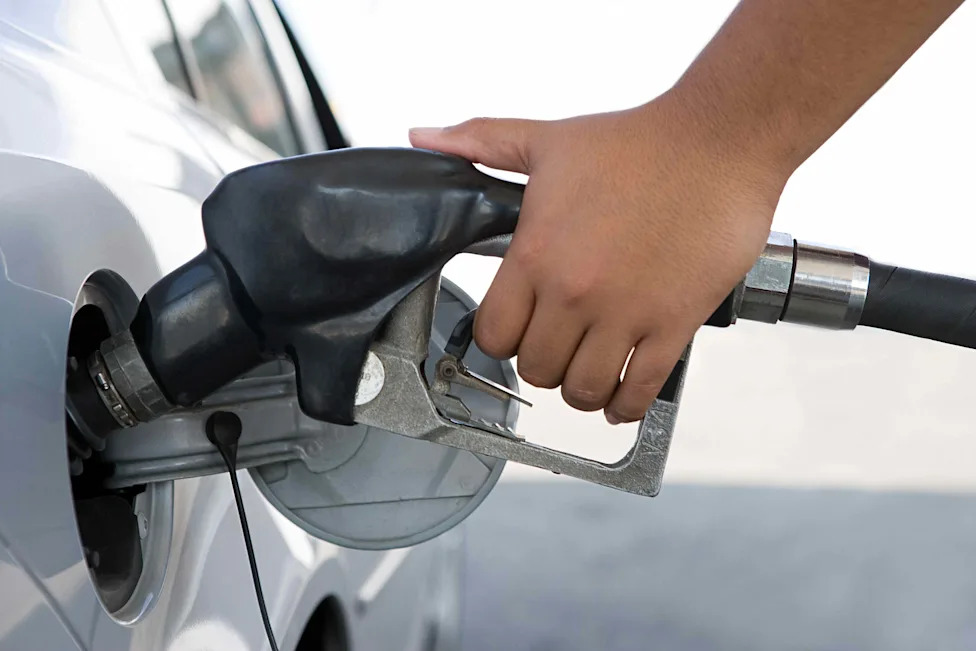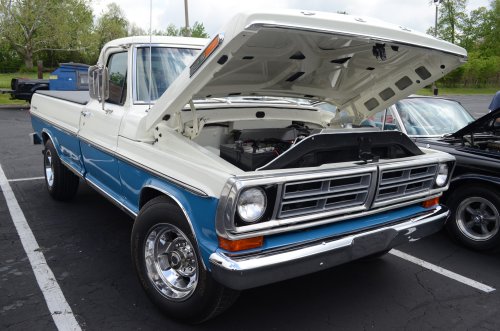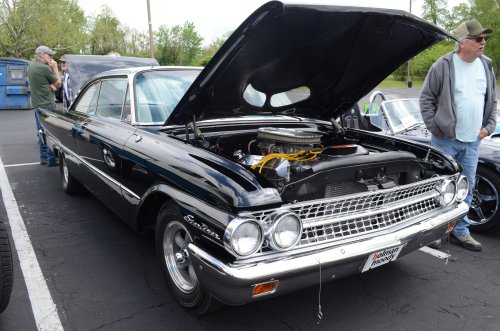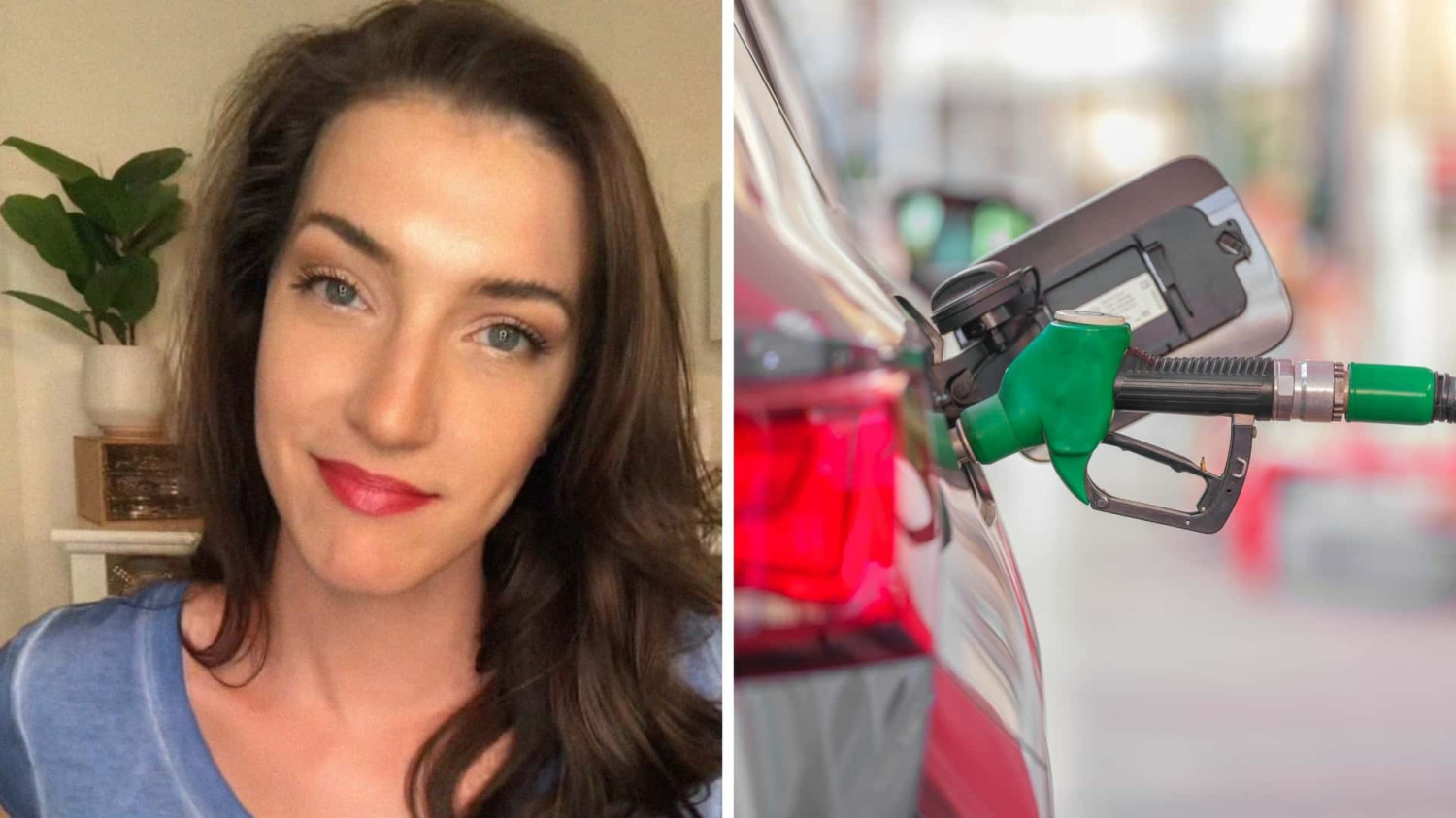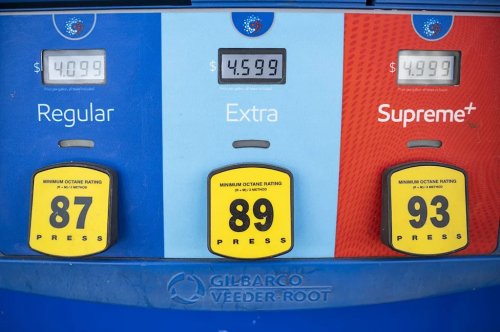



















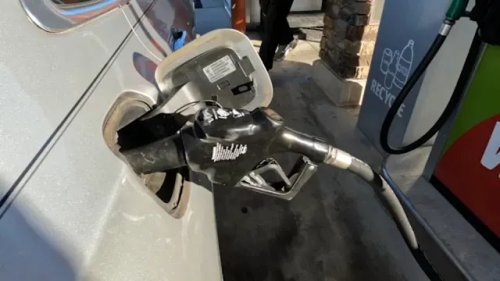
Image Credit: jittawit21/Shutterstock.A viral Facebook video shows a man canceling his payment after noticing that the label on the fuel pump read "E15."He then warns users not to fill up with E15 gas, claiming it could damage their vehicles. The label on the pump simply means the gas contains a 15% ethanol blend.There has been much debate about whether ethanol-blended gasoline is harmful to vehicles, particularly older models that were not designed for higher ethanol blends.AdvertisementAdvertisementIt is important to note that ethanol is hygroscopic, which means ethanol-blended gasoline can absorb moisture over time when exposed to humid air, especially during prolonged storage."Not Every Vehicle is Designed for E15 Fuel"Image Credit: Fahroni/Shutterstock.The video, uploaded to Facebook by Cm Spencer, has received millions of views. In it, he warns about gas pumps dispensing E15 fuel.In the caption, he asks viewers to carefully choose the type of gas that is compatible with their vehicle. It reads:"Not every vehicle or engine is designed for E15 fuel, and using the wrong fuel can cause expensive problems. Before you squeeze that handle, take 2 seconds and read the sticker on the pump.AdvertisementAdvertisement"A lot of people don't even realize they're putting something different in their tank until it's too late. Double check your fuel. It could save you a headache and a repair bill."In the video, he highlights the E15 labels on the pump and asks viewers not to use it in their cars. He said:"If you see these stickers on the gas pump, do not put this in your car."If it says E15, it is breaking everyone's cars. I just went in there and canceled my payment," he added.Which Vehicles Can Use E15?According to the U.S. Department of Energy, E15 is approved for use in flexible-fuel vehicles and gasoline-powered vehicles from model year 2001 onward.AdvertisementAdvertisementThe U.S. Environmental Protection Agency (EPA) defines E15 as gasoline that is blended with 10.5% to 15% ethanol. In 2011, the EPA approved E15 for use through a Clean Air Act waiver request.However, certain vehicles and equipment that run on gas have been prohibited from using E15 gas. They are as follows:All motorcyclesAll vehicles with heavy-duty engines, such as school buses and delivery trucksAll off-road vehicles, such as boats and snowmobilesAll engines in off-road equipment, such as chain saws and gasoline lawn mowersAll conventional vehicles older than model year 2001.The department stated in another report that ethanol-blended fuel slightly increases fuel consumption:AdvertisementAdvertisement"Ethanol contains about one-third less energy than gasoline. So, vehicles will typically go 3% to 4% fewer miles per gallon on E10 and 4% to 5% fewer on E15 than on 100% gasoline."So, Is E15 Harmful for Your Vehicle?Based on current EPA approvals, E15 is considered suitable for gasoline-powered vehicles from model year 2001 onward when used as intended. But drivers using older vehicles must be careful about which fuel they use in their cars since the internal components will not be suited to E15 or higher ethanol blends.However, when using ethanol-blended fuel, drivers should avoid storing it in their vehicle's fuel tank for extended periods. Ethanol is hygroscopic, meaning it naturally absorbs moisture from the air.If ethanol-blended gasoline absorbs enough water over time, the fuel can undergo phase separation, leaving a water-and-ethanol layer at the bottom of the tank and lower-octane gasoline above it.AdvertisementAdvertisementIf phase separation occurs, the next time the vehicle is started, the fuel pickup may draw the water-and-ethanol layer from the bottom of the tank. This can affect engine performance and potentially damage fuel system components.