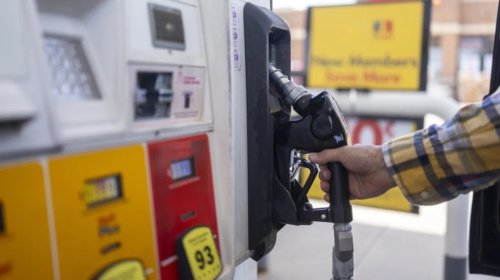
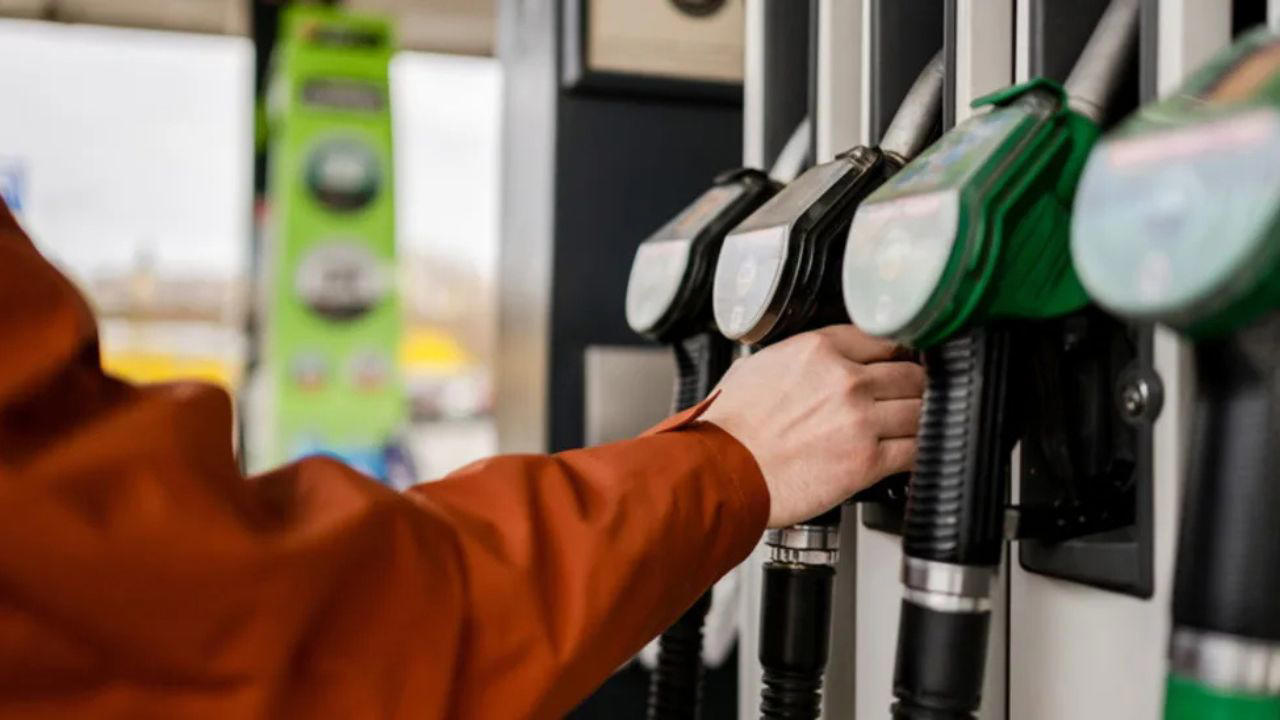
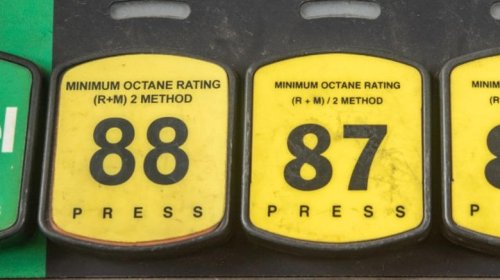
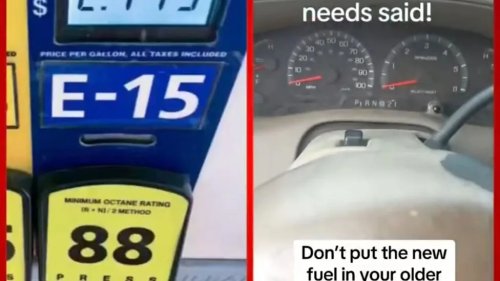
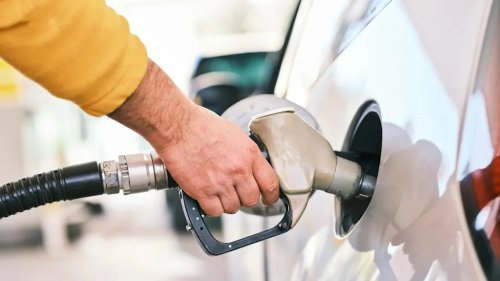
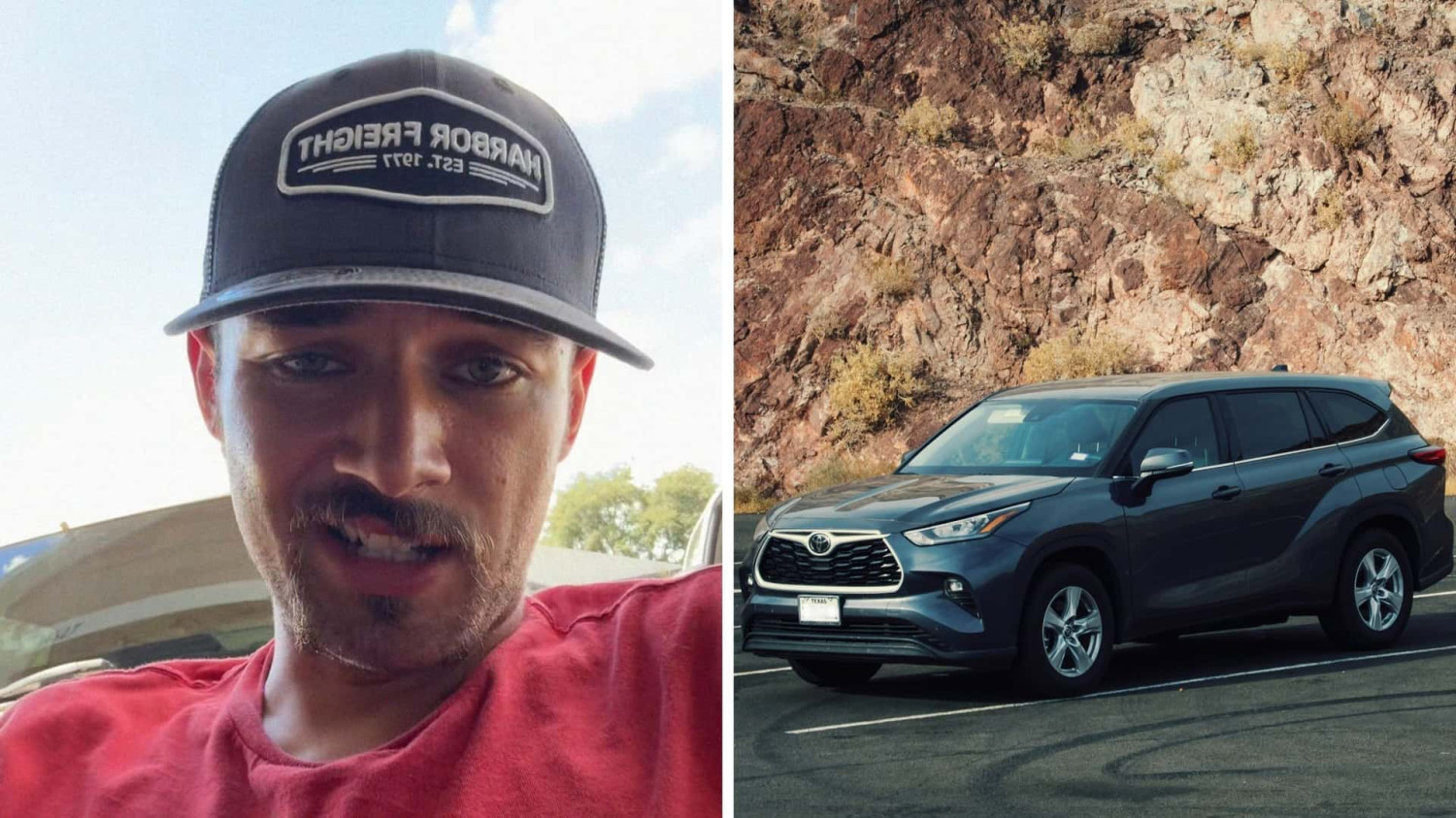
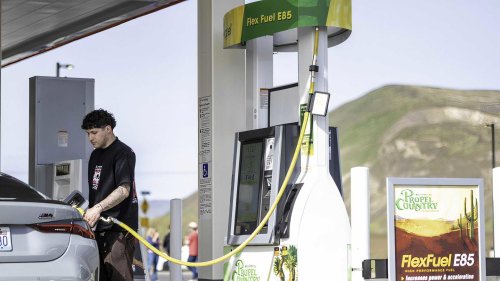
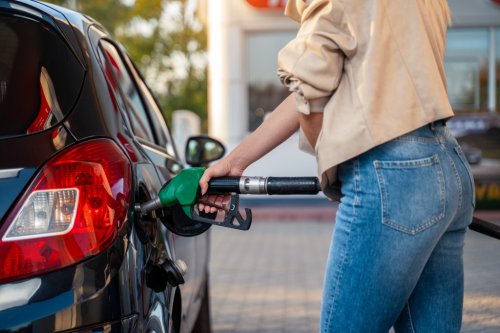
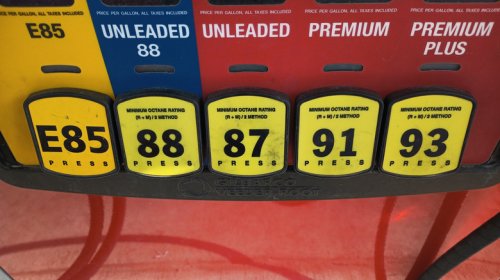
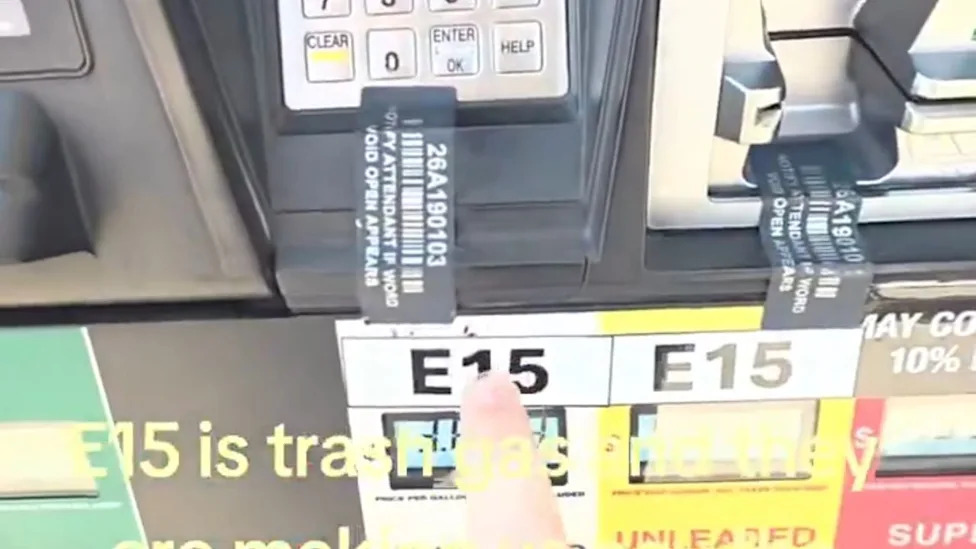
Image Credit: C&H/X.Drivers across the United States are debating E15 gasoline again after a video filmed at a Flying J fuel station in Arkansas spread across X this week. The clip, originally posted by X user @MisyDP focused on new E15 fuel labels and pricing shown on the pump.The person filming the video criticized the fuel blend and argued that it could damage older vehicles. The narrator also questioned why E15 was being sold at nearly the same price as standard gasoline despite ethanol's lower energy content.One big discussion point: "Science says otherwise." This sentiment shifted the conversation from frustration at the pump to a broader debate over ethanol fuel policy, vehicle compatibility, and federal support for expanded E15 sales across the country.AdvertisementAdvertisementThe footage itself shows close-up shots of the pump, including E15 warning labels, octane information, and price displays ranging from roughly $3.89 to $4.09 per gallon. Arkansas regulatory stickers are visible on the dispenser, including markings tied to the Arkansas Department of Agriculture, indicating the fuel setup was recently inspected and approved.E15 Fuel Sparks Debate at Arkansas Flying Jengin akyurt/UnsplashThe video was filmed at a Flying J truck stop believed to be located somewhere in Arkansas. The exact location has not been identified, though regulatory decals on the pump reference Arkansas fuel oversight programs.In the clip, the narrator claims the station recently changed its fuel setup to include E15 gasoline. The person repeatedly refers to the blend as "trash gas" and points to warning labels on the pump that state E15 is not approved for some vehicles and engines.The narrator's concern centers on older cars and trucks. According to the claims made in the video, fuel systems in aging vehicles may contain rubber seals, hoses, or components that were not designed for higher ethanol concentrations.AdvertisementAdvertisementE15 gasoline contains up to 15 percent ethanol and 85 percent gasoline. Standard gasoline sold across much of the United States is E10, which contains up to 10 percent ethanol.Why the Federal Government Supports E15The spread of E15 across more fuel stations is tied to federal energy policy and agricultural interests. Ethanol in the United States is largely produced from corn, making the fuel blend important to farming states and ethanol producers.Federal agencies including the Environmental Protection Agency and Department of Energy have supported expanded E15 availability for years. Officials argue that wider E15 adoption can lower fuel costs, reduce dependence on imported oil, and support emissions targets.The EPA approved E15 for use in 2001 and newer passenger vehicles more than a decade ago. Government testing involving millions of miles of driving found that compatible vehicles generally operate without major issues when using the fuel.AdvertisementAdvertisementModern vehicles use sensors and engine management systems capable of adjusting fuel delivery based on ethanol content. Many newer engines can handle E15 without mechanical changes.Still, federal guidance also includes restrictions. E15 is not approved for motorcycles, boats, lawn equipment, or vehicles built before the 2001 model year.Concerns Over Fuel Economy and Vehicle DamageCritics of E15 argue that ethanol contains less energy per gallon than gasoline, which can reduce fuel economy. Drivers may notice lower mileage compared with conventional gasoline blends.Some mechanics and car enthusiasts also argue that ethanol absorbs moisture more easily than gasoline. That characteristic can create problems in engines that sit unused for long periods, especially marine engines and seasonal equipment.AdvertisementAdvertisementOwners of older vehicles remain one of the strongest groups opposing expanded E15 sales. Some believe aging fuel systems face greater risks when exposed to higher ethanol concentrations over time.I am guessing this E15 not good stuff. I've never seen this before. pic.twitter.com/vOhU1QQW1m— Misy7 (@MisyDP) June 4, 2026The pricing issue raised in the video has also become part of the debate. Supporters of ethanol often describe E15 as a lower-cost alternative, yet the narrator in the Flying J clip argued the fuel was not discounted enough to justify its use.Online Reaction Reflects Broader Fuel Policy FightThe exchange online reflects a larger national argument over fuel standards in the United States. Car enthusiasts, fuel retailers, farm groups, environmental organizations, and regulators continue to disagree over ethanol's long-term role in transportation.Supporters point to government testing, emissions goals, and fuel supply benefits. Critics continue to focus on compatibility concerns, fuel economy losses, and the effect on older vehicles.AdvertisementAdvertisementFor drivers, the debate often comes down to one issue: whether their vehicle was built to handle E15. Automakers and federal agencies continue to advise consumers to check owner manuals and fuel door labels before filling up with higher ethanol blends. As more stations add E15 pumps across the country in 2026, discussions like the one filmed at the Arkansas Flying J are becoming more common online and at gas stations nationwide.If you want more stories like this, follow Guessing Headlights on Yahoo so you don't miss what's coming next.



















 +58 others