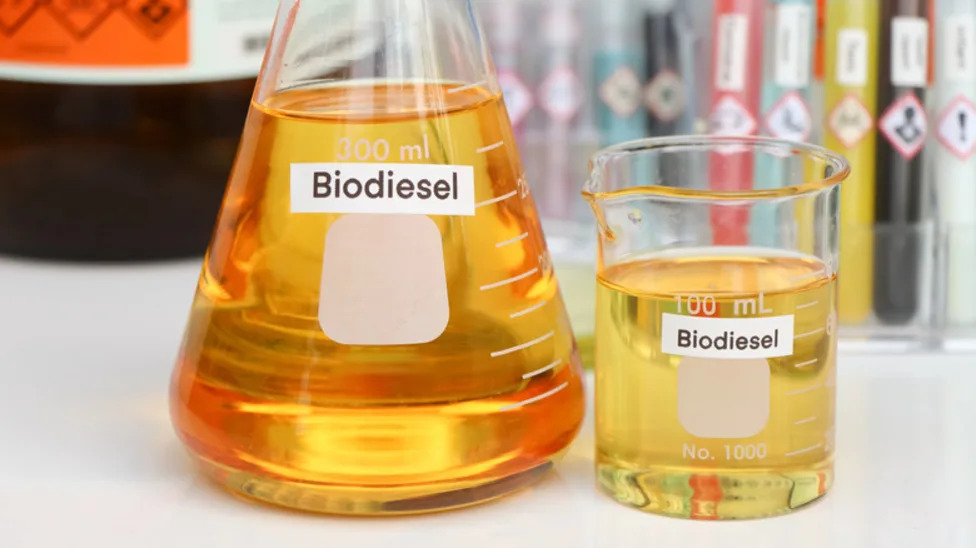
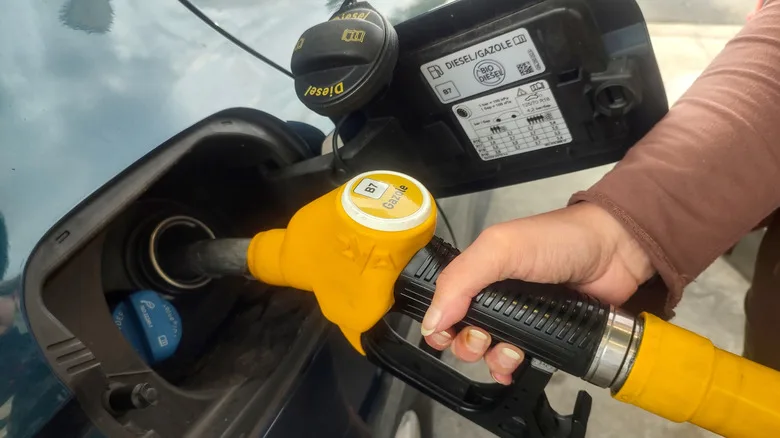



















A shot of biodiesel in a laboratory setting - Kittisak Kaewchalun /Getty ImagesUnderstanding the difference between diesel and diesel plus can be tricky for some drivers, but biodiesel is a lot more self-explanatory. After all, the name is basically a dead giveaway, as it does suggest a cleaner-burning, more eco-friendly fuel option. Just because it's better for the environment doesn't mean it will last forever in storage, however, and the exact lifespan can vary based on several factors.Biodiesel can typically be stored for around six months to a year before it begins to lose quality. However, different variables like contamination, exposure, light, moisture, oxygen, and temperature, can all play a role in just how quickly it breaks down. What the biodiesel is made from also makes an impact, as soybean and canola based oils are more likely to oxidize than those made from animal fats. Because of this, using stabilizers can help maintain biodiesel quality.Though biodiesel does have a limited shelf life, it is generally considered safe to handle and store. Pure biodiesel has a flash point — the minimum temperature required for combustion — of 266 degrees Fahrenhei, compared to about 126 degrees Fahrenheit for petroleum diesel, which means it's far less combustible. There are other differences between traditional diesel and biodiesel as well, as biodiesel causes less environmental damage if it's accidentally spilled in its pure, unblended form. Even with its benefits over regular diesel, you should still ensure proper storage to keep its quality as time goes on.AdvertisementAdvertisementRead more: Popular Synthetic Oil Brands Ranked Worst To BestThe benefits and drawbacks of biodiesel fuelDiesel refueling with B7 biodiesel at a service station - Igor Paszkiewicz/ShutterstockMaintaining the quality of biodiesel begins with proper storage. You should keep it in a clean container or tank, and store it in a cool, dry place out of direct sunlight. Otherwise, you're risking premature oxidation. Be sure the container remains sealed, to prevent moisture and water from getting into the fuel. If that happens, the result can be microbial growth. If you have to store biodiesel in a location where water exposure is possible, use a biocide to help prevent fuel degradation.There are some drawbacks to using biodiesel, as higher blends can be more expensive than traditional diesel. You may also have to deal with a lack of availability, as finding it can be tough depending on your location. Biodiesel can be challenging to use in colder temperatures as well, because it tends to thicken, which can affect engine performance. Though biodiesel does typically burn cleaner than petroleum diesel, it does still produce tailpipe emissions.When it comes to actually using biodiesel in your vehicle, the fuel does have several advantages over traditional diesel. Because it is produced from renewable resources instead of fossil fuels, biodiesel can help reduce greenhouse gas emissions. Additionally, biodiesel can be blended with petroleum diesel, allowing many vehicles to use the fuel without engine modifications. Biodiesel can also be a more reliable fuel supply. as it can help decrease dependence on petroleum.AdvertisementAdvertisementWant the latest in tech and auto trends? Subscribe to our free newsletter for the latest headlines, expert guides, and how-to tips, one email at a time. You can also add us as a preferred search source on Google.Read the original article on SlashGear.