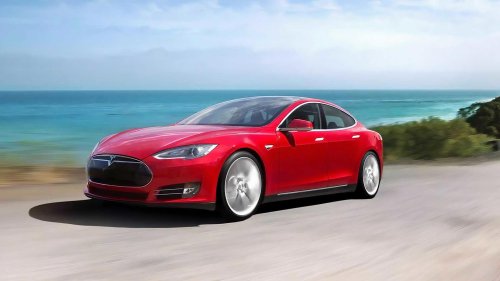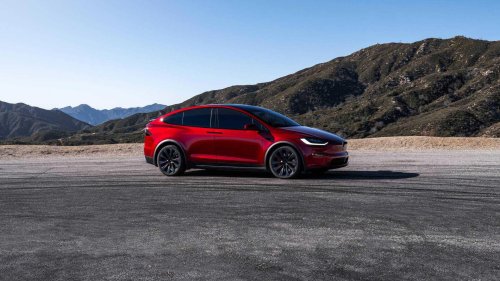
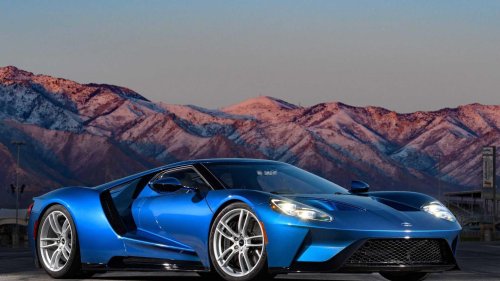
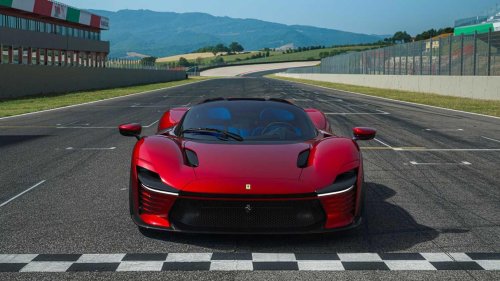
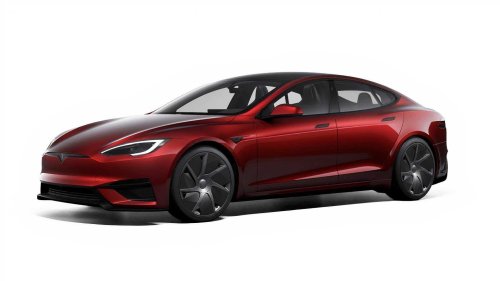



















Jump LinksTesla is getting ready to say goodbye to the Model S and Model X, but wants to turn this story into a tightly contained affair. And on the surface, the Signature Series is a farewell pass, with a limited run of Garnet Red Plaid models, complete with numbered plaques, special badging, and a load of extra bits and pieces. Those interested in owning one of these vehicles will receive an email asking them to sign a no-resale agreement for one year or pay a steep penalty to the company. And while that approach may be eye-opening to some, it's certainly not unusual in the broader automotive industry.Some of the most coveted cars in recent years were never simply sold to whoever had the money. And many OEMs effectively curated their destinations, carefully filtering to choose the lucky new owners. So, that turned the halo car into more than just a luxury proposition, but something with true scarcity and defined accessibility. And it suggests that at the very top of the market, scarcity is about who gets through the door, rather than how many cars roll off the production line. Tesla's Farewell Starts With A Closed Door TeslaYou might expect high-end manufacturers such as Ferrari and Rolls-Royce to employ a very controlled approach to delivery, but Tesla rolls in a different neighborhood. After all, it built a brand on direct sales, simplified ordering, and the idea that, by and large, a customer could bypass old automotive rituals altogether. And that makes the Tesla Signature Series unusual, as a deliberate break from the company’s previous mindset. Here, Tesla seems to be turning a modern EV run-out special into a collectible, which seems to go against its brand ethos.Tesla says it will limit the production run to 250 Model S cars and 100 six-seat Model Xs. All of them carry a price tag of $159,420 and are available only to selected customers of the company's choosing. They all come with gold exterior accents, white Alcantara trim, and the company's Luxe package.Tesla seems quite serious about its selective rollout, with that strict contractual requirement. Buyers can't resell their vehicle within the first year, and if they do, they need to pay Tesla either the full realized resale value or liquidated damages of $50,000, whichever is greater. That unlucky buyer would also have to stand on the naughty step, as Tesla would ban them from buying any future vehicles. The Clearest Invite-Only Cars That Came Before It Ford One of the clearest modern examples of this invite-only approach is probably the 2017-generation Ford GT. Here, Ford anticipated ravenous demand and did not simply announce a price while taking deposits. Instead, it opened a formal application process for the first 500 cars to help the automaker identify potential owners who could celebrate the Ford brand. Only approved applicants would be able to buy one of these vehicles, as they would have to go through a concierge-style process to do so. And that approach seemed to work, with Ford stating that it received 6,506 applications in just one month.FerrariMeanwhile, Ferrari has a reputation for selling cars at the very top end of its range in a similar fashion, with the Daytona SP3 Icona only available to the company's top clients and collectors. Even more selectively, Ferrari is very serious about its Special Project Program, and only selected customers can commission any one-off vehicles. This invite-only ownership approach takes selection to a new level, as you cannot simply decide to buy the rarest Ferrari. You need to ask Ferrari first to see if they will give you the opportunity.Rolls-RoyceRolls-Royce operates the same logic alongside its new Coachbuild Collection. Here, you have to get an invitation through its private office network, and only clients who have shown a deep affinity for the brand design will qualify. Rolls-Royce says that invited participants will be collectors of one-of-a-kind opportunities, and that it'll grant rare access to the marque’s design world for these people.These three examples clearly show that manufacturers do adopt a selection process, and they do so quite openly as well. Certainly, different manufacturers will take their own approaches, such as the formal application process over at Ford or the client hierarchy and factory discretion approach at Ferrari. But while Tesla is new to this game, it's clearly intent on selling its final signature cars to a very selective audience. Ferrari And Ford Show Why Selection Matters Ferrari Invite-only cars are a part of the automotive scene because they let a company control more than simply volume. Instead, they allow these companies to control the narrative and, in many ways, reinforce social order around the brand. Ferrari wants to reward premium buyers for loyalty and invite them to become part of the company's inner sanctum. So, those people who get the opportunity to buy an Icona car might feel that the allocation itself is perhaps more desirable than the car.Meanwhile, Ford is a mass-market automaker and a long way away from Ferrari, but it nevertheless used the same instinct with its GT program. Ford felt the GT could be a halo product and needed to be carefully protected, which is why you saw language about ambassadors, approved applicants, and a concierge service. Ford's approach may have been partly about stopping flippers, but it also wanted to preserve the GT's identity as something much more meaningful than just a very expensive Ford. And the Blue Oval took a similar approach with the sparkly Mustang GTD.FordOf course, if a manufacturer sets out some very strong qualification language, it may need to back those statements up, and in some respects, that can create friction. For example, Ford's GT program ran into some controversy when resale restrictions came to light in the real world. Ford had a widely reported dispute with John Cena over resale rules, and a separate conflict covered Mecum Auctions’ attempted sale of a nearly new GT. Those incidents certainly show the less romantic side of invite-only ownership when the glamour turns towards contract enforcement and public legal drama. Rolls-Royce Proves The Invitation Can Become A Luxury Rolls-Royce Ford was interested in brand stewardship, and Ferrari wanted invitations to become part of its hierarchy, but Rolls-Royce was looking through a different lens entirely. With its Coachbuild Collection, Rolls wasn't just rationing access to a low-volume car but turning the invitation itself into a luxury experience. So, the company would not only give lucky clients a motor car but also grant rare access to design studios, offer a multi-year program of experiences, and invite these people into a world that Rolls-Royce carefully shaped around connoisseurship and private participation.The company took its approach much further, shifting the focus away from the simple value proposition of a famous badge, a rare engine, and a small production run. And if you got the invitation from Rolls-Royce, you could step into a process that others could never access, where the car alone was just a part of the story. Tesla Brings The Whole Idea Back Down To Earth Tesla It's not often that you talk about Tesla at the same time as Ferrari or Rolls-Royce, and the Signature Series is certainly not the most opulent invite-only program. But it may be one of the most fundamental, as it strips the concept down to essentials. Tesla intends to build a few hundred farewell cars with a special paint color and generate a selected email list. It also insists on a contract so that the first buyer can't cash in too quickly, but that's about the extent of its ambition.Tesla is pushing its final Model S and Model X as end-of-line collectibles to a degree, and it's not confining scarcity to just the build count. It's putting a gate in front of prospective buyers, and if they don't get the email, then they'd need to turn away. But if they do get that email, Tesla still wants to have a significant say in what kind of owner they can be after delivery.In the industry as a whole, invite-only cars offer an intriguing insight into what exclusivity can look like if a manufacturer wants to retain control. Companies can decide how many cars they will build, focus on which customers could fit their storyline, and sometimes insist on how those customers should behave should they get the keys. And even though the likes of Ferrari and Rolls-Royce offer very different ownership experiences, Tesla's Signature Series suggests it, too, wants to join the party. It's placing a velvet rope around its last Model S and Model X and, uncharacteristically, deciding to make a big deal out of its final edition exercise.Sources: Tesla, Ford, Rolls-Royce, Ferrari.