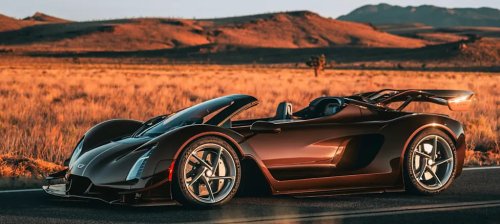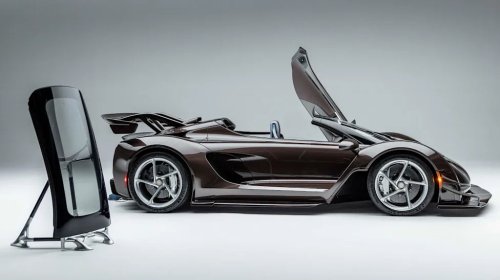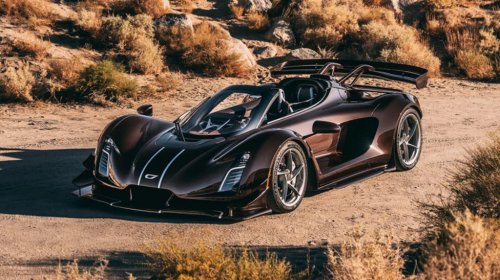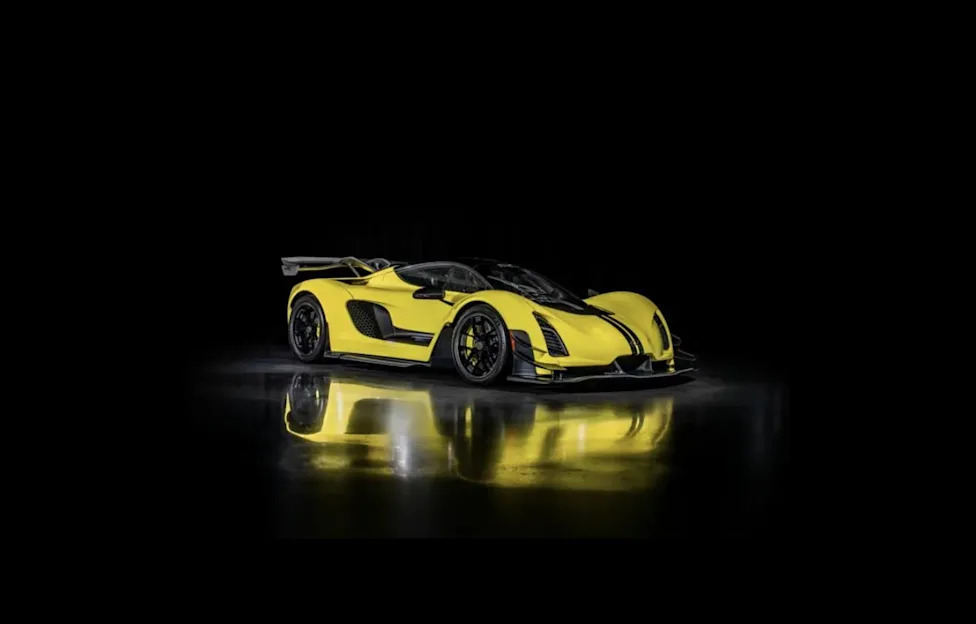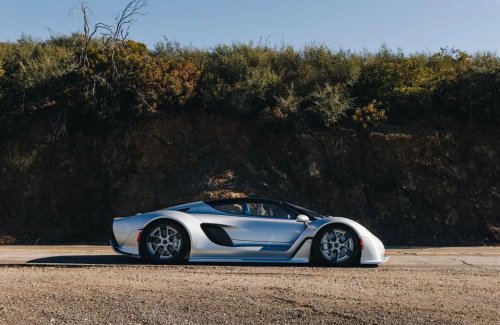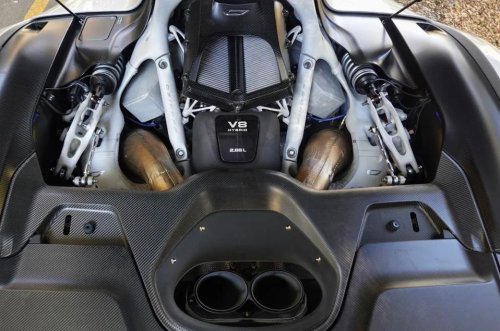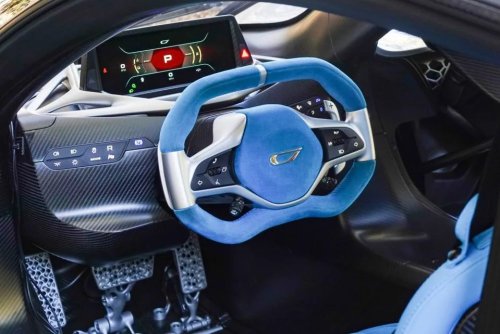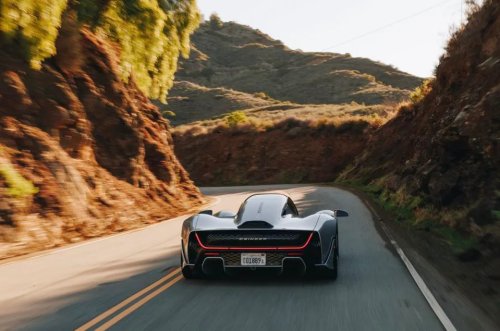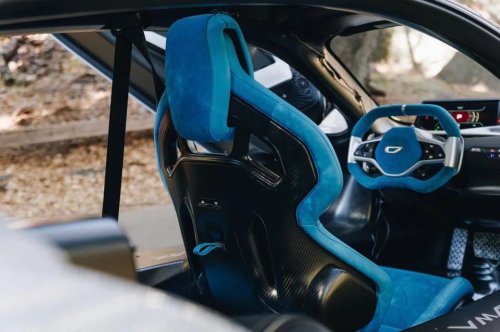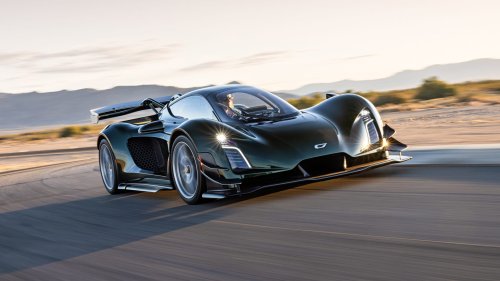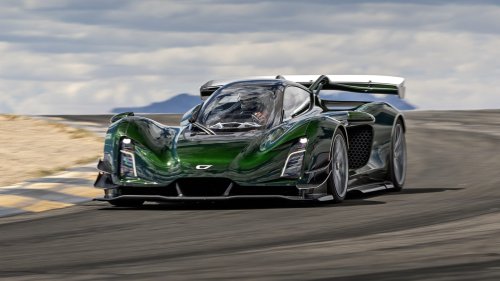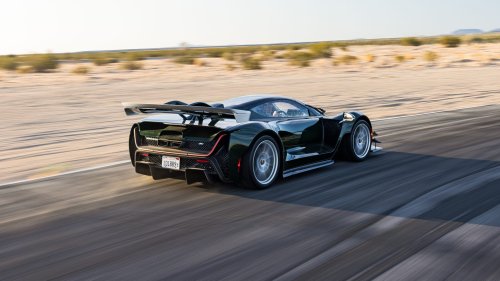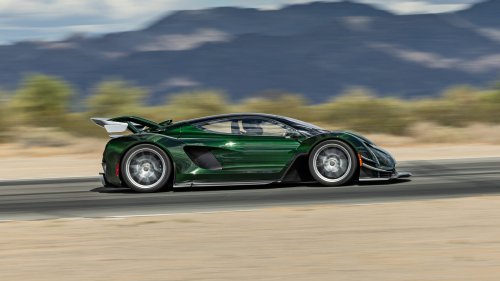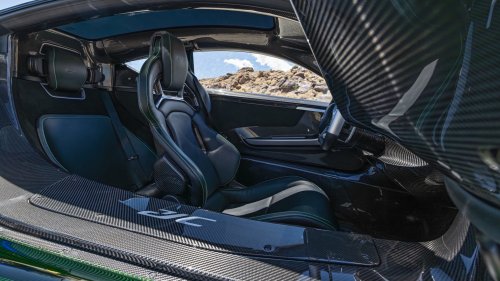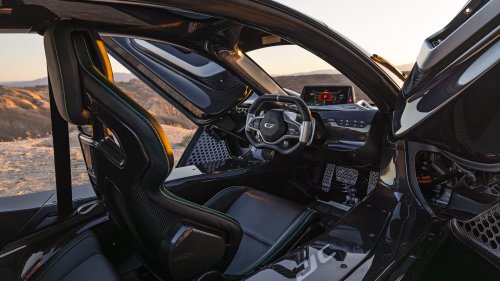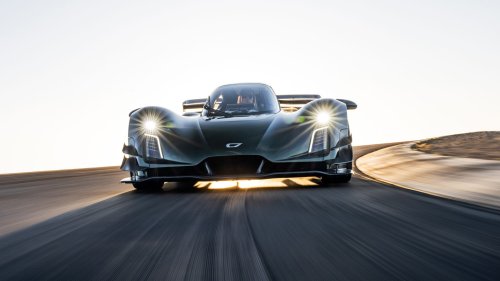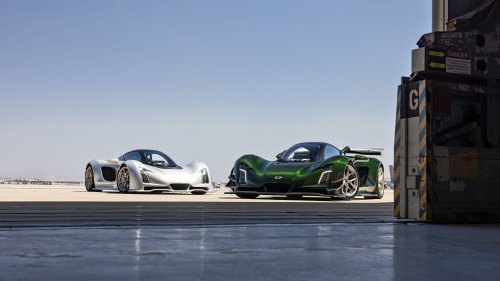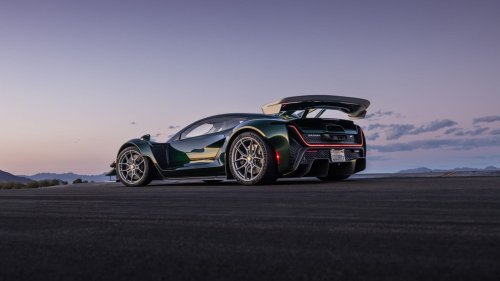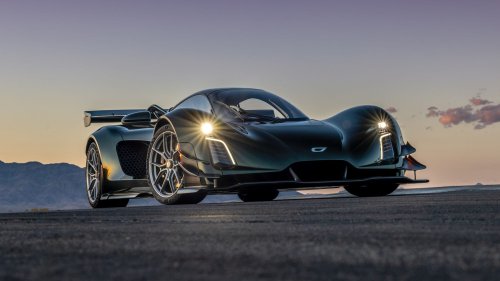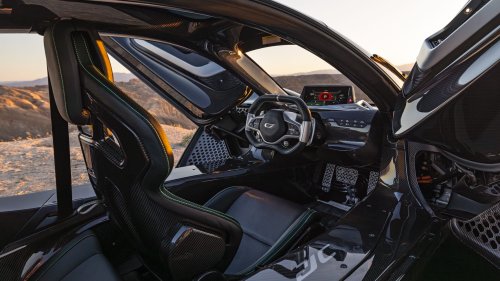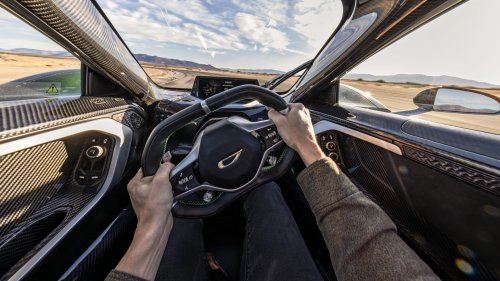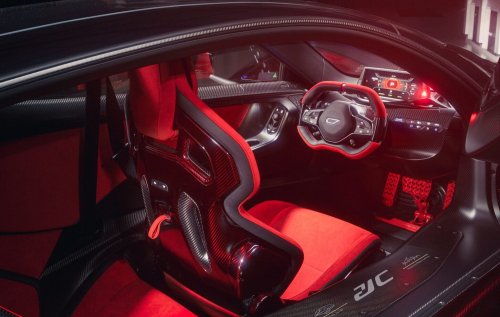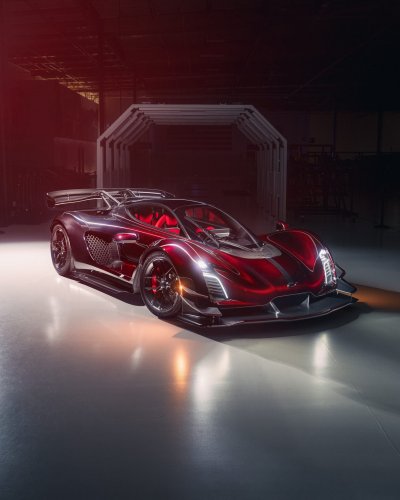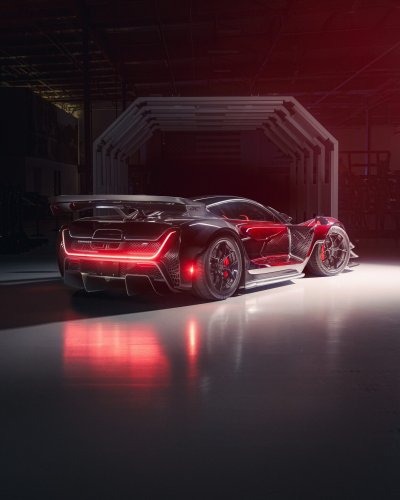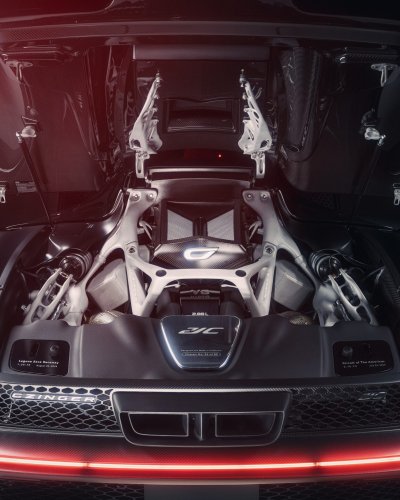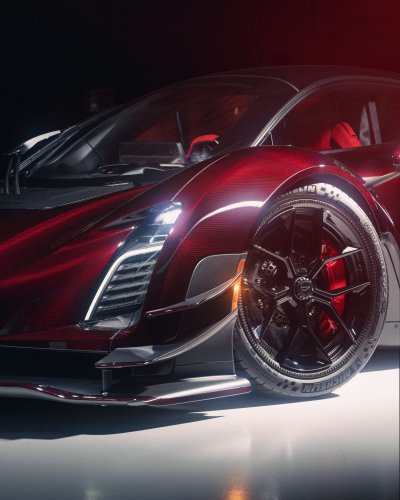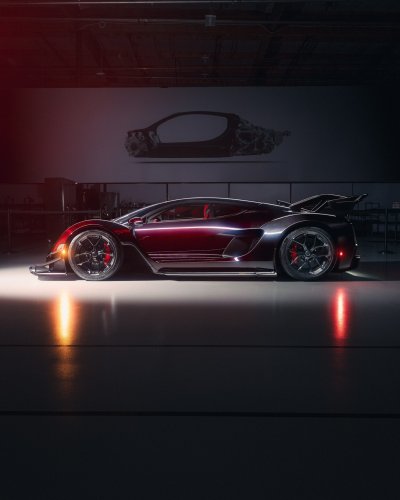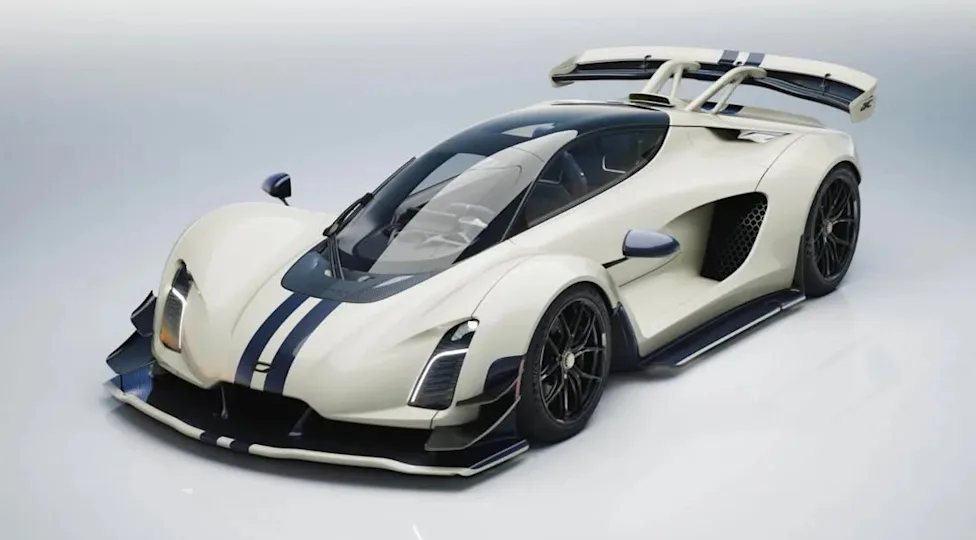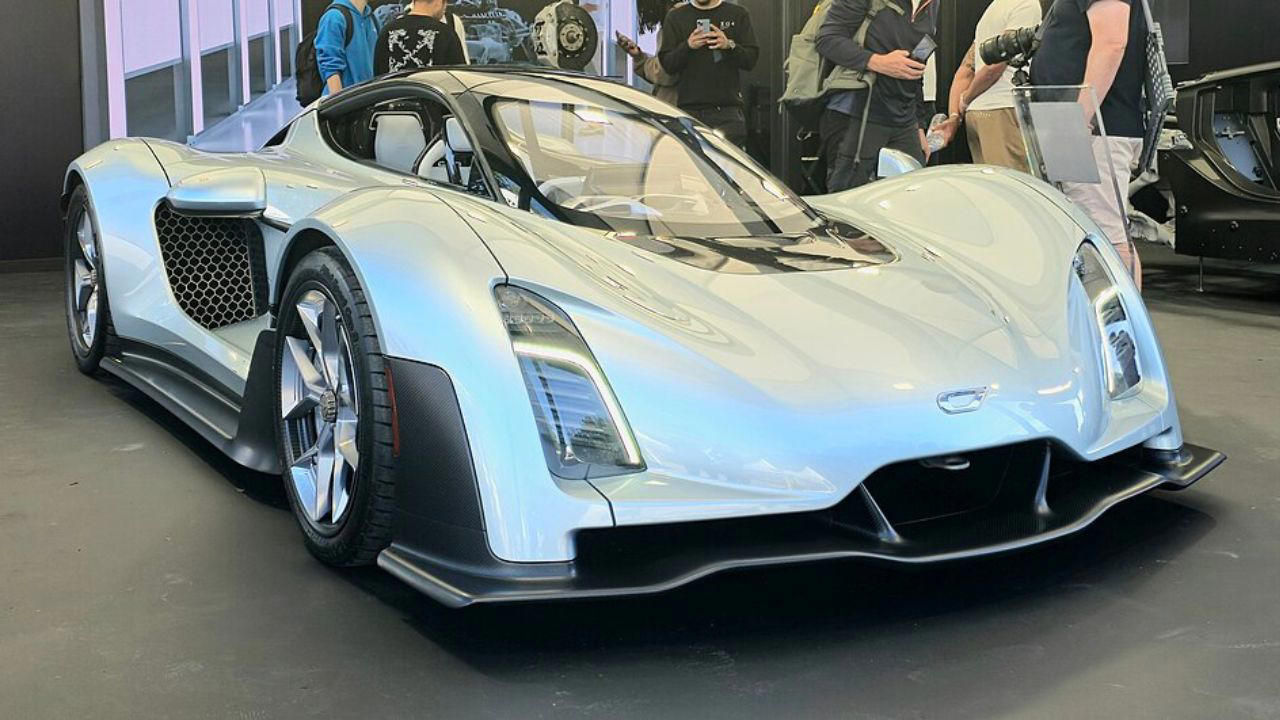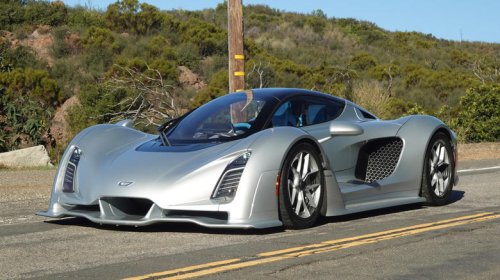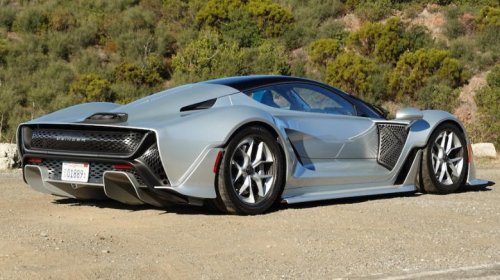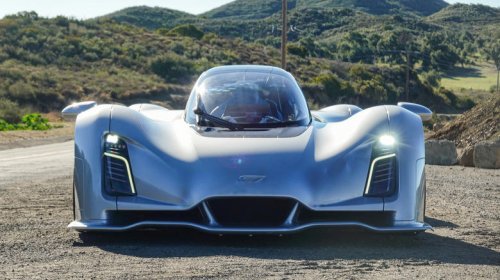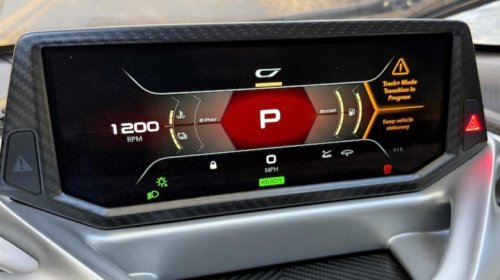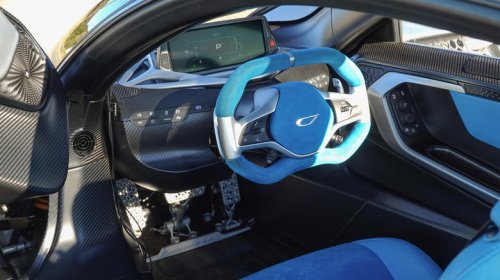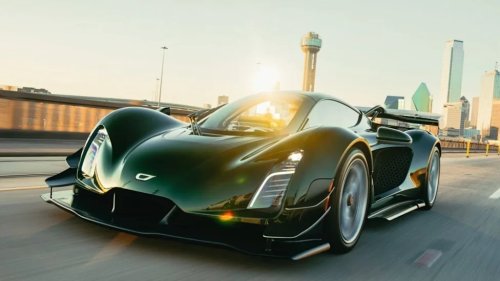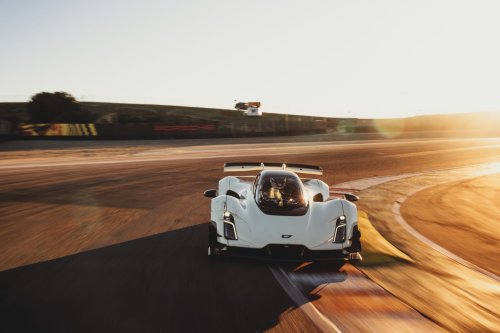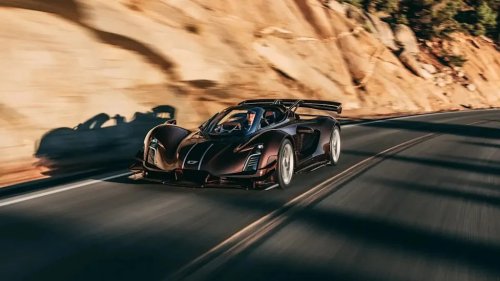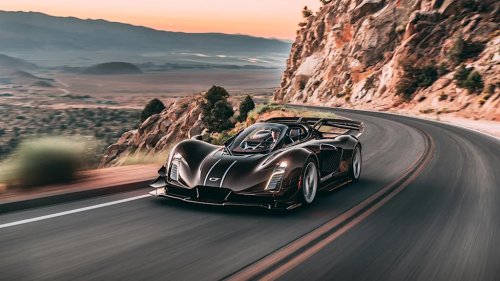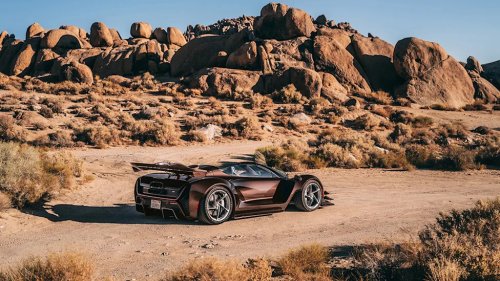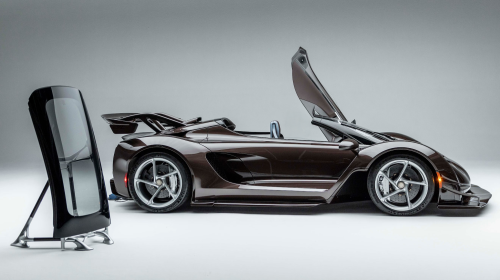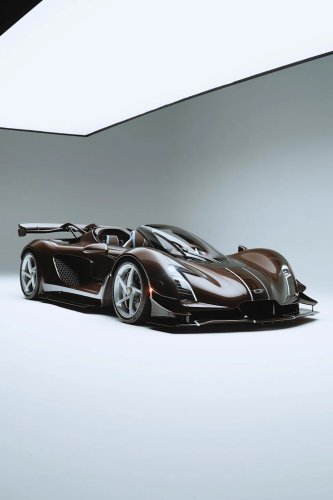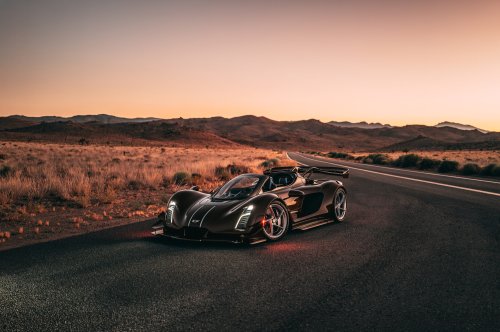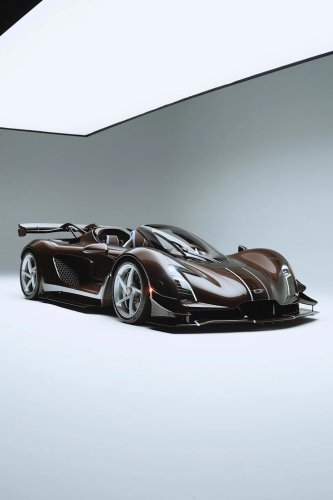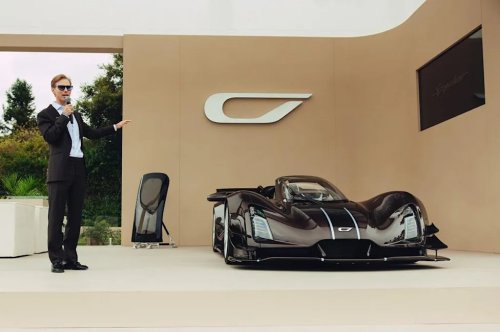

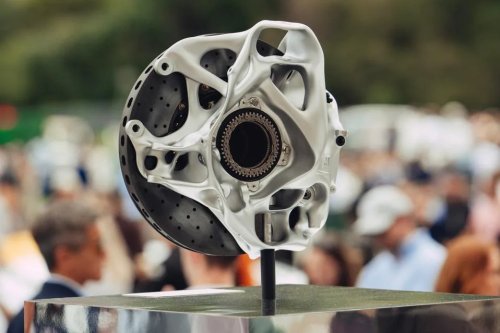
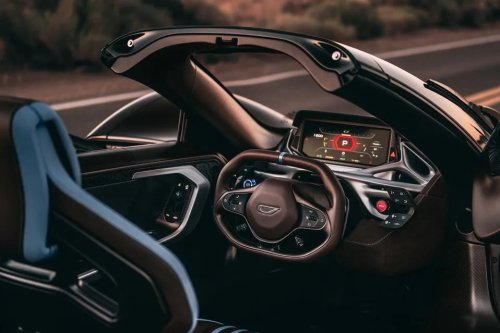
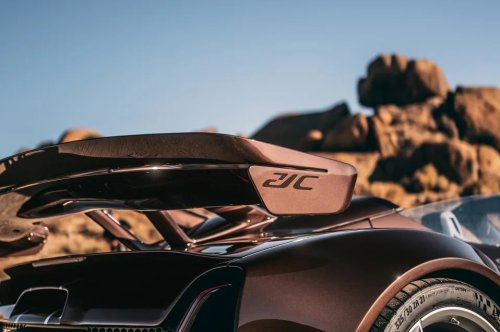



















Lukas Czinger presents the new 21C Spyder at Monterey Car Week 2026. Note the removable roof in the background.CzingerOn a familiar stage at The Quail, A Motorsports Gathering during Monterey Car Week this year, California's high-tech automotive startup Czinger unveiled a new open-top variant of the world-beating 21C hypercar. The new 21C Spyder marks not just the addition of a new model to the lineup, however, but also takes aerodynamic performance to new levels as a further demonstration of Czinger's revolutionary algorithmic design and development methodology.Far more than a chop-top, the 21C Spyder's updates extend beneath the svelte carbon-fiber skin, including the production version of a one-piece Brake Node teased many years prior, as well as a new cockpit design with greater driver integration and more textural touchpoints. On the stage at The Quail, I spoke with CEO and Cofounder Lukas Czinger about the unique challenges of continuing to refine arguably the world's most technologically advanced road car.The new Czinger 21C Spyder lops off the roof without losing any performance prowess.A Spyder Top with No Performance DropDue to the 21C's unique 1+1 layout, where the passenger sits directly behind the driver, the concept of a convertible or even a Targa top clearly requires a distinct decision about how, exactly, to remove the roof.AdvertisementAdvertisement"We thought about doing a smaller version," Lukas Czinger revealed, "Where the passenger would still be covered, but the driver's uncovered. But we wanted the full roadster feel, the full atmosphere."Deciding to commit to such a long expanse of removable roof might potentially ruin some of the potency that makes the 21C a standout vision of automotive performance, though. Czinger claims the Spyder can hit the same top speed of 205 miles per hour as the high-downforce variant, critically with the roof removed. All while creating 3,307 pounds of downforce with the roof on, and somehow still 3,267 pounds with the roof removed."You have to do quite a bit of work to get your aerodynamics to still work," Lukas Czinger admitted, pointing to details across the chassis from the extended front splitter to twin dive planes and the massive rear wing. "It's not like you're just cutting out the midsection. This is a whole new tub that gives the right rigidity. The engineering team did a tremendous job, we're down only 40 pounds of downforce compared to the coupe."The removable solid roof weighs just 22 pounds and affixes from the inside of the cabin with only two latches. The 21C Spyder comes with a stand to hold the roof when not in use, as well as a foldable soft top that can cover the cockpit while parked or in the event of inclement weather.The production Brake Node integrates the wheel hub, suspension upright and caliper into one optimized form.Tech Beneath the SkinAs surprising as a convertible version of the 21C might seem, it can't quite match the fact that when I drove a 21C, that car actually lacked the famous Brake Node design that Czinger previewed well before eventual production even began. This single integrated unit that combines the wheel hub, suspension upright and brake caliper always promised incredible advantages in terms of unsprung mass, fluid routing, and ease of maintenance. So I asked for a brief explanation of why this part in particular took so long to introduce alongside the 21C Spyder.AdvertisementAdvertisement"This is not a small project to do a full braking system," came the response. "Two-plus years of R&D, two-plus years of validation, basically since the very start of Czinger, this project has been ongoing. We're all for being a bit of cowboys in terms of moving fast and innovating, but that's the system where we said, if anything, we should be a bit cautious and test for all the corner cases."Again, the unique challenges of Czinger's Pareto-optimized design and production methods required additional effort here. A low silicon content in the Brake Node's 3D-printed alloy helps prevent corrosion from highly caustic brake fluid, and Czinger also tested the integrated brake lines within the rigid metal up to 500 bars of pressure (7,251 psi). That measurement is eight times the standard operation pressure, while titanium caliper pistons up front both save weight and help to keep brake fluid temperatures 15% lower.I'll be curious how the pedal feel of the 21C improves with the Brake Node, since the non-equipped car already bordered on requiring legitimate race car levels of muscle to operate. But Lukas Czinger pointed out that testing revealed a 15% reduction in stopping distance, in addition to the 1.5 pounds of weight saved at each corner—again, compared not to any car but rather the original 21C, which already set a new industry standard before adopting the Brake Node.More 3D-printed components on the interior enhance the textural elements where driver meets machine.Updating the 21C's Driver ControlsOn the 21C Spyder's interior, a welcome update to the instrumentation and switchgear helps to bring this hypercar to a level of design and tactility that earlier cars lacked. Specifically, I thought the original rubbery buttons reminded me a little of a jet ski during my test drive, but no longer. A new 3D-printed structure clearly stands out as more Czinger-esque, and the machined metal controls look much better texturally.AdvertisementAdvertisement"We knew the switches could be improved, we felt that way ourselves," admitted Lukas Czinger. "And then we didn't just want to take an incremental step, you know, to just go from a plastic to a metal for the switches themselves. We thought about how could we change this entire center console? How could we do the AC in an improved way, the instrument cluster, the stiffness of the steering rack, all of that into one piece, and I think it came out exceptional."The climate control air now flows through the sinuous metal, plus the interior now receives both a phone and key mount, as well as a cupholder. The entire design now better lives up to the promise of the 21C's aggressive exterior, not to mention seven-figure pricing.Somehow, the 21C Spyder only sacrifices 40 pounds of downforce with the top removed.New Features Available for Backdating Original CarsAs an added benefit, Lukas Czinger also told me that other than the convertible top, the new Brake Node and Neural Node can be backdated to earlier customer builds."The car evolves, right, and that's our philosophy, as well," he said. "We've already had a lot of customer cars in to swap them out, actually."AdvertisementAdvertisementIt's great to see how committed Czinger remains to the automotive project, since the 21C originally served as something of a proof of concept for the underlying tech as much as a record-setting performance machine. While extending the Divergent system of production to other industries, Czinger could have easily lost track of what automotive enthusiasts love. Now more fully optimized than ever before, the 21C Spyder introduces critical improvements to quite possibly the most hardcore vehicle ever built for public roads, all without losing the comfort and enjoyable elements of driving fun along the way.This article was originally published on Forbes.com