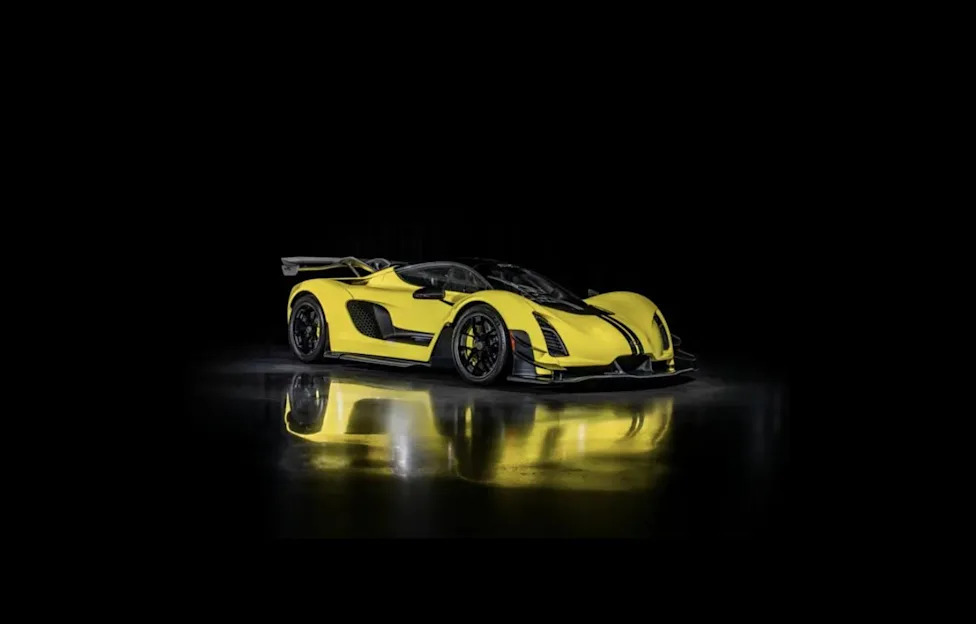
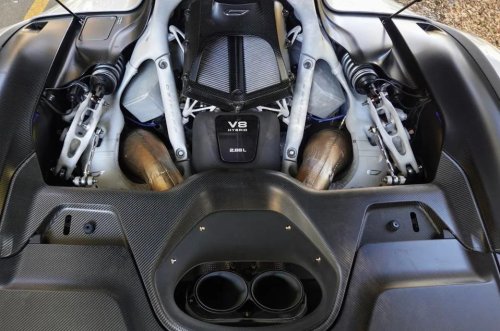
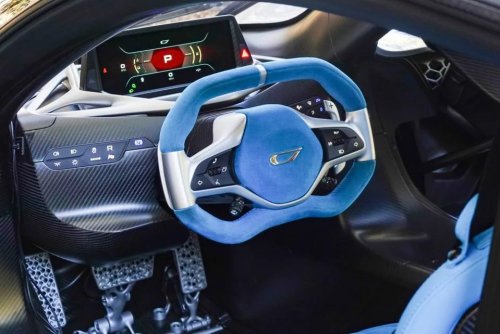
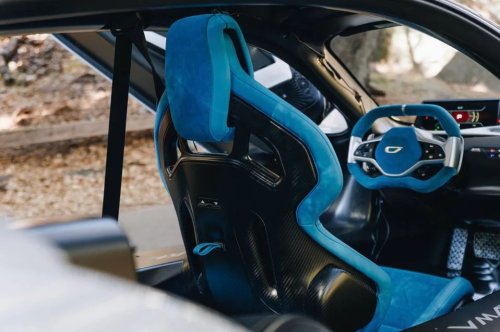
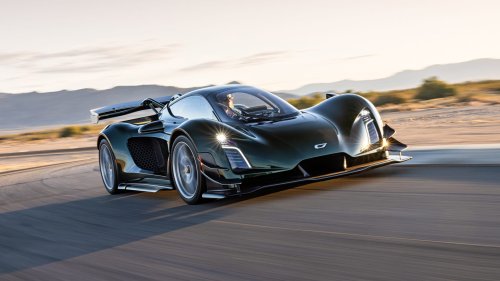
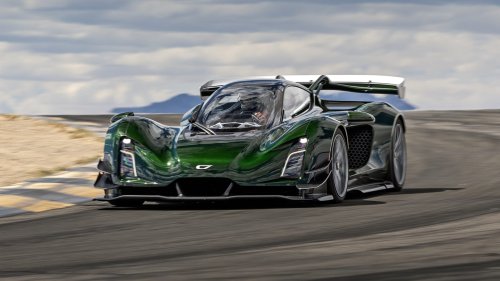
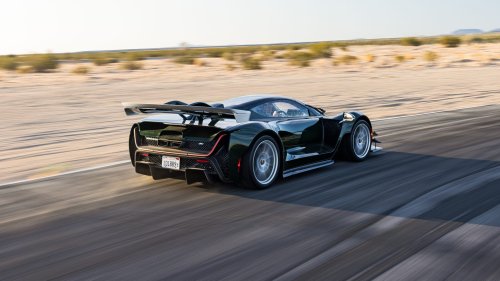
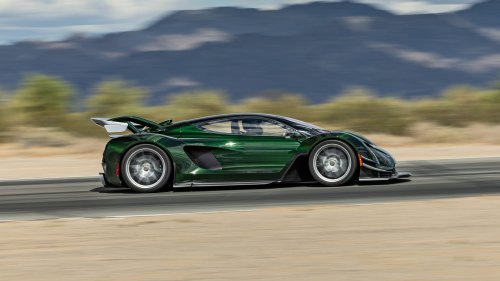
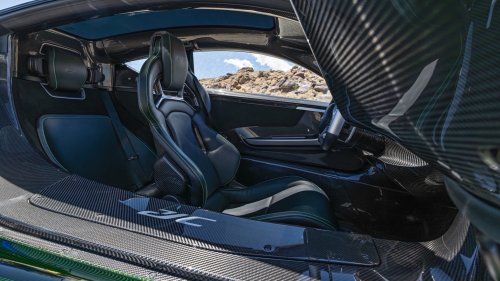
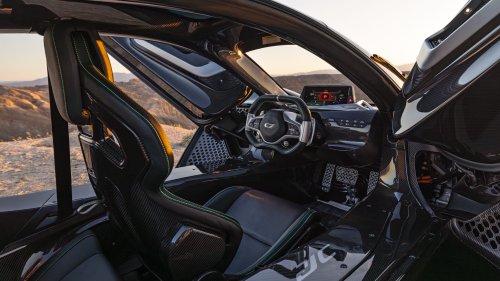
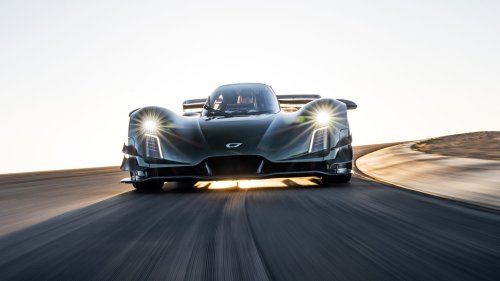
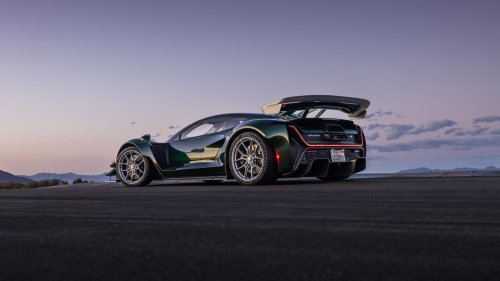
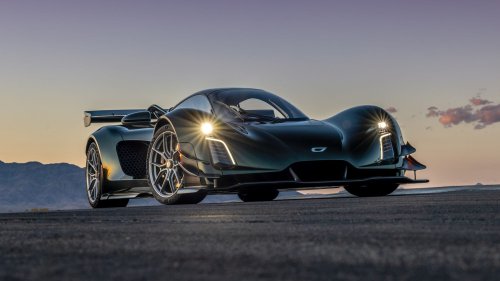
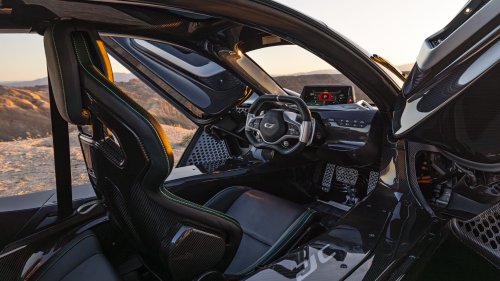
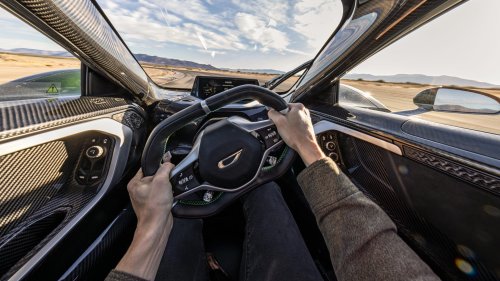
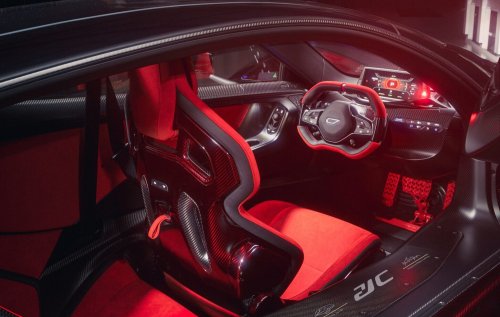
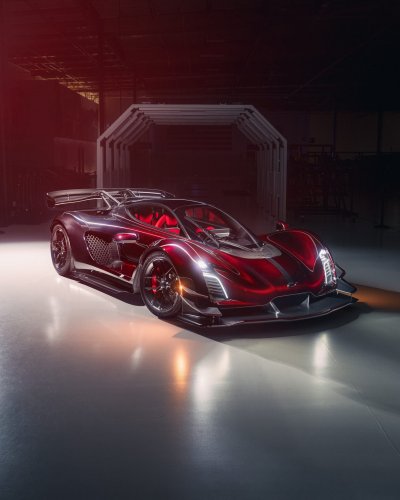
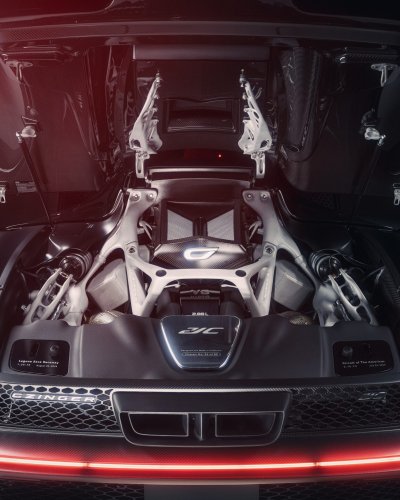
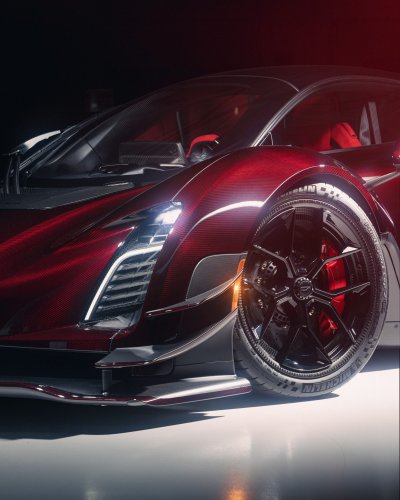
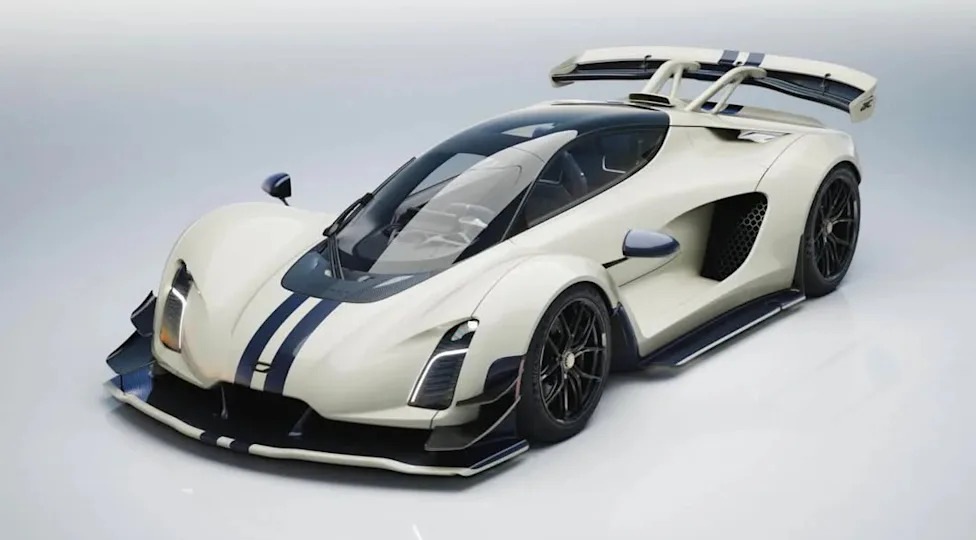
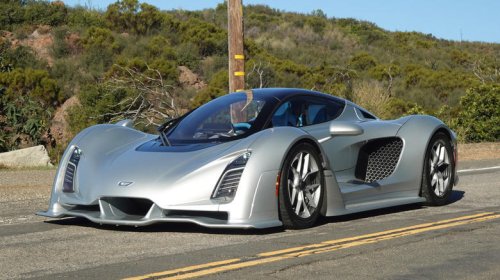
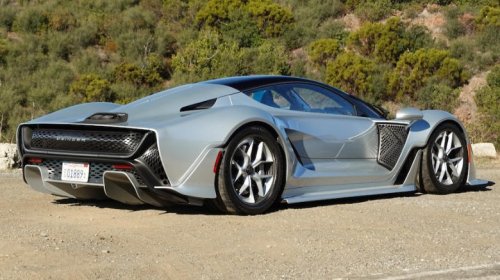
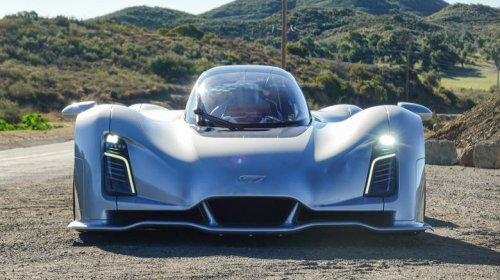
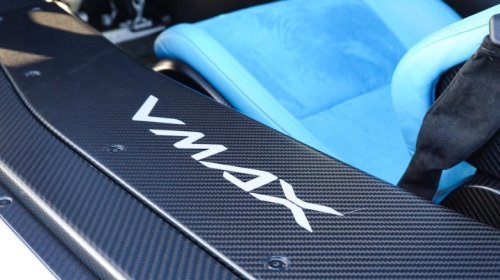
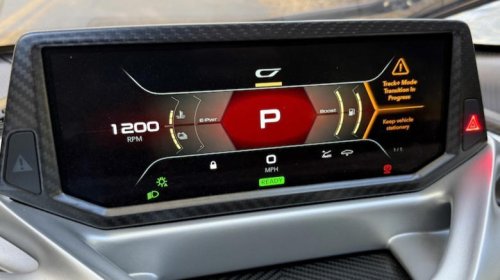
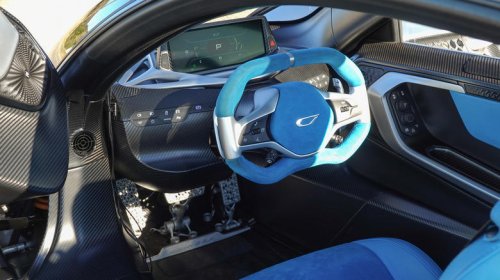
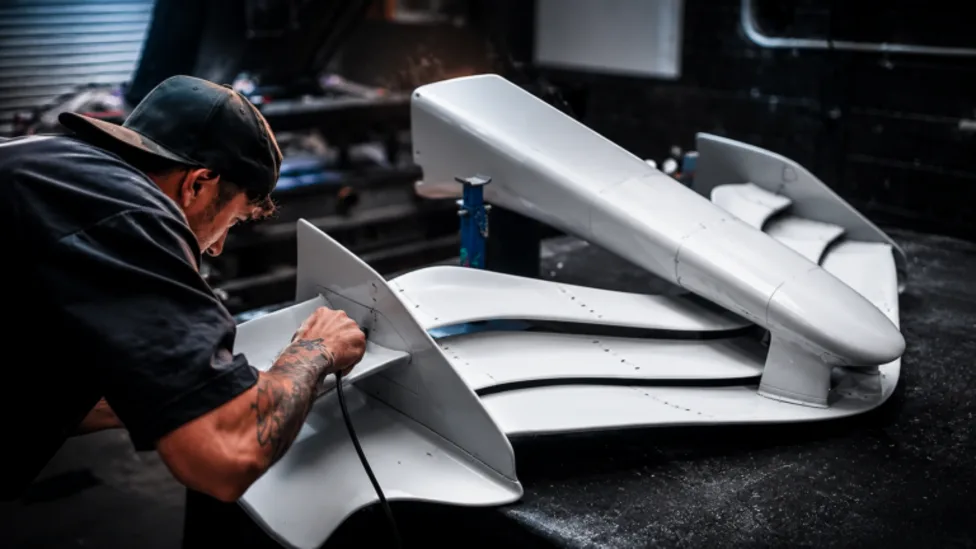
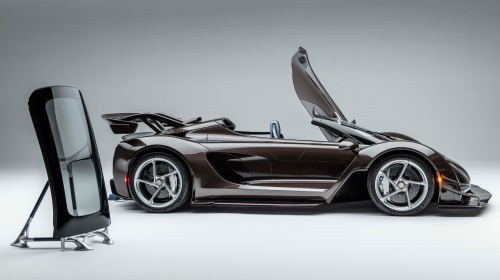
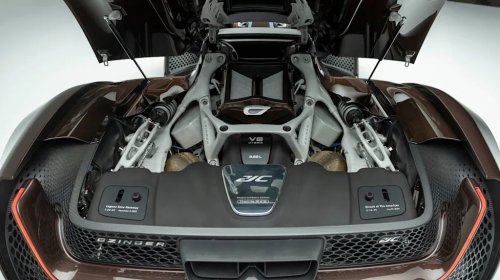
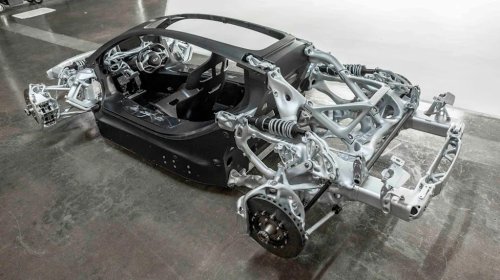
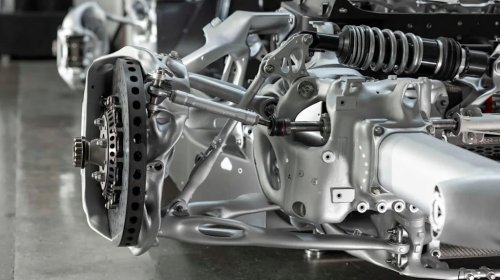
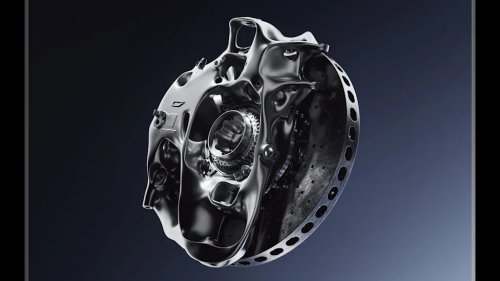
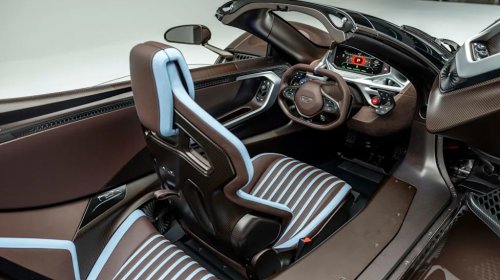
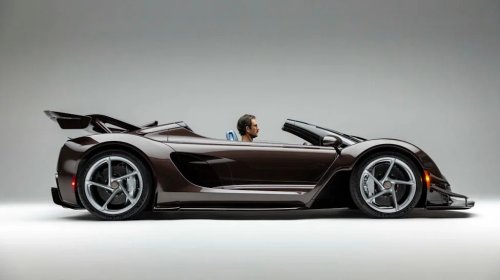
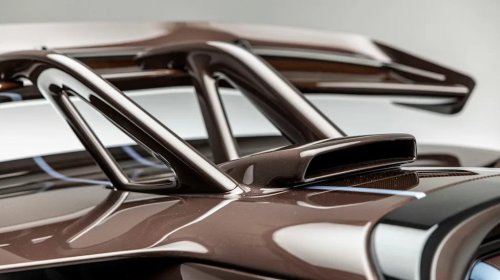
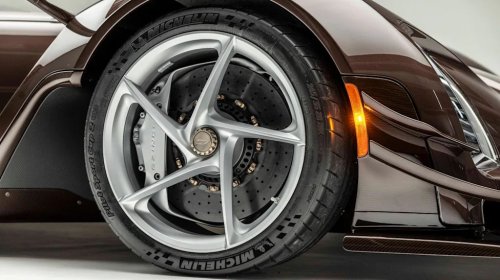
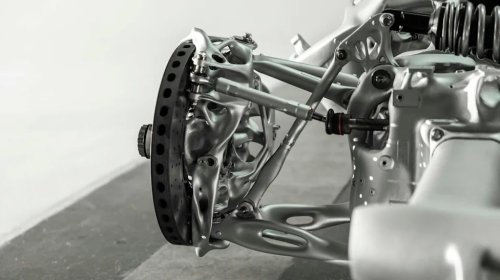
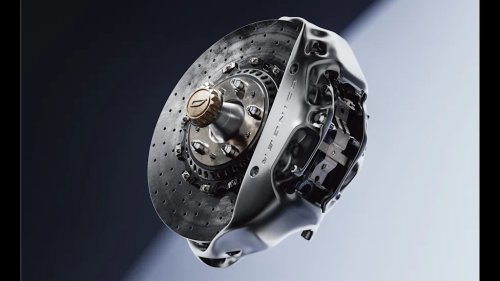
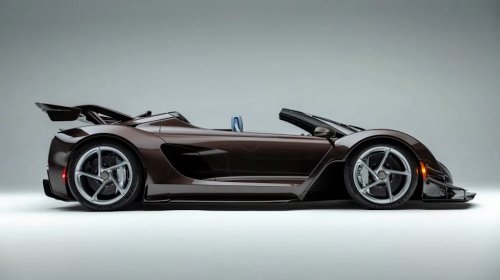
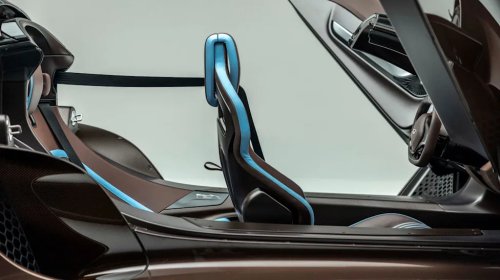
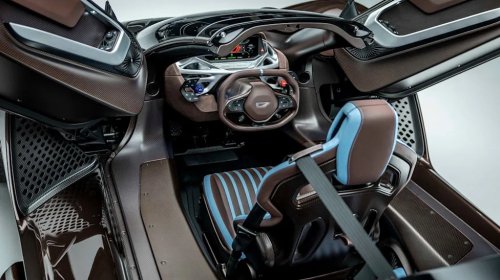
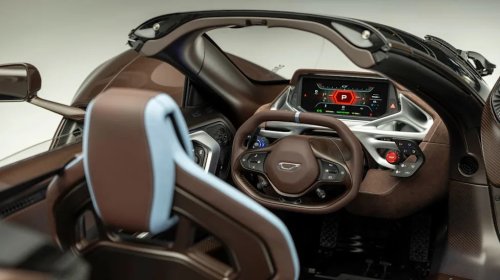
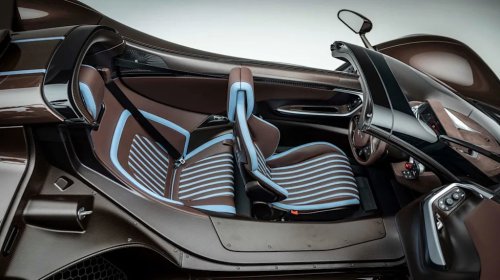
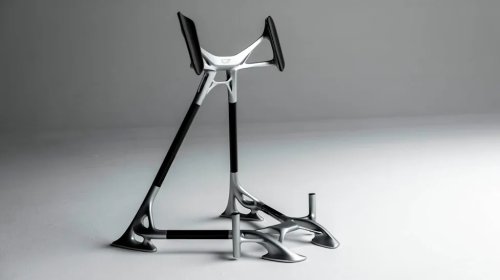
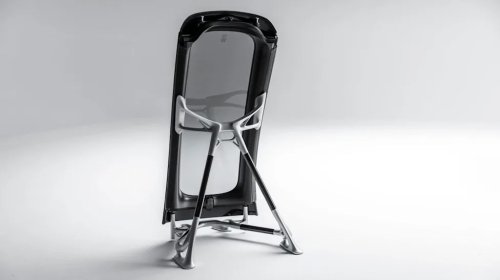
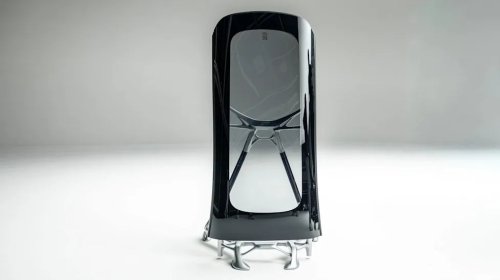
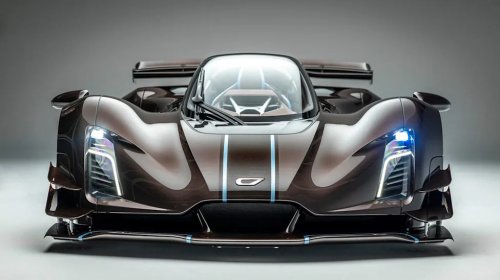
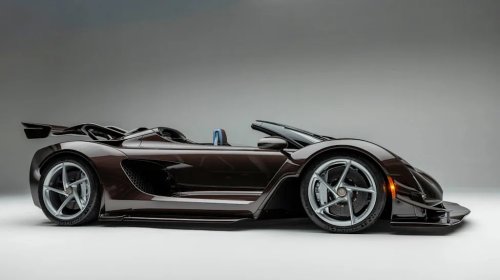
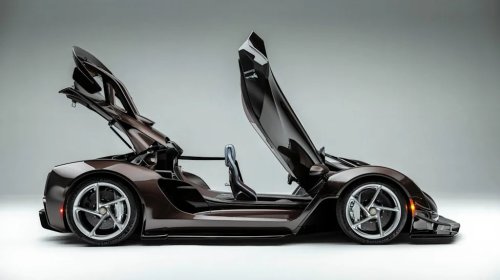
Czinger 21C Spyder: 1,250-HP Roofless HypercarBrian Vance - MotorTrendCzinger doesn't say whether driving the 21C Spyder with the roof off poses a risk to your hairline, but we think the airflow at speed could yank out a few follicles. Premature baldness might be worth it to experience the astonishing performance of this otherworldly hypercar.In short, this is the convertible version of the Czinger 21C—but to end there would be too simplistic. Although the new 21C Spyder shares key fundamentals with its fixed-roof counterpart, it also debuts new technology that further establishes Czinger as a disruptor for the entire auto industry in terms of hardware.A Stunning Starting PointTo recap, Czinger is part of Divergent Technologies, a Los Angeles–based company which exists to produce 3D-printed metal parts (the process is also known as additive manufacturing) for the aerospace, defense, automotive, and other sectors. Kevin Czinger founded Divergent Technologies, and in 2019 founded Czinger Vehicles with son Lukas to create ultra-high-performance cars based on advanced additive manufacturing.AdvertisementAdvertisementThe 21C, revealed back in 2020, is essentially a rolling showcase for Divergent Technologies' capabilities. Its chassis makes extensive use of 3D-printed metal components developed using Czinger's signature BioLogic engineering process. And the world has taken notice: Divergent Technologies now supplies components to Aston Martin, McLaren, and Bugatti.Brian Vance - MotorTrendBut the 21C is a formidable hypercar in its own right. It's propelled by a hybrid powertrain that combines an in-house-designed, 11,000-rpm 2.9-liter twin-turbo V-8 with a trio of electric motors. Total output is 1,250 hp and 691 lb-ft of torque.When MotorTrend tested the 21C in low-drag VMax configuration, it launched from 0–60 mph in 2.0 seconds and rocketed through the quarter mile in 9.2 seconds at 156.9 mph. The Spyder debuts an official launch control function, so it could be even quicker.At any speed, the car's appearance is utterly striking, standing out from the hypercar crowd with its fighter-jet-like cockpit that puts driver ahead of passenger. Unlike most combat aircraft, though, the 21C Spyder puts its pilot and co-pilot in the open air.Brian Vance - MotorTrendRoofless, RuthlessCzinger's carbon fiber and 3D-printed metal chassis is so stiff that removing its roof structure didn't necessitate any major architectural changes. The main structural difference is around the windshield and A-pillars, where approximately 22 extra pounds of carbon fiber were added to provide sufficient strength for rollover protection.AdvertisementAdvertisementCoincidentally, the removable roof panel weighs about 22 pounds on its own. Of note, Czinger currently plans to offer the Spyder only in big-wing, high-downforce (HDF) body style, not the sleek VMax configuration.With that, the 21C Spyder is claimed to be the world's highest-downforce open-top road car. At 150 mph, it produces 3,267 pounds of downforce with the roof off, and 3,307 pounds—matching the 21C HDF—with the roof on. No changes were made to the rear wing or overall aero package to achieve these figures.The roof's carbon fiber structure frames a transparent polycarbonate panel. Removed and installed manually, two latches inside the cabin secure it to the vehicle. When not in use, it's stored on a dedicated stand crafted from carbon fiber and 3D-printed metal made to match a particular car's specification. A compact, umbrella-like temporary soft top that hides inside the Spyder's door is provided in case inclement weather arrives while on a drive.Brian Vance - MotorTrendIntroducing BrakeNodeWild as the 21C appears from outside, what's under the skin is more captivating. Lift the engine cover, and a variety of intricate 3D-printed metal components is revealed. Czinger's BioLogic engineering approach leverages algorithmic generative design, placing material where it contributes to required strength, stiffness, packaging, and aerodynamic parameters. This allows creation of parts that would be impossible to make using traditional manufacturing methods.AdvertisementAdvertisementIn the 21C Spyder, Czinger introduces another 3D-printed innovation: BrakeNode, which integrates the suspension upright, brake caliper, and hydraulic fluid passages into a single additively manufactured structure. Doing so eliminates conventional mounting interfaces and external fluid lines, reducing part count and potential failure points. Czinger says the design cuts unsprung mass and increases stiffness by up to 30 percent relative to conventional brakes. Against the 21C's already lightweight printed upright and separate caliper, BrakeNode saves another 1.5 pounds of unsprung mass per corner.CzingerUp to 37 percent of BrakeNode's structure is hollow. Internal hydraulic passages printed directly using Czinger's proprietary aluminum alloy pressurize the pistons; company representatives told us the additive-manufacturing process poses no issue with maintaining hydraulic pressure. The front calipers use six titanium pistons, while four lighter aluminum pistons are used at the rear. Because the caliper doesn't flex independently of the upright, pressure is distributed more evenly across the pads and rotors, shortening stopping distances by up to 15 percent, claims Czinger.New five-spoke wheels developed for the 21C Spyder provide a better view of the BrakeNode fitted to each corner of the car. BrakeNode will be standard on the 21C Spyder and can be retrofitted to existing hardtop HDF and VMax examples.Another enhancement in the 21C Spyder is what Czinger calls NeuralNode, which brings the 3D-printed aesthetic further into the driver's view. The structure wraps around the digital gauge cluster, and reaches toward the new additively manufactured steering wheel, integrating forward-facing air vents resembling the company's C logo and button pods for various vehicle controls.Brian Vance - MotorTrendSky-High PriceThis performance and bespoke engineering don't come cheap. While the hardtop 21C starts at more than $2,350,000, pricing for the new Spyder variant begins at about $2,750,000. The example we viewed, specified with an elegant brown exterior featuring exposed carbon and a brown-blue pinstripe interior, would cost a customer some $3,250,000.AdvertisementAdvertisementWith the personalization Czinger offers, that might not even be the most expensive 21C Spyder the company builds over a 30-unit run. If any 21C Spyder buyer is reading this, we won't tell you to hold back on realizing your ideal car—we'll only advise you hold on to your hat.Photo credit: Brian Vance - MotorTrendPhoto credit: Brian Vance - MotorTrendPhoto credit: Brian Vance - MotorTrendPhoto credit: Brian Vance - MotorTrendAdvertisementAdvertisementPhoto credit: Brian Vance - MotorTrendPhoto credit: Brian Vance - MotorTrendPhoto credit: Brian Vance - MotorTrendPhoto credit: CzingerAdvertisementAdvertisementPhoto credit: CzingerPhoto credit: Brian Vance - MotorTrendPhoto credit: Brian Vance - MotorTrendPhoto credit: Brian Vance - MotorTrendAdvertisementAdvertisementPhoto credit: Brian Vance - MotorTrendPhoto credit: Brian Vance - MotorTrendPhoto credit: Brian Vance - MotorTrendPhoto credit: Brian Vance - MotorTrendAdvertisementAdvertisementPhoto credit: Brian Vance - MotorTrendPhoto credit: Brian Vance - MotorTrendPhoto credit: Brian Vance - MotorTrendPhoto credit: Brian Vance - MotorTrendAdvertisementAdvertisementPhoto credit: Brian Vance - MotorTrendPhoto credit: Brian Vance - MotorTrendPhoto credit: Brian Vance - MotorTrendPhoto credit: Brian Vance - MotorTrendPhoto credit: Brian Vance - MotorTrendPhoto credit: CzingerPhoto credit: CzingerPhoto credit: CzingerPhoto credit: Czinger




























 +52 others