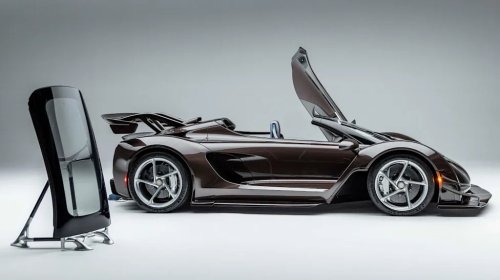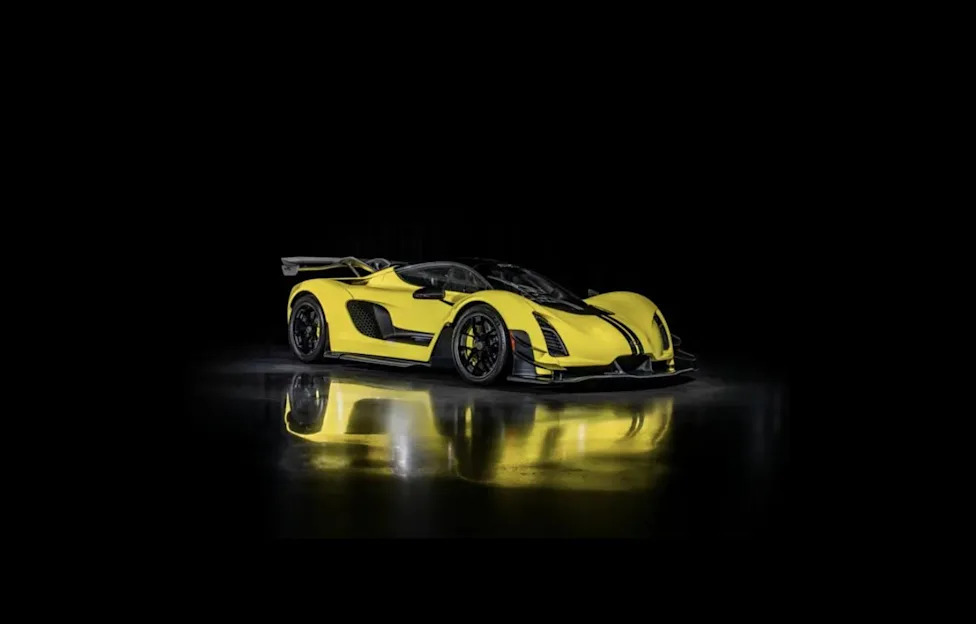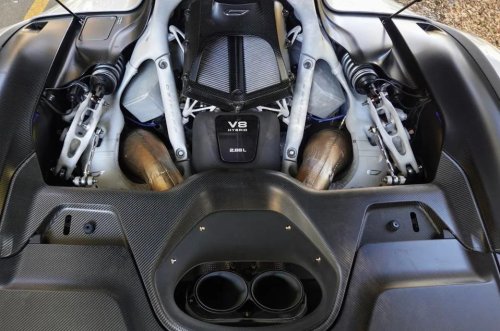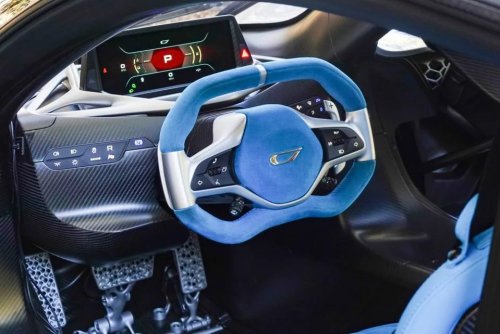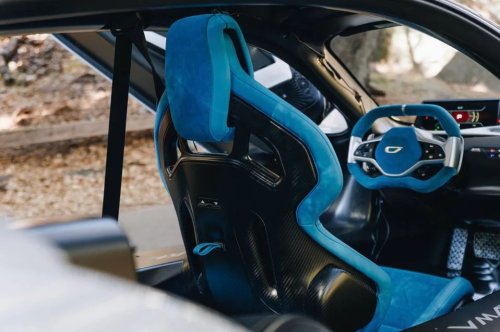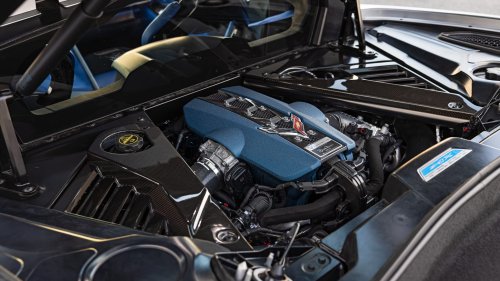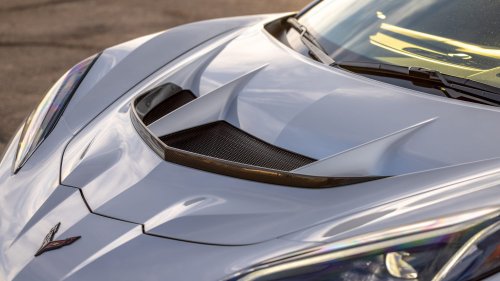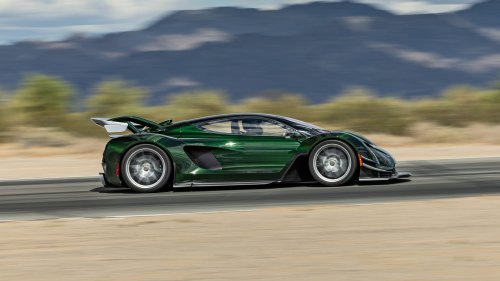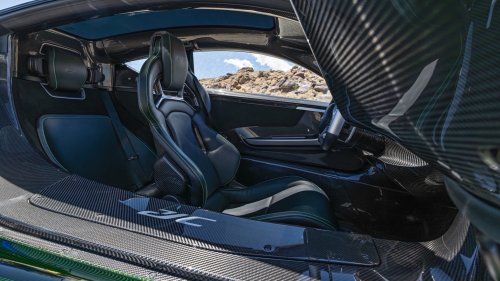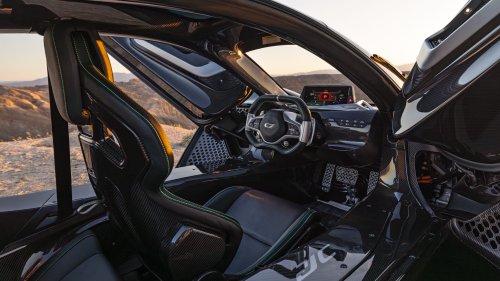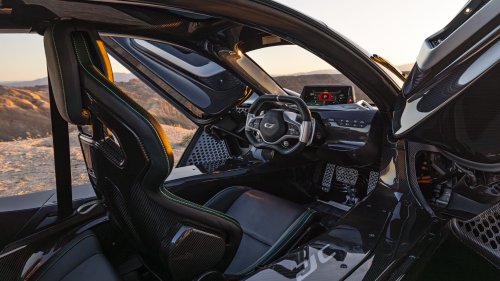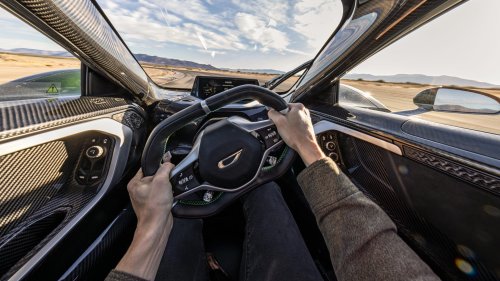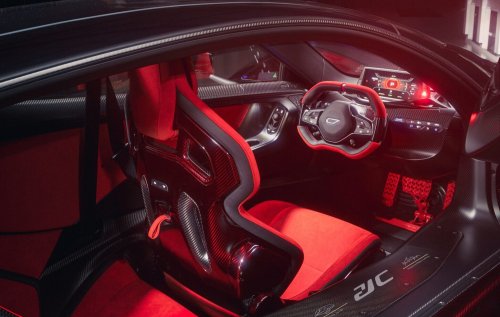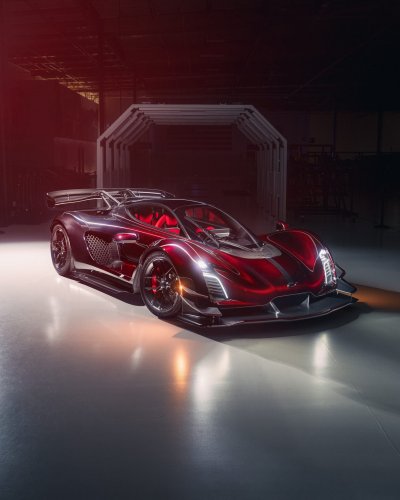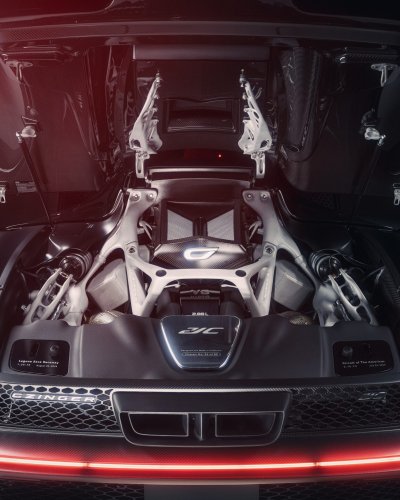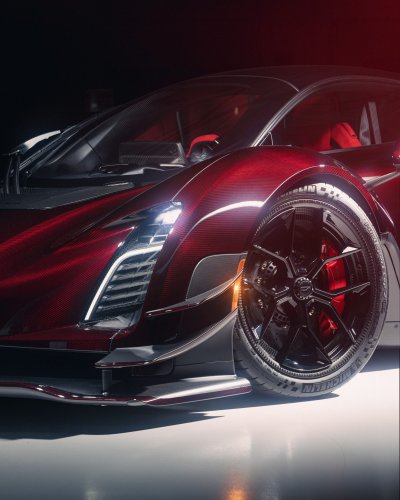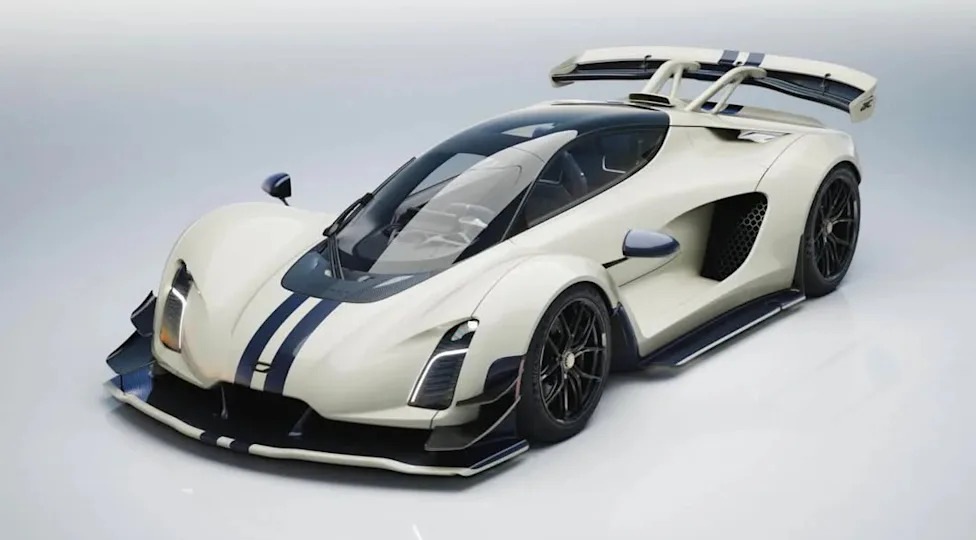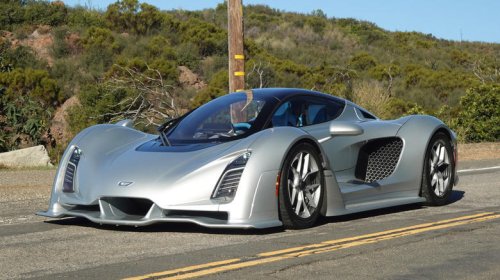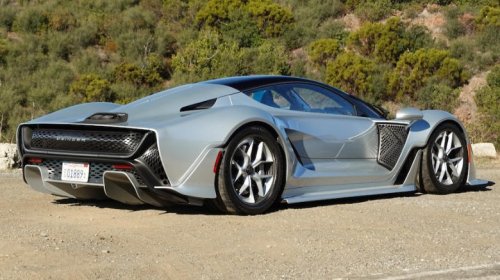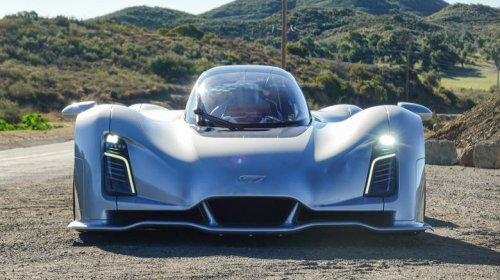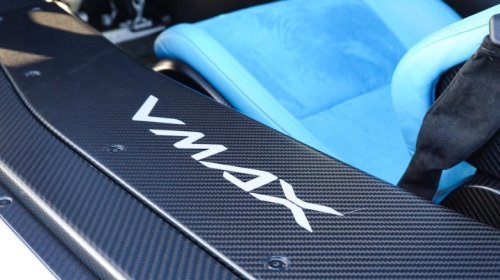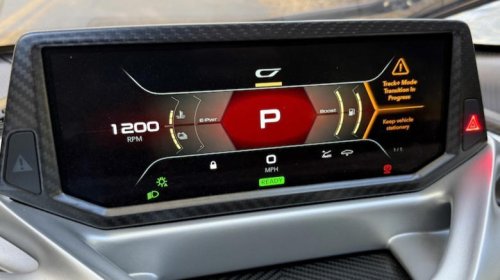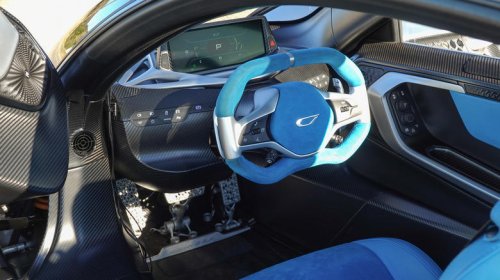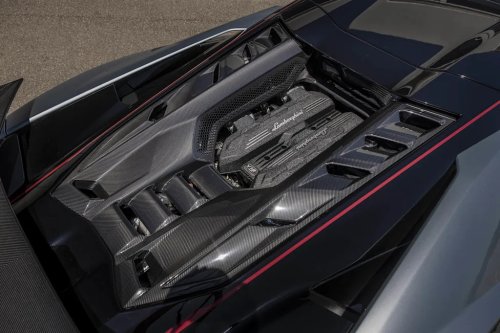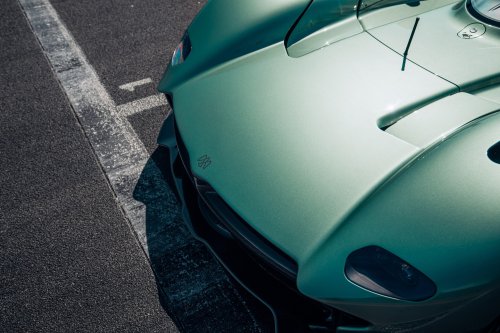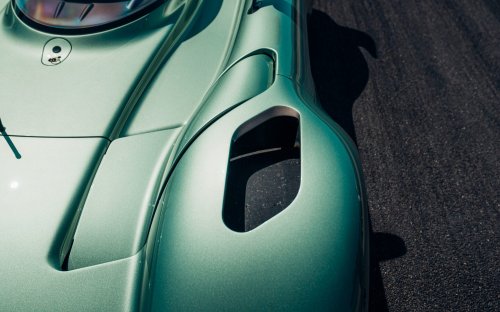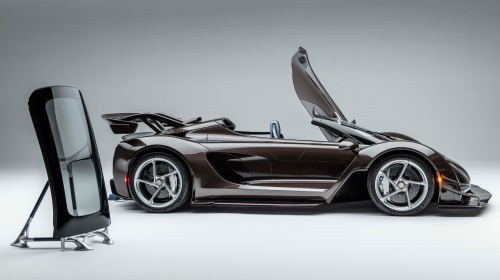

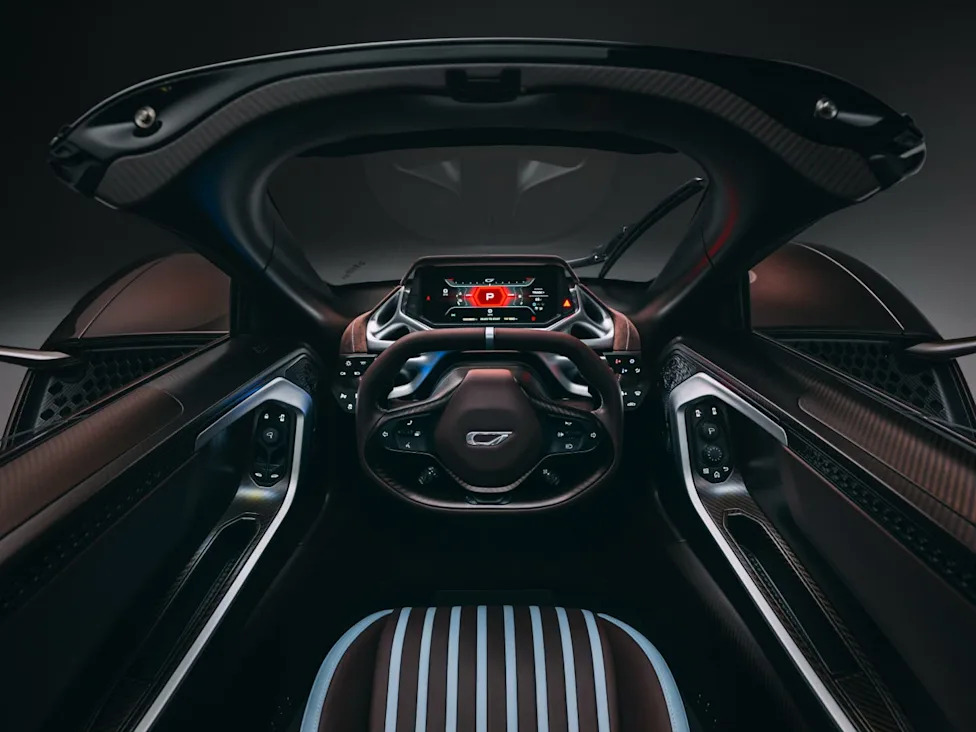



















Czinger 21C Spyder Debuts With 1,250 HPCzingerCzinger has added a third version of its 21C hypercar, the open-top 21C Spyder with 1,250 hp, a removable carbon-fiber roof, and a new 3D-printed braking system that integrates components traditionally manufactured separately.The Spyder joins the 21C HDF and high-speed VMax, with production limitedto just 30 cars, each assembled at Czinger's manufacturing facility in Los Angeles. Czinger says pricing will start at $2.75 million, implying it could go much higher depending on configuration. The car is homologated for road use in all 50 states.Power comes from Czinger's 2.88-liter twin-turbocharged V8, which produces 750 hp and revs to 11,000 rpm. Two electric motors driving the front wheels and a motor-generator unit add another 500 hp, bringing combined output to 1,250 hp and 691 lb-ft of torque. Czinger claims 0-60 mph in 1.9 seconds, an 8.7-second quarter-mile, and a 205-mph top speed.AdvertisementAdvertisementRemoving the roof hasn't substantially compromised the 21C's extreme aerodynamics. Czinger says the Spyder produces 3,267 pounds of downforce at 150 mph with the roof removed. Installing the carbon-fiber panel raises that to 3,307 pounds, matching the 21C HDF. The Spyder weighs 3,571 pounds dry, just 22 pounds more than its closed-roof counterpart.The Czinger 21C Spyder. World-first technology. Full integration. Otherworldly drive.BioLogic™ Engineered.#Czinger21CSpyder #MadeInAmerica #CaliforniaHypercar pic.twitter.com/7PgYEkln82— Czinger Vehicles (@CzingerVehicles) August 14, 2026One of the car's biggest engineering developments, however, may be behind the wheels.Czinger's new BrakeNode combines the brake caliper, suspension upright and internal hydraulic passages into a aluminum component created using additive manufacturing, aka 3D printing. Czinger says the design can reduce stopping distances by as much as 15 percent while increasing stiffness and reducing unsprung mass. On the 21C, the system removes another six pounds of unsprung weight, or about 1.5 pounds at each corner.CzingerThe brakes use 16.1-inch carbon-ceramic rotors up front and 15.3-inch units at the rear. The unusual integrated design is also intended to simplify servicing because brake pads and rotors can be removed without disconnecting a conventional caliper. Czinger says the technology can be fitted to the 21C HDF and VMax and retrofitted to existing 21Cs.AdvertisementAdvertisementInside, the Spyder debuts what Czinger calls its NeuralNode dashboard, another additively manufactured structure that integrates the instrument panel, air vents and vehicle controls. In fact, the company's increasingly organic-looking 3D-printed structures allow multiple conventional parts to be consolidated into lighter components—a signature design method used by the niche automaker.Czinger