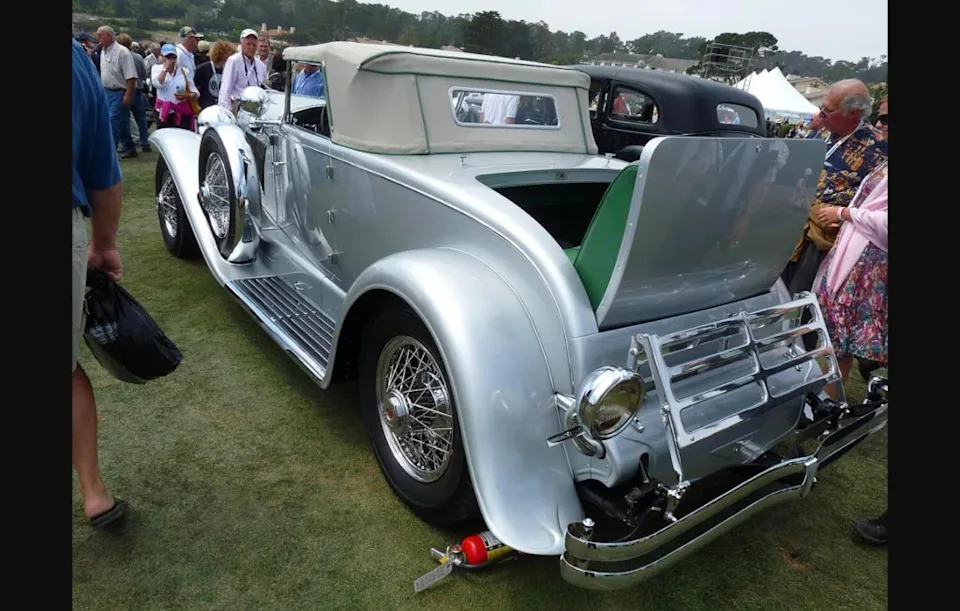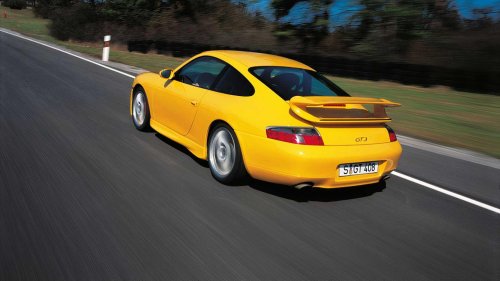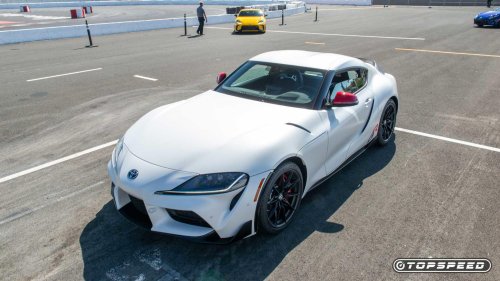





















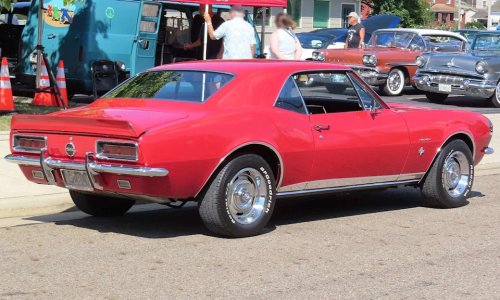

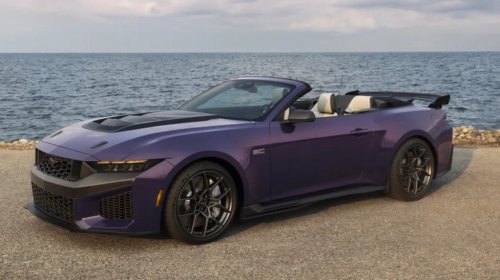


Convertible vs. Coupe: Which Holds Value Better in the Collector MarketBody style debates run deep in the collector car world, and few are as persistent as the choice between a convertible and a coupe version of the same model. The answer to which holds value better depends heavily on the specific car and era in question.Why Convertibles Often Command a PremiumConvertibles were frequently produced in smaller numbers than their coupe counterparts, since the extra structural reinforcement and folding mechanism added meaningful cost to manufacture. That relative rarity, combined with the emotional appeal of open-air driving, often pushes convertible values above equivalent coupes for the same model and era.Where Coupes Actually Win OutPerformance-focused buyers frequently prefer coupes for their stiffer chassis and lighter weight, since removing a fixed roof requires additional bracing that adds both weight and cost. For race-inspired or high-performance variants of a given model, the coupe version sometimes commands a genuine premium over the convertible for exactly this reason.How Rarity Numbers Shift the EquationSome models were built with far more convertibles than coupes, or vice versa, which flips the typical assumption on its head. Checking actual production numbers for the specific model, trim, and engine combination you're considering matters more than relying on the general rule of thumb.Practical Ownership ConsiderationsConvertibles typically require more maintenance to keep the top mechanism, seals, and fabric or vinyl material in good condition, and they can suffer more from interior sun damage over time. Coupes generally offer a quieter, more weathertight ownership experience, which appeals to buyers who plan to drive their classic regularly rather than store it.What This Means When You're BuyingRather than assuming either body style is automatically worth more, research actual production numbers and recent sale prices for your specific model before setting expectations. The convertible-versus-coupe premium varies enormously from one nameplate to the next.Final ThoughtsBoth body styles have loyal followings and genuine strengths, and the value gap between them says as much about a specific model's production history as it does about any universal collector preference. Understanding the numbers behind your particular car is far more useful than following a general rule.Related ReadingHow Classic Car Values Are Actually DeterminedAdvertisementAdvertisementThe Most Popular Classic Car Colors and Why They EndureThe Rise of Radwood: Why 80s and 90s Cars Are Becoming Classics⚡️ Read the full article on MotoriousSign up for the Motorious Newsletter. For the latest news, follow us on Facebook, Twitter, and Instagram.