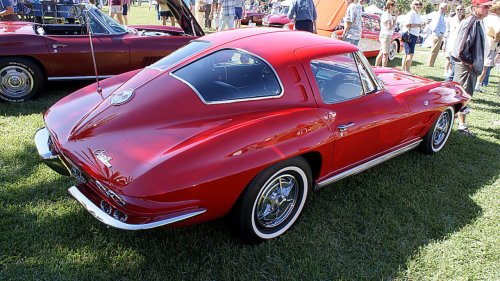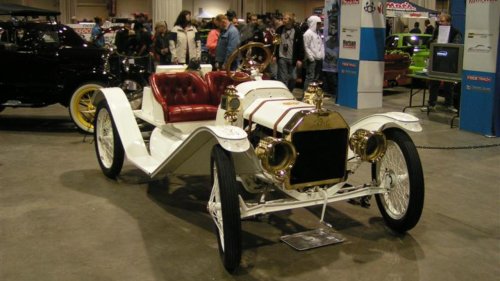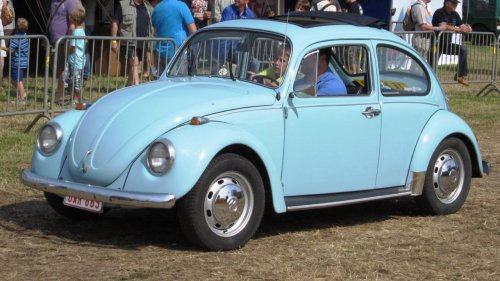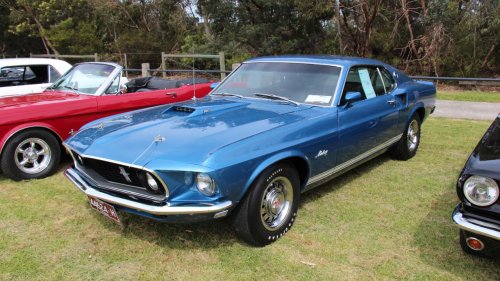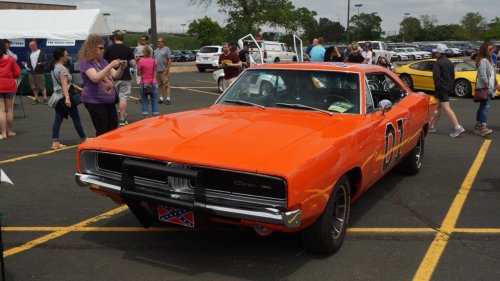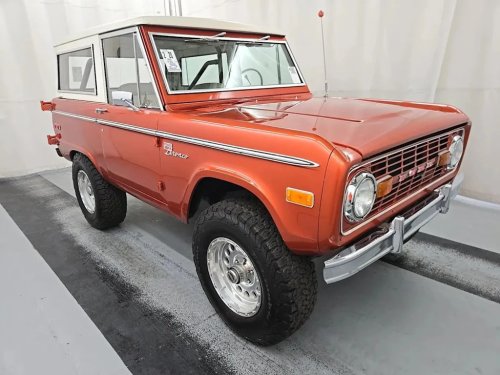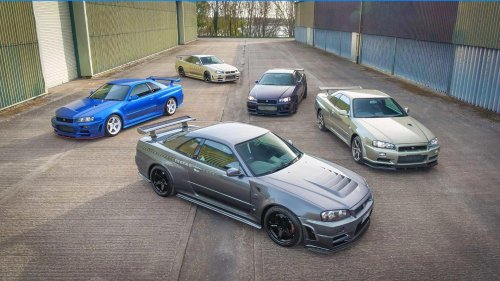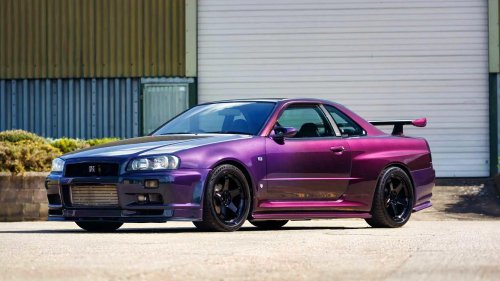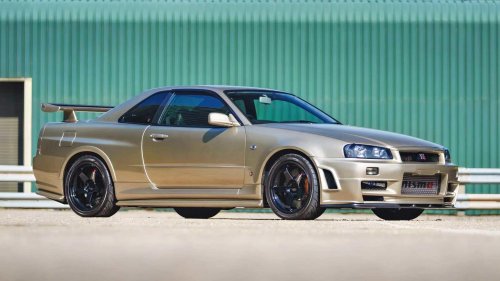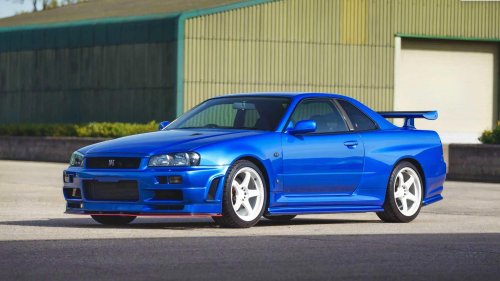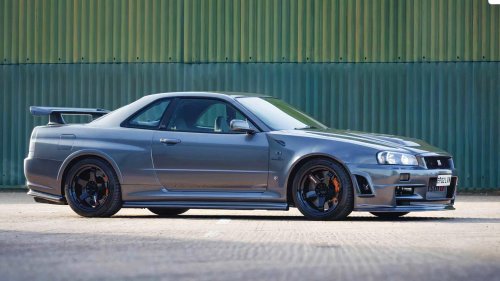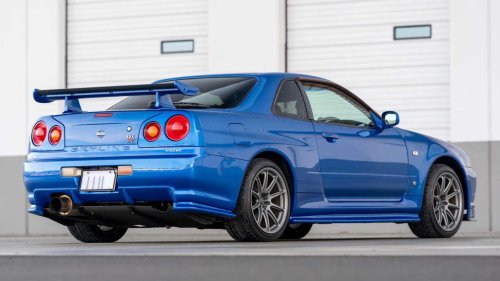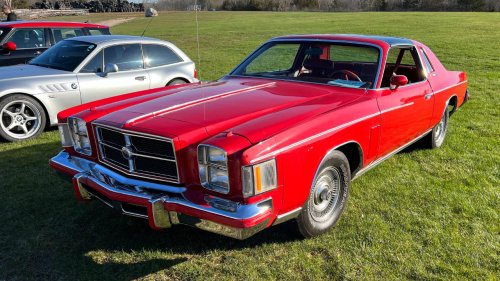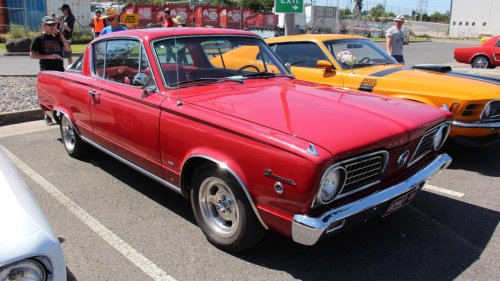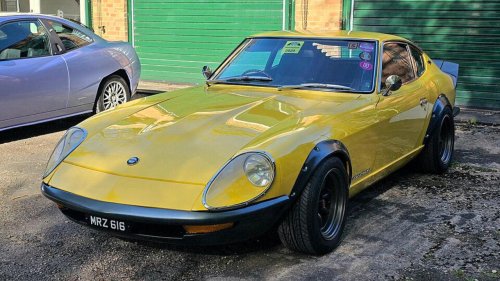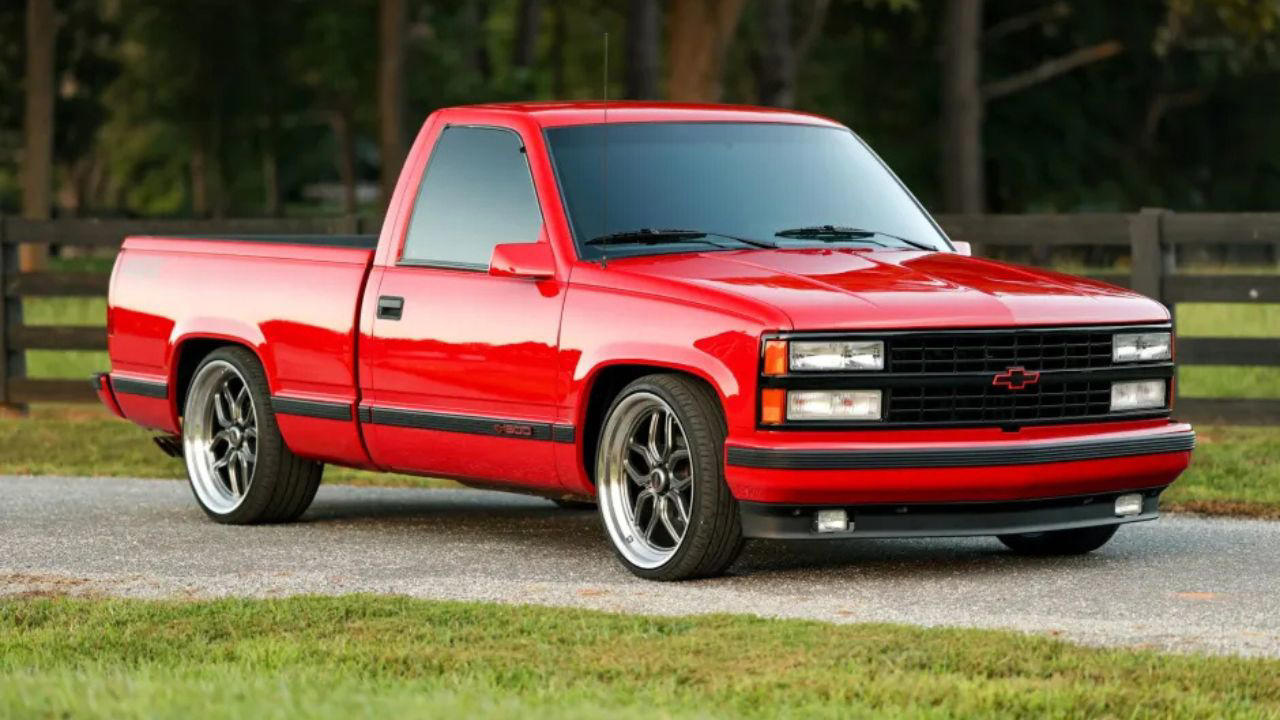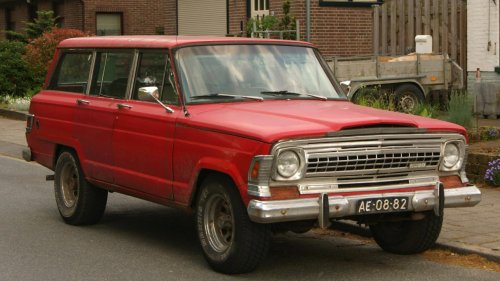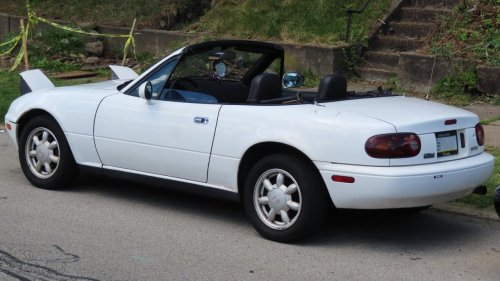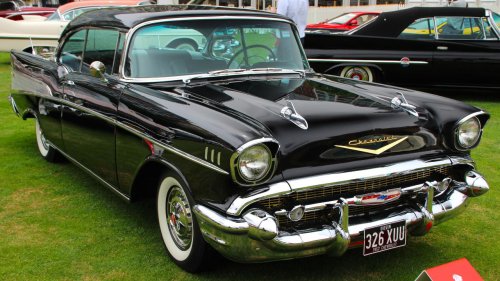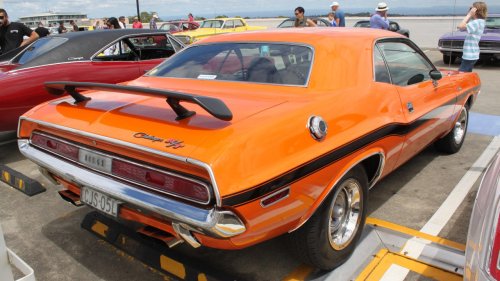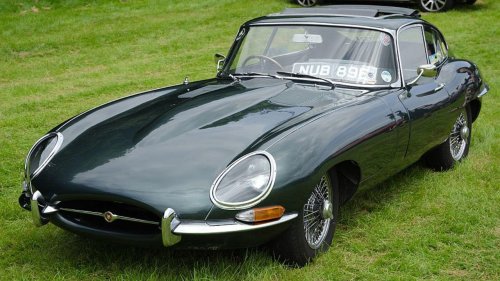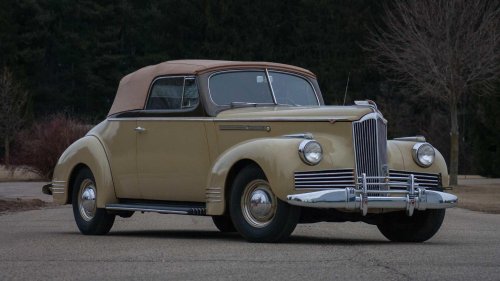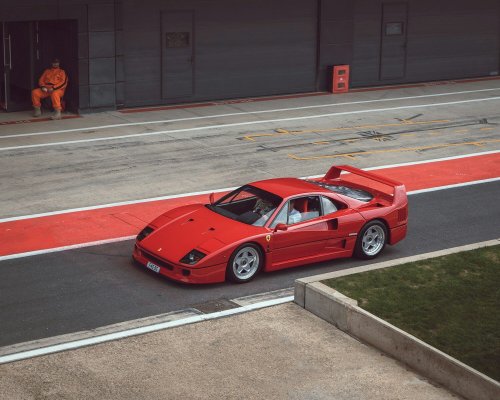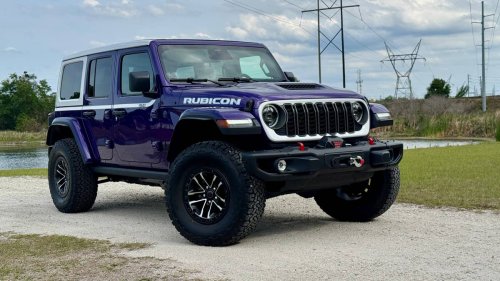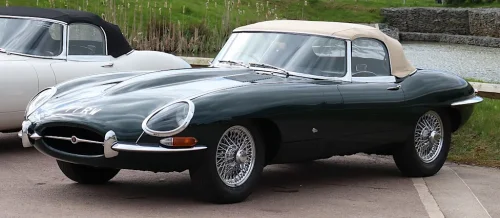
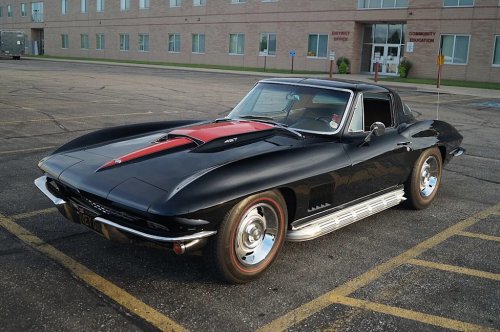
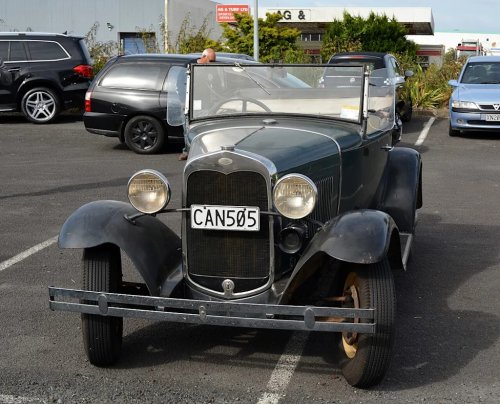
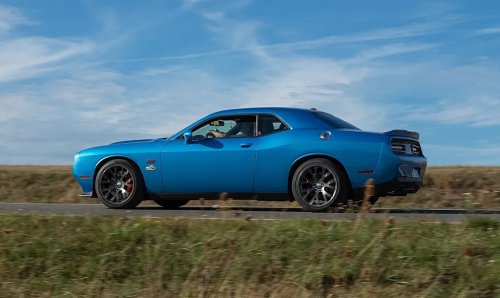



















For the better part of two decades, the collector-car hobby ran on a comforting assumption: the icons would always be the icons. A Jaguar E-Type would always make jaws drop, a chrome-bumper Corvette would always anchor a serious garage, and a hand-built prewar classic would always command respect on the concours field. That assumption is now being tested. The money hasn't left the hobby, but it is moving — and where it's moving away from tells a more interesting story than where it's flowing toward.The headline numbers set the mood. In January 2026, the Hagerty Market Rating — the hobby's closest equivalent to a stock-market index — fell to 58.28, its lowest level in nearly 15 years. Since its mid-2022 peak, the rating has declined in 37 of 43 months. The latest Hagerty Price Guide showed both average and median values down roughly half a percent across the board, with the Blue Chip Index of seven-figure cars off 1.3 percent. Fewer cars are selling above their insured value than at any point in nearly four years.That's the macro weather. The more revealing patterns are at the level of specific cars — the segments where buyer enthusiasm is quietly draining away even as the broader hobby remains huge and active.The demographic tide is the whole storyTo understand what's losing favor, you have to start with who is doing the buying. Hagerty tracks the ages of the people calling for insurance quotes, which gives an unusually clean read on demand. For years the narrative was a steady generational handoff. Then 2025 scrambled the script. According to Hagerty's year-end data review, Boomers came roaring back to claim the single largest share of quotes at 36 percent, while Millennials slipped from 21 percent to under 19 percent. The most quotable line in the current market: if you own a production car from the 1950s, now might be a good time to sell, whereas a 1970s SUV or a JDM icon is worth holding.AdvertisementAdvertisementWhy does demographics decide everything? Because enthusiasts overwhelmingly chase the cars of their youth, plus a thin halo of universally admired machines. When a model's buyer pool skews heavily toward people born before 1965, that pool is — bluntly — shrinking every year. With that lens, four categories stand out as the ones buyers are moving away from.1. The graying European sports-car iconsHagerty's now-classic analysis, "These 4 iconic classics just aren't attracting young buyers," put hard numbers on a generational drift that has only deepened since.The Collector Cars Buyers Are Quietly Moving Away From (motorious_297)The 1961–74 Jaguar E-Type — a car Enzo Ferrari reportedly called the most beautiful ever made — draws a full 80 percent of its insurance quotes from enthusiasts born before 1965. The 1948–65 Porsche 356, the car that founded the entire Porsche mystique, sits at roughly 70 percent. The pattern isn't simply about price: Porsche's own 964-era 911 Turbo is no bargain, yet Gen X and younger buyers make up nearly half of its interest.The clearest illustration that this is about era rather than cost is the 1946–55 MG T-series. These are affordable cars — a nice TD can be had for around $20,000 — yet 88 percent of quotes come from buyers born before 1965, the highest skew on the list. Younger buyers who want an inexpensive, charismatic open two-seater simply buy a Mazda Miata, which is cheaper, newer, and carries the 1990s nostalgia that resonates with them.2. The chrome-era American classicsThe mid-century American cars that defined an earlier collecting generation are splitting in two, and the split is instructive.The Collector Cars Buyers Are Quietly Moving Away From (motorious_297)The 1963–67 Corvette (C2) — the Sting Ray, perhaps the most romanticized Corvette of all — now draws 74 percent of its quotes from people who were alive when it launched. By contrast, the later C3 and C4 Corvettes are genuinely popular with younger collectors. The same divergence runs through the lineup: 1960s Impalas, the first-generation Mustang, and the air-cooled Beetle all pull healthy majorities from Gen X and younger, while the earlier, statelier machinery does not. This connects directly to the 2025 warning about 1950s production cars: the abundant four-doors and entry trims — not the Tri-Five hardtops and fuelie Corvettes — are the quiet casualties.3. Prewar and brass-era carsNo segment embodies "quietly moving away" like prewar cars. The Model T and Model A were once so ubiquitous in the hobby that they defined it.The Collector Cars Buyers Are Quietly Moving Away From (motorious_297)The picture is genuinely mixed, and honesty requires flagging it. The very-best, museum-grade examples — coachbuilt Duesenbergs and concours Packards — still find passionate, deep-pocketed buyers. But the everyday prewar car, the touring Model T or the standard prewar Packard sedan, faces shrinking demand and a contracting buyer pool. A younger collector isn't chasing a brass-era touring car; they're chasing the car on their childhood bedroom poster. These vehicles haven't lost their meaning — they've become a connoisseur's niche rather than a mainstream pursuit, which for values is a meaningful demotion.4. The cautionary tale: late-model muscle that flooded the marketNot every cooling segment is old. The most vivid recent example of buyers backing away involves cars barely a decade old: the supercharged Dodge Hellcats and Demons.The Collector Cars Buyers Are Quietly Moving Away From (motorious_297)AdvertisementAdvertisementWhen the platform ended in 2023, these cars were treated as instant collectibles, and the math briefly worked: the median condition #2 value for a Hellcat/Demon-powered Challenger leapt from $60,000 in mid-2020 to a peak of $99,800 in late 2023. Then the auction blocks filled up. Repeat-sale appearances exploded from four cars in 2020 to 79 in 2025. The result is a textbook lesson in supply: price-guide values have slid back to about $79,200, and profitable flips have nearly vanished. One Demon that sold for $286,000 at Kissimmee in 2024 brought $184,250 at the same auction a year later — a six-figure haircut. The cars remain wonderful to drive; what's eroding is the speculative premium.What's pulling the money insteadThe flip side clarifies the trend. The cars gaining ground are the ones today's largest active buying cohorts grew up wanting: 1970s and '80s SUVs and trucks, restomods, modern-classic Porsches, and Japanese performance icons — the Supras, Skylines, NSXs, and twin-turbo Z-cars now hitting their importable, nostalgic prime. At the very top, the seven-figure market has gotten dramatically newer: the average age of a million-dollar auction car has dropped nearly 12 years over five years, with modern hypercars leading the way. Total seven-figure sales topped $1 billion for the first time in 2025 — but on fewer cars selling for more, while the broad market thinned beneath them.The bottom lineNone of this means the E-Type, the 356, the Sting Ray, or the prewar Packard is suddenly unloved. These are permanent fixtures of automotive history. But as stores of value, the cars tied most tightly to the pre-1965 generation are the ones the market is quietly stepping back from. Demand is migrating with the demographics, and the demographics only move one direction. For sellers sitting on a graying icon, the data's advice is uncomfortably direct: the strongest hands may already be on the table. For buyers, the same softness is an opportunity — an E-Type bought to be driven rather than flipped has never made more sense.Sources: Hagerty Media's 2025 market review, the January 2026 Market Rating report, the demographic analysis of cooling classics, and the Hellcat saturation study. Images via Wikimedia Commons.AdvertisementAdvertisement⚡️ Read the full article on MotoriousSign up for the Motorious Newsletter. For the latest news, follow us on Facebook, Twitter, and Instagram.