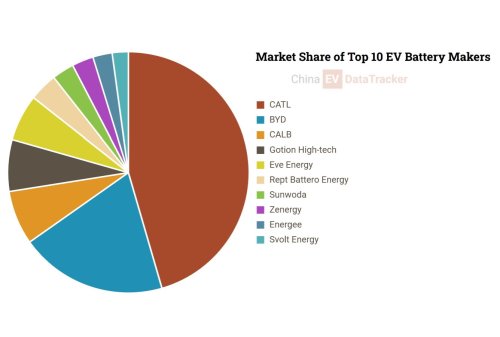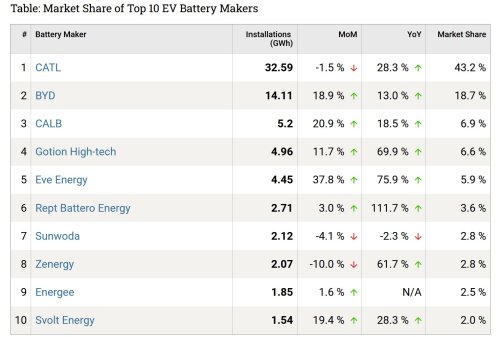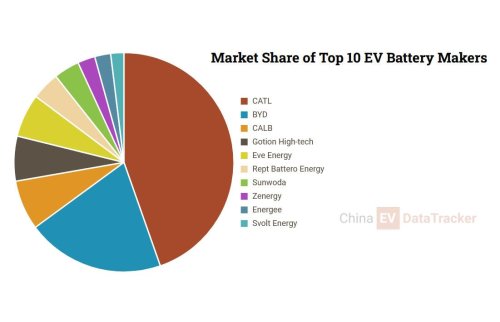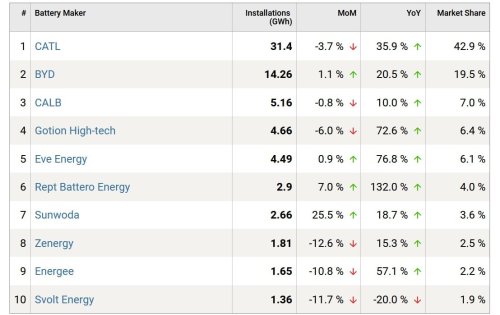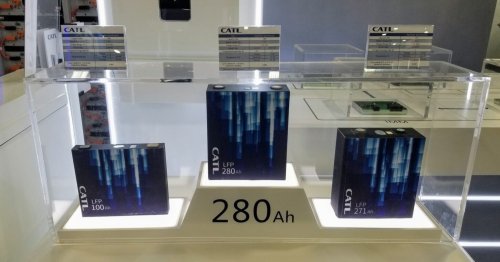
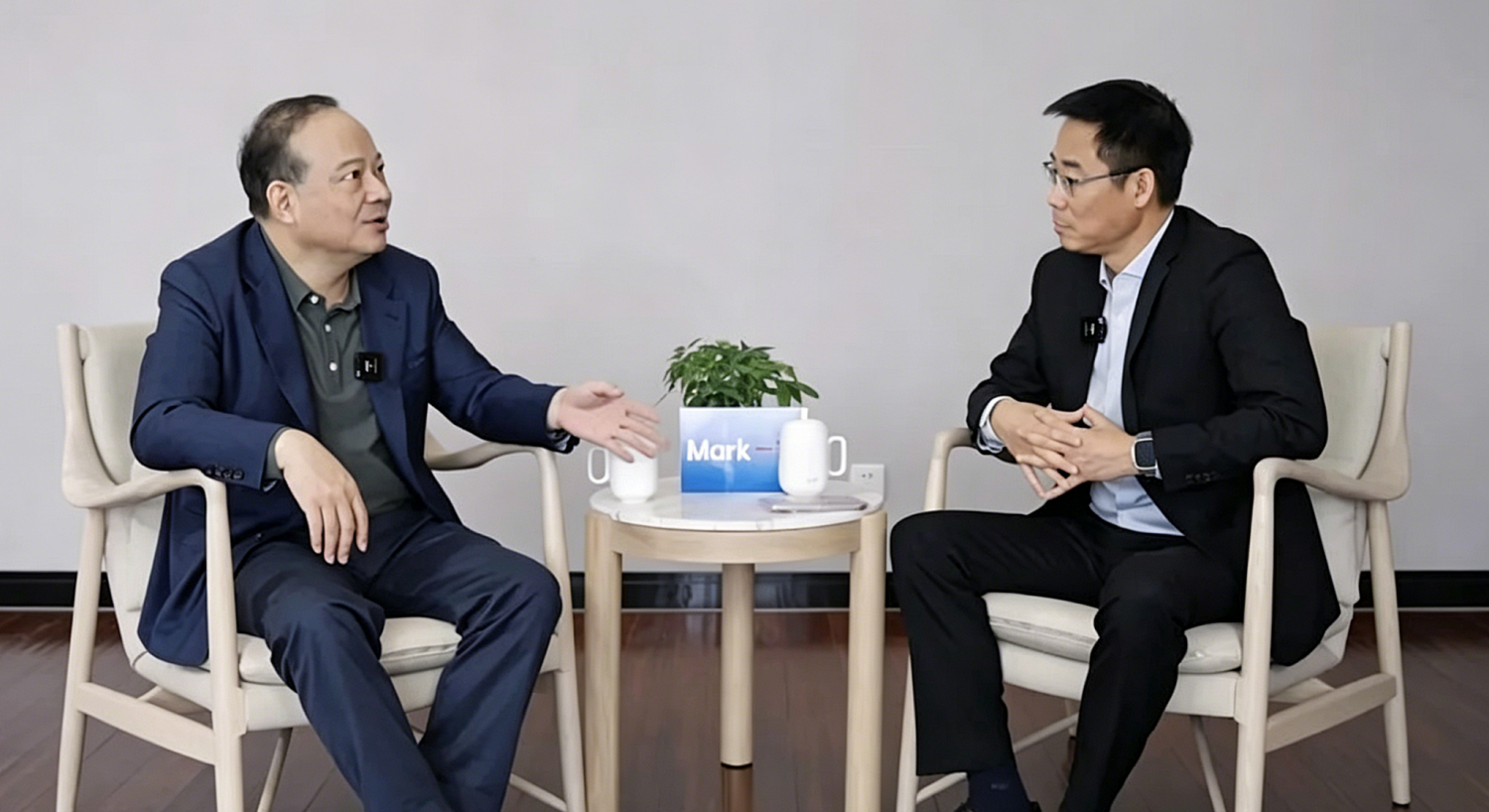



















CATL projects large-scale solid-state commercialization will remain unachieved before 2030. Credit: CNC Understand China EV’s Market Real-time notifications when critical EV data is released All important data in one place 2,000,000+ data points Become a member Contemporary Amperex Technology Co., Limited (CATL) has set the production threshold for large-scale commercialisation of solid-state batteries at 1 million vehicles, an industrial volume projected to remain unattainable before 2030. Speaking in an exclusive interview with Caijing Magazine, company chairman Dr Robin Zeng detailed the underlying manufacturing parameters. These engineering constraints restrict initial integration to premium automotive platforms targeting market segments above 250,000 yuan (36,920 USD). Current manufacturing volumes rely on conventional liquid-chemistry configurations to maintain industry delivery baselines. The leading manufacturer reached an installed capacity of 33.08 GWh in May 2026. This performance marks a clear sequential shift from the 29.06 GWh recorded in April 2026, according to China EV DataTracker. Interface Resistance and Technical Readiness According to corporate disclosures, all-solid-state chemistry currently sits at level four on the nine-point Technology Readiness Level scale. This ranking indicates that the architecture remains restricted to laboratory validation and prototype engineering phases. The primary manufacturing bottleneck stems directly from the solid-solid interface layer. Engineers utilise warm isostatic pressing at 6,000 atmospheres to bind the components. However, materials possessing different compaction densities face structural misalignments under high pressure. These anomalies increase internal resistance and accelerate active cell degradation. Consequently, these challenges prevent immediate deployment across high-volume vehicle segments. Dr Robin Zeng, Chairman of CATL, outlines technical parameters of solid-state interfaces during an interview. Market Installation and Multi-Chemistry Performance The existing manufacturing landscape relies heavily on proven liquid electrolyte platforms to fulfil market demand. Monthly distribution metrics show that lithium iron phosphate chemistry comprised 23.12 GWh of the installation volume in May 2026, while ternary lithium variants accounted for 9.96 GWh. This performance follows April 2026 metrics, in which iron phosphate reached 19.53 GWh and ternary options reached 9.53 GWh. Prior tracking from March 2026 recorded 18.11 GWh of iron phosphate and 7.60 GWh of ternary installations. A seasonal reduction in February 2026 dropped volumes to 9.10 GWh for iron phosphate and 3.84 GWh for ternary, following a January baseline of 13.26 GWh. To manage supply chain dependencies, suppliers are deploying alternative platforms, including a new sodium-ion battery design engineered to achieve extended cycle lifespans. Divergent Automotive Technology Roadmaps While tier-one suppliers focus capital on sulfide electrolyte research, localised vehicle development is shifting toward composite architectures. State-owned manufacturer Dongfeng Motor is advancing production plans for an oxide-polymer cell scheduled for integration in the second half of 2026. This proprietary pack achieves an energy density of 350 Wh/kg and supports a driving range exceeding 1,000 kilometres on a single charge. The structural optimisation drops total pack weight by 30% compared to conventional liquid lithium assemblies. Environmental Validation and Aerospace Expansion Extreme climate validation has verified that these composite architectures improve low-temperature performance by more than 10%. During winter trials conducted at -30 °C in Mohe, the Dongfeng eπ test vehicles retained over 74% of their nominal capacity. Meanwhile, specialised aerospace applications are testing high-density designs. Ehang successfully integrated a 480 Wh/kg lithium-metal solid-state battery from supplier Shenzhen Neox to power its pilotless vehicle flight across the Qiongzhou Strait. From an executive perspective, corporate strategy needs to balance these emerging lines with long-term sulfide research, which requires a cumulative investment of 10 billion yuan (1.476 billion USD). This funding model ensures liquid platforms remain the primary manufacturing ballast until solid architectures achieve complete cost parity.