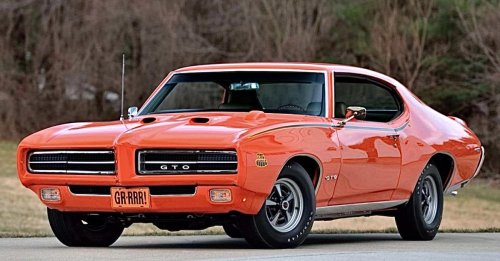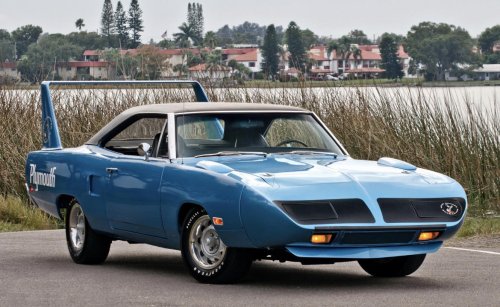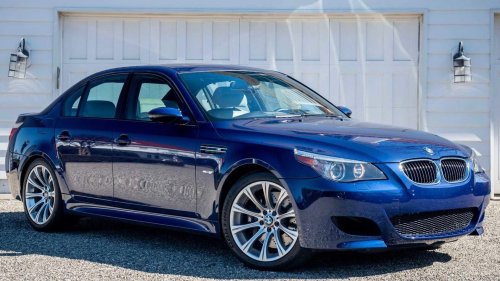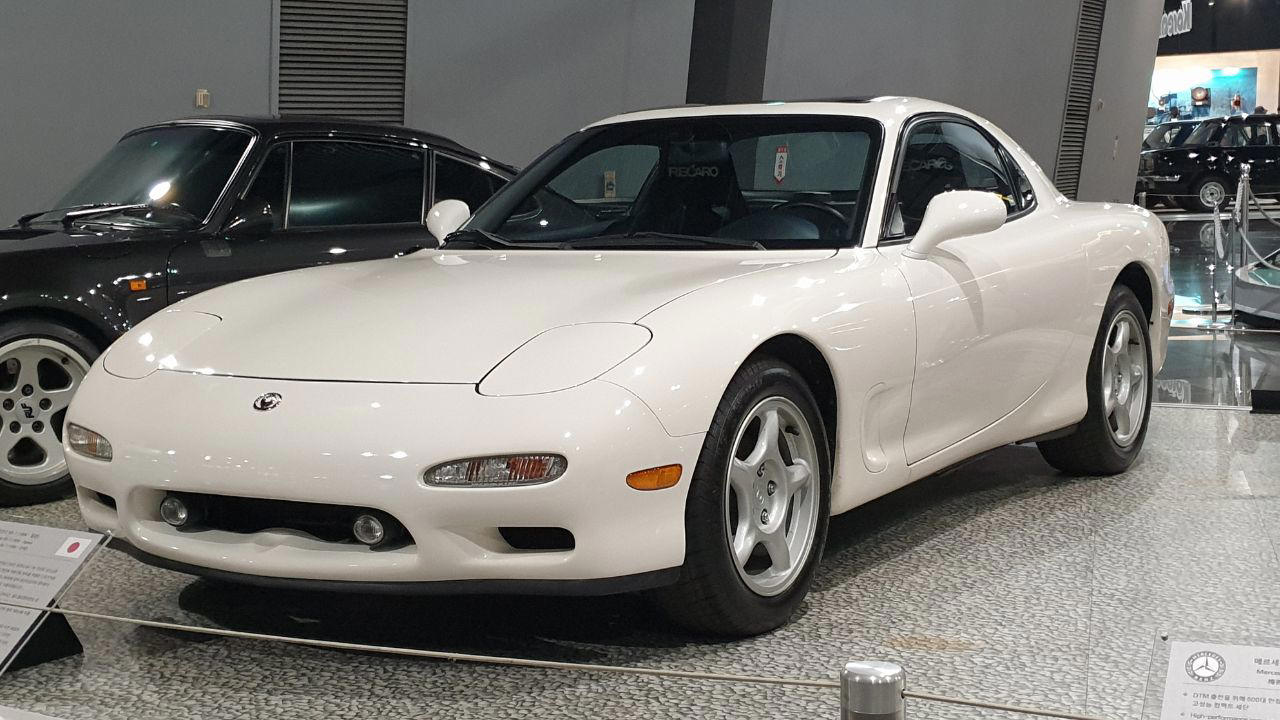






















Classic cars collectors overlooked before their values took offFor years, some of the most explosive gains in the collector-car world came not from poster icons, but from models that once sat ignored at the back of classifieds and auction catalogues. Sedans that were too ordinary, sports cars that seemed too new, and quirky imports that lacked prestige all traded for modest money before suddenly becoming the focus of bidding wars. The story of how these overlooked machines turned into blue-chip assets says as much about changing tastes and data-driven speculation as it does about sheet metal and horsepower. As values for blue-chip Ferraris and air-cooled 911s climbed out of reach, attention shifted to cars that had been hiding in plain sight. Once buyers started comparing production numbers, condition, and driving experience instead of just badges, a surprising group of “late bloomers” began to surge. How once-ignored models became surprise winners The modern classic boom did not start with the obvious halo cars. It grew from enthusiasts who wanted analog driving feel without six-figure price tags and were willing to look beyond the usual suspects. Guides that spotlighted “quiet buys” helped redirect attention toward cars like the Mazda RX-7 FD, BMW E39 5 Series, and early Audi TT, which combined distinctive styling with limited supply and strong enthusiast communities. Lists of quietly bought classics showed how these models were trading under the radar while offering performance and character comparable to far more expensive machinery. At the same time, market analysts began quantifying trends that owners had sensed anecdotally. Insurance data, auction results, and private-sale tracking revealed that certain cars were changing hands more often and at higher prices, even when they lacked the traditional markers of collectability. This was especially true for 1980s and 1990s performance cars, which had been dismissed as used cars for years. As more of these models aged into eligibility for classic policies and historic plates, they moved into a different mental category for buyers, and values followed. Generational turnover played a central role. Enthusiasts who grew up with Gran Turismo and tuner culture reached peak earning years and looked for the cars that had once been out of reach in high school. That meant Japanese performance icons, German sport sedans, and even some American oddballs that had been overshadowed by muscle cars from the 1960s. What older collectors saw as disposable, younger buyers perceived as aspirational and scarce. The search for usable classics was another major driver. Many of the sleepers that later spiked in value were comfortable, reliable, and easier to maintain than fragile exotics. Understated Mercedes and Lexus sedans, along with practical hot hatches, could be driven to work during the week and to cars-and-coffee events on weekends. Once buyers realized they could enjoy these cars without constant fear of catastrophic repair bills, demand increased, and with it, prices. The shift from bargains to blue chips Market guides that track “bull market” candidates captured this inflection point as once-affordable models crossed into serious-investment territory. Analysts highlighted cars such as the Acura Integra Type R, Porsche 944 Turbo, and early BMW M3 as examples that had moved from niche enthusiasm to broad collector interest. In recent bull market coverage, a range of 1980s and 1990s models were flagged as having become significantly more expensive, with buyers paying premiums for low-mileage, original-condition examples that had previously been overlooked as daily drivers. Reports on rising classic values describe how this shift has turned some former bargains into headline-grabbing auction results. Once a model appears in these lists, the effect can be self-reinforcing. Owners who had treated their cars casually suddenly recognize that they are sitting on appreciating assets. Maintenance improves, modifications slow, and more examples are preserved rather than scrapped. At the same time, speculators arrive, looking for the next big jump. The combination of shrinking supply and rising demand pushes prices further, often faster than the underlying enthusiast base would have done on its own. Yet not every once-ignored car turns into a sure thing. Market observers now distinguish between models with “rock solid” fundamentals and those that behave more like wild cards. Cars with stable demand tend to have strong historical significance, racing pedigree, or enduring cultural visibility. By contrast, some sudden spikes are tied to short-lived social media trends or nostalgia waves that may not last. Analysts who examine rock solid values emphasize that production numbers, parts availability, and long-term enthusiast support often matter more than a single record auction. Condition and originality have also become more critical as values climb. Many of the cars that were cheap ten or fifteen years ago were heavily modified, tracked, or neglected. Now, collectors pay substantial premiums for unmodified paint, factory interiors, and complete service histories. This has created a two-tier market where drivers can still find usable cars at relatively accessible prices, while pristine, low-mileage examples trade for multiples of those figures. Why these late-rising classics matter right now The surge in values for previously ignored models has reshaped the collector-car hierarchy. It has broadened what counts as a “classic” to include front-wheel-drive hot hatches, turbocharged four-cylinders, and even some early hybrids. That shift challenges the old assumption that only V8s and Italian exotics deserve serious attention. It also means that enthusiasts with different backgrounds and budgets can participate in the hobby as both drivers and investors. Financially, the revaluation of these cars has real consequences. Owners who bought an Integra Type R, E30 3 Series, or first-generation Miata as an inexpensive toy now find that they hold assets that can meaningfully affect household balance sheets. Some are tempted to cash out at auction, while others double down on preservation. The decision to drive or store a car becomes more complex when a weekend track day could erase a large portion of its value. For younger buyers, the new price structure cuts both ways. On one hand, it validates the cultural importance of the cars they grew up loving. On the other, it pushes some of those cars out of reach, repeating the pattern that earlier generations saw with 1960s muscle and early 911s. As values for the best examples soar, enthusiasts often turn to higher-mileage or less desirable trims, which can then start their own appreciation cycle once supply tightens. The shift also affects restoration and parts industries. When a once-cheap model starts commanding serious money, it suddenly makes economic sense to reproduce trim pieces, body panels, and interior components that had been discontinued. Specialist shops emerge to rebuild rotary engines, source rare electronic modules, or correct period modifications. That ecosystem, in turn, supports long-term collectability by making it easier to keep these cars on the road. Where the next overlooked classics may emerge The pattern that lifted yesterday’s sleepers offers clues about what might follow. Cars that combine limited production, strong driving dynamics, and a passionate but still-small fan base are prime candidates. Early performance versions of mainstream models, such as sport packages and homologation specials, often fit this description. So do niche variants like wagon-bodied performance cars or high-spec diesels that were sold in small numbers. Another likely source of future appreciation lies in cars that bridge major technological transitions. First-generation performance hybrids, early high-output turbo engines, and initial runs of advanced safety systems mark turning points in automotive history. As collectors become more interested in the story of how the industry moved from analog to digital, these transitional models may gain status beyond their current used-car pricing. However, the experience with earlier sleepers also suggests caution. Not every underpriced model is destined for a breakout, and chasing the next big thing purely for profit can backfire. Cars that rose sustainably tended to have genuine enthusiast followings, strong driving appeal, and a clear place in automotive history long before prices spiked. By contrast, models that climbed on hype alone often struggled to maintain momentum once the novelty faded or once maintenance realities surfaced. More from Fast Lane Only Unboxing the WWII Jeep in a Crate 15 rare Chevys collectors are quietly buying 10 underrated V8s still worth hunting down Police notice this before you even roll window down *Research for this article included AI assistance, with all final content reviewed by human editors