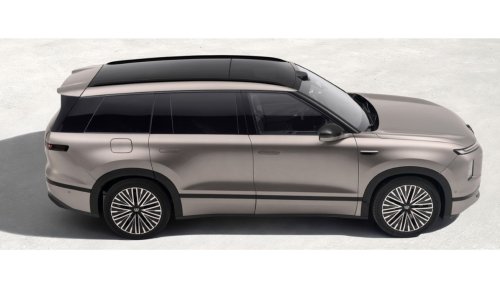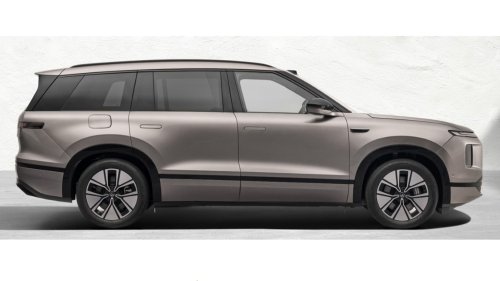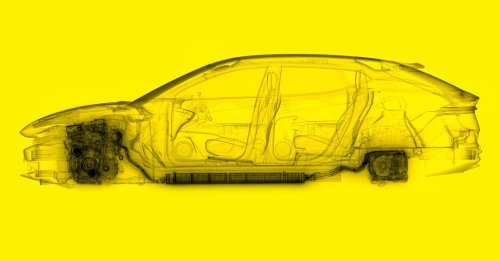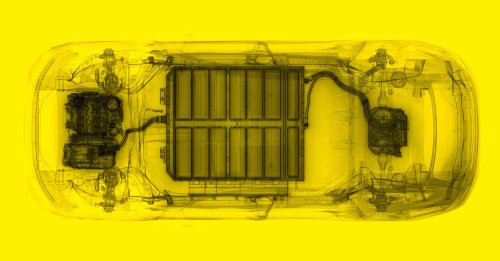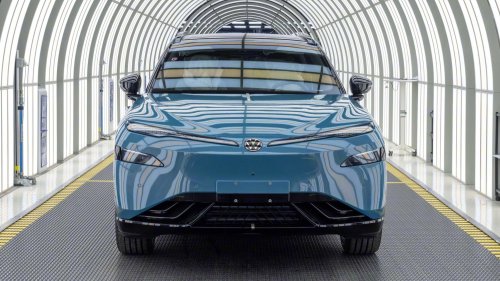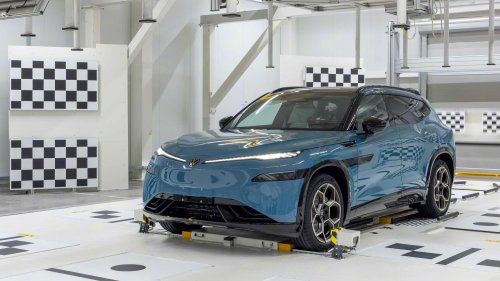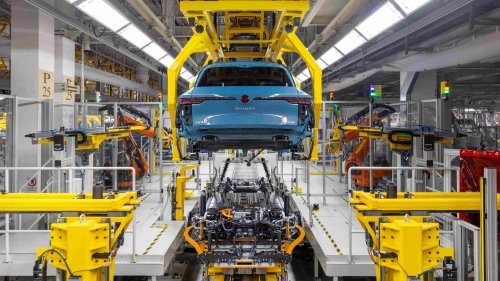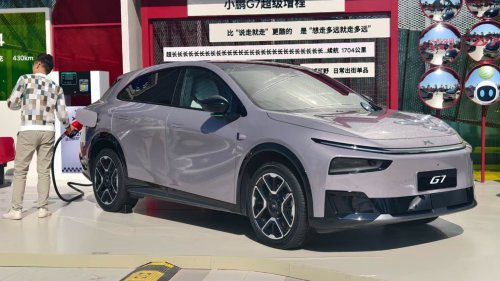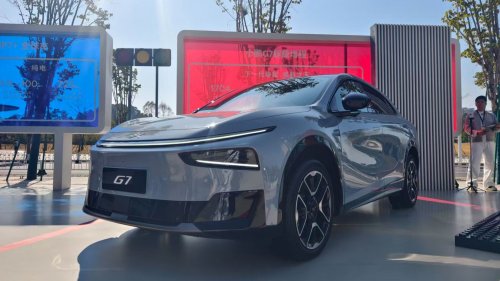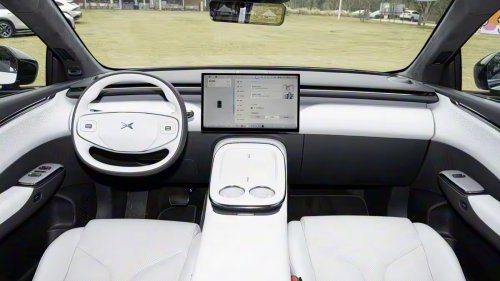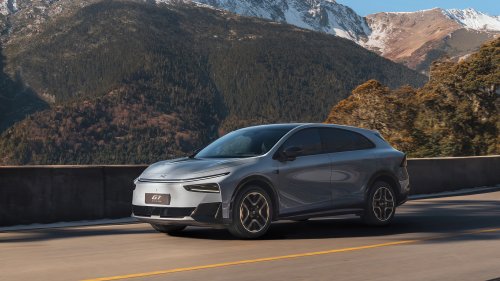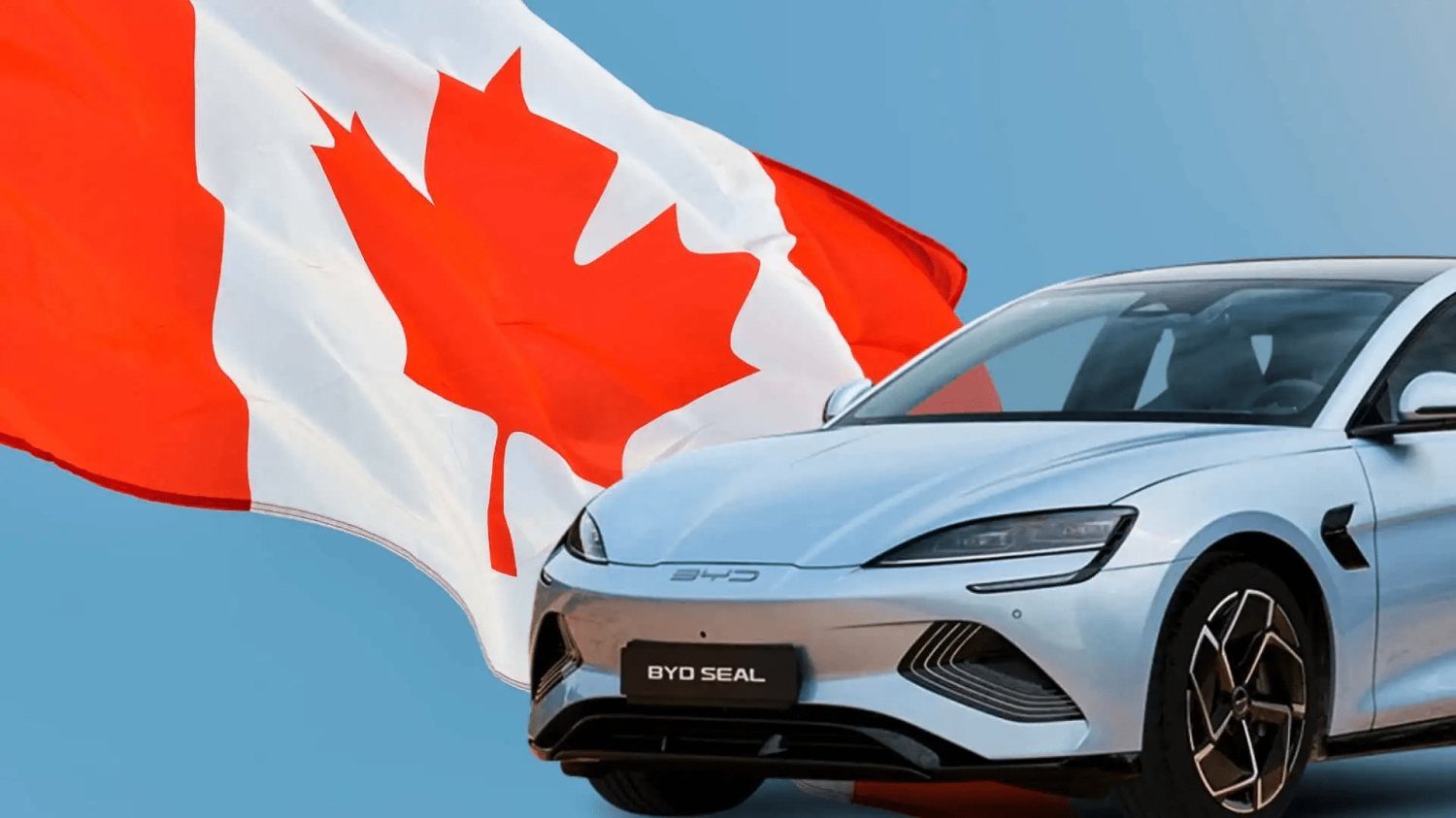
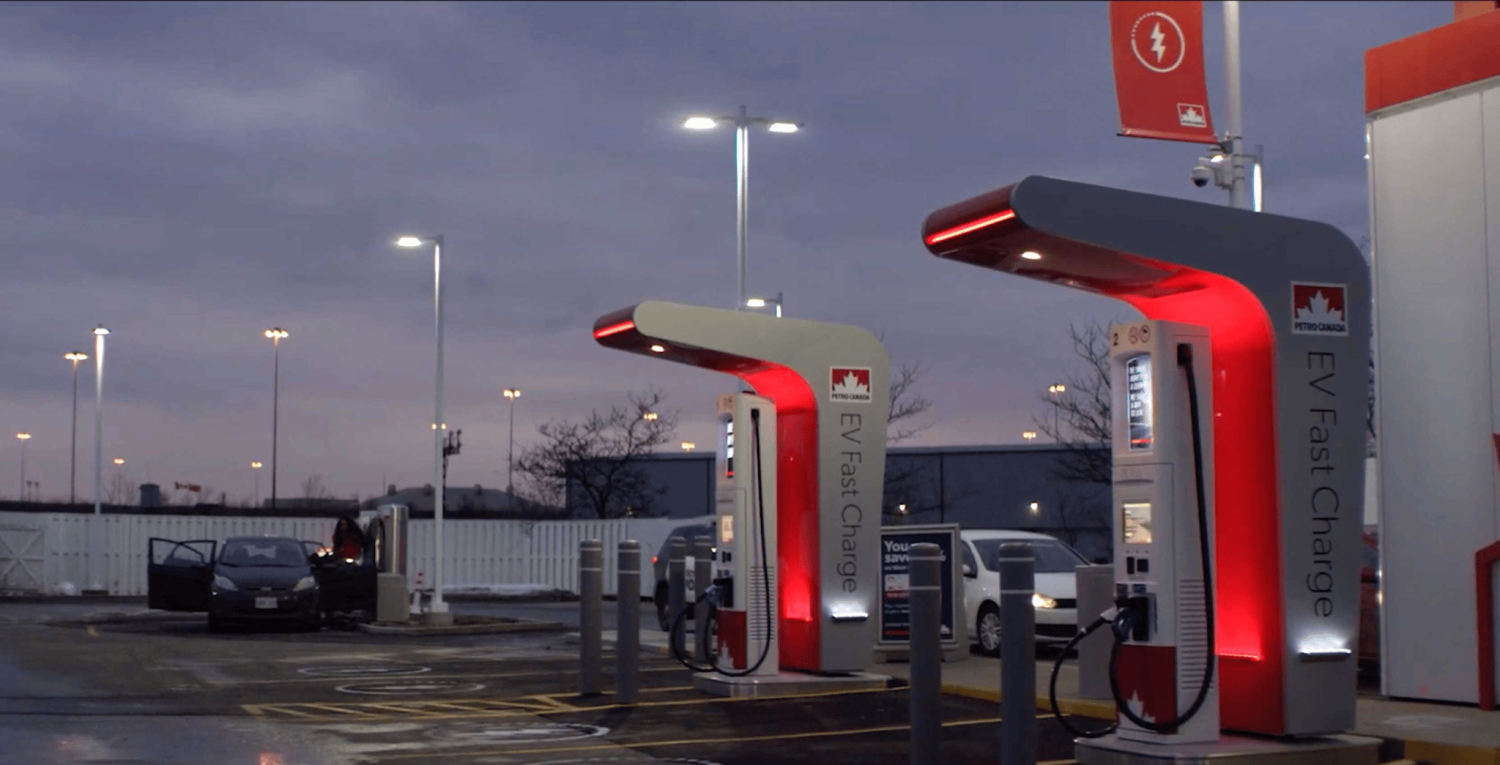
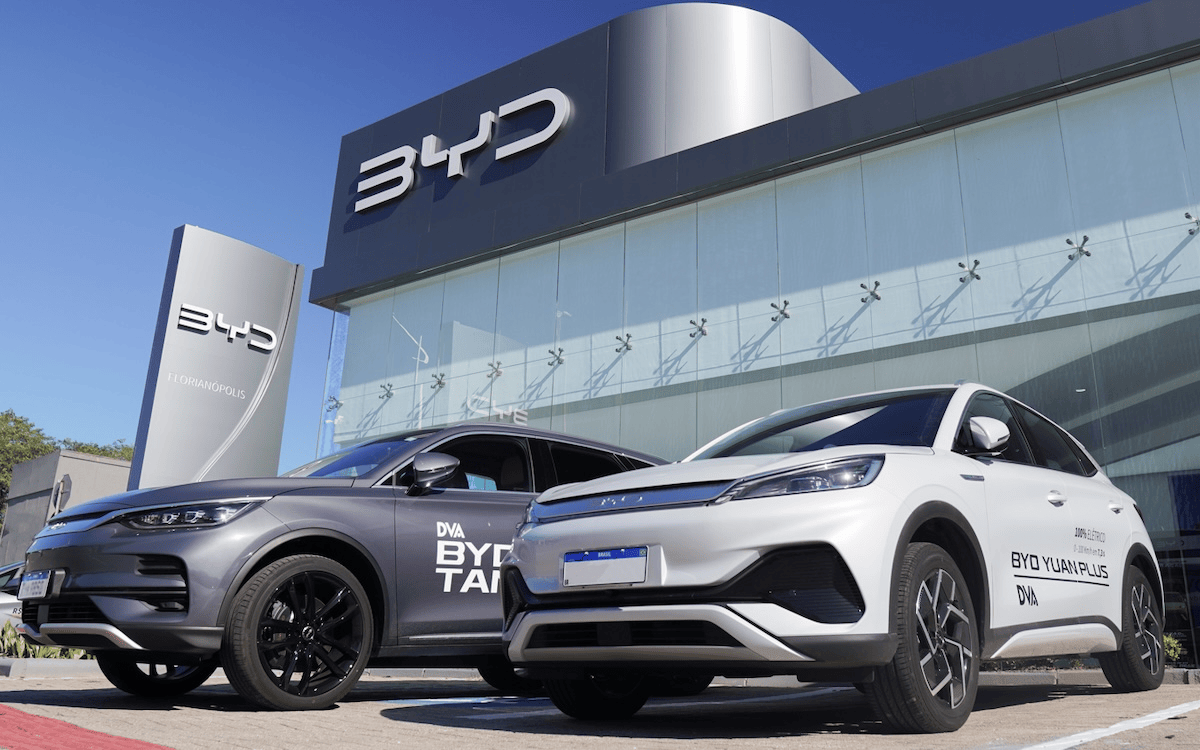



















The Canadian government expects that within five years, over 50% of electric vehicles imported from China will be affordable models priced below $35,000. On February 5th, Canadian Prime Minister Mark Carney announced a comprehensive new strategy aimed at revitalizing the nation’s electric vehicle industry. The most notable aspect of this strategy is the cooperation plan with China. Carney explicitly stated that the recently reached electric vehicle cooperation agreement with China would be utilized to promote large-scale investment in this sector. The new strategy from the Carney administration encompasses multiple measures, with the most direct being the reinstatement of the vehicle purchase subsidy program. Under this initiative, known as the “EV Affordability Program,” consumers purchasing or leasing pure electric vehicles can receive subsidies of up to 5,000 Canadian dollars, while subsidies for plug-in hybrid vehicles are 2,500 Canadian dollars. This program will last for five years, with a total budget of 2.3 billion Canadian dollars. Regarding infrastructure, the government has committed to investing 1.5 billion Canadian dollars to expand the national electric vehicle charging network. Additionally, corporate income tax reductions will be provided for manufacturers of zero-emission technologies to encourage investment in clean technology and electric vehicles. Secondly, the new strategy emphasizes attracting Chinese electric vehicle manufacturers to invest and build factories locally in Canada through joint venture cooperation models. The Canadian government anticipates that within three years, this agreement will drive large-scale Chinese investment into Canada’s automotive industry, creating new automotive manufacturing jobs. Within five years, over 50% of electric vehicles imported from China will be economical models priced below 35,000 Canadian dollars. It is worth mentioning that back in August 2024, Canada followed the United States’ lead by imposing an additional 100% tariff on electric vehicles imported from China. This move swiftly cut off the path for Chinese electric vehicles to enter the Canadian market. Data shows that in the third quarter of 2025, electric vehicle sales in Canada had plummeted to just 9% of new car sales, far from the 18% share at the end of 2024. However, in January 2026, just a year and a half later, Canada announced it would eliminate the 100% punitive tariff and stated it would allow up to 49,000 Chinese-made electric vehicles to enter the Canadian market annually at a 6.1% tariff. This quota will gradually increase to 70,000 vehicles over five years. This cooperative strategy will also represent further collaboration between China and Canada in the electric vehicle sector. Currently, BYD has gained a clear first-mover advantage in terms of market access. Transport Canada has approved four BYD models for entry into the local market, including the Seagull, with a pre-sale price of only 22,000 – 25,000 Canadian dollars, and the globally popular Atto 3 (Yuan PLUS). Besides BYD, the Model Y produced at Tesla’s Shanghai factory and the Lotus Eletre have also been approved for entry. Although brands such as NIO, XPeng, and Li Auto are also actively applying for quotas, their ability to achieve large-scale market entry in the short term is limited. This is because Transport Canada suspended acceptance of new passenger vehicle Appendix G applications in 2025. Unless they choose to set up factories directly in Canada, their entry will remain challenging.