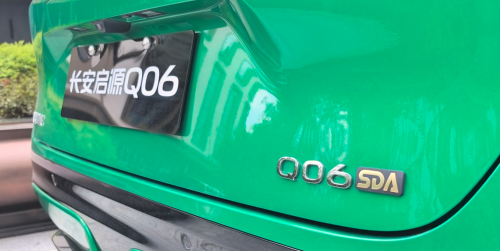
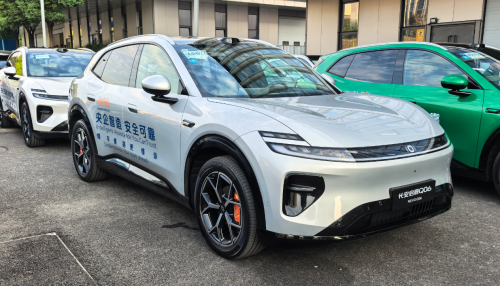
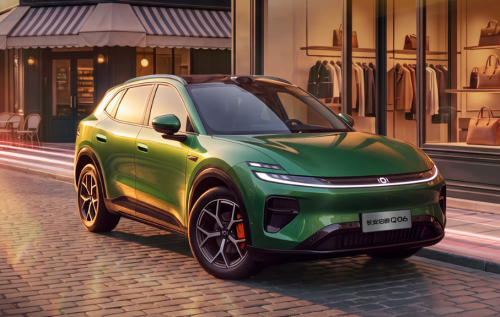
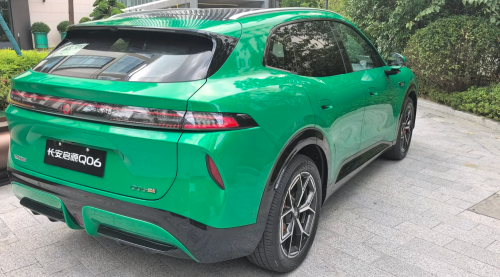
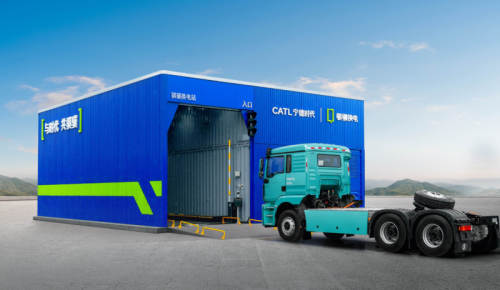
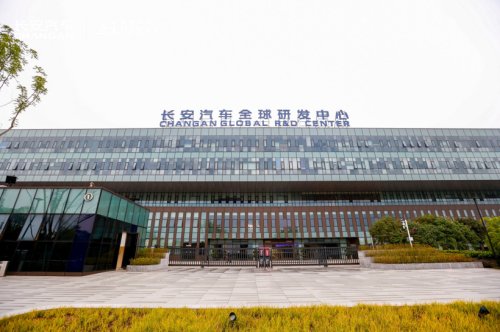
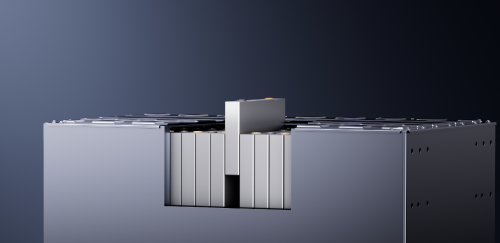
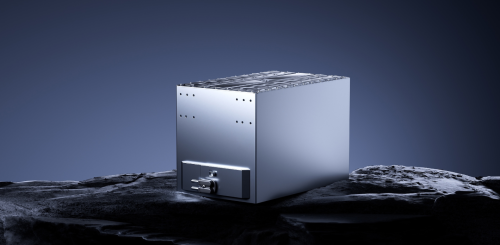
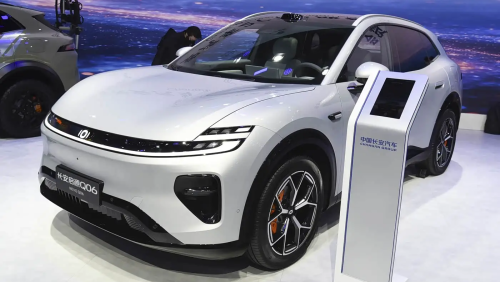
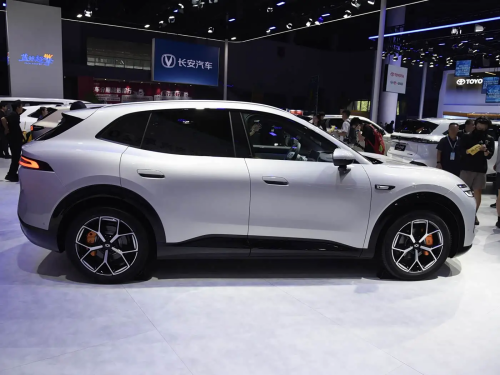
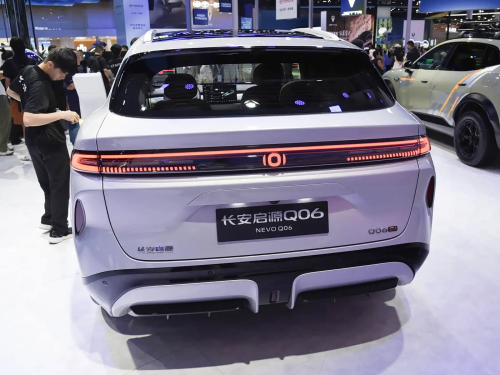
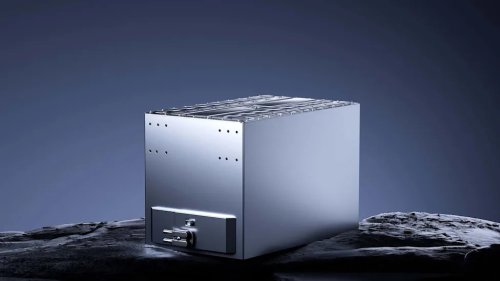
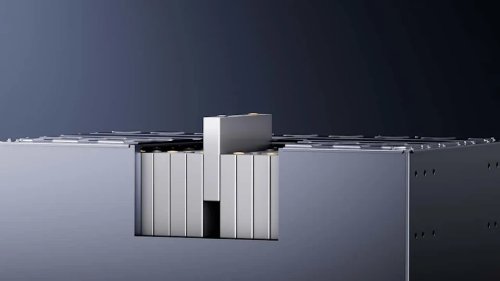
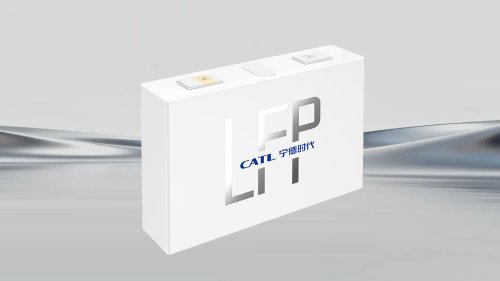
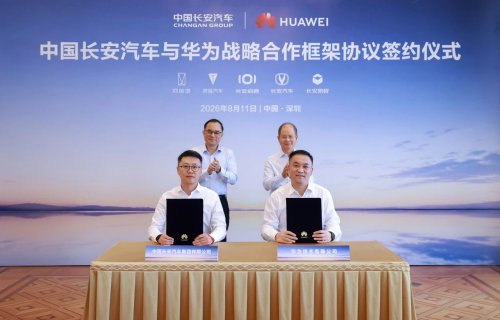
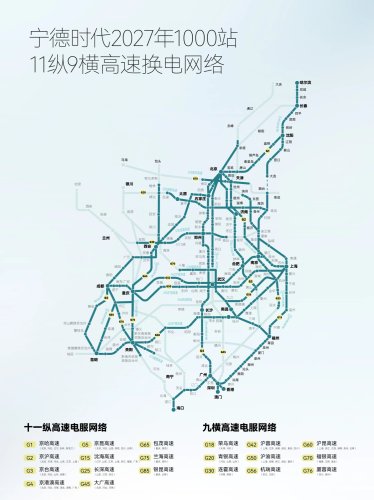
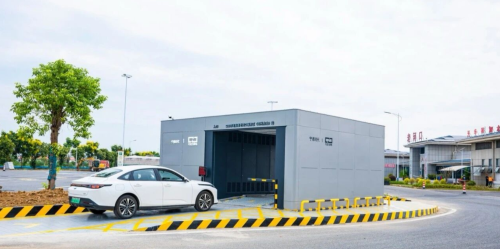
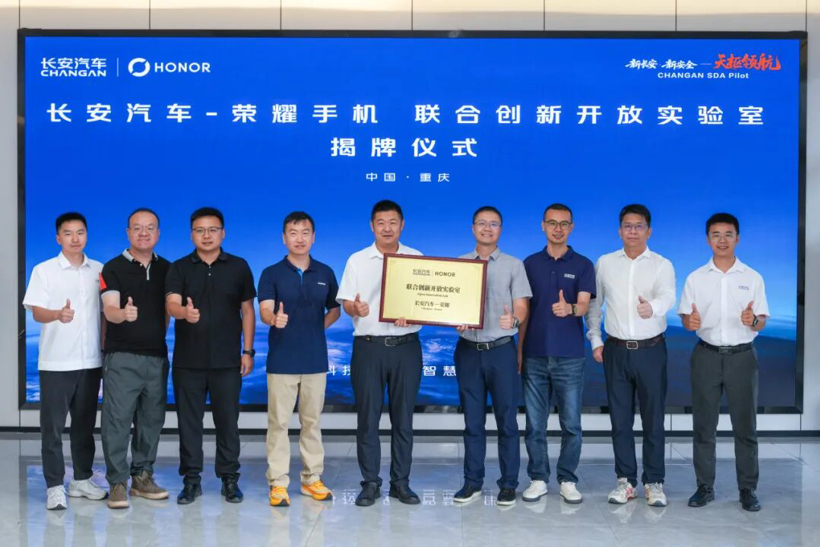
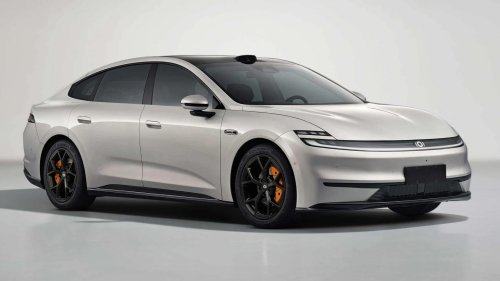
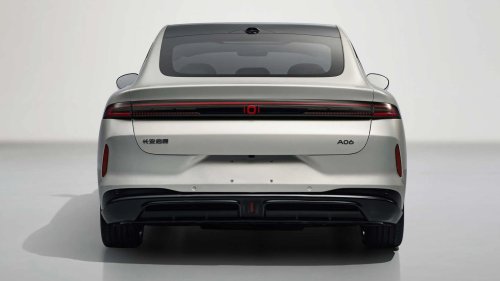
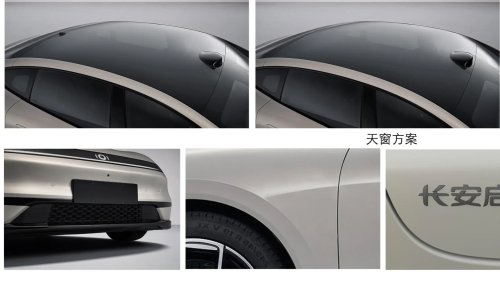
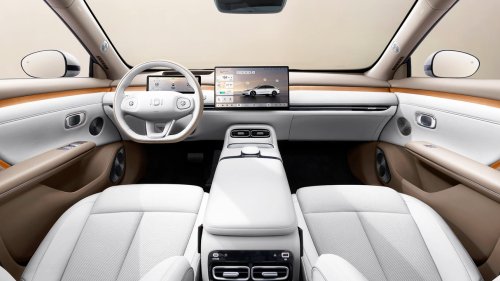
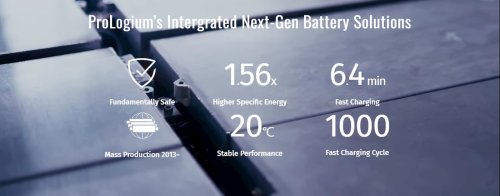
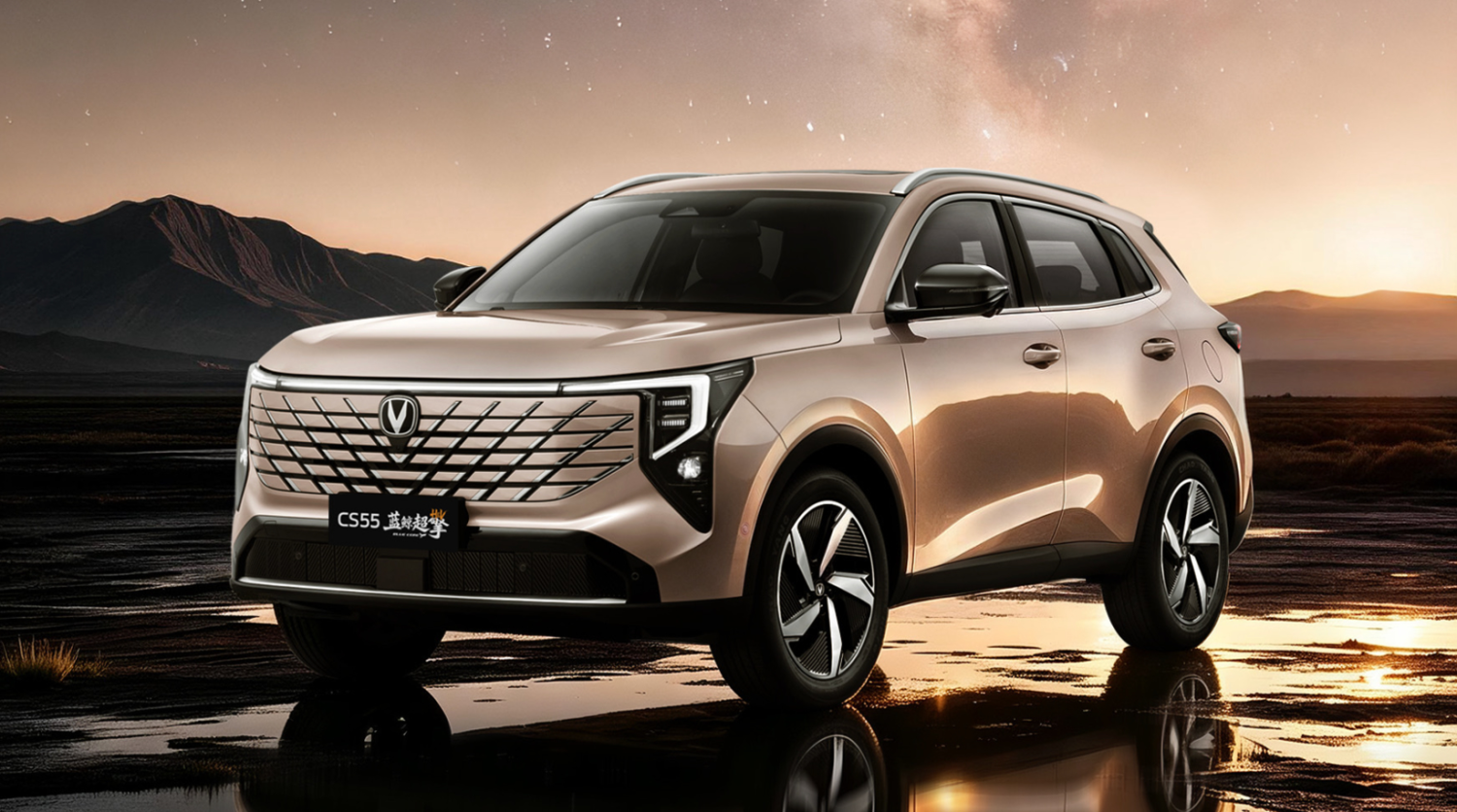
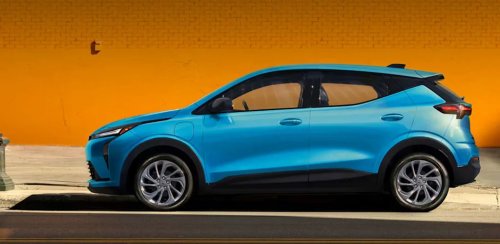
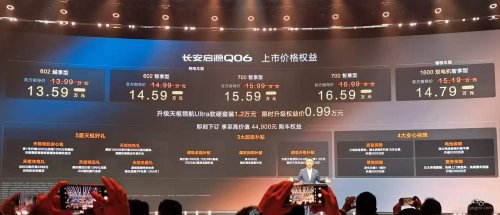
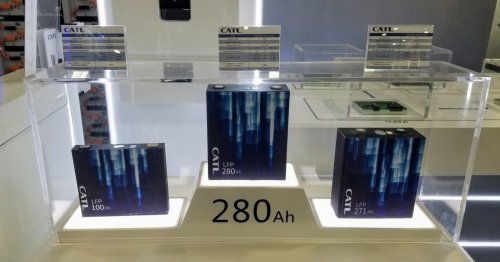
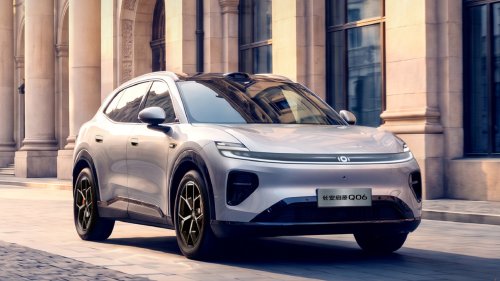
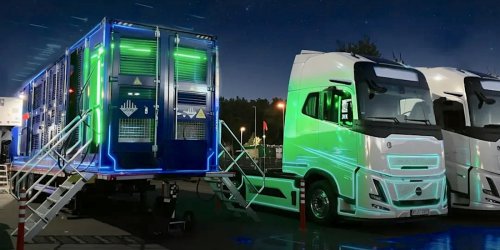
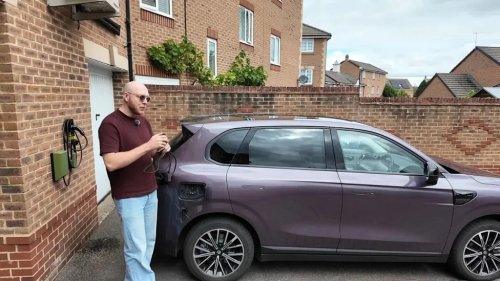
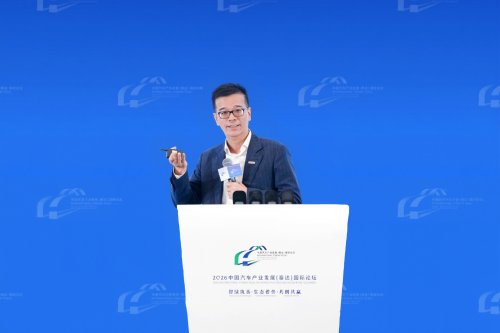
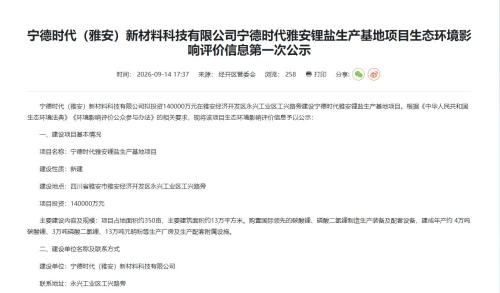
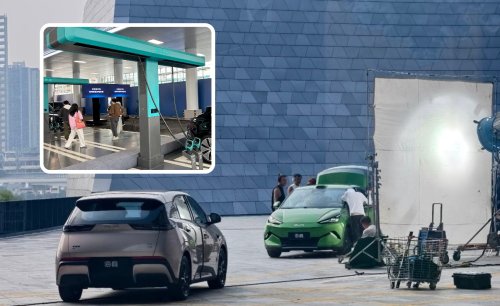
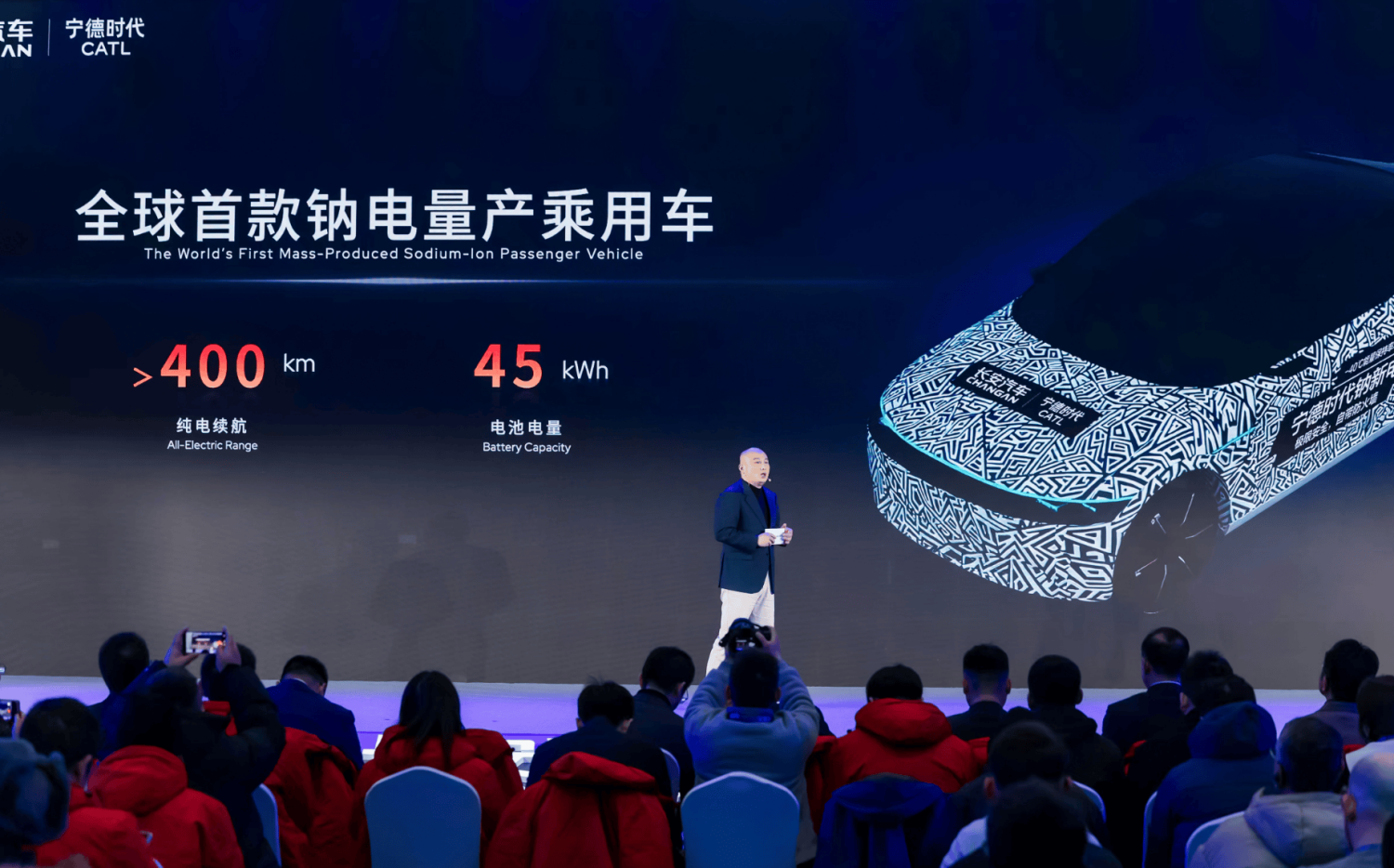
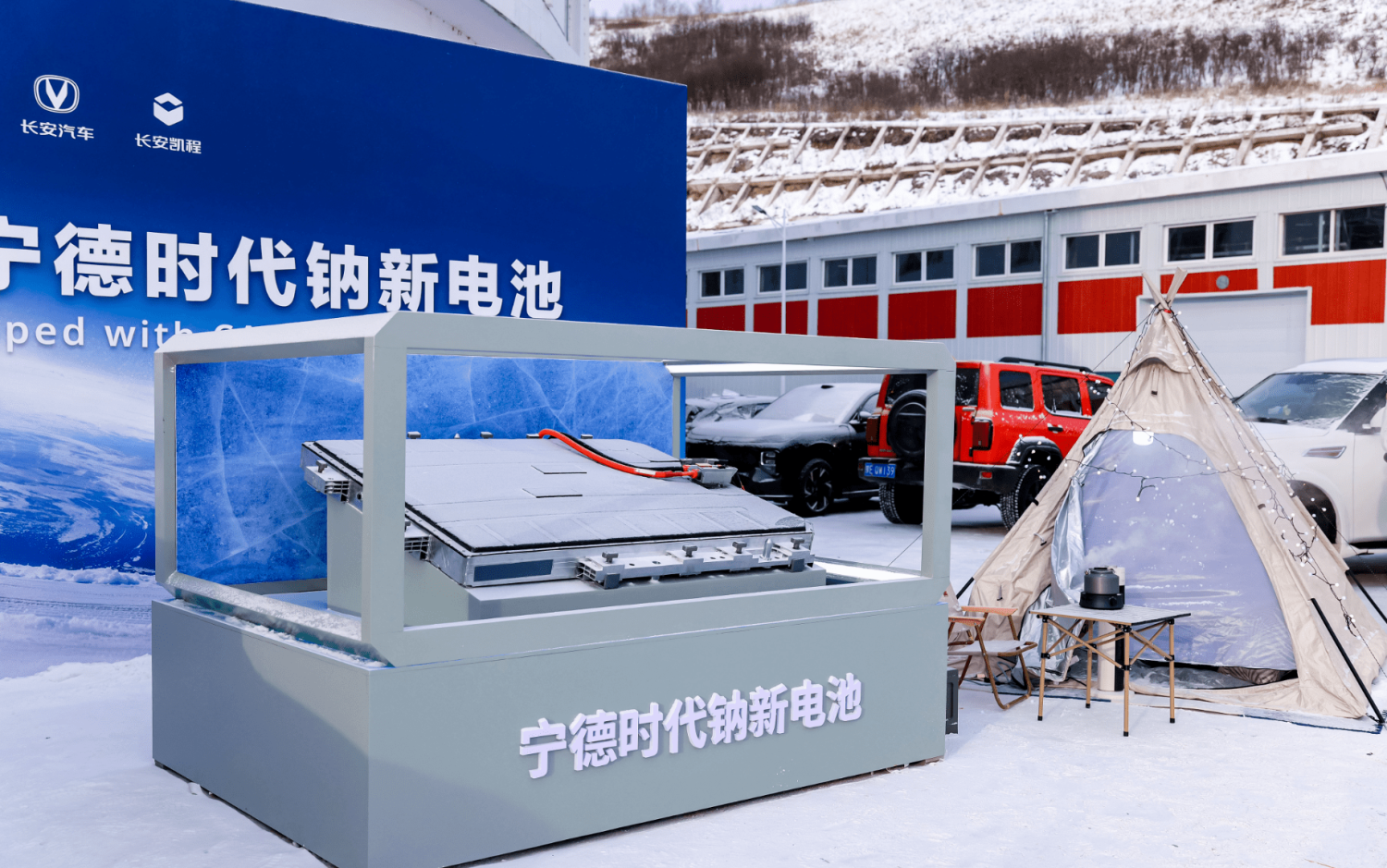
The Starting Point Research Institute predicts that by 2030, the market size for automotive sodium-ion batteries alone is expected to exceed 410 GWh. Today, Changan Automobile, in collaboration with CATL, officially announced its global sodium-ion battery strategy. According to the plan, Changan’s first passenger car equipped with a sodium-ion battery is expected to hit the market in mid-2026. Furthermore, several of its brands, including Avatr, Deepal, Qiyuan, and Oshan, will incorporate CATL’s Naxtra batteries in the future. The collaboration between Changan Automobile and CATL represents a deep integration extending from technology to ecosystem development. According to official information, CATL’s Naxtra battery, paired with its third-generation CTP (Cell to Pack) system technology, can achieve a pure electric range of over 400 km. The cell’s high energy density can reach 175 Wh/kg, nearing the level of lithium iron phosphate (LFP) batteries. Furthermore, vehicles equipped with this Naxtra battery demonstrate nearly three times higher discharge power at -30°C compared to conventional lithium iron phosphate models with equivalent battery capacity. They maintain a capacity retention rate of over 90% in extreme cold of -40°C, and can even achieve stable discharge under the harsh condition of -50°C. CATL stated that with the rapid development of the sodium-ion battery industry chain in the future, the pure electric range can be upgraded to 500 km or even 600 km, and the range for extended-range hybrid vehicles can exceed 300 km or even 400 km. This would cover over 50% of the range requirements in the new energy vehicle market. Currently, the world’s first mass-produced sodium-ion battery passenger car has completed winter calibration tests in Yakeshi. Key indicators such as range, low-temperature performance, safety, and discharge performance meet user requirements. CATL will also provide comprehensive support for this strategy, spanning from battery cells to the recharging network. It is reported that CATL plans to build over 3,000 “Chocolate” battery swap stations in more than 140 cities across China in 2026, establishing an ultra-fast energy replenishment ecosystem compatible with Naxtra battery vehicles. The rise of sodium-ion batteries is not intended to replace lithium-ion batteries but to form a complementary landscape with them. Lithium-ion batteries will continue to dominate the high-end passenger car market, which demands extreme energy density and range. Sodium-ion batteries, leveraging their advantages in cost, safety, and low-temperature performance, will unlock their potential in areas such as large-scale energy storage, micro-electric vehicles, commercial battery-swap models, and special vehicles for extremely cold regions. Industry development trends indicate that sodium-ion batteries are entering a period of accelerated growth. Data from the Starting Point Research Institute shows that the global shipment volume of sodium-ion batteries reached 9 GWh in 2025, a year-on-year increase of 150%. By 2030, the market size for automotive-use sodium-ion batteries alone is expected to exceed 410 GWh.



















 +17 others