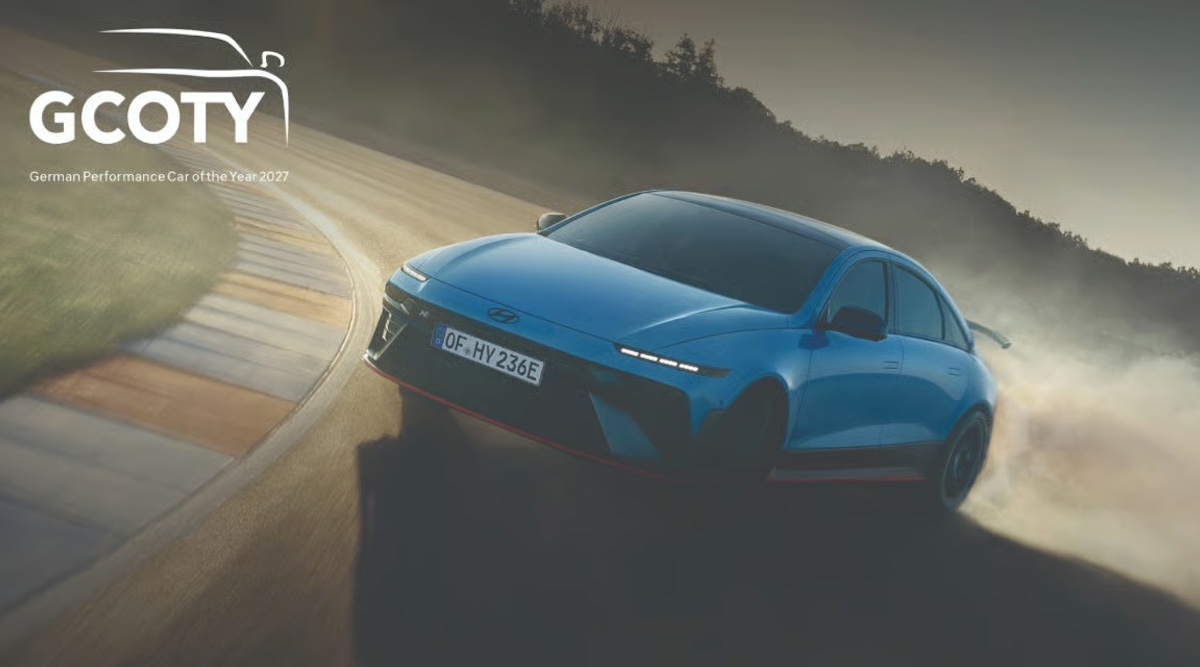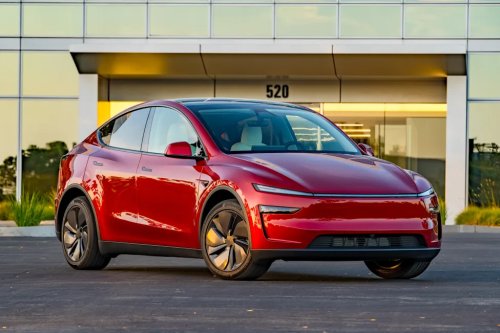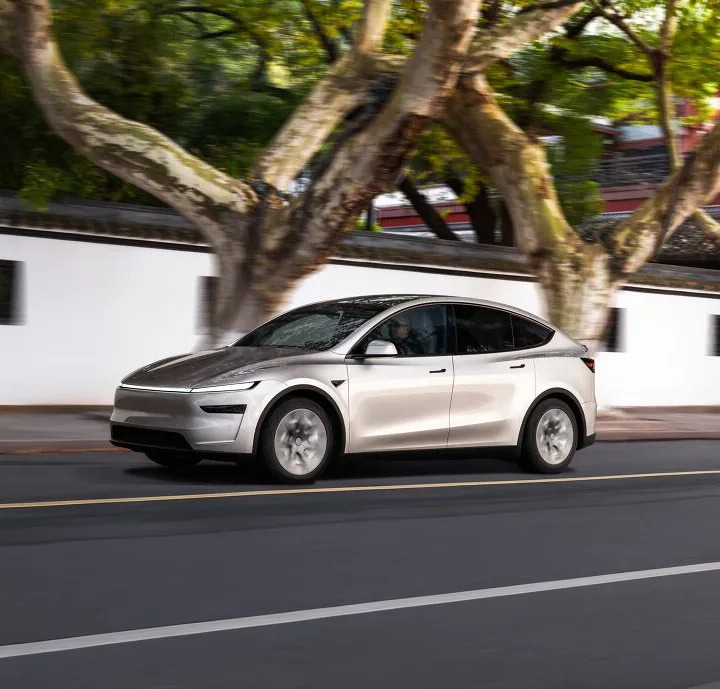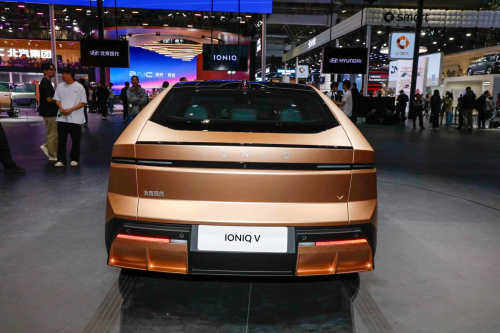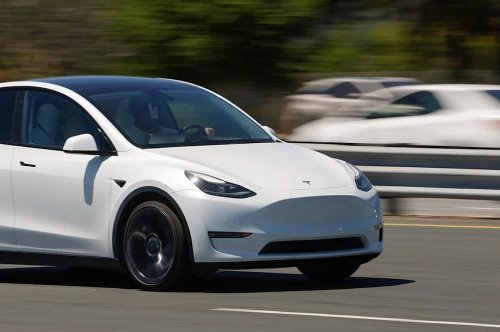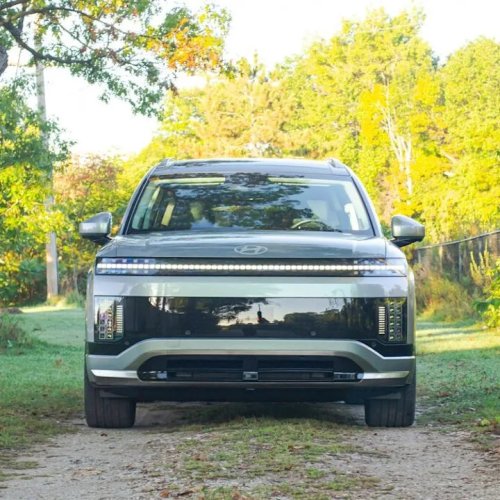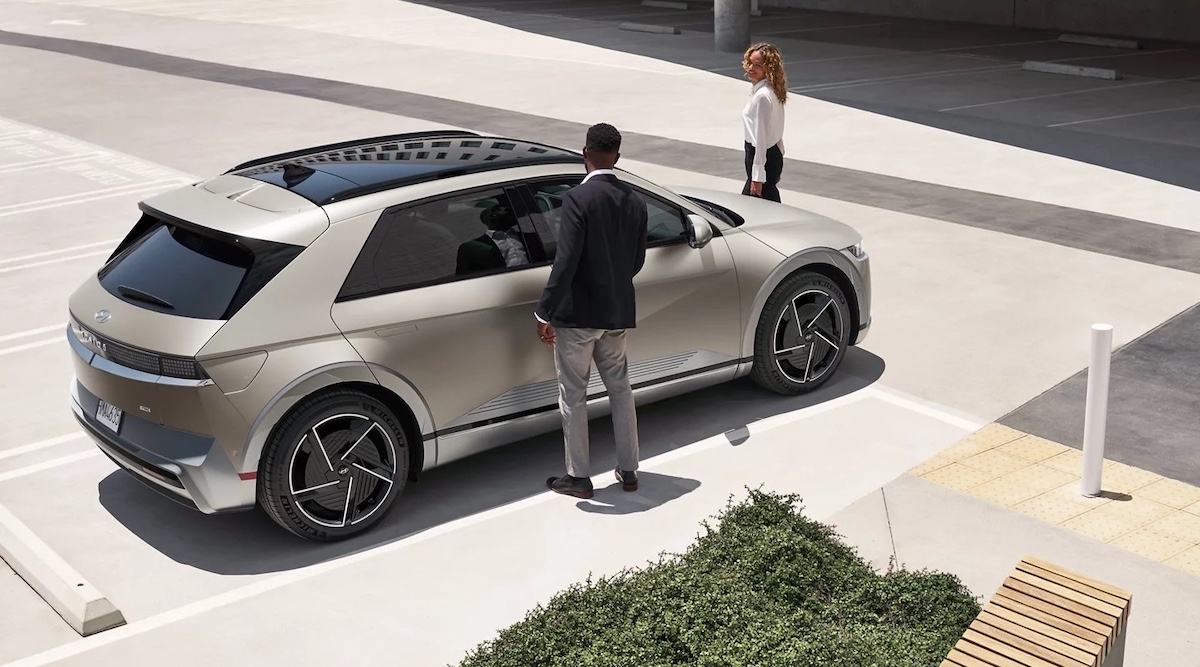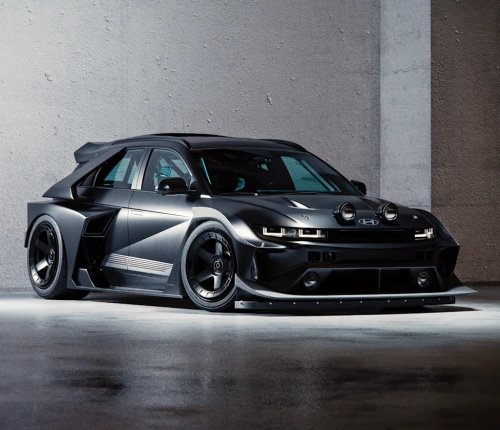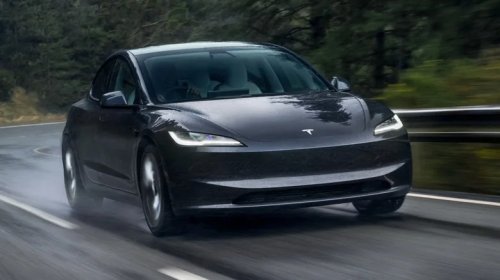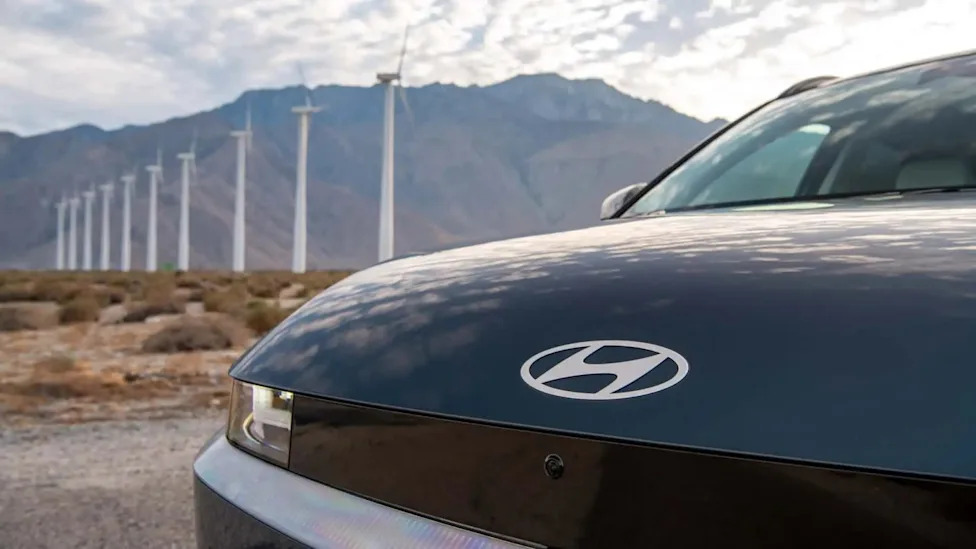



















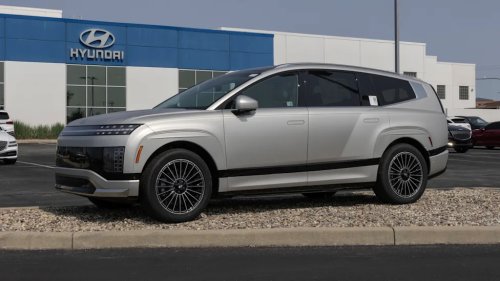

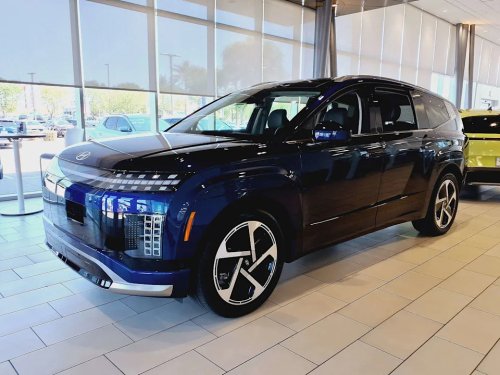
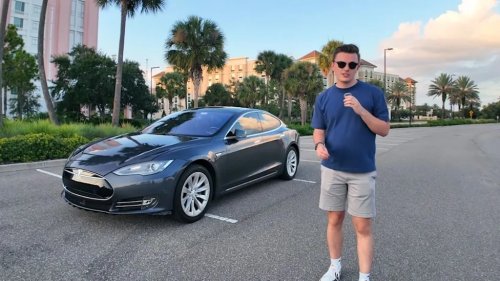

Image: HyundaiAt 150,000 kilometers, the average Tesla Model Y has lost nearly 10% of its original battery capacity. The Hyundai Ioniq 5? Around 7%. That gap — quiet, unglamorous, invisible on a test drive — is exactly what Austrian battery diagnostics firm Aviloo spent four years quantifying.Their Certified EV Battery Report draws from over 500,000 independent tests across 20 models from 2022 to 2026. It's the largest dataset of its kind, and it has direct consequences for what you buy, what you pay, and what your car is worth in five years. Buyers weighing gas vs electric will find total cost of ownership looks very different once battery degradation enters the equation.The Numbers: Why Battery Health Beats Horsepower When Buying UsedHyundai leads at every mileage milestone — and the margins are meaningful.AdvertisementAdvertisementState of Health (SoH) is simply the percentage of original battery capacity remaining. The Ioniq 5 (72.6 kWh) posts a median SoH of:97.2% at 50,000 kmroughly 95% at 100,000 km92.8% at 150,000 kmThe Mercedes-Benz EQA edges it at the highest mileage mark — posting around 93.97% — but Hyundai leads every earlier benchmark. At highway speeds, those percentage points aren't abstract. They're the difference between arriving comfortable and arriving anxious.Tesla's numbers are fine. They're just not Hyundai's numbers. The Model Y records a median SoH of approximately 90.3% at 150,000 km; the Model 3 sits at roughly 88.94%. Both cars still function well, but the gap with Hyundai holds consistently across mileage bands — not a fluke of one data point. At the bottom of the table: the Nissan Leaf ZE1 at 86.67%, Renault Zoe at 87.33%, and Mini Cooper SE at 87.11%, with smaller packs showing greater relative capacity loss.AdvertisementAdvertisement"Averages hide a lot," Aviloo CEO Marcus Berger told InsideEVs — and that's the sentence worth carrying into every used EV lot.Same Mileage, Different Battery: The Used EV Gamble Nobody Talks AboutTwo identical-looking used EVs can deliver completely different range — and you won't know without an independent test.Here's where it gets uncomfortable. For the Tesla Model Y at 150,000 km, 99% of vehicles in Aviloo's dataset fall between 82.9% and 94.9% SoH — a 12-percentage-point spread. The BMW i4 runs 87.5% to 96.9% across the same interval. Same badge, same odometer: one delivers near-original range, the other quietly falls short on every longer trip.The car's own battery readout won't tell you this.AdvertisementAdvertisementTrusting a used EV's built-in SoH display is like checking a restaurant's Yelp page that only the owner can edit. Aviloo measures independently, using its Flash and Premium tests to physically assess the pack. These factors all drive degradation — and they affect two otherwise identical cars very differently:Fast-charging frequencySustained high charge levelsClimate exposureBattery chemistryOne caveat worth noting: Aviloo tests vehicles whose owners request checks, which introduces possible selection bias. The raw data also isn't publicly available for independent verification. The broader finding still holds up, though — most EVs in this study retain 90% or more of original capacity at 150,000 km. The "EV batteries die fast" narrative doesn't survive contact with 500,000 data points. But given the spread between individual cars, an independent battery test before buying isn't optional. It's the new Carfax.