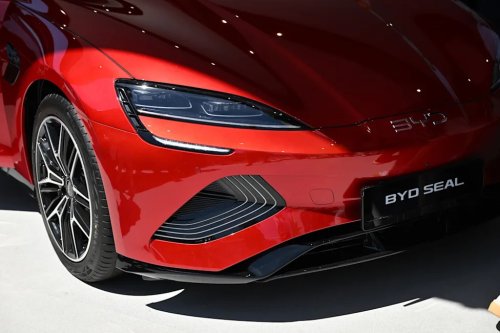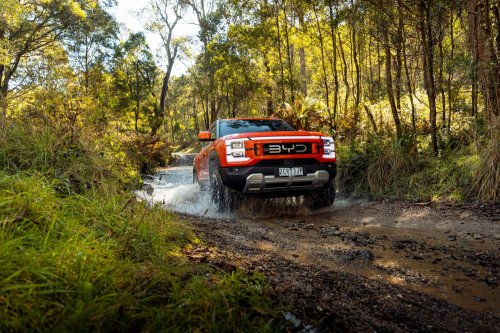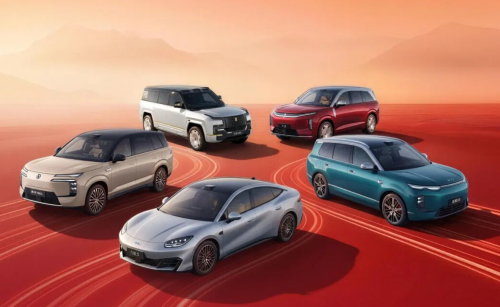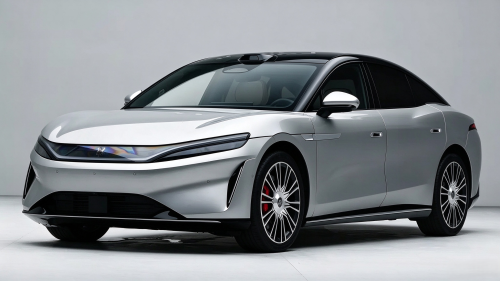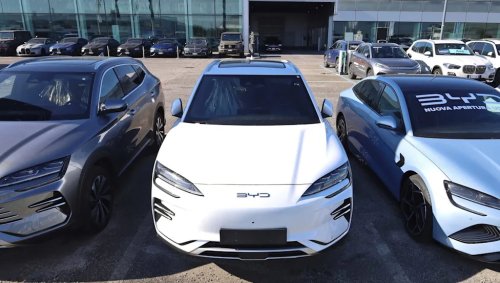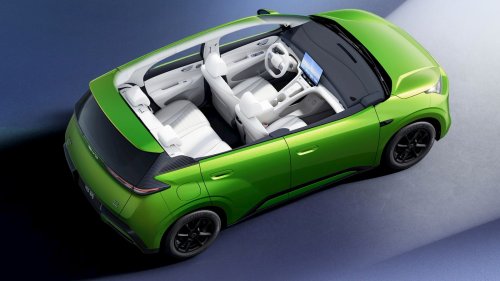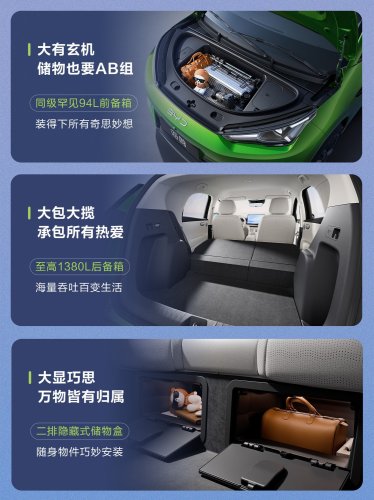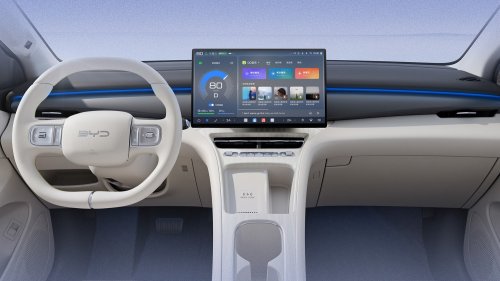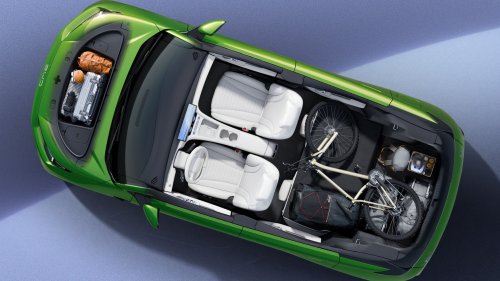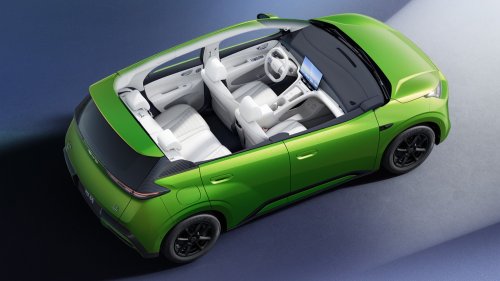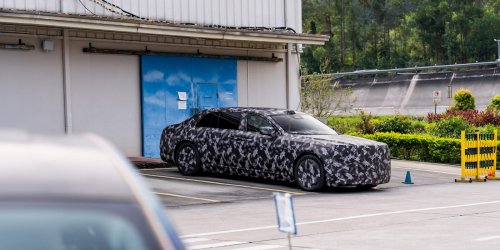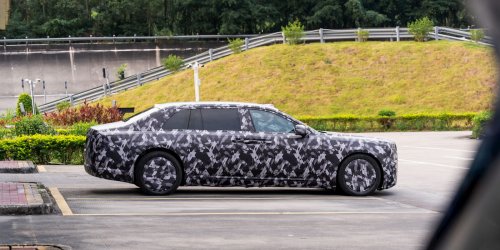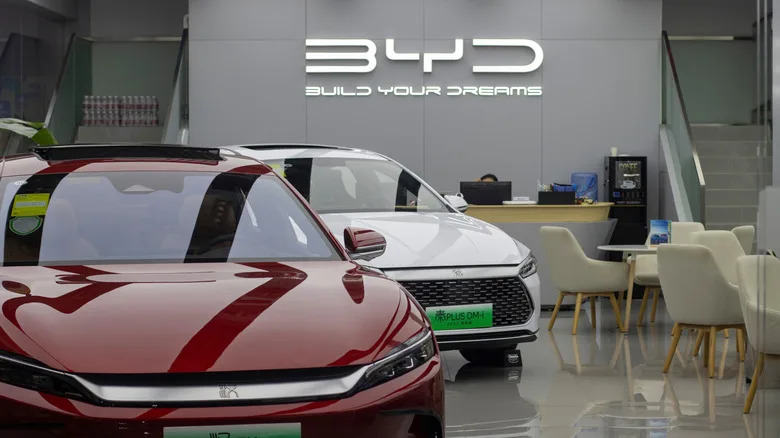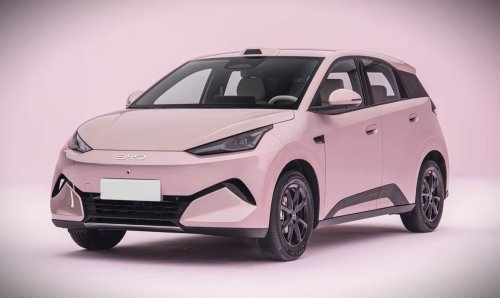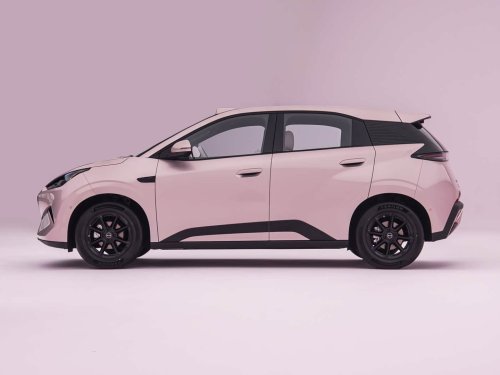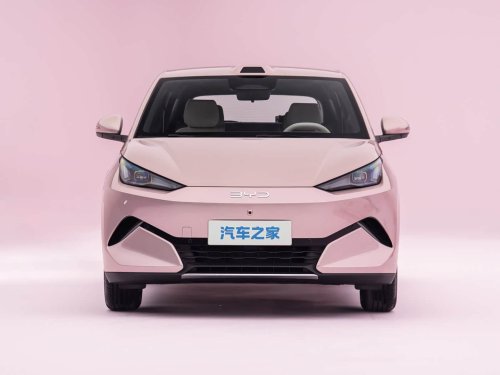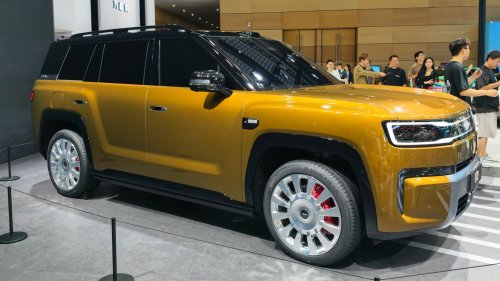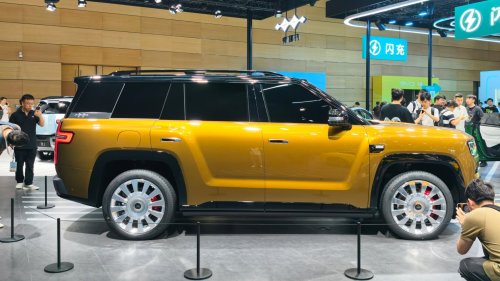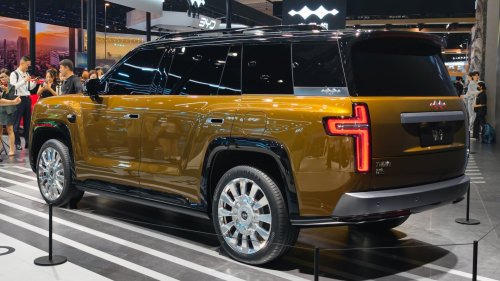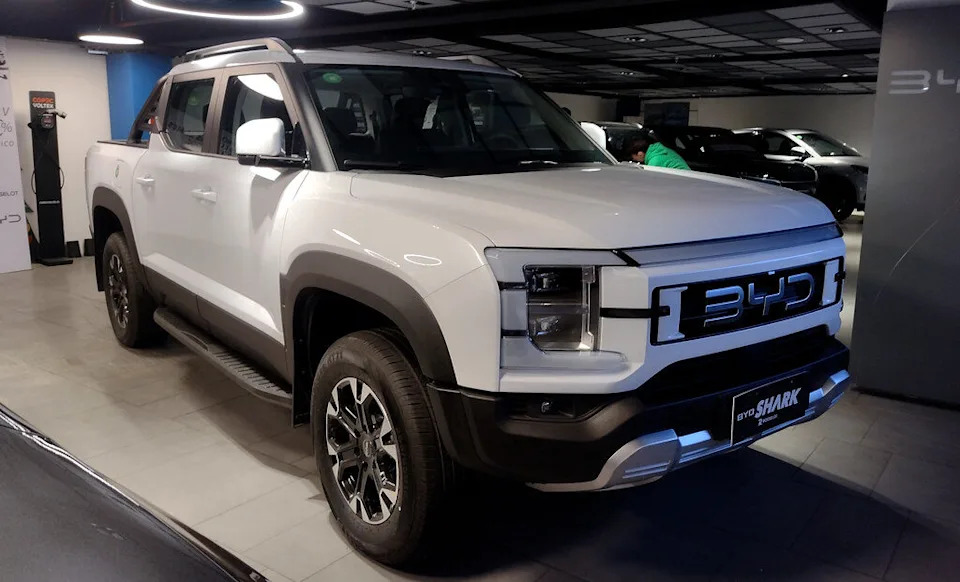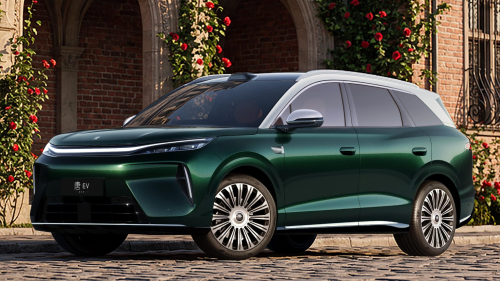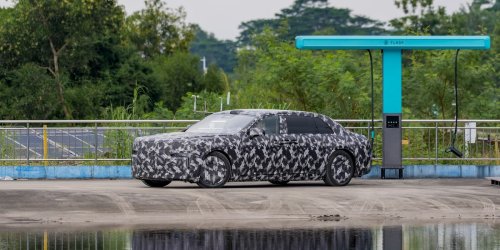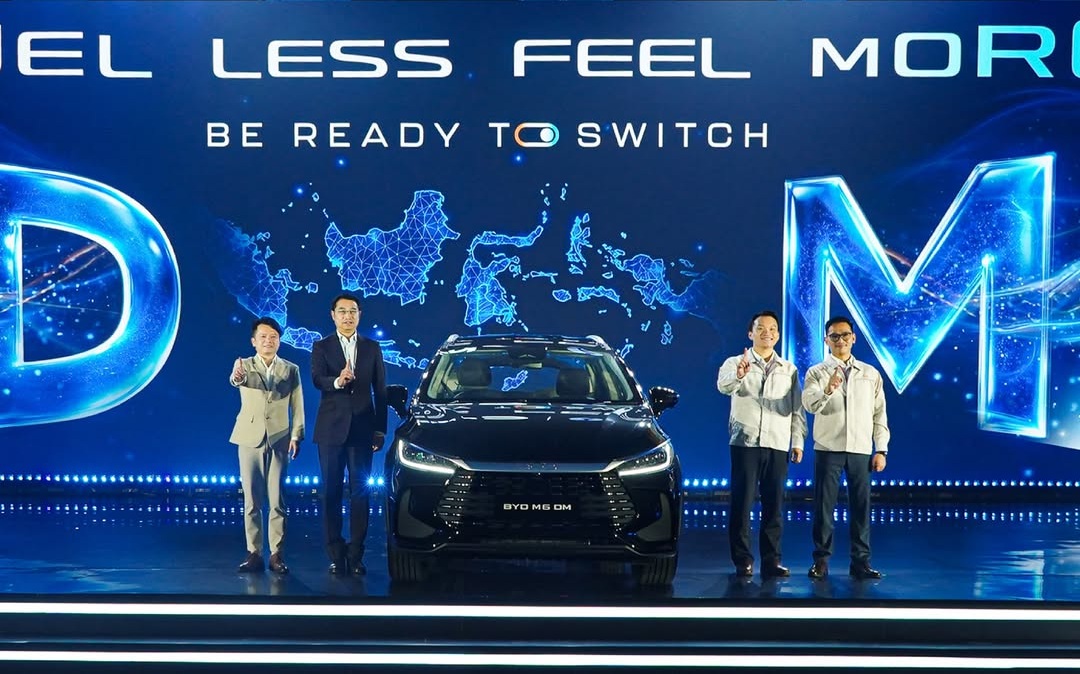
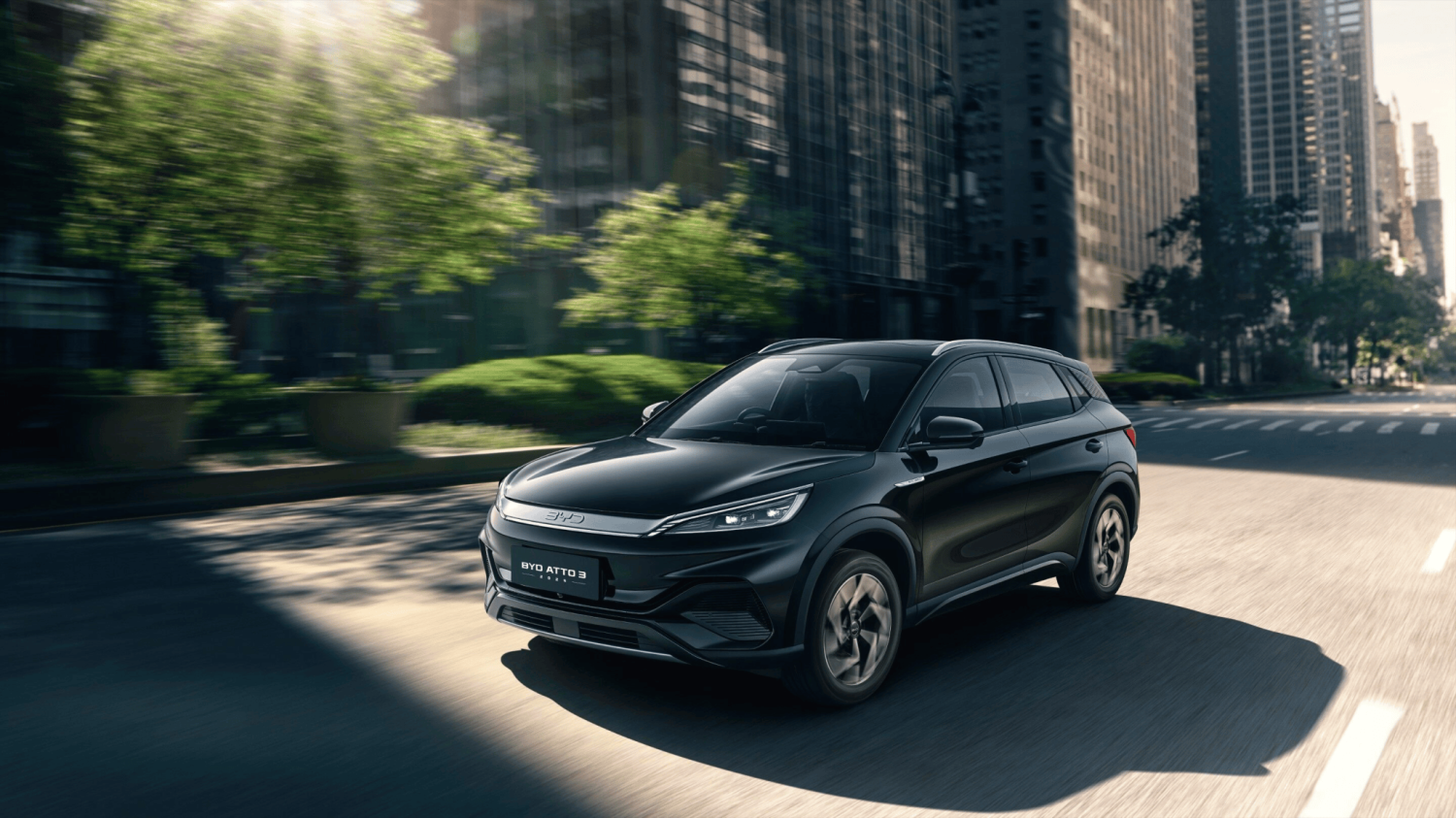
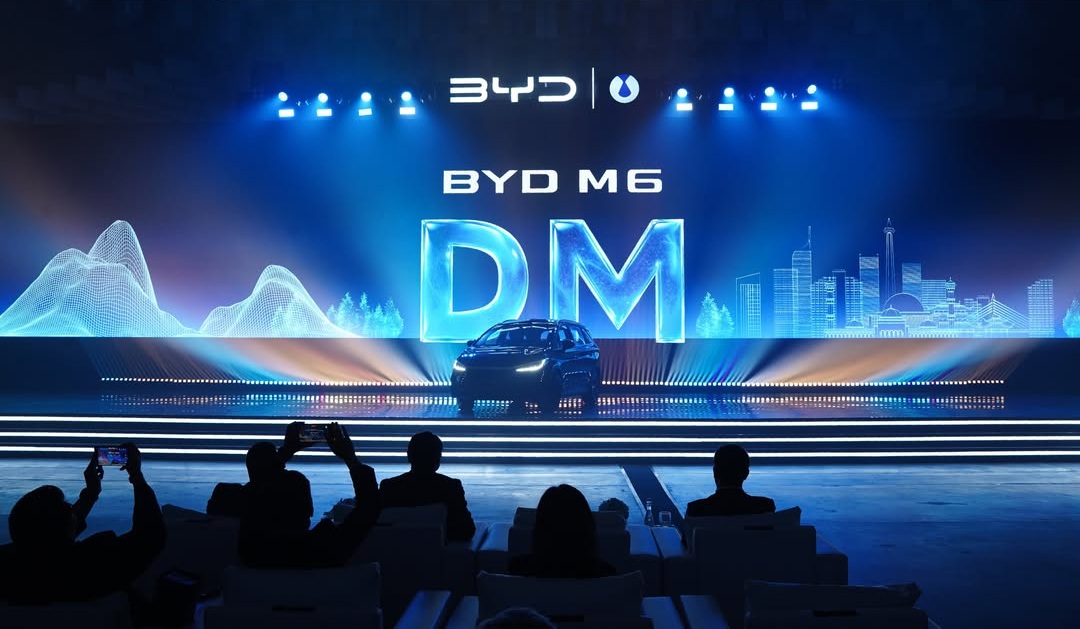



















BYD has officially launched its dual mode (DM) technology in Indonesia. This marks a strategic shift in its Southeast Asian expansion from a pure battery-electric focus toward a dual-track approach combining BEVs and PHEVs. The first model equipped with the DM system is the M6 DM Cross, which has not yet been launched in the Chinese market. BYD Launches DM Tech in Indonesia Over the past two years, BYD primarily entered Southeast Asian markets through battery-electric products including the Dolphin, ATTO 3 and Seal. However, as consumer demand in the region becomes increasingly diversified, relying solely on pure EVs has become less effective in covering all usage scenarios. In archipelagic countries such as Indonesia, where charging-network coverage remains limited, plug-in hybrid vehicles are becoming more acceptable to local consumers. BYD Atto 3 BYD’s DM technology can be traced back to 2008. Following multiple generations of development, the latest DM 5.0 system has become one of the company’s core hybrid technologies. According to official data, the latest-generation DM 5.0 system can deliver fuel consumption as low as 2.9 liters per 100 kilometers under battery-depleted conditions, while combined range with a full tank and full charge can reach up to 2,100 kilometers. Liu Xueliang, Vice President of BYD Group, said the company has consistently adhered to a parallel EV and PHEV strategy, aiming to meet varying market demands through a more comprehensive technology portfolio, including in Indonesia. BYD DM Tech Launch Event At the same time, Indonesia’s new energy vehicle penetration rate has been rising rapidly. Local EV penetration has climbed from less than 1% in 2022 to around 20% in the first quarter of 2026. BYD entered Indonesia’s passenger vehicle market relatively recently. Since officially launching local passenger car operations in January 2024, around 90,000 BYD new energy vehicles have been put into use in Indonesia. Data showed that as of April 2026, cumulative sales of BYD and Denza models in Indonesia had approached 20,000 units, up around 53% year-on-year and accounting for approximately 40% of the country’s EV market.