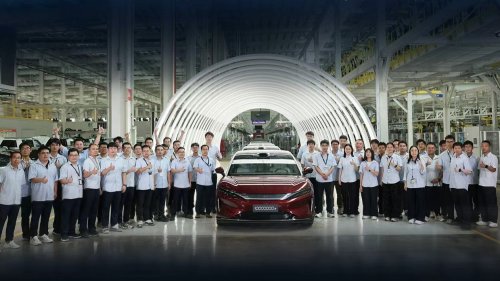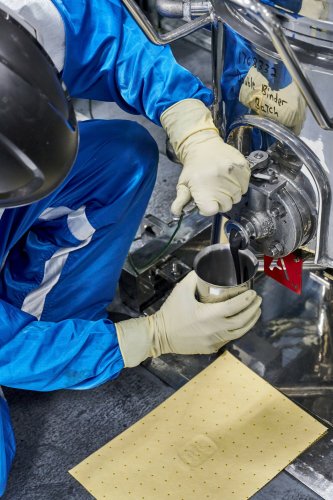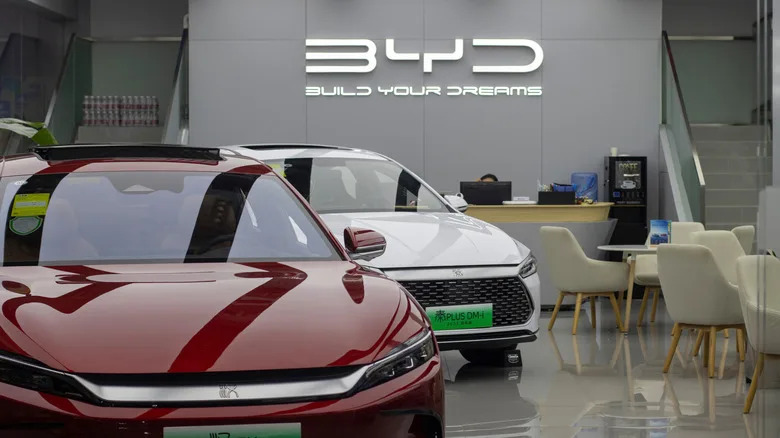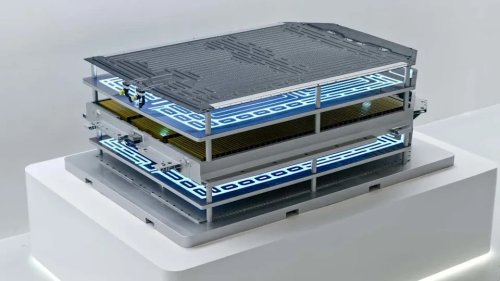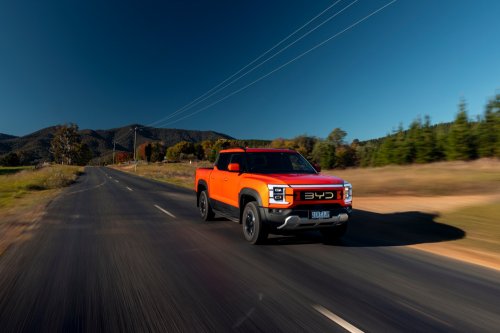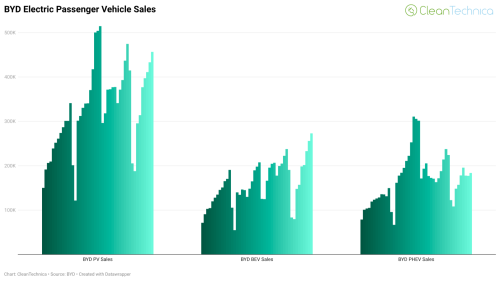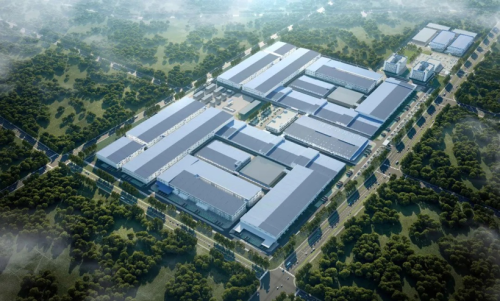


















As we’ve been writing, BYD is focusing more and more on sales outside of China for its core EV business and a hopeful return to EV sales growth. The company’s vehicle exports have grown 65% this year so far, for example, and grew by 80% in May. BYD also now owns seven giant roll-on, roll-off ships it uses for shipping vehicles around the world. One of the company’s biggest new target markets is Brazil, where BYD is also constructing a factory, on the site of a former Ford factory. Now we have news that BYD is ramping up battery production in Brazil. The company’s strategy is clearly to focus on localized production in various regional markets, and that includes battery production in some places. “The expansion is part of a broader push to reach 50% domestic content in its Brazilian-made cars by the start of 2027, Alexandre Baldy, senior vice president of BYD Brazil, said in a Monday interview,” Reuters reports. “We are localizing,” Baldy said, “so that we can truly become a Brazilian manufacturer. The battery is one more item, an important component.” The company is also looking to invest $100 million into battery energy storage systems to help keep Brazil’s national grid stable. BYD has already become a top five auto brand in Brazil, as plugin vehicles have reached 13.5% of the Brazilian auto market, but the company aims to be #1 by 2030. “The rollout of passenger car battery production is part of an existing plan to invest 5.5 billion reais ($1.08 billion) in its flagship plant in Camaçari, Bahia. Separately, BYD is investing between 50 million and 60 million reais to expand a line producing bus batteries.” That’s some serious cash and economic investment. “The company is also preparing to invest up to 500 million reais ($98 million) in a new production line for its Battery Energy Storage System (BESS), used to store electricity for the national grid, ahead of the first auction introducing industrial-scale batteries in December.” Overall, all of this should ingratiate BYD to Brazilians. The more they see BYD as a local or national brand, the more eager buyers will be to buy from the Chinese company.