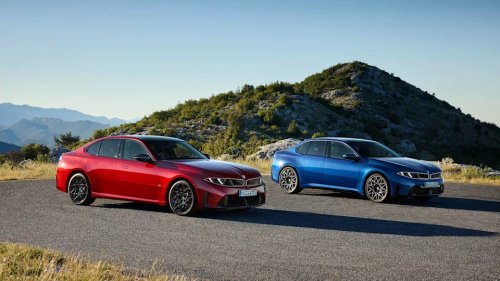
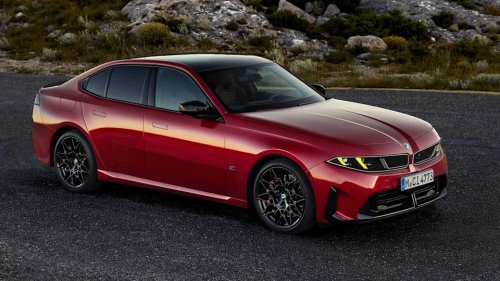
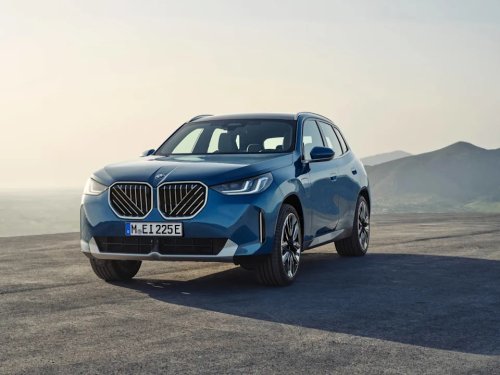
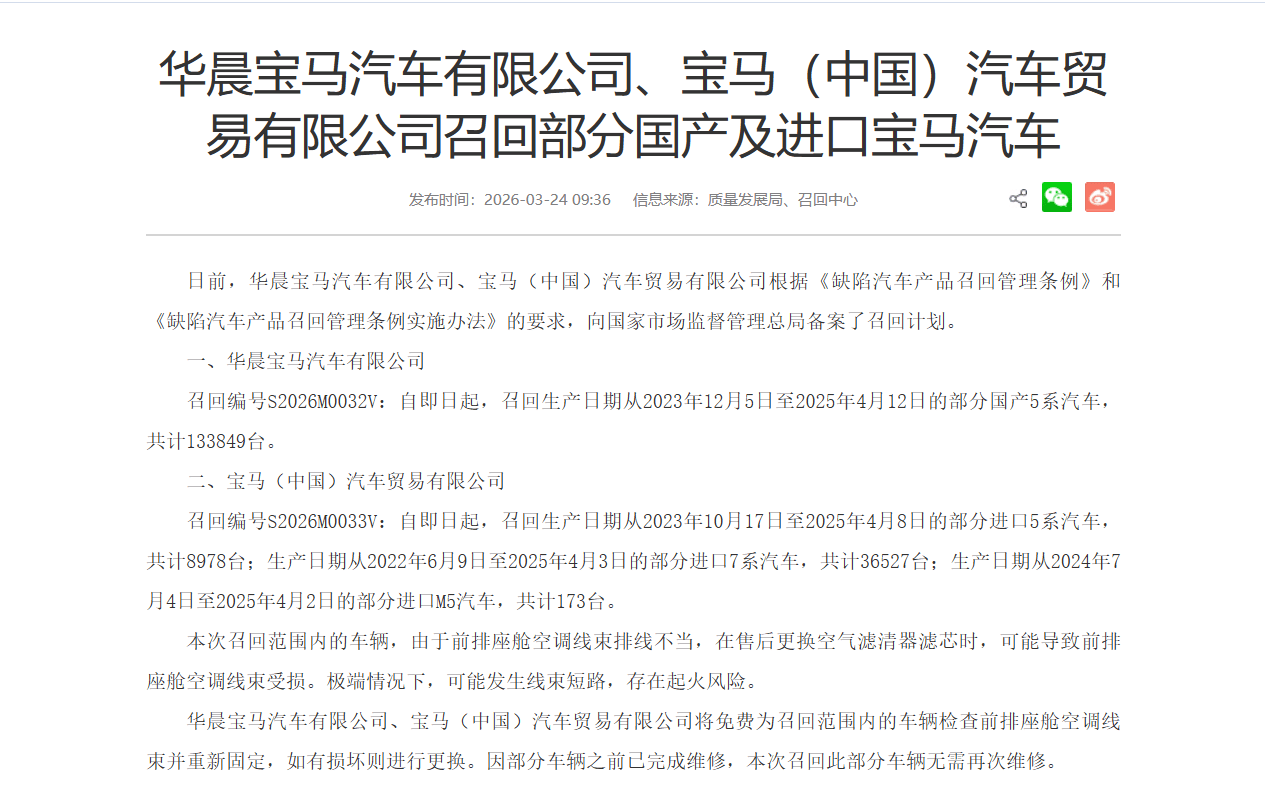
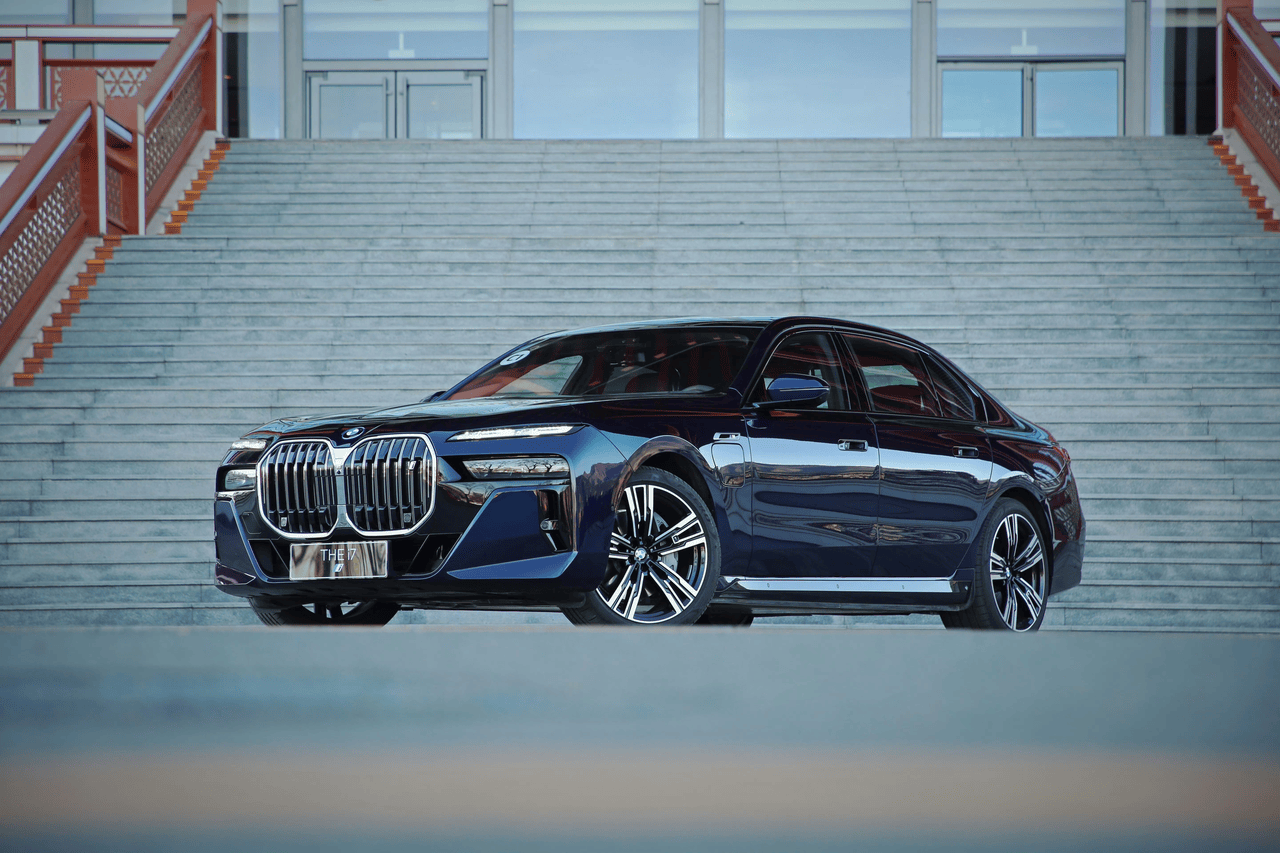
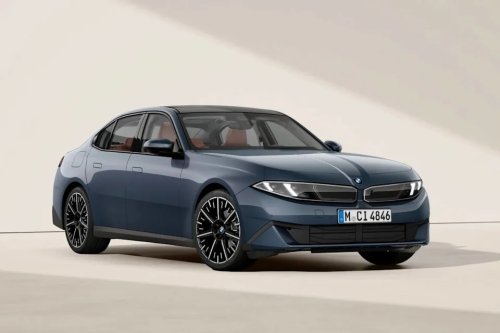
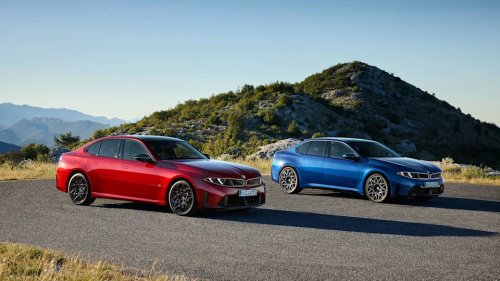
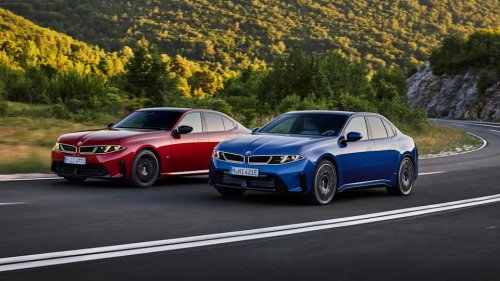
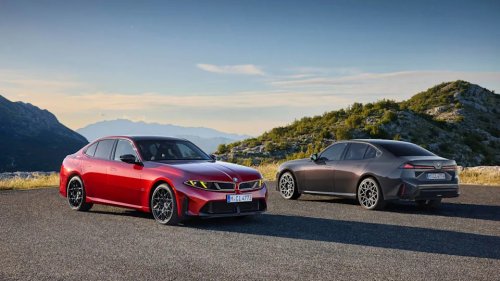
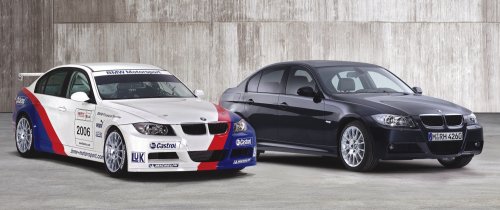
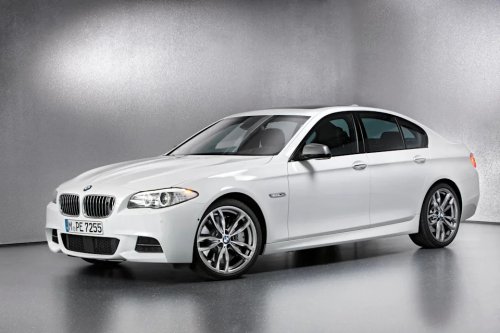
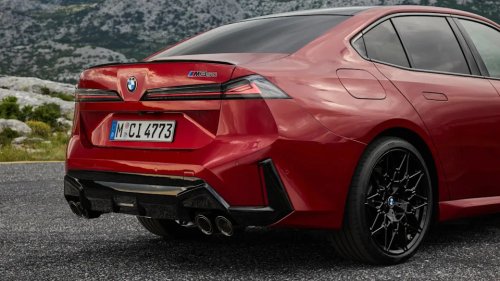
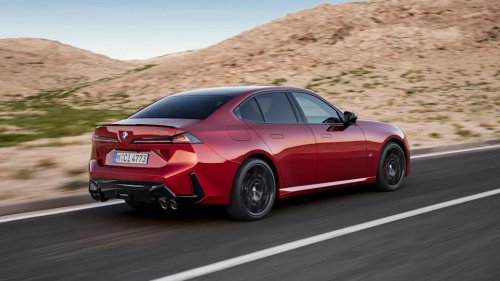
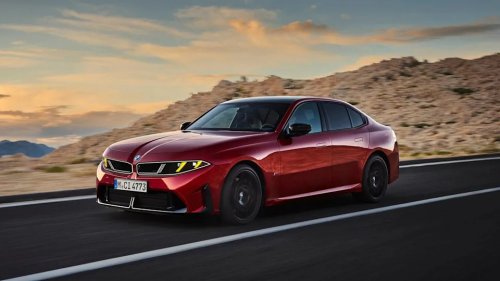
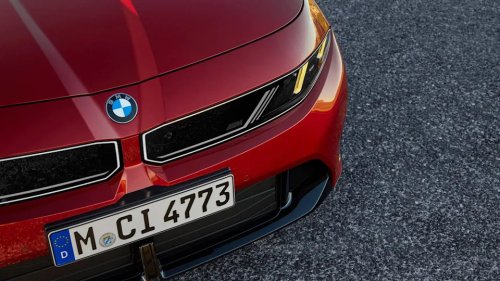
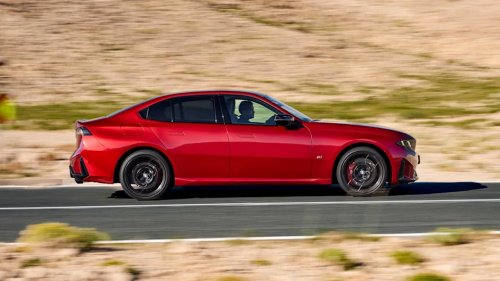
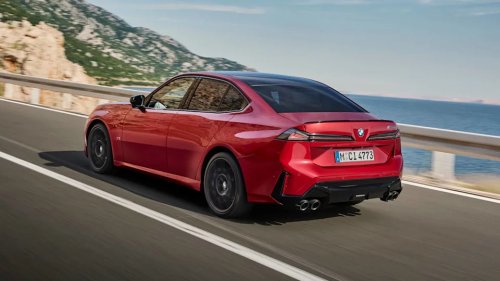
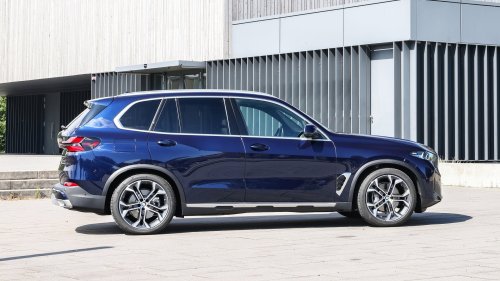
BMW Brilliance Automotive Ltd. and BMW (China) Trading Co., Ltd. have filed a recall plan with China’s State Administration for Market Regulation, covering 179,527 vehicles due to a safety hazard. The recall includes domestic and imported 5 Series, imported 7 Series, and imported M5 models. China’s State Administration for Market Regulation Specifically, BMW Brilliance will recall 133,849 locally built 5 Series vehicles produced between December 5, 2023, and April 12, 2025, while BMW (China) will recall 45,678 imported vehicles, consisting of 8,978 imported 5 Series vehicles manufactured from October 17, 2023, to April 8, 2025, 36,527 imported 7 Series vehicles produced between June 9, 2022, and April 3, 2025, and 173 imported M5 vehicles made from July 4, 2024, to April 2, 2025 The safety concern lies in the improper routing of the air conditioning wiring harness in the front cabin of the affected vehicles, which may sustain damage during air filter replacement and pose a fire hazard. To address this, BMW will provide free inspection, re-securing, or replacement of the air conditioning wiring harness, and vehicles that have already been repaired will not require additional service. According to kfz-betrieb, BMW recalled 575,000 vehicles in February due to a potential engine starter problem, and its recall scale and frequency are notably higher than those of its peers, as Mercedes-Benz recalled around 200,000 vehicles in February over high-voltage battery short-circuit risks, while Audi recalled 81 vehicles in January due to faulty latches and an additional 24,600 vehicles in February for issues related to brake control unit software. BMW BMW’s recall volume is significantly higher than Mercedes and Audi. Meanwhile, BMW’s sales in China continue to decline: in 2024, its global sales reached 2,450,800 units with 714,500 units sold in China, a year-on-year decrease of 13.40%, and in 2025, global sales stood at 2,463,700 units while China sales dropped to 625,500 units, down 12.50% year-on-year. Intensifying quality and supply chain pressures amid the shift to intelligent EVs and falling sales are cited as key reasons for the recent wave of recalls.



















 +72 others



![BMW's new iX4 leaks days ahead of its debut [Images]](https://cdn.topcarnews.net/thumb/id/aHR0cHM6Ly9pMC53cC5jb20vZWxlY3Ry-ZWsuY28vd3AtY29udGVudC91cGxvYWRz-L3NpdGVzLzMvMjAyNi8wNy9CTVctaVg0-LUdULVNVVi0yLmpwZWc_dz0xNTAwJmFt-cDtxdWFsaXR5PTgyJmFtcDtzdHJpcD1h-bGwmYW1wO3NzbD0x/44847916d4631457013dfd46d3f7570e.jpeg?t=20261007&post_id=68433)