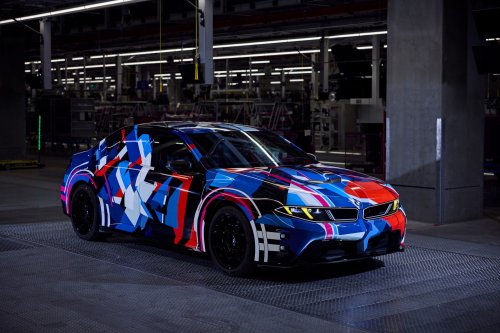
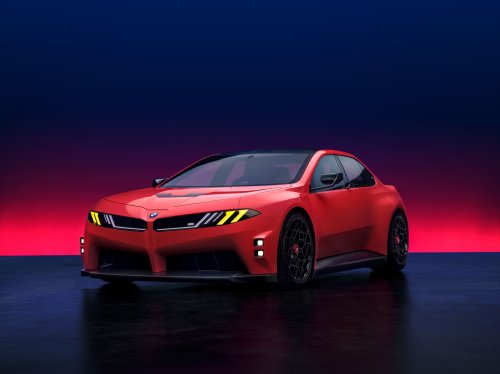
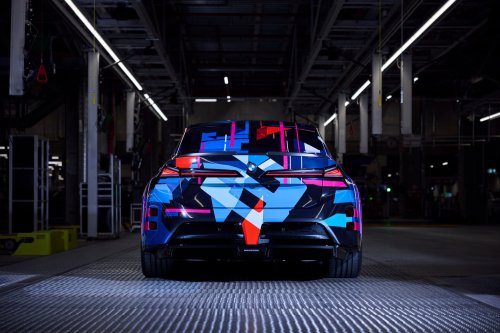
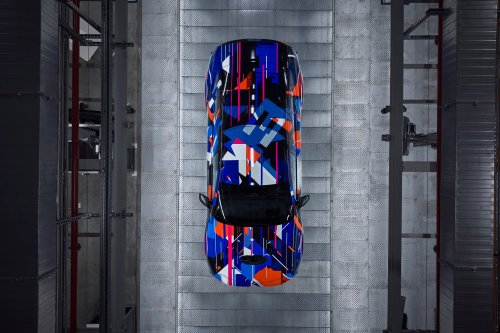
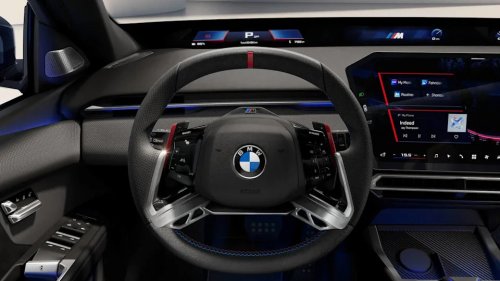
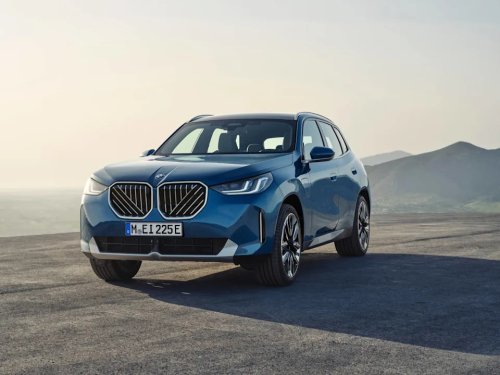
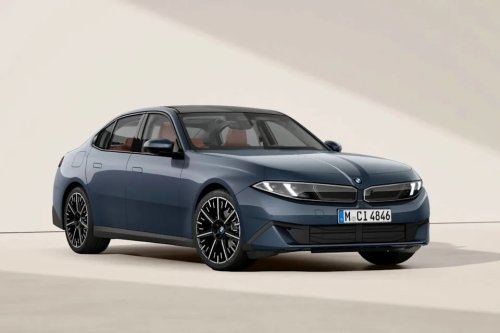
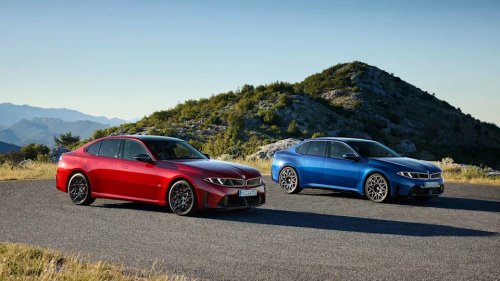
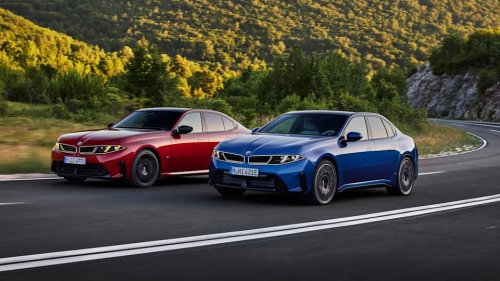
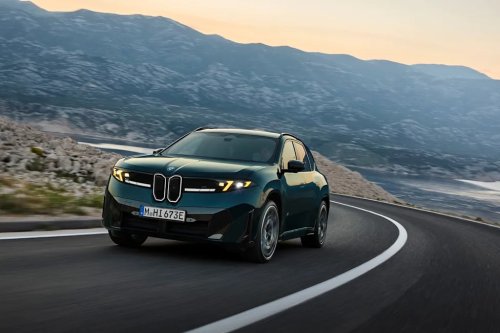
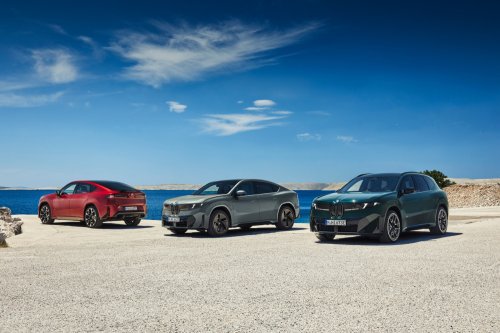
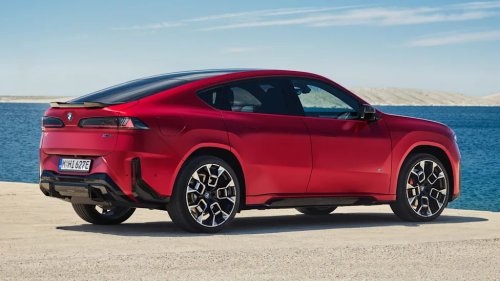
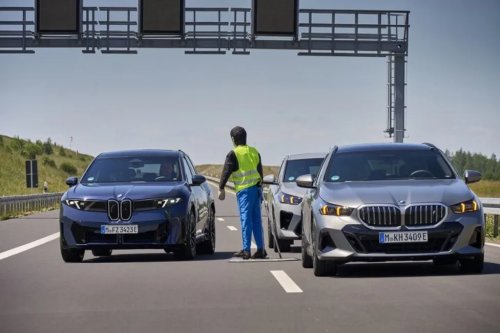
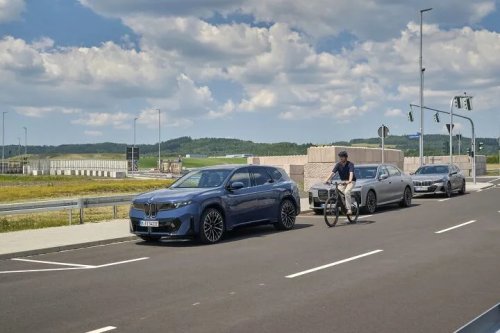
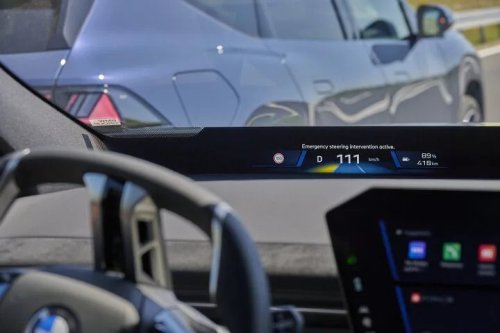
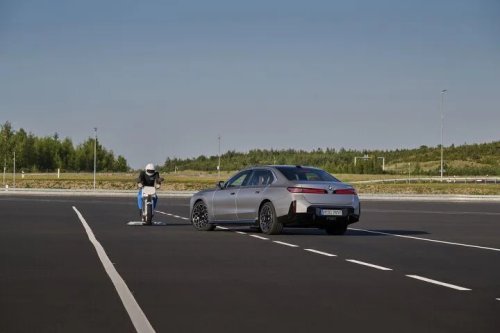
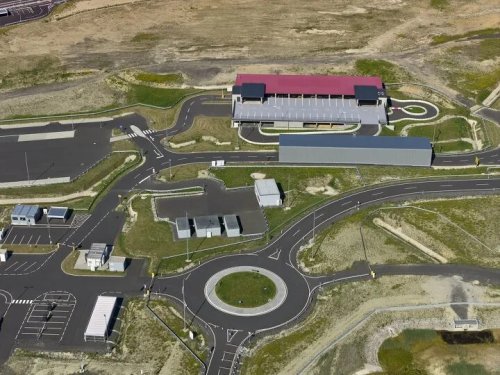
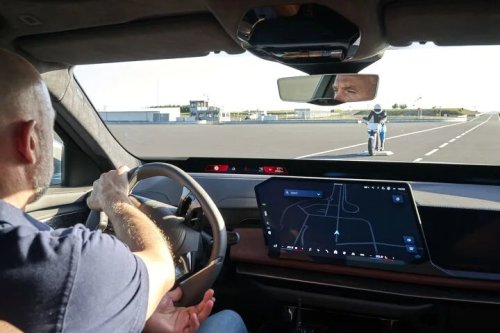
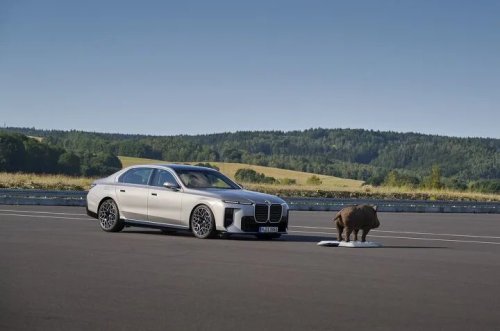
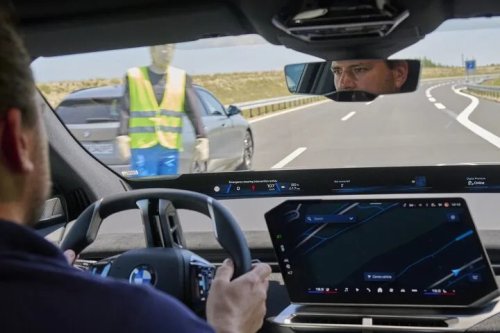
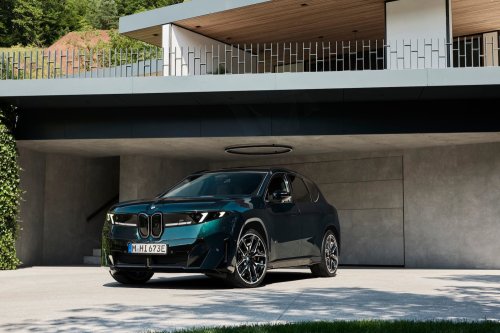
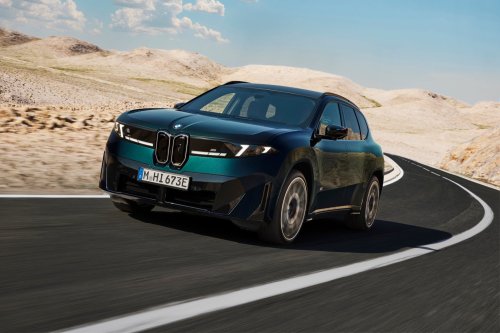
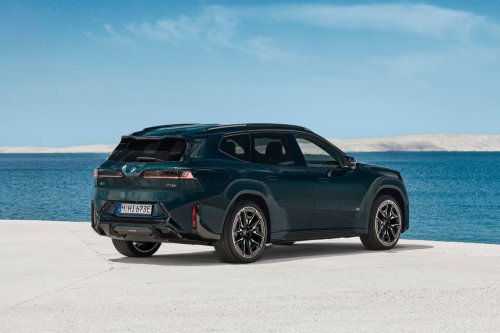
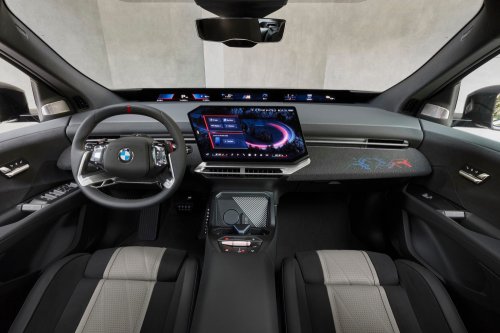
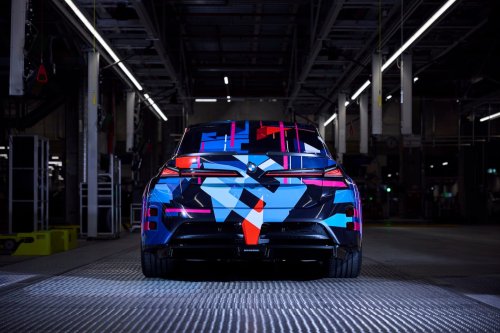
bmw launches standard intervening safety features for new modelsBMW is launching a fresh batch of active safety features as standard equipment as part of its pivot to "Neue Klasse" vehicles. Rather than focus exclusively on improved crash testing, the German brand wants to implement features that would have the car making more decisions for itself - including a system that would prevent the driver from opening their door until the vehicle deems it safe.This is largely being done to satisfy Europe's updated New Car Assessment Program (NCAP) that's designed to evaluate safety. For 2026, the focus has shifted heavily toward driver monitoring (in-cabin cameras) and systems that would prevent accidents by having a vehicle intervene in anticipation of a crash. This includes things like automatic emergency braking and lane assistance.BMW issued its announcement on Thursday, suggesting that Neue Klasse models would yield "an expanded portfolio of active safety assistance systems as standard across multiple model series."bmw launches standard intervening safety features for new modelsIncluded were promises of an enhanced "Exit Warning" function that delays the door from opening when vehicle radar detects an approaching cyclist. The automaker likewise hyped "BMW Symbiotic Drive," which constantly monitors the driver's every move, intervening when the system believes it needs to in order to prevent a crash.AdvertisementAdvertisementThe automaker bragged that the BMW iX3 had already received the top rating of five stars in the latest safety test conducted by Euro NCAP, noting that it would likewise be the first vehicle to see the safety technology added as standard equipment - only to will be followed by the BMW i3, X5 and 7 Series.Included in the new suite of standard safety tech is the aforementioned "Exit Warning" that prevents the door from opening. While many modern cars will issue an audible warning for approaching traffic that could strike the door, this is the first time we're aware of any vehicle actually disabling the door.Next up is the updated lane keeping system, which will implement emergency steering intervention that can automatically steer the vehicle around an obstacle. BMW said the system will only become operational when the vehicle believes the alternative scenario would be a crash and prioritize avoiding pedestrians and cyclists. It also said it could adjust lane positioning should a vehicle beside the driver suddenly intrude into their personal space.bmw launches standard intervening safety features for new modelsAutomatic emergency braking (AEB) is something that's become standard on many cars and is being mandated in some parts of the world. The United States even plans on requiring it on all new models by 2029. With Europe already requiring it, BMW has no choice but to install it on the Neue Klasse models. However, it also claimed it would be making it better than ever.AdvertisementAdvertisementThe braking system not only stops the car in anticipation of a head-on collision, but it also works in tandem with the emergency steering system in the hopes that it can avoid the crash entirely. Driver monitoring tech will also tell the system when a driver is impaired or rendered unconscious, stopping the vehicle as it pulls onto the shoulder.Most of these features aren't new for the industry. But BMW is promising its hardware should be considered the best available and function as part of a united "Symbiotic Drive" system that can handle everything from avoiding high-speed collisions to fixing the misapplication of pedals in a low-speed parking scenario. This is the result of the vehicles' software and a deluge of data being collected at all times.bmw launches standard intervening safety features for new modelsFrom BMW:Active safety assistance systems support drivers in critical driving, parking and exit scenarios. Analysis of customer-consented data from BMW's intelligently connected vehicle fleet demonstrates that these functions contribute to greater road safety. In the last month alone, the fleet analysed in Europe covered 1.6 billion kilometres. Customers were alerted to potential collisions around 8 million times through visual and acoustic warnings. In 243,977 cases, active steering and braking interventions by assistance systems helped prevent a potential collision.BMW Symbiotic Drive takes driver assistance in BMW's new vehicle generation to a new level by creating an intuitive partnership between driver and vehicle. The system understands the driver's intentions through steering inputs and line of sight, enabling assistance functions to intervene only when necessary. As a result, functions such as the Lane Keeping Assistant only provide warnings or steering interventions when the vehicle detects an unintended lane departure or an imminent collision. When a manoeuvre is initiated deliberately by the driver, the system does not intervene, provided there is no foreseeable risk of a collision or the vehicle leaving the roadway. Indicators of driver intent include activating the turn signal, making an active steering input or performing a shoulder check.The execution of the above is paramount. Considering how much noise modern vehicles make, many drivers complain that they're not even sure what the car is fussing about most of the time. Warning chimes are useful when they're infrequent and pertain to an impending situation that desperately needs a driver's attention. But the inverse is true when drivers are constantly being annoyed by auditory warnings for every little thing. Startup warning messages go unread and seatbelt chimes for rear occupants that aren't even there go ignored.AdvertisementAdvertisementWith that in mind, one could argue that active safety systems designed to prevent incidents would indeed be useful. But this hinges largely on the software functioning as advertised and the relevant sensing equipment (cameras, lidar, GPS, etc) being in good condition. Even light damage to the bodywork could theoretically disable much of the above equipment and the same goes for dirty camera lenses. Prior testing has also shown that some sensing equipment has trouble during dawn, dusk, and nighttime scenarios featuring mixed lighting.bmw launches standard intervening safety features for new modelsBMW stated that this was being addressed by way of extensive testing at the Future Mobility Development Center (above), which is located in Sokolov, Czech Republic."The Future Mobility Development Center in Sokolov is much more than a proving ground for us. It is a central component of our development strategy enabling us to bring innovations in advanced driving assistance systems to series production quickly, safely and with a clear customer focus," said Martin Sautter, senior vice president of Vehicle Certification at BMW Group. "This unique testing environment allows us to recreate real-world driving scenarios under highly demanding and reproducible conditions. As a result, we are reinforcing the BMW Group's technological leadership for the long term."I'm hardly an unbiased party and have written countless articles about the drawbacks of modern automotive technology. Naturally, this makes me a poor advocate for a piece of hardware that requires full-time occupant monitoring or temporarily prohibits a driver from opening their door.AdvertisementAdvertisementHowever, it is allegedly for a good cause. As someone who has spent a lot of time on a motorcycle, there have been a few close calls where a driver door swung a little too wide into Manhattan traffic. Pedal bikes using their designated lane have it significantly worse, as they're often forced to be that much closer to parked cars. With that being taken into consideration, it's hard to deny that the system might help a few people with subpar situational awareness from absolutely creaming a person flying by on two wheels.bmw launches standard intervening safety features for new modelsBMW even cited a study from Berlin to support the tech's implementation. The German Insurance Association claimed that door strikes accounted for roughly eight percent of all bicycle related accidents in the city during 2024. The premise is that the delayed doors could have reduced that number.But we've heard that argument being made to defend Advanced Driver Assistance Systems (ADAS) for roughly a decade at this point. Automakers and insurance groups frequently tell legislators that cars need this tech to someday reach a point where traffic accidents no longer exist.Meanwhile, real-world testing has shown that the related features (automatic braking, pedestrian detection, lane keeping, etc) have been slow to evolve and can vary wildly between brands. Accident rates likewise don't appear to have improved much since the implementation of ADAS, with fatal accidents actually going up due to an increased disparity in vehicle sizes, modern designs offering worse outward visibility, and more drivers allowing themselves to be distracted by screens. In fact, there's been a fair bit of research suggesting that modern driver assistance features actually degrade a person's situational awareness and reaction speeds over time - presumably making them a worse driver.AdvertisementAdvertisementStill, with many governments having plans to mandate the same systems BMW is now making standard equipment, the industry realistically only has one path to take.bmw launches standard intervening safety features for new models"The broad rollout of our new active safety functions as standard is based on our 'Smart, Symbiotic, Safe' philosophy. We bring drivers and assistance systems together into a cooperative system that works in harmony. At BMW, active safety functions operate as quiet, intelligent companions in the background, discreet yet highly effective when it matters most in critical situations," said Mihiar Ayoubi, senior vice president for Driving Experience Development at BMW Group.That may be true. BMW could absolutely end up offering the best and most comprehensive standard driver assistance package in the business. But this further pulls the brand from its claim of offering "The Ultimate Driving Machine" as it moves away from the enthusiast community. It wasn't all that long ago that hardcore fans of the brand were complaining about the company moving toward electronic steering and building entry level models featuring front-wheel drive. We're traveled quite a bit further down that road over the last fifteen years.The overriding argument has been that BMW leaned heavily into tech at the expense of driving feel and connectedness, which has arguably been the trend for all German automakers of late. But this is really more of an industrywide issue with modern technology often supplanting traditional luxury by adding unnecessary or invasive advanced features designed to dazzle potential customers and appease government safety regulators. Ironically, BMW is now marking its intervening safety tech as a symbiosis between vehicle and driver.AdvertisementAdvertisementOne could endlessly debate whether the updated standard features coming to Neue Klasse models will make BMW vehicles better or worse. But it will ultimately come down to taste and how tolerant you are of driver monitoring, automobiles that make decisions on the driver's behalf and how the manufacturer balances those things with customer expectations.bmw launches standard intervening safety features for new models[Images: BMW]Become a TTAC insider. Get the latest news, features, TTAC takes, and everything else that gets to the truth about cars first by subscribing to our newsletter.



















 +79 others
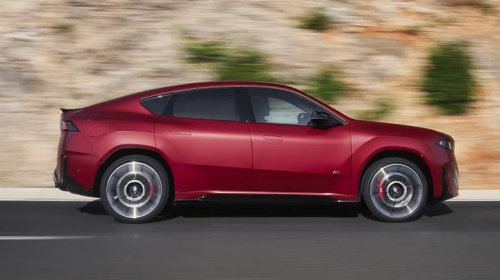
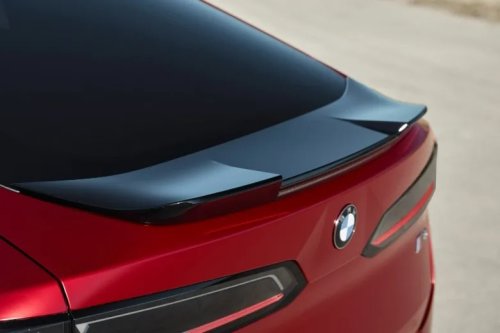
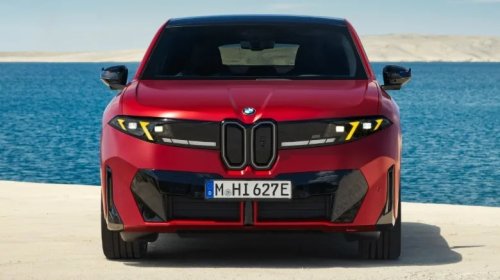
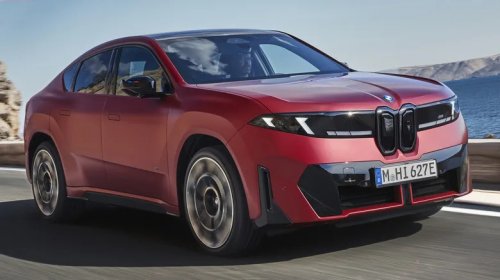

![BMW, BMW's new iX4 leaks days ahead of its debut [Images]](https://cdn.topcarnews.net/thumb/id/aHR0cHM6Ly9pMC53cC5jb20vZWxlY3Ry-ZWsuY28vd3AtY29udGVudC91cGxvYWRz-L3NpdGVzLzMvMjAyNi8wNy9CTVctaVg0-LUdULVNVVi0yLmpwZWc_dz0xNTAwJmFt-cDtxdWFsaXR5PTgyJmFtcDtzdHJpcD1h-bGwmYW1wO3NzbD0x/44847916d4631457013dfd46d3f7570e.jpeg?t=20261008&post_id=68433)
![BMW, BMW's new iX4 leaks days ahead of its debut [Images]](https://cdn.topcarnews.net/thumb/id/aHR0cHM6Ly9lbGVjdHJlay5jby93cC1j-b250ZW50L3VwbG9hZHMvc2l0ZXMvMy8y-MDI2LzA5L0JNVy1pWDMtZGlzY291bnRz-LTEuanBlZw/c8460dcaa0db22fb19e72a4850b8290a.jpeg?t=20261008&post_id=68433)
![BMW, BMW's new iX4 leaks days ahead of its debut [Images]](https://cdn.topcarnews.net/thumb/id/aHR0cHM6Ly9lbGVjdHJlay5jby93cC1j-b250ZW50L3VwbG9hZHMvc2l0ZXMvMy8y-MDI2LzA5L0JNVy1uZXctaVgzLWludGVy-aW9yLmpwZWc/a56ce0577f87e18bc04a56d2fb9519d2.jpeg?t=20261008&post_id=68433)