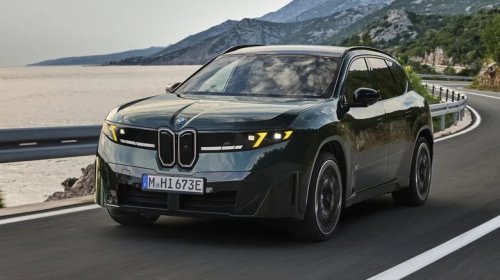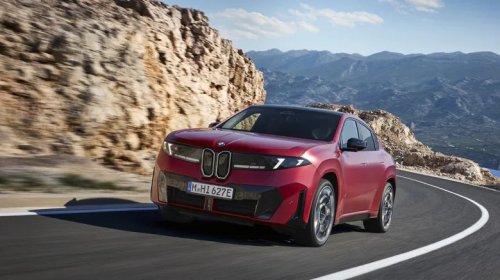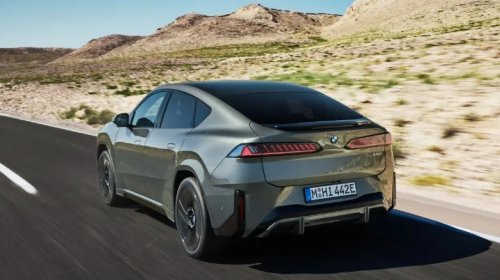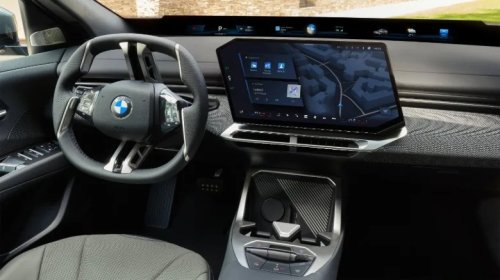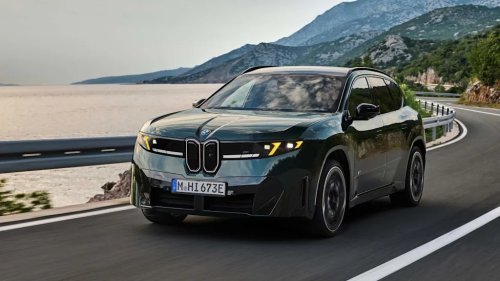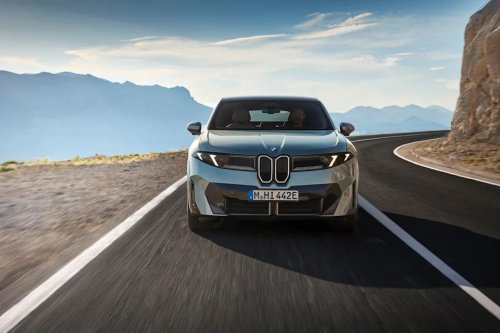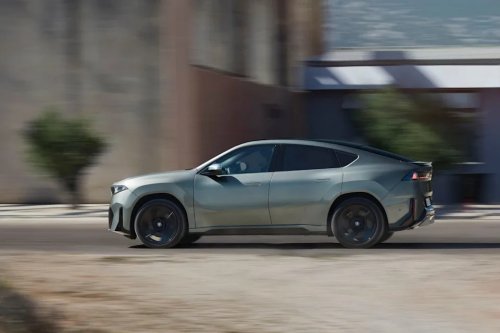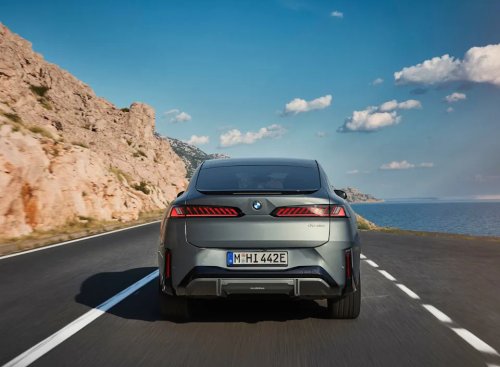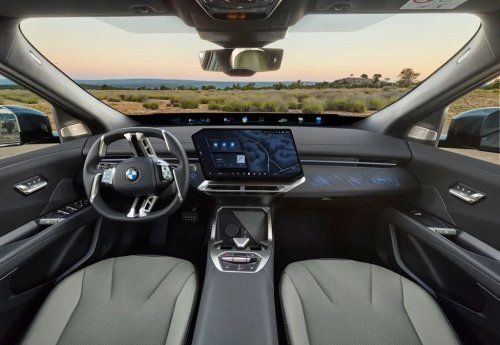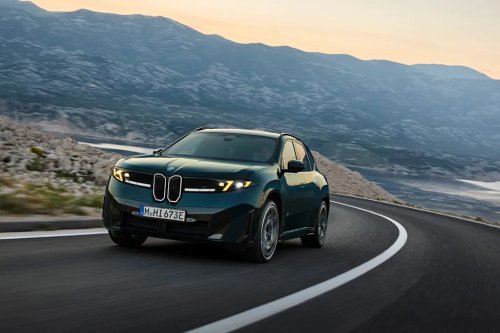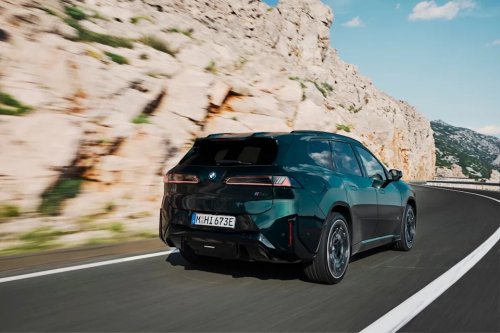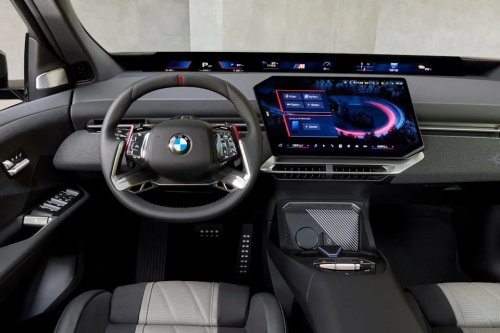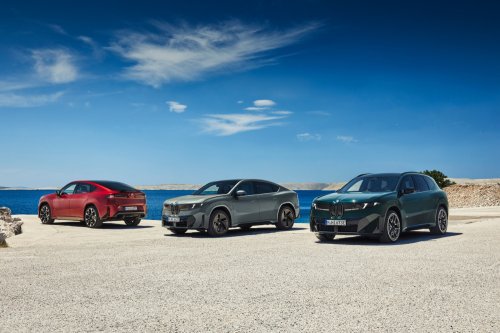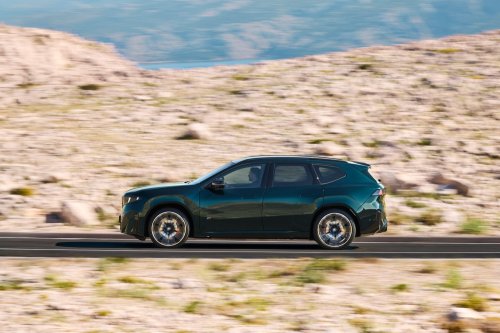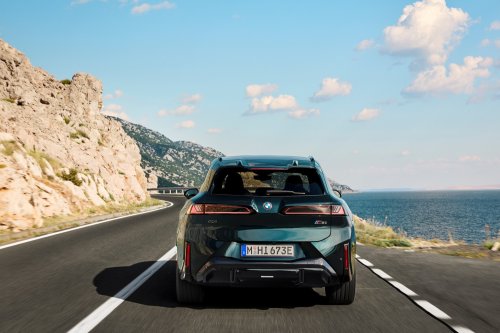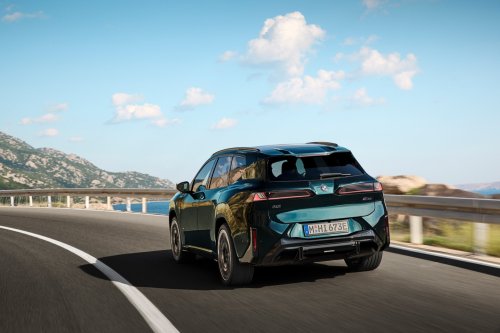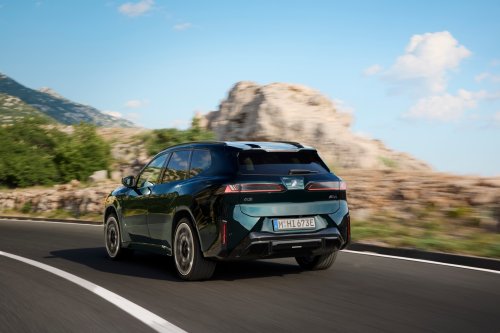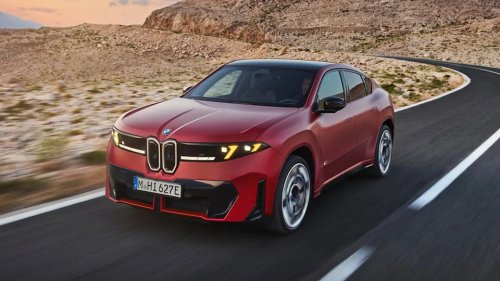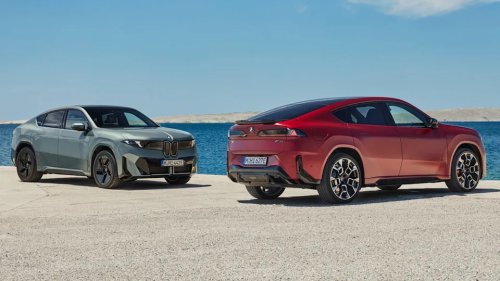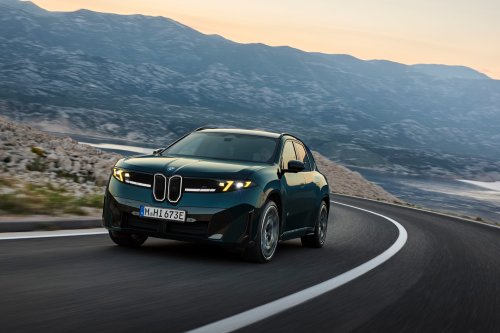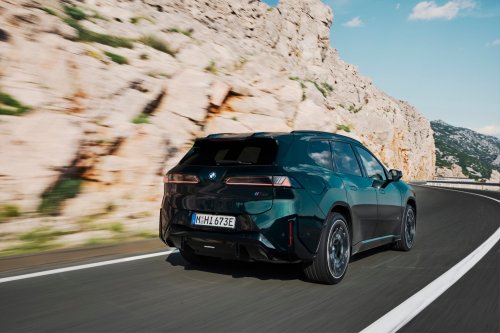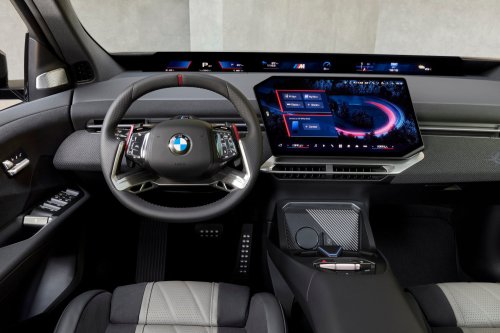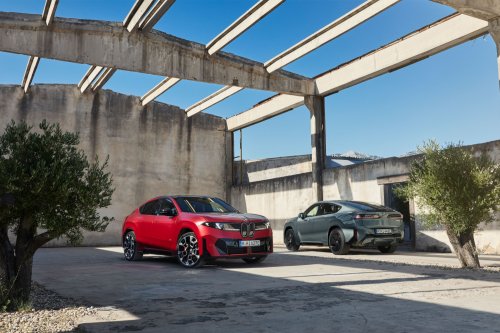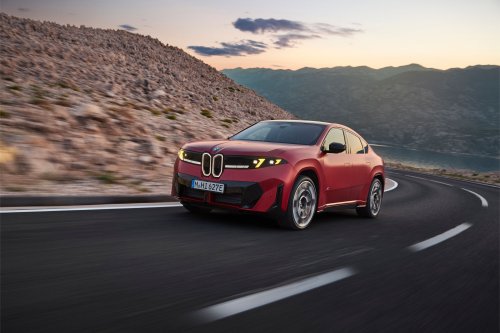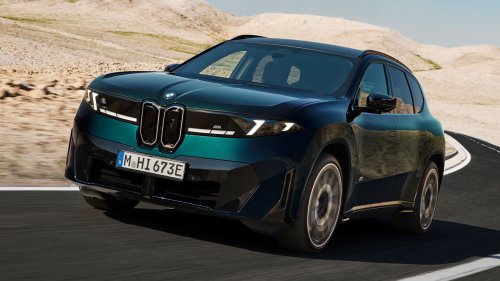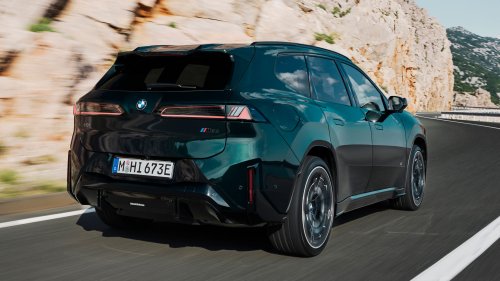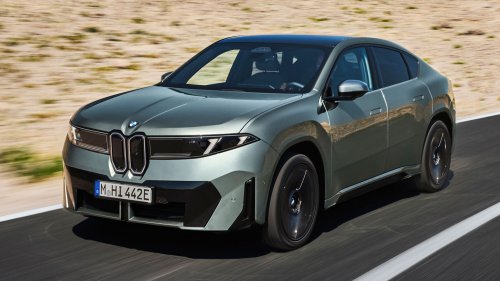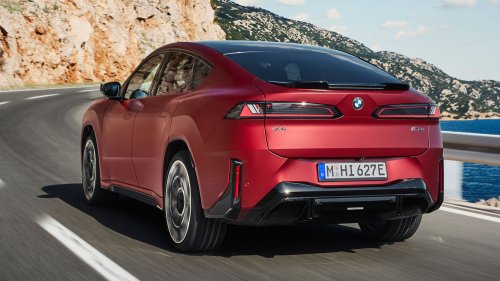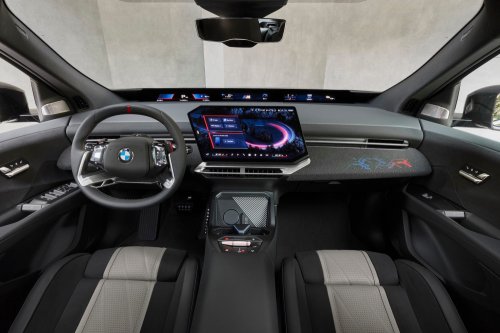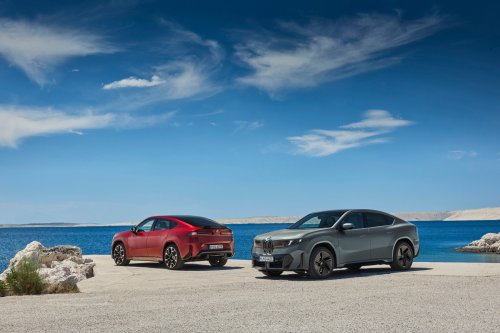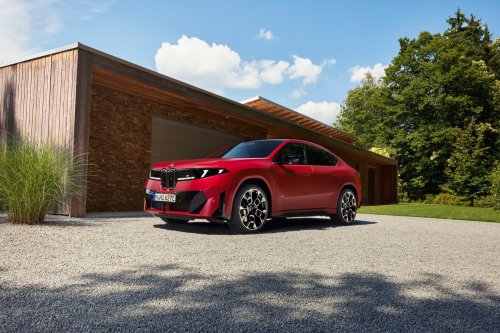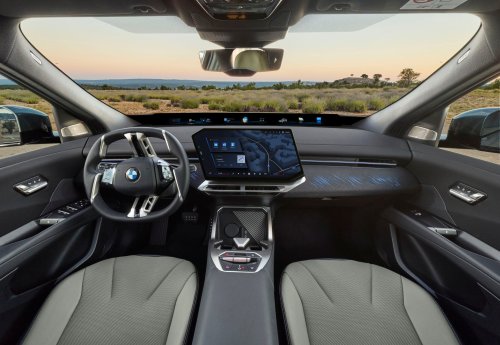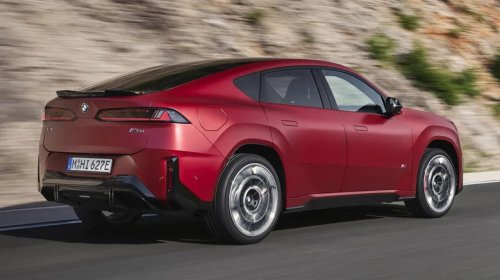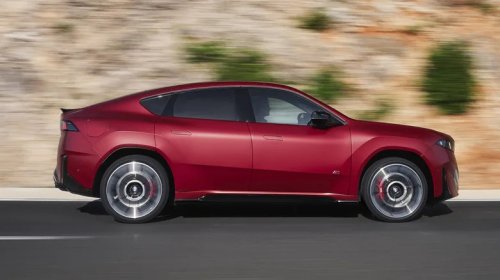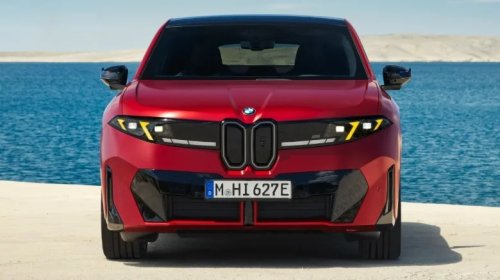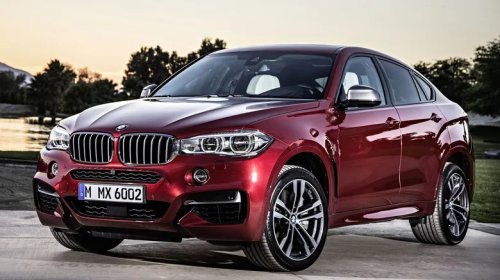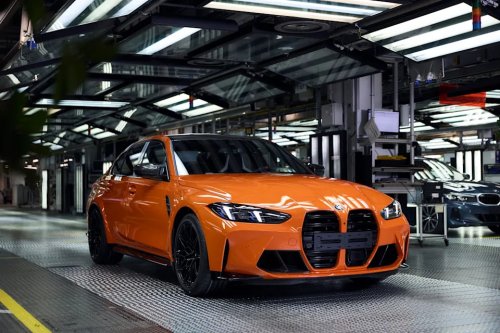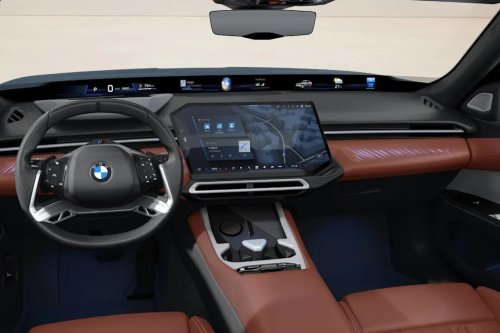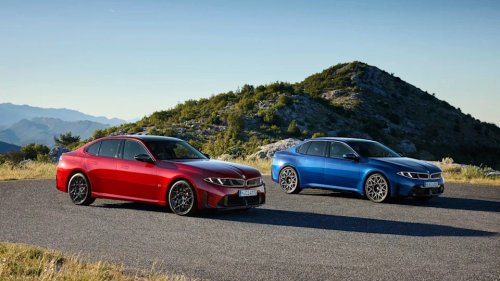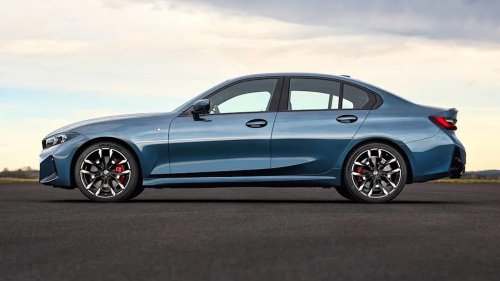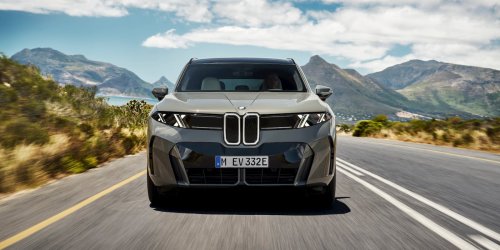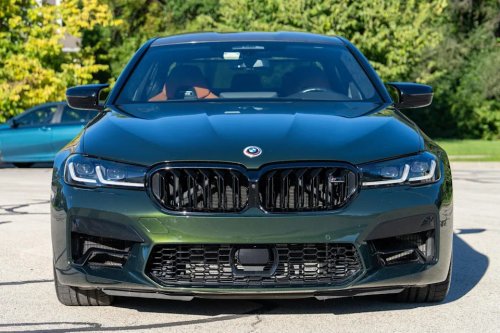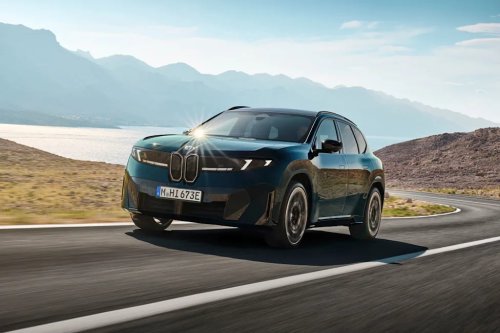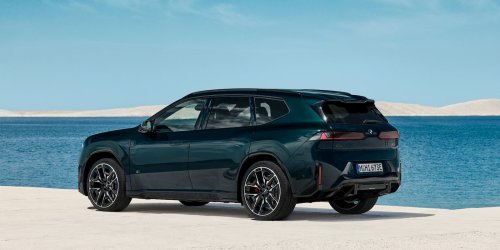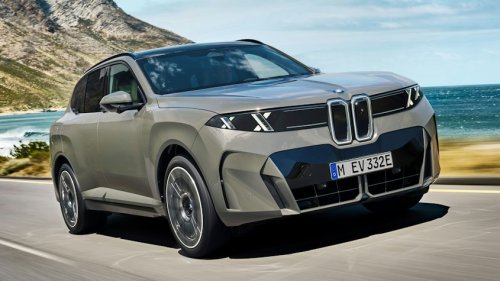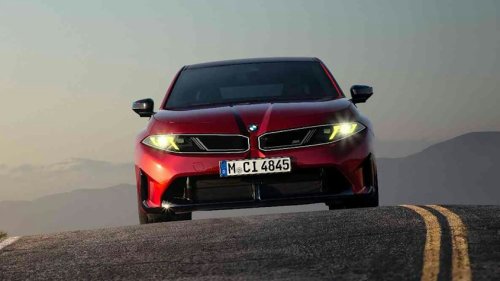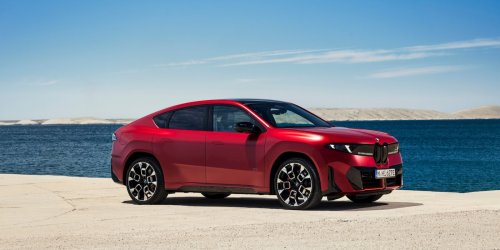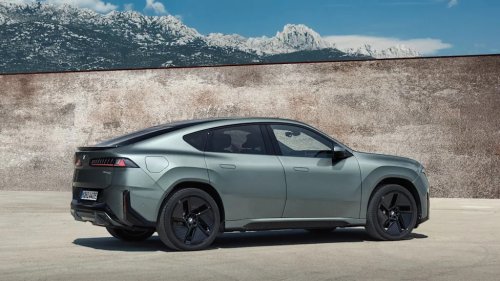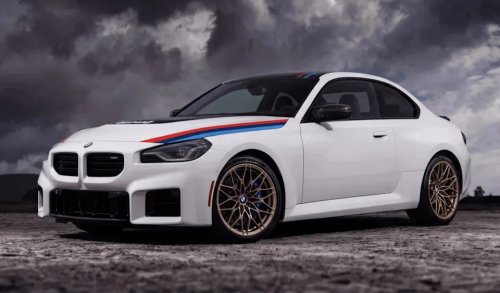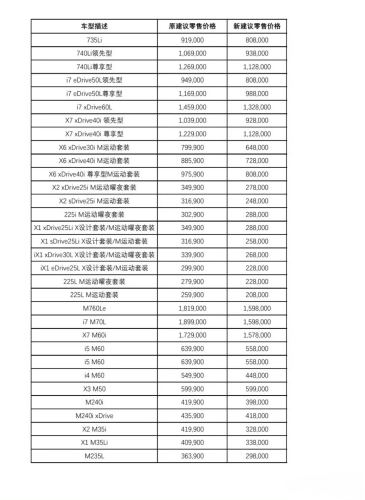
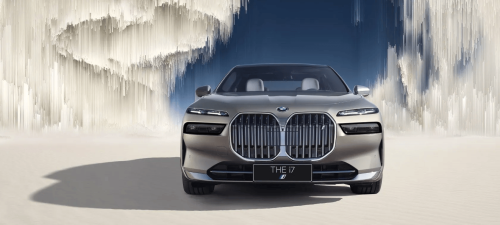
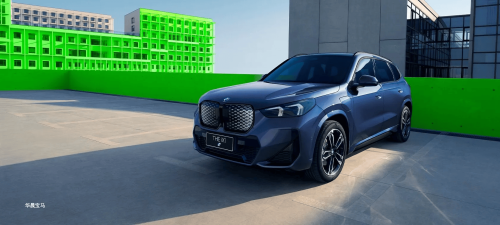
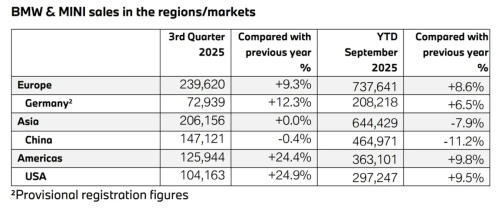



















BMW China said the move reflects adjustments to official guide prices for selected models, stressing that final transaction prices remain at dealers’ discretion and should not be interpreted as a price war. Market reports recently said that BMW China will adjust the suggested retail prices of 31 core models starting January 1, 2026. Among them, 24 models will see price cuts exceeding 10%, five models more than 20%, and some models will receive official reductions of more than RMB 300,000 ($42,000). BMW’s price-reduced models The move has been widely interpreted by the market as a signal that BMW is preparing to engage in a price war in China. In response, BMW China said the adjustments reflect changes to official guide prices for certain products, while end-user prices are still determined independently by dealers. As such, the move should not be equated with participation in a price war. BMW emphasized that the decision is a proactive adjustment to its product strategy based on changes in product mix and market conditions. In terms of scope, the adjustments cover a broad range of models, including flagship vehicles as well as entry-level and high-volume products. The flagship all-electric i7 M70L saw its guide price cut from RMB 1.899 million ($265,860) to RMB 1.598 million ($223,720), a reduction of RMB 301,000 ($42,140), or about 16%. BMW i7 M70L The largest percentage cut was applied to the iX1 eDrive25L, whose guide price was reduced from RMB 299,900 ($41,986) to RMB 228,000 ($31,920), a drop of 24%. BMW iX1 eDrive25L The starting price of the 2 Series was lowered from RMB 259,900 ($36,386) to RMB 208,800 ($29,232), representing a 20% reduction. Models including the X2, i4, i5, X6, and X7 also saw price cuts of varying degrees. Following the adjustments, the number of BMW models with guide prices below RMB 300,000 ($42,000) increased from three to ten. The lowest-priced model is now the BMW 225L M Sport Package, whose price was reduced from RMB 259,900 ($36,386) to RMB 208,000 ($29,120). BMW’s easing pricing strategy in China may be linked to declining sales momentum. According to BMW Group’s Q3 2025 financial report, cumulative deliveries in China reached 464,971 units in the first three quarters, down 11.2% year-on-year. BMW and MINI sales figures for various regions in the third quarter of 2025 As BMW’s largest single market globally, fluctuations in China have a direct impact on the group’s overall performance. BMW Group Chairman Oliver Zipse said during an earnings call that the company has prepared for changes in the market environment, whether through adjustments to its dealer network or by introducing new models better suited to Chinese consumer demand. In China’s highly competitive automotive market, BMW’s pricing adjustment serves both as a short-term measure to ease sales pressure and as a way to create room for future product and technology transformation. Its impact may extend across the broader luxury car segment.