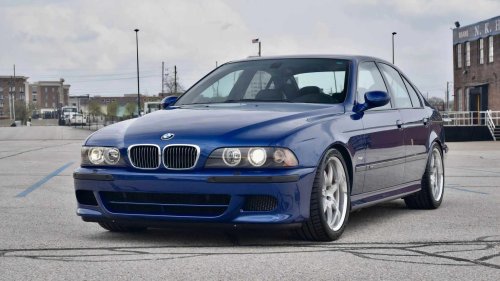
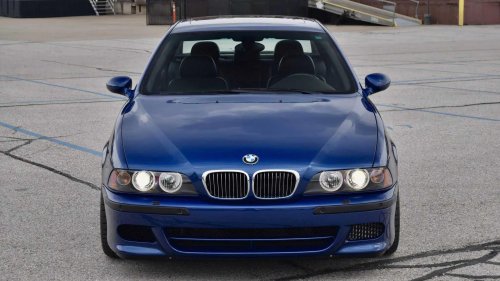
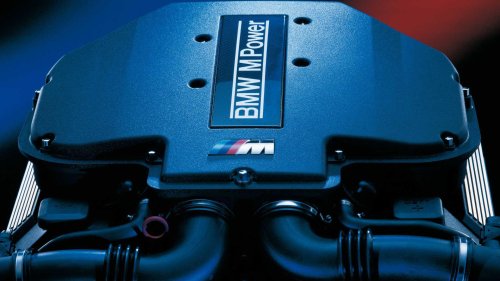
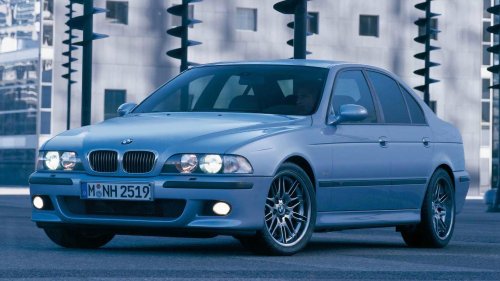
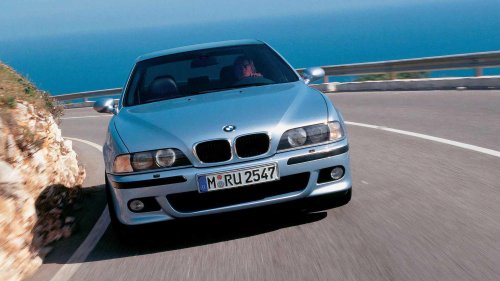
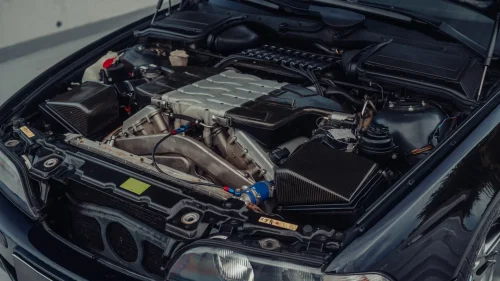
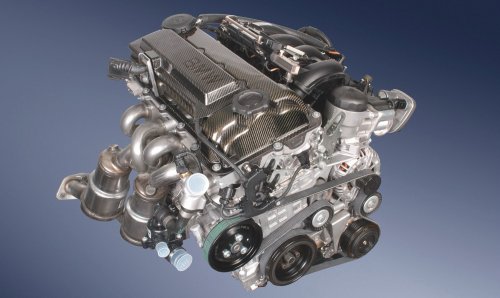
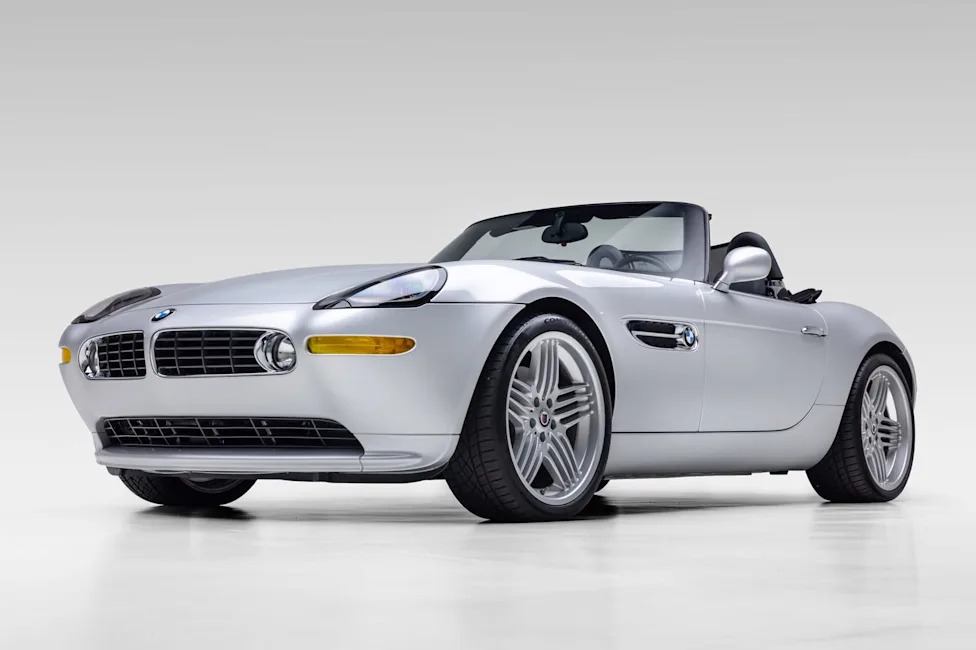
BMW is linked at the hip to its V8 engines. Even today, the brand's V8 engines are some of the best around. Each iteration has earned itself a reputation for high power output, thrilling sound, and (more than likely) a fair few mechanical issues.The S62 V8 in the E39 M5, produced from 1998 to 2003, is one of many examples. It's also an engine that very nearly didn't exist. After a string of inline-six engines, BMW was staring down a new generation of M5, entering development with one question: what's going to go under the hood? The answer? A V6, of course. BMW Nearly Put A V6 In The E39 M5 Bring a TrailerThe V6 M5 was, in reality, one idea among many. Various engineers at BMW made several proposals for aspects of the M5's design, including potential powertrains. It's a trial-by-fire in which many cars are designed, and the E39 M5 was no different. Another slightly closer-to-home idea involved a turbocharged inline-six. After all, BMW had already produced the proven M52 engine and used it in a few different models. A higher-powered, turbocharged version could work for the M5, and was certainly an early sign of things to come at BMW. More than a decade later, turbocharged inline-sixes are the norm for the brand.Bring a Trailer Meanwhile, the proposed V6 was significantly more controversial. It was, after all, an engine layout BMW had never produced before. E39 M5 Project Leader Alex Hildebrandt told BMWBlog:The company was not prepared to spend the money to develop an engine for only 2–3,000 cars a year. So this idea [of a six-cylinder engine] was buried, but we’d lost two years of development, a lot of time. One Choice Led To One Of BMW's Best V8s BMW V6 or no, the prevailing logic behind the then-new M5 was that it needed to be powered by an inline-six. BMW's M head, Karlheinz Kalbfell, was pushing for the powertrain, regardless of new ideas, because the brand had such a history with the layout and with the M5. After all, the last two cars had been inline-six-powered, so why mess with success? Moreover, the six-cylinder would ultimately be more efficient than a larger engine. For two years, M division engineers and executives stalked Munich's halls, hemming and hawing over the new powerplant.Eventually, a decision was reached, driven in part by American appetites. We wanted more power, more cylinders, more noise. Efficiency be damned. Then, as it does now, BMW complied, probably with a good deal of enthusiasm.Find [[default_name]] and more cars for sale on our MarketplaceShop Now The S62 Proved Itself Worthy BMW Because BMW didn't have a ton of cash to allocate to the car's new powertrain, it turned to an old trick: updating and upgrading an existing BMW powerplant. The M62 V8 was chosen, as it was going to be used (or was currently in use, depending on version) in BMW's 7 and 8 Series, as well as the 5 Series' planned 535 and 540i models. Pioneering A Legendary Statement 2000 BMW E39 M5 Driving Front TopSpeedDisplacement rose from 4.4 to 5.0 liters, and BMW M engineers updated the intake system with individual throttle bodies, a key component of the S62's vaunted status today, and an upgraded oil system. The whole thing was hooked to a mandatory six-speed, unlike rivals of the day. The engine carved out a niche for itself elsewhere, going on to power BMW race cars as well as the legendary Z8.
















![BMW's new iX4 leaks days ahead of its debut [Images]](https://cdn.topcarnews.net/thumb/id/aHR0cHM6Ly9pMC53cC5jb20vZWxlY3Ry-ZWsuY28vd3AtY29udGVudC91cGxvYWRz-L3NpdGVzLzMvMjAyNi8wNy9CTVctaVg0-LUdULVNVVi0yLmpwZWc_dz0xNTAwJmFt-cDtxdWFsaXR5PTgyJmFtcDtzdHJpcD1h-bGwmYW1wO3NzbD0x/44847916d4631457013dfd46d3f7570e.jpeg?t=20261007&post_id=68433)