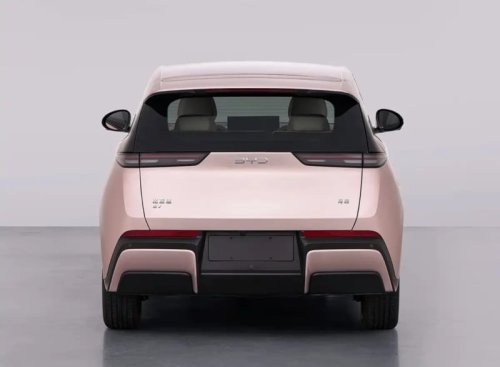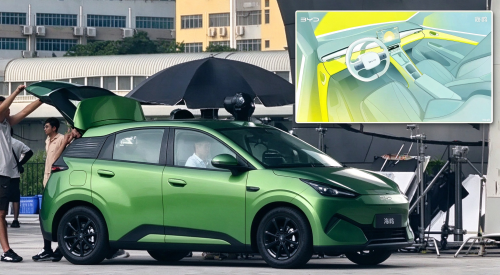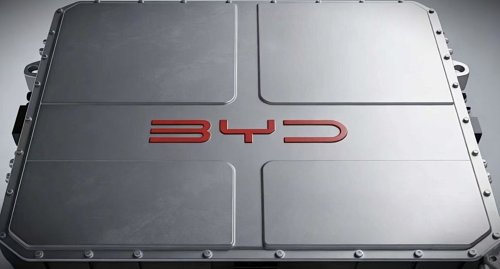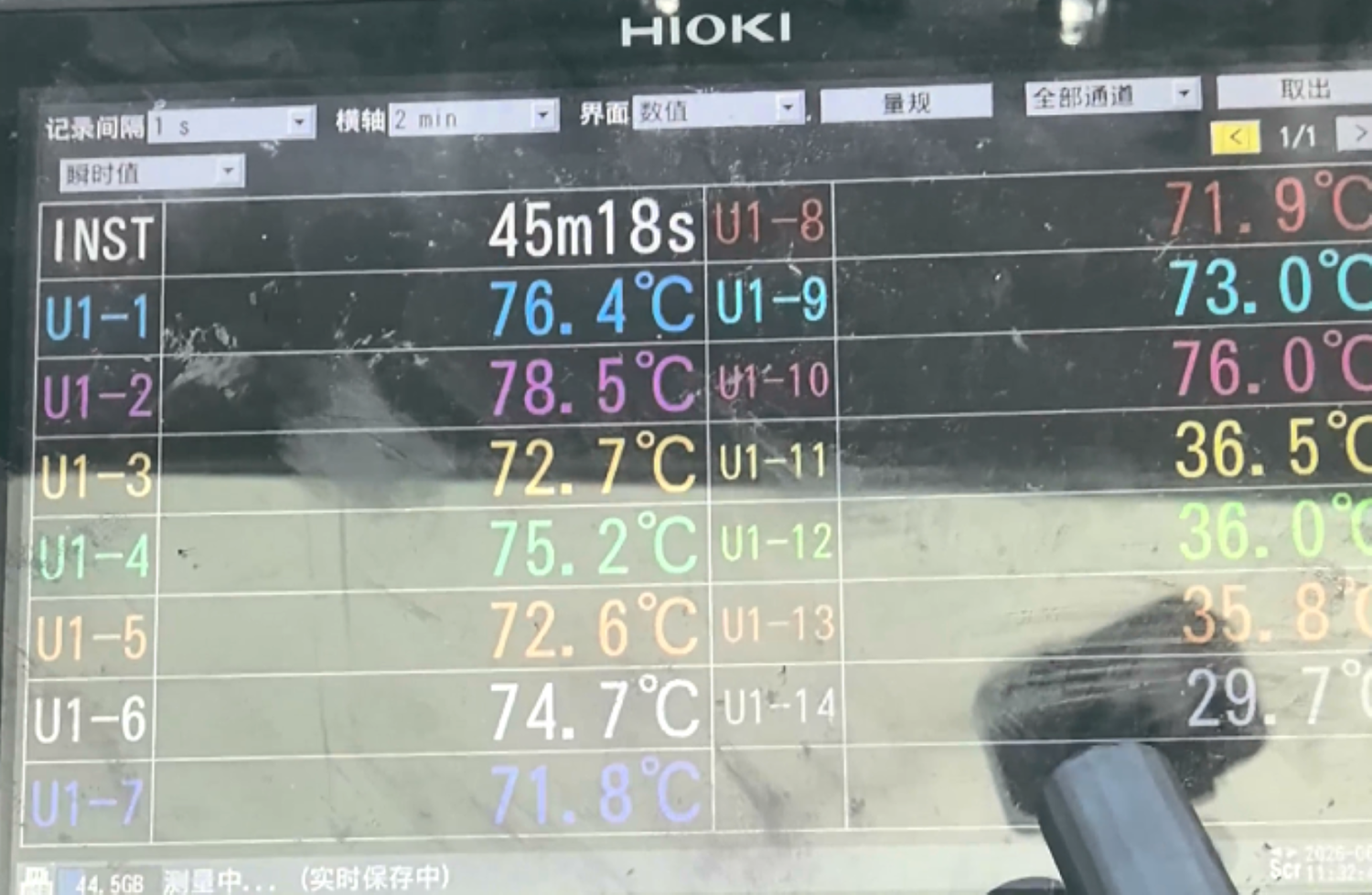
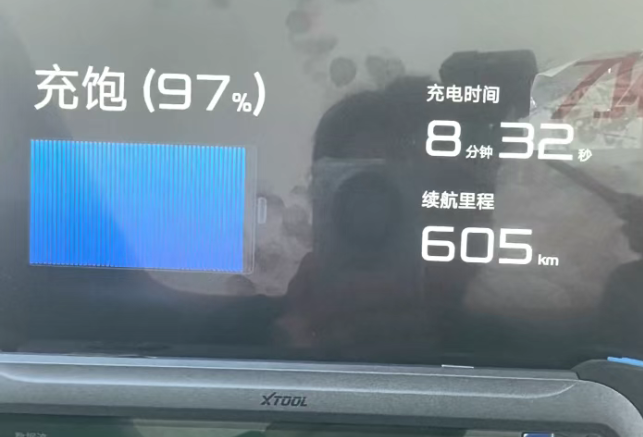



















Banned blogger commissioned an accredited laboratory evaluation following tighter scrutiny of independent vehicle testing activities. Credit: Cai Shen Dao Understand China EV’s Market Real-time notifications when critical EV data is released All important data in one place 2,000,000+ data points Become a member After its earlier self-testing attracted attention, automotive self-media outlet Cai Shen Dao commissioned a laboratory evaluation of BYD’s second-generation Blade Battery, which recorded a peak cell-surface temperature of 78.5°C during a high-current flash-charging session. The evaluation used BYD’s Fang Cheng Bao Tai 3 (FCB Ti3) Flash Charging Edition, specifically the dual-motor AWD variant. The model is equipped with a 78.72 kWh lithium iron phosphate (LFP) battery pack, produces 310 kW of combined output, and has a 565 km CLTC range rating. During the test, the SUV charged from 7% to 97% state of charge (SOC) in 8 minutes and 32 seconds, with peak charging current reaching approximately 1,200 amps. The laboratory measurements also showed an approximately 8°C difference between direct temperature probes installed on the battery cell surface and the vehicle’s battery management system (BMS) temperature data. From battery teardown to laboratory testing Cai Shen Dao previously attracted attention after dismantling a BYD Blade Battery 2.0 pack to document its internal cell structure. The same team later conducted a May 2026 flash-charging temperature test using its own equipment, reporting a peak cell-surface temperature of 76.42°C, while the vehicle’s BMS showed 71.0°C. The earlier results led to discussion around testing methods used by automotive self-media channels. To obtain additional measurements under laboratory conditions, Cai Shen Dao commissioned Guolian Research Institute, part of the China National Power Battery Innovation Centre, to conduct a follow-up evaluation. The latest test came after Cai Shen Dao’s accounts were restricted across several Chinese platforms, including WeChat, Bilibili, Douyin, and Weibo, following tighter restrictions around automotive testing content from self-media channels. The team also noted that dedicated national standards for ultra-fast charging temperature-rise evaluations are still developing, with current third-party assessments relying on complete vehicles rather than standalone battery packs. The laboratory report was shown in Cai Shen Dao’s July 15 WeChat Channels video. A banned Chinese car blogger’s latest BYD battery test has revealed one of the most detailed looks yet at the thermal conditions behind fast EV charging. Inside the 1,200A flash-charging evaluation Guolian installed physical temperature probes on the battery cells while recording the vehicle’s BMS data during charging. A probe attached to the cell’s large face recorded the highest reading at 78.5°C. Testing was carried out at outdoor temperatures ranging from 29.0°C to 29.7°C. The published laboratory results showed: Charging range: 7% to 97% SOC Charging time: 8 minutes 32 seconds Peak charging current: approximately 1,200 A Maximum cell-surface temperature: 78.5°C Time for measured temperature to fall below 70°C: 14 minutes Time for measured temperature to fall below 60°C: 32 minutes 56 seconds The Fang Cheng Bao Ti3 Flash Charging Edition launched on March 13, 2026. The tested AWD version is priced at 169,800 yuan (25,100 USD), while the entry-level rear-wheel-drive version starts at 153,800 yuan (22,700 USD). The model uses BYD’s second-generation Blade Battery with Cell-to-Body (CTB) integration. The evaluation focused on thermal behaviour during a single high-current charging event. Why the probe and BMS readings differed During the same charging session, the physical probe recorded a peak temperature of 78.5 °C, while the BMS reported approximately 70.5°C. The difference is related to where the two systems collect temperature data. Laboratory probes measure localised temperatures at the battery cell surface, while BMS sensors are integrated into the vehicle’s battery system and monitor temperature through the battery management architecture. The two systems were therefore measuring different points within the battery rather than identical locations. The result provides another data point on the development of BYD’s fast EV charging, as automakers continue to balance charging speed, thermal management, and battery durability.