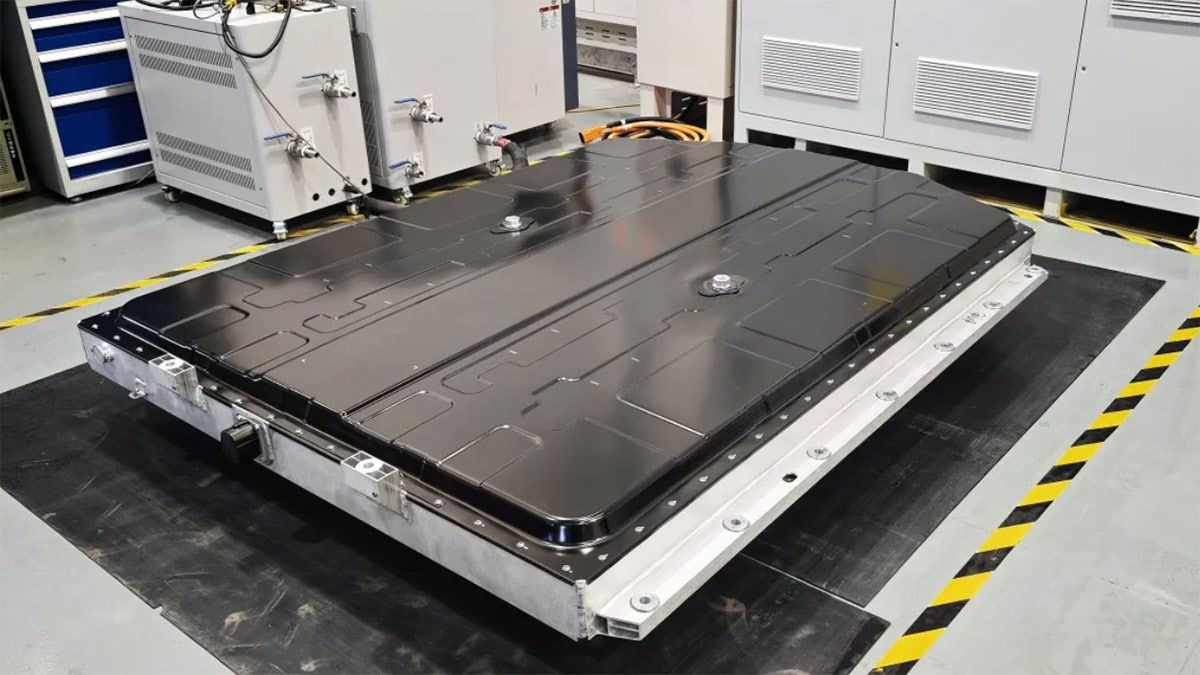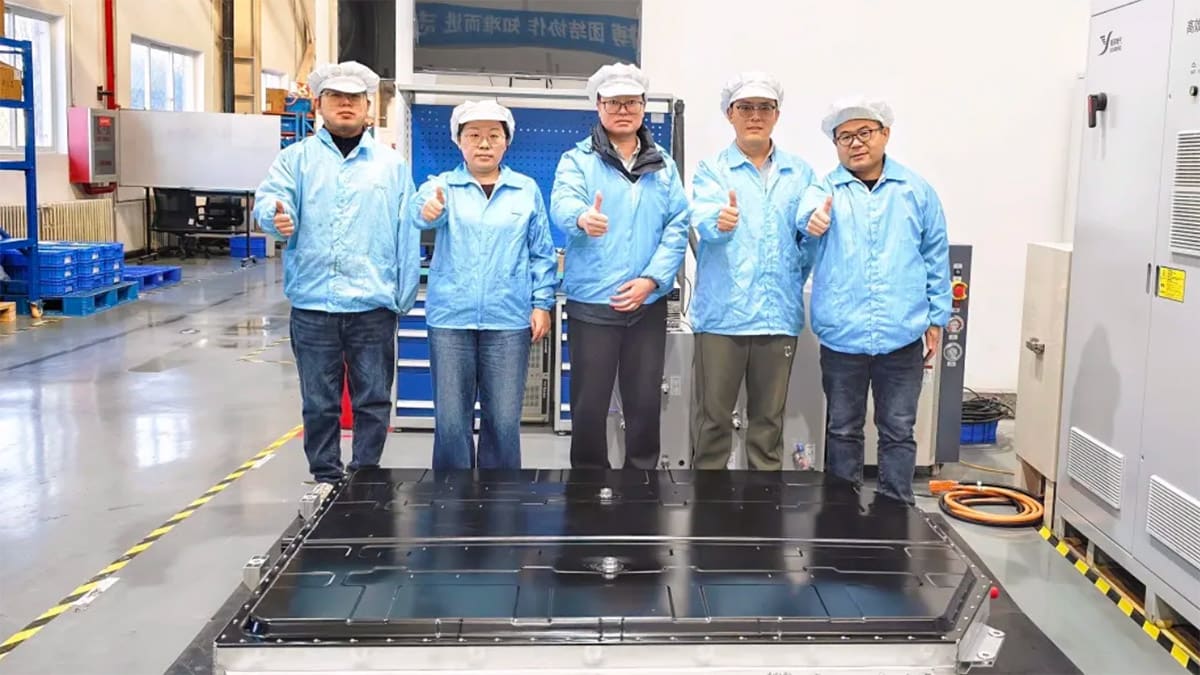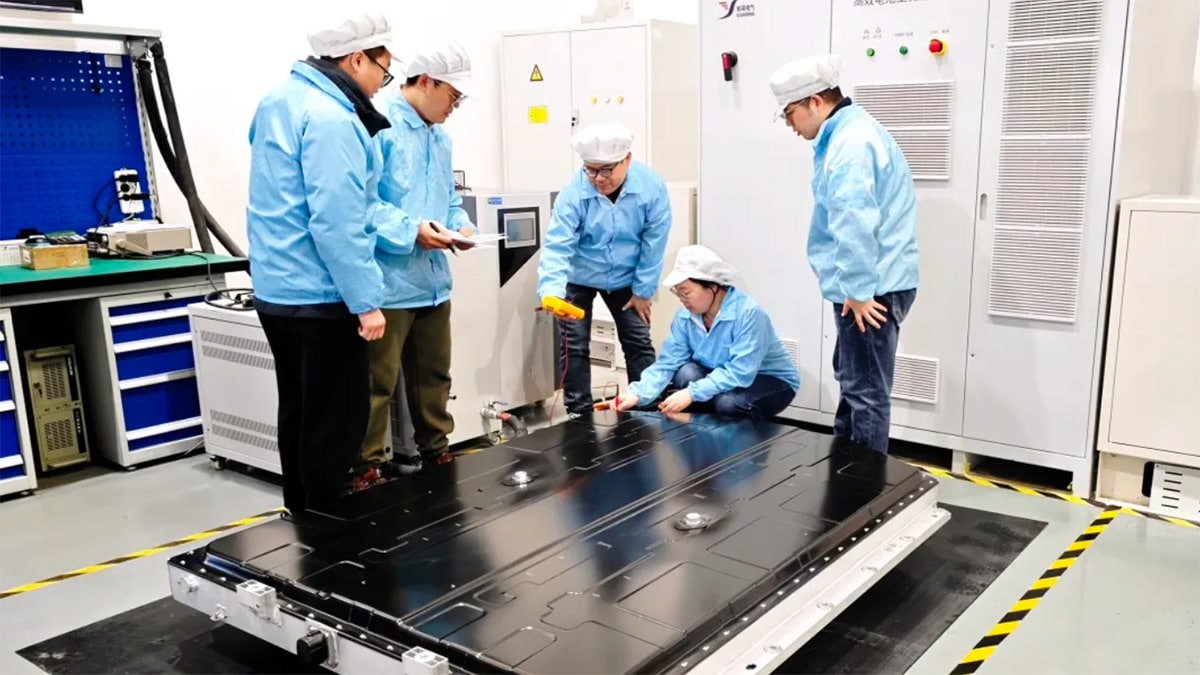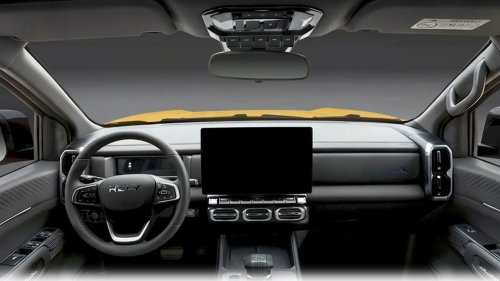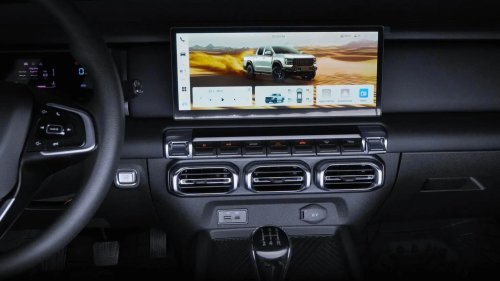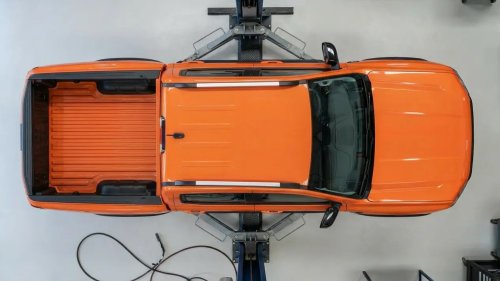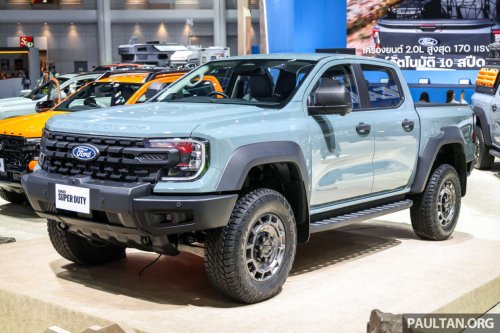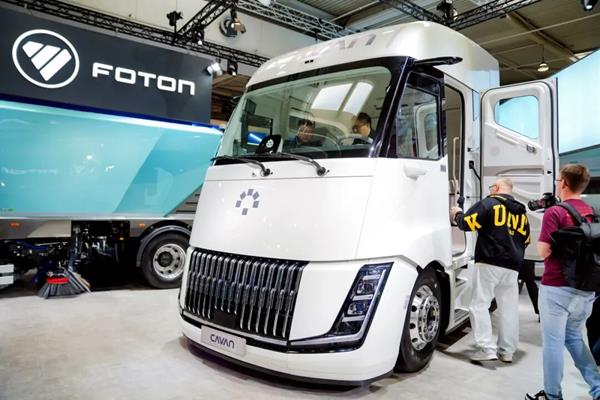
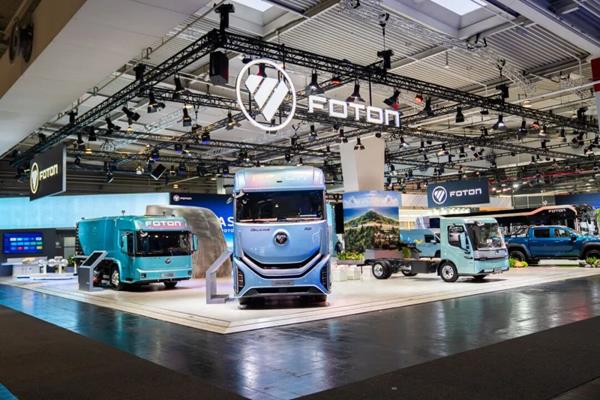




















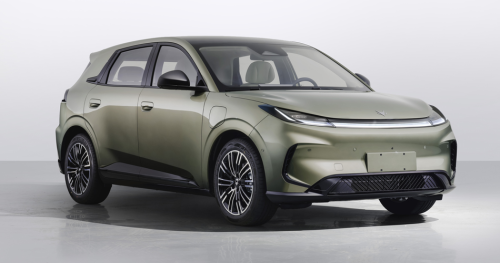



HANNOVER, Germany — Chinese commercial vehicle manufacturer BAIC Foton used the sprawling halls of IAA Transportation 2026 to signal that its ambitions in Europe extend far beyond exporting sheet metal from afar. At a dedicated press briefing in Hall 21, company executives rolled out an expansive product offensive that combined heavy zero-emission line-haulers with regional vans, proprietary megawatt charging hardware, and a formal commitment to establish European assembly plants before the decade is out. The event was also the global debut of the Cavan Beacon, a purpose-built heavy-duty freight truck that departs from the industry practice of adapting diesel chassis for battery packs. Engineered from the ground up on a modular architecture, the Beacon accommodates battery-electric, battery-swapping, compressed gaseous hydrogen, and liquid hydrogen setups across 15 operational permutations. Company engineers focused heavily on turn-around times, targeting the stubborn charging bottlenecks that continue to complicate long-haul fleet electrification. Operating on an 800-volt electrical architecture paired with megawatt charging systems capable of handling up to 1.44 megawatts, the battery-electric Beacon can draw a 20 percent to 80 percent charge in roughly 18 minutes. Under controlled highway conditions, that equates to adding about 100 kilometers of range in six minutes. The truck posts a stated single-charge range of more than 600 kilometers in battery-electric trim, while hydrogen fuel cell configurations claim an operational radius exceeding 1,000 kilometers. Aerodynamic shaping gives the tractor a 0.28 drag coefficient, holding highway energy consumption to an estimated 105 kilowatt-hours per 100 kilometers on 4×2 setups and 115 kilowatt-hours on 6×4 variants. To manage highway fatigue, the cab houses a centralized domain control unit linking seven optical cameras, five millimeter-wave radar units, and a roof-mounted lidar sensor. The system orchestrates 22 driver-assistance features across 114 specific highway driving scenarios, handling lane centering, adaptive cruise spacing, and semi-autonomous lane changes. Inside, the sleeper cab features four-point floating air suspension seating, dual digital displays measuring 12.3 and 15.6 inches, and 420 liters of integrated storage. BAIC Group general manager and BAIC Foton chairman Chang Rui handed over the company’s 13 millionth production vehicle on site. This ceremony also served as a marker for the company’s manufacturing scale, as the milestone truck, a Galaxus 9 heavy tractor, had just wrapped up exhaustive operating trials on Spanish highways ahead of customer deliveries. Foton executives compared the appearance to the opening chapter of an operating roadmap dubbed “In Europe, For Europe.” Executive vice president Liu Xuguang announced the group’s global targets for 2030, calling for new energy models to represent half of all corporate sales and for overseas deliveries outside China to generate 40 percent of total volume. Meeting those numbers will require moving past traditional distribution channels. Foton currently maintains dealer networks across nearly 20 European nations, supported by 300 service outlets, a central parts hub in Germany, and national warehouses in 17 countries, including France, Hungary, and the United Kingdom. By 2028, the company expects to complete full sales coverage across major Western and Central European economies. More significantly, Foton plans to establish a dedicated European engineering center and launch localized knock-down vehicle assembly within the European Union, subject to final regulatory clearance. Telematics and localized fleet services will run through Brock, the company’s German subsidiary. The balance of the seven-vehicle stand in Hannover addressed urban and municipal duty cycles. The Cavan C1 electric urban delivery van and the eAurora transit bus were shown with completed European Union whole-vehicle type approvals in hand, clearing both for immediate commercial sale across the bloc. They were joined by the Daystar electric distribution truck, which claims a 600-kilometer urban operating range, the eGalaxus D3 municipal sanitation chassis designed for high-frequency stop-and-start duty, and the Galaxus R9 plug-in hybrid tractor, which mates a dedicated combustion engine to a transmission claiming 99.8 percent mechanical efficiency. For dual-purpose commercial and private buyers, the company showed the Tunland V9 plug-in hybrid pickup, which combines 350 kilowatts of system output and 800 Newton-meters of torque with an overall cruising range of 1,000 kilometers. Foton backed the vehicles with six standalone component exhibits, including proprietary commercial battery enclosures, vehicle control units, light and heavy electric drive axles, and industrial megawatt charging pedestals. The display reflected an effort to convince European logistics operators that the Beijing-based builder can supply not just individual vehicles, but the underlying engineering and charging infrastructure necessary to keep large electrified fleets rolling. Note: two or three more articles to complete the IAA Transport coverage. Comments and suggestions? Email: tribs.tribdino@gmail.com