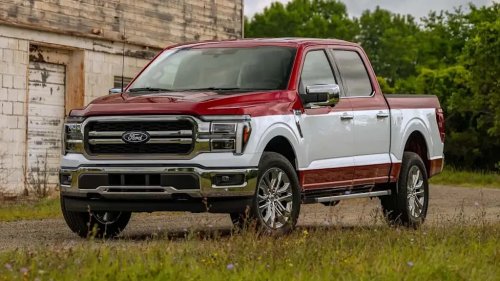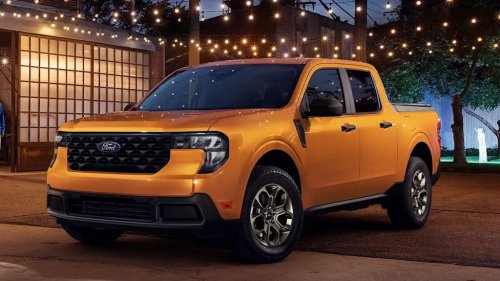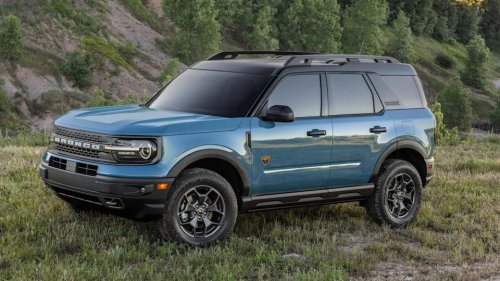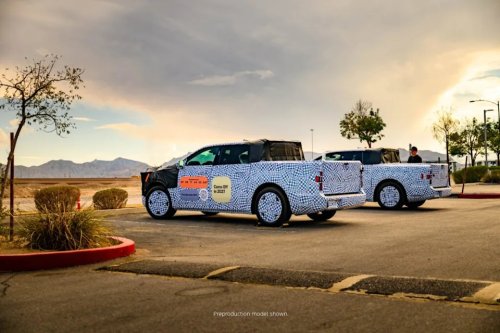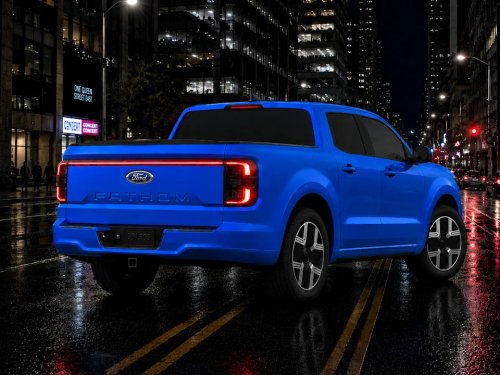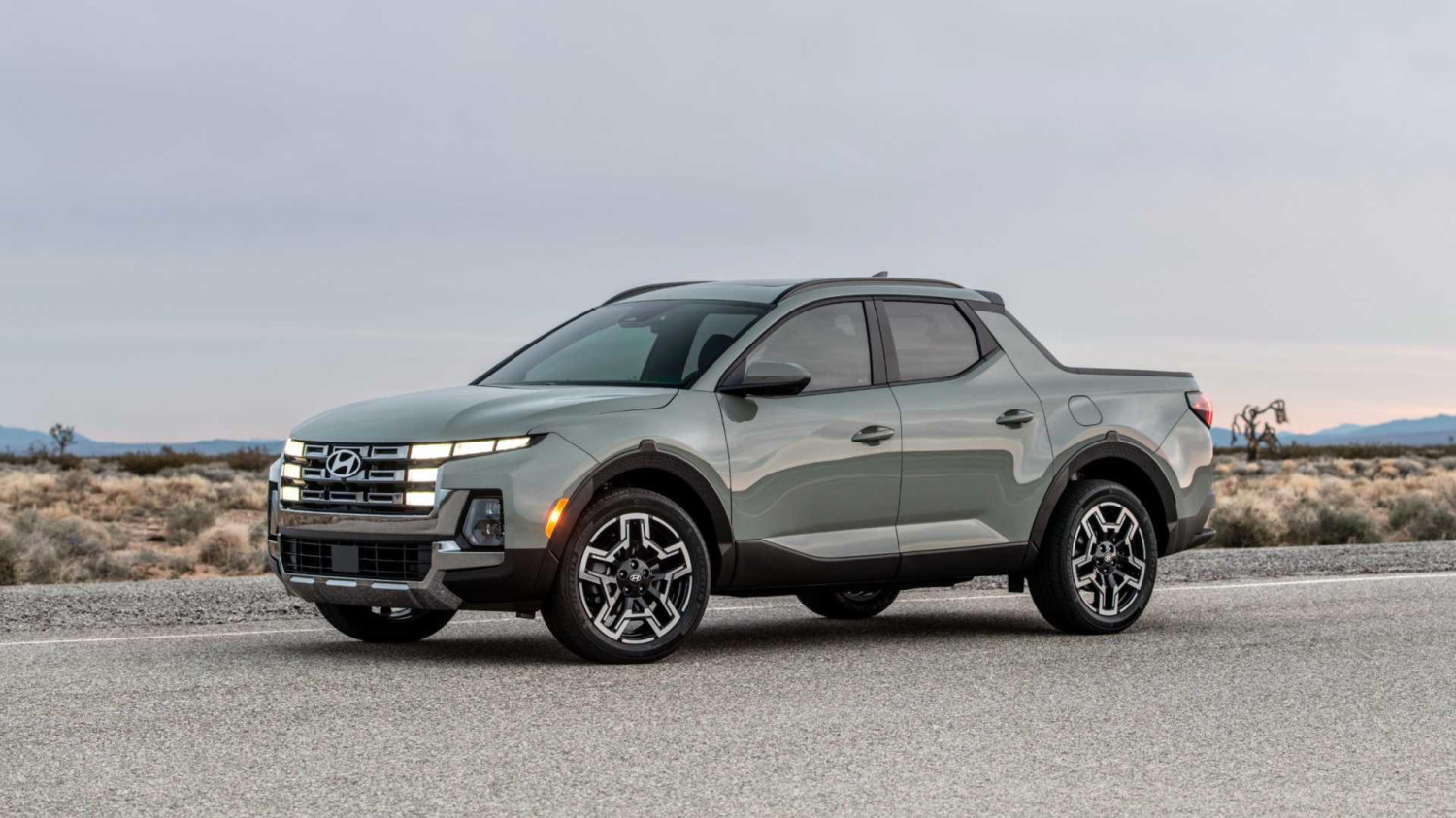
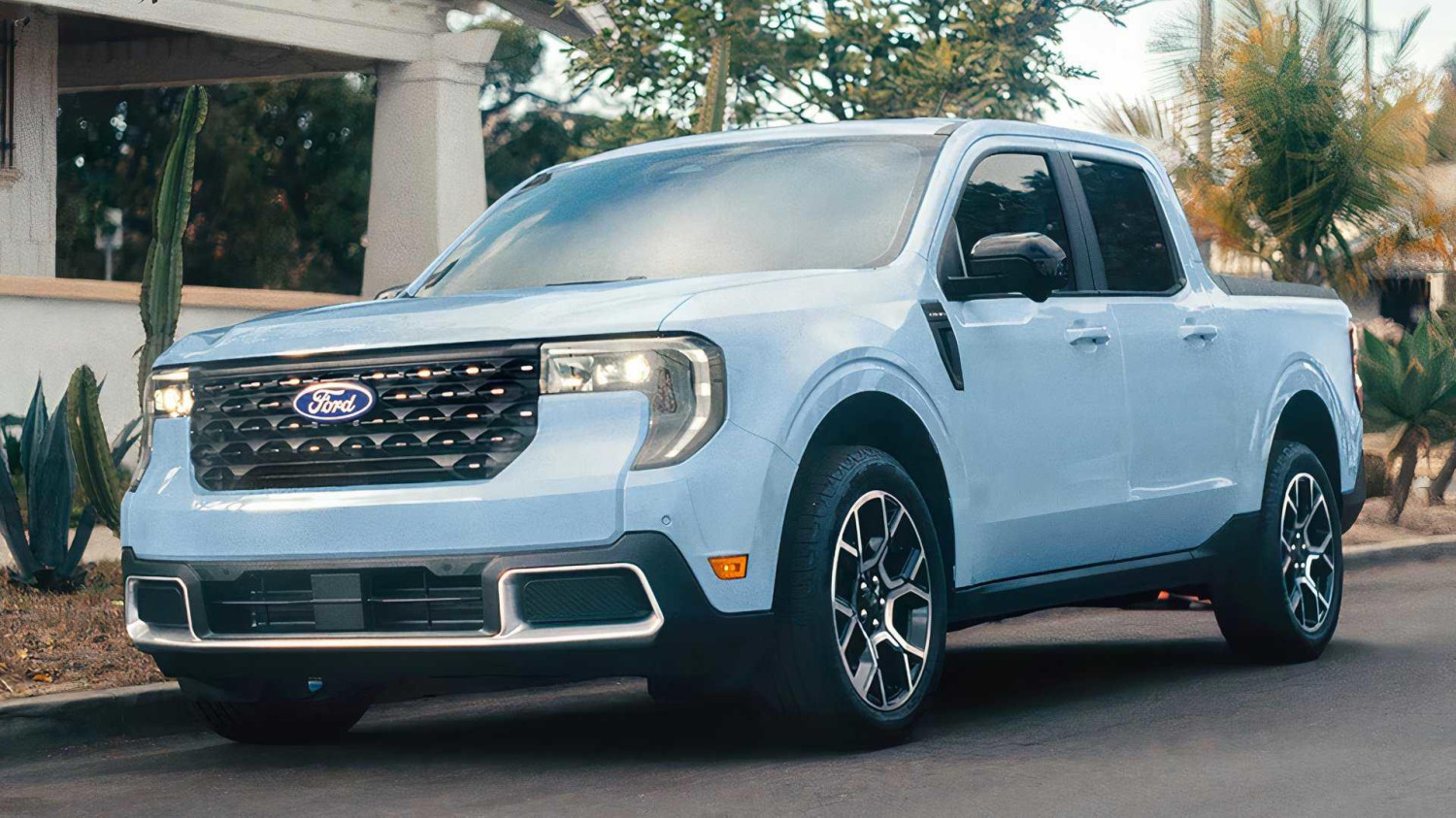
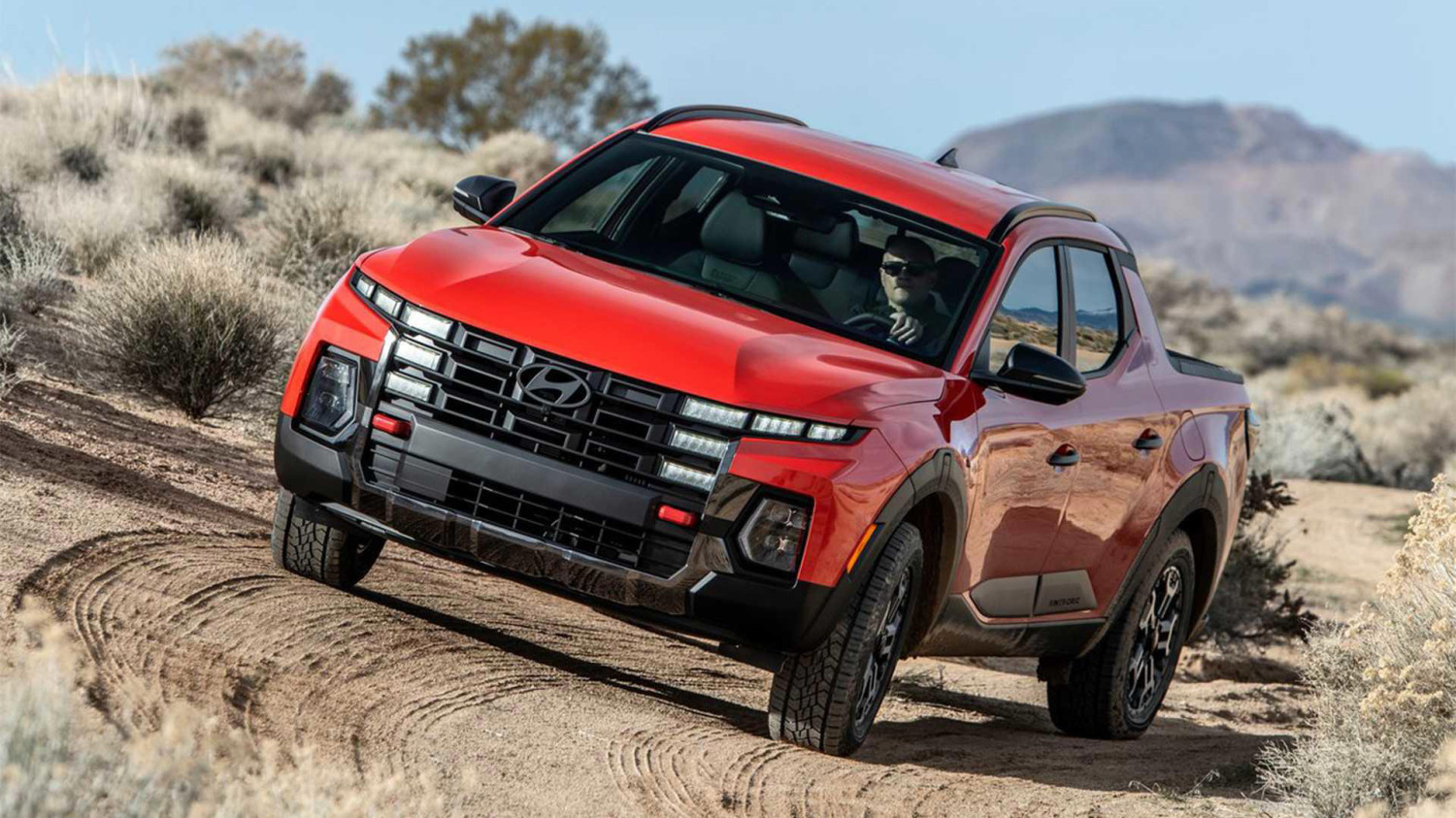



















For the past few years, the Ford Maverick has done something the auto industry rarely gets perfectly right on the first try. It created a new niche and instantly owned it. An affordable truck with real utility, city-friendly size, and hybrid efficiency sounded risky on paper. In reality, it unlocked a wave of buyers who wanted a pickup without the bulk, cost, or fuel bills of a full-size truck.Hyundai saw the same opportunity and answered with the Santa Cruz. It was bold, different, and unashamedly quirky. But the market has now spoken. Hyundai is preparing to end Santa Cruz production after just one generation, leaving the Maverick alone at the top of the compact pickup segment. The decision marks a quiet but meaningful turning point in how automakers are rethinking small trucks in America. Hyundai Pulls The Plug On Santa Cruz HyundaiAccording to Automotive News, Hyundai plans to discontinue the Santa Cruz before the second quarter of 2027. That means no second generation, no major refresh, and no long-term future for the compact pickup experiment. Dealers are already sitting on roughly five months of Santa Cruz inventory, and production is being cut significantly ahead of its exit.In the third quarter of 2025, the Maverick controlled 86% of the compact pickup segment. Santa Cruz held the remaining 14%. Across last year, Ford outsold Hyundai by roughly six to one. That kind of gap is difficult to justify in a segment that still represents a relatively small slice of the total truck market.Pricing and powertrain strategy played a big role. The Santa Cruz launched at a higher price point than the Maverick and never offered a hybrid option. Meanwhile, Ford made hybrid efficiency the headline feature from day one. For many buyers, that was the difference between curiosity and commitment. Hyundai has acknowledged that the Santa Cruz delivered valuable experience and brand presence in the U.S. market. That is corporate language for a learning exercise that did not meet long-term business goals. Ford's Maverick Truck Stands Alone For Now FordWith Santa Cruz heading out, the Maverick becomes the only compact pickup on sale in America for the immediate future. Toyota has confirmed it is developing a competitor, but that truck has not yet reached showrooms. Ram has flirted with a compact concept, then hinted that it may instead focus on a midsize offering. For now, Ford has the segment to itself.The Maverick has proven that demand is real, not theoretical. It appeals to first-time truck buyers, urban drivers, and customers who want utility without committing to a full-size footprint. It also introduced buyers to Ford’s hybrid technology in a body style that has traditionally prioritized performance. Without direct competition, Ford has breathing room. That likely means sustained demand, strong pricing power, and the ability to refine the formula rather than reinvent it. It also raises the bar for whoever shows up next. Any new rival will have to match price, efficiency, capability, and everyday usability right out of the gate. No pressure, Toyota. Hyundai’s Next Truck Will Play By Different Rules HyundaiHyundai is not walking away from trucks entirely. Instead of trying again in the compact space, it plans to launch a larger, body-on-frame midsize pickup before 2030. This future model is expected to be more conventional in layout and capability, aimed squarely at established players like the Ford Ranger. It will be exciting to see how this pans out, but we still have a long way to go until 2030. Find [[default_name]] and more cars for sale on our MarketplaceShop NowRather than chasing lifestyle buyers with a crossover-based truck, Hyundai appears ready to enter the heart of the traditional truck market. It is a higher-risk move, but one with potentially higher rewards if executed correctly. My neighbor with two Santa Cruzes in the driveway will be distraught. In the end, the Santa Cruz will be remembered as an interesting idea that arrived at the right time but with the wrong formula. The Maverick, meanwhile, proved that small trucks can be practical, affordable, and genuinely desirable. For now, Ford owns the compact pickup space. Everyone else is back at the drawing board.