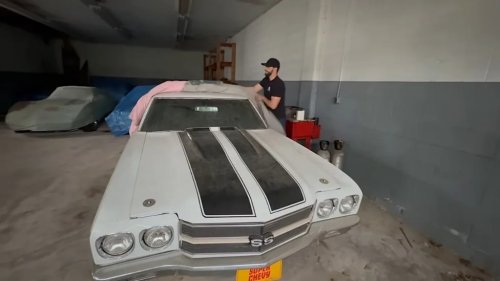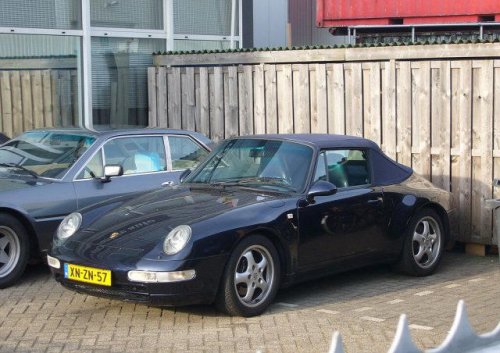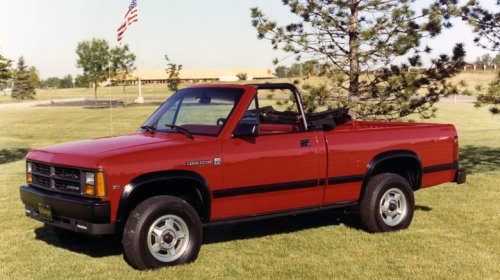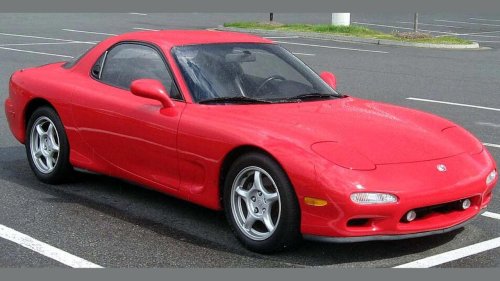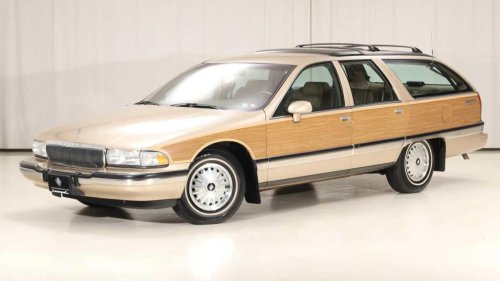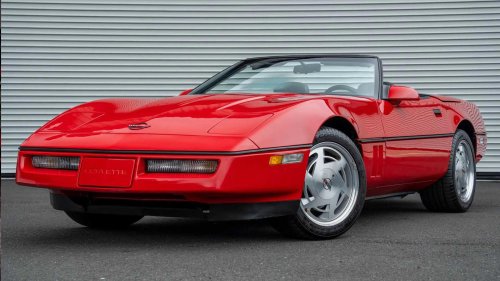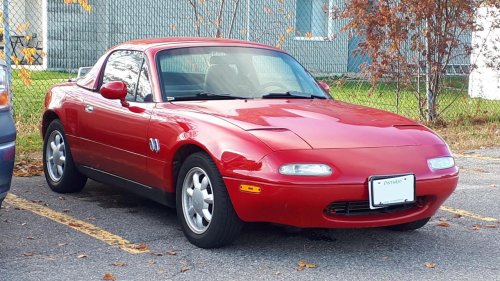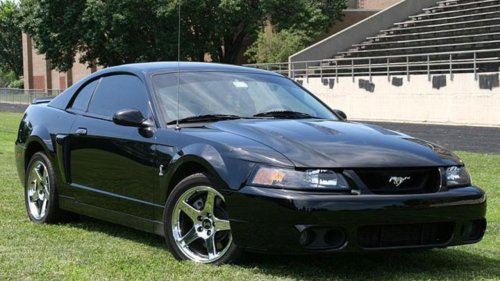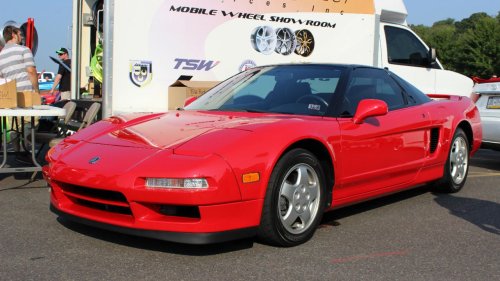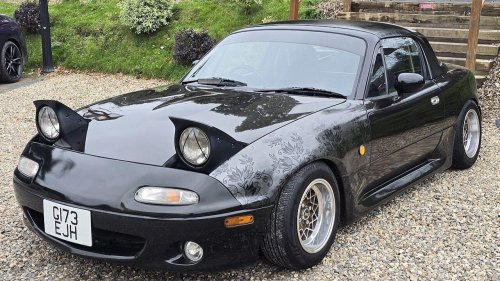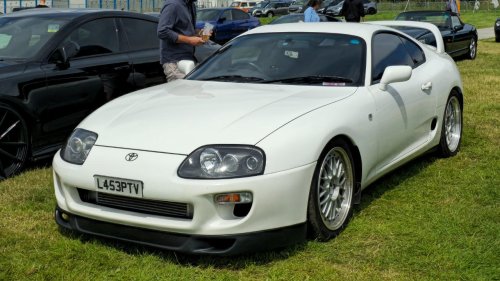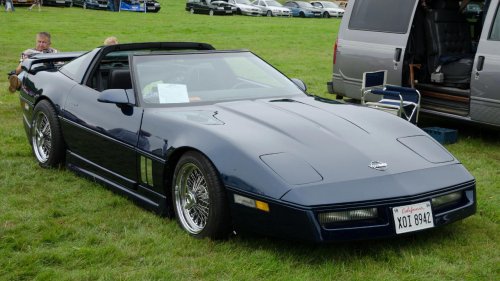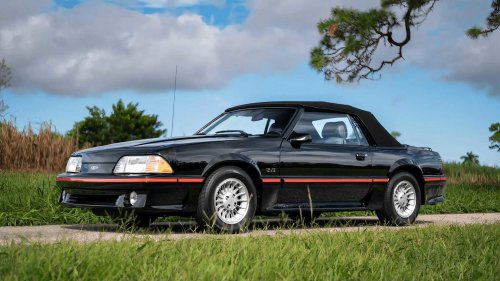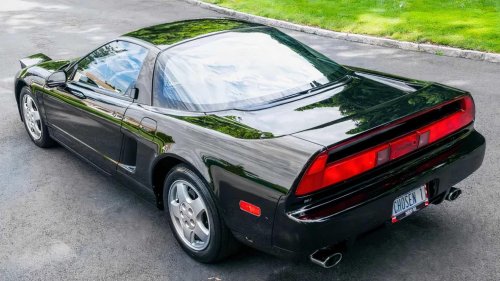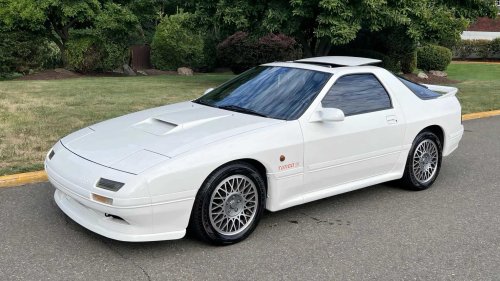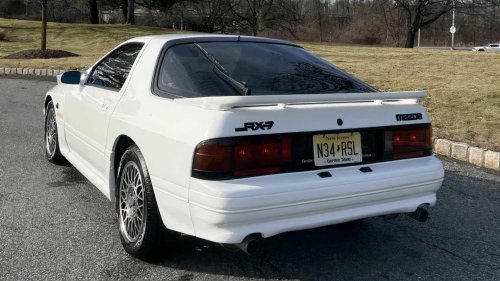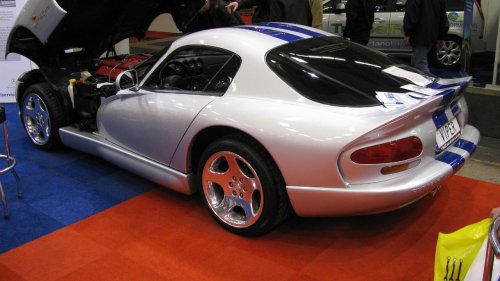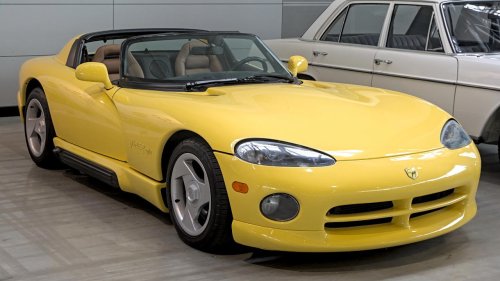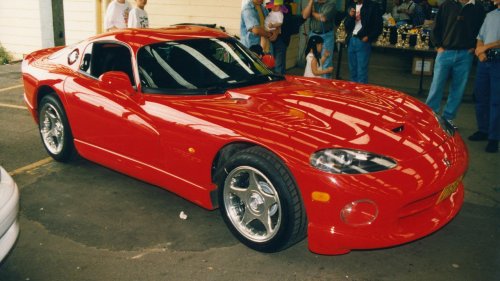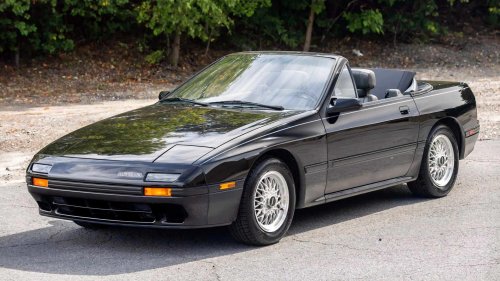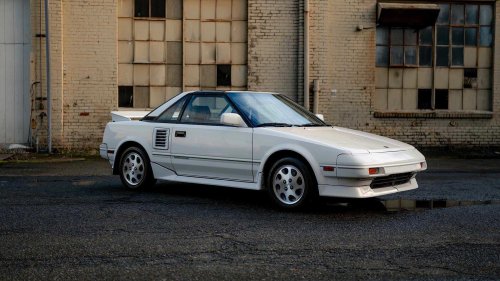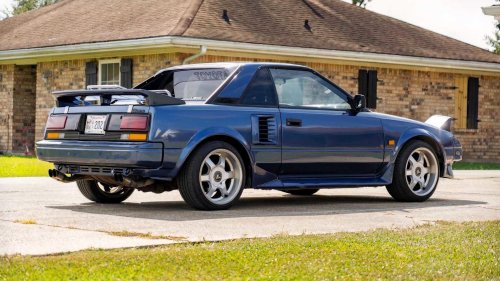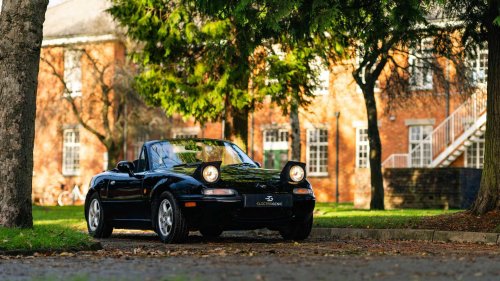
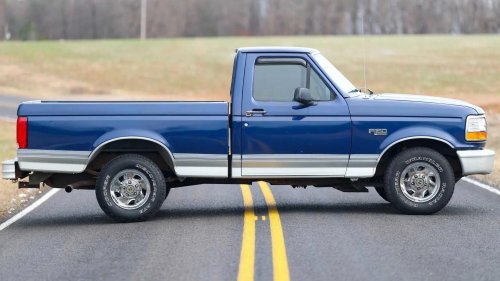
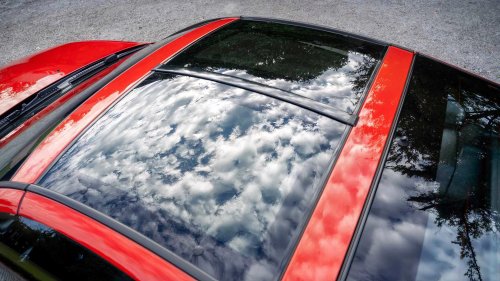
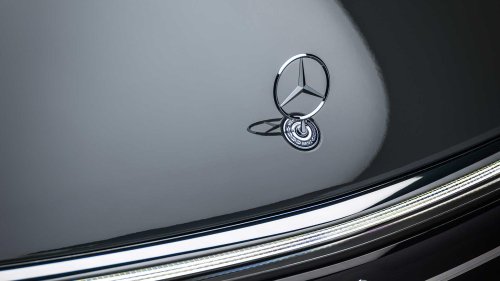
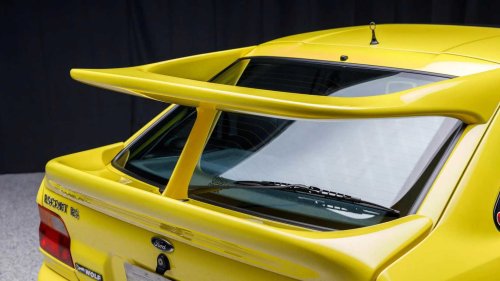
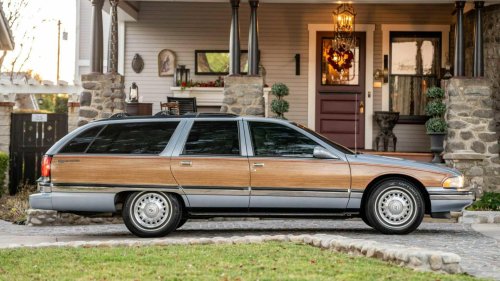
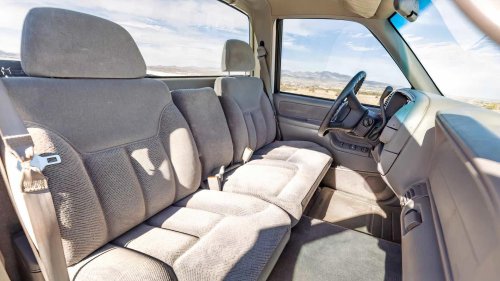
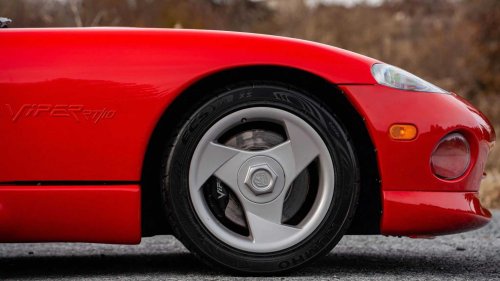
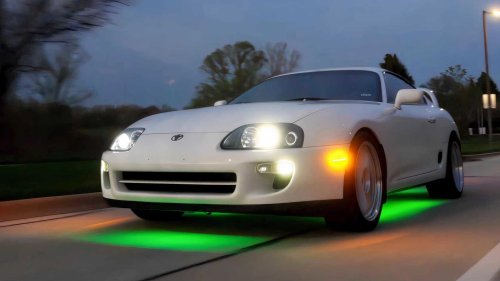
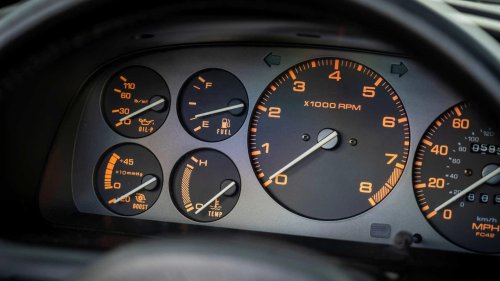



















The 1990s was a pivotal time when it came to automotive design. The boxy, square-headlighted days of the 1970s and 1980s were coming to an end, and a more rounded, modern shape was coming into effect. Spearheading the charge were models like the 1991 Chevrolet Caprice, the 1992 Mazda RX-7, and the NA Mazda MX-5 Miata. Some of these models also showcased some unique design features that were either introduced, or saw their last hurrahs during the decade.While there are loads of old-school stylistic points that came and went during the 1990s, there are some that carry more nostalgia than others. Of course, things like pop-up headlights and hood ornaments were prevalent at the time, but there were other, more subtle '90s design features that we forgot, but are missed when remembered. Here's our list of 10 1990s-era automotive design trends that never should have left us. Pop-Up Headlights Electrogenic Electric MX-5 Miata NA Black Lights Up Front AngleOf course, the pop-up headlight wasn't a new invention in the 1990s. In fact, pop-ups were spearheaded back in the late 1930s by an automaker called Cord, but remained largely unused until the early 1960s, when the C2 Chevrolet Corvette began to popularize them. During the 1980s and into the '90s, pop-ups exploded in popularity, and were a signature hallmark of '90s style. Sadly, new vehicular-pedestrian safety regulations limiting sharp surfaces on cars largely killed them off in the early 2000s. Factory Two-Tone Paint 1995 Ford F-150 In today's day-in-age, paint jobs are virtually all monochromatic, meaning just a single color is seen on the car's body. However, it wasn't always this way. Popularized in the 1950s, two-tone paint jobs were seen as fun, and were a great way to show off a particular model's design. The prevalence of two-tone jobs waxed and waned over the years, reaching a near-peak during the 1990s. However, in the 2000s, two-tone paint jobs were largely phased out as consumers began to prefer more subtle color options for their rides. T-Tops 1995 Nissan 300ZXThe coveted T-Top roof is a sorely-missed feature. Back in the day, building a car with T-Tops allowed its passengers to enjoy some open-topped fun without having to deal with using, or looking at, an ugly convertible rag top. Muscle cars made them popular, and other models like the Nissan 300ZX employed their use, as well. While many T-Top cars were prone to leaks, having the ability to pull a lever and remove parts of the roof on a whim injected some well-received freedom into your driving, and a sunny day became a much more enjoyable experience with the roof open. These days, the T-Top is all but nonexistent. Hood Ornaments 2024 Mercedes-Benz EQS Sedan-1If your car had a hood ornament, everyone knew you were a high-roller (or someone who wanted to be one, at least). The hood ornament wasn't a new thing in the '90s, much like the pop-up headlight. Hood ornaments were born out of old-school radiator caps featuring decorative tops found on cars built in the early days of motoring. Once radiators were put inside engine bays, the decorative hood ornament stayed. By the time the '90s rolled around, loads of cars had them as a way to show off to the world what you were driving, and that you were proud of it. In the US, the hood ornament was killed by more vehicular-pedestrian regulations, and now you rarely see them. The Bi-Plane Spoiler 1996 Ford Escort RS Cosworth (11)The bi-plane spoiler was a bit more niche of a design trend during the '80s and '90s, although it still had a large impact on the automotive world as a whole, especially among gearheads. In essence, a bi-plane wing is a spoiler within a spoiler, made most famous by the Porsche 964 and the Ford Escort RS Cosworth, the latter of which was only sold new in Europe. There were even tri-plane wings, namely found on the hot Escorts. Sadly, the bi-plane wing didn't actually do much regarding down force, and was more of a decorative piece. You can't argue that it's not cool, though. Wood Paneling 1996 Buick Roadmaster Estate wagon sideAt one point in time, slathering the sides of your car/SUV/station wagon with wood-effect vinyl was pretty friggin' cool. The woody look was first popularized in the 1930s and '40s, and carried on throughout the rest of the 20th century. However, much like a few of our aforementioned design cues, the wood-paneled car's last actual hurrah was the mid to late 1990s, when we were graced with the last of the ultra-cool woody wagons. Virtually the only car to carry the tradition into the new millennium was the Chrysler PT Cruiser, as it offered a wood-sided appearance package. Bench Seats 1998 Chevrolet Silverado bench seatGoing on a date in a bench-seat-equipped car is one of the highlights of youth. However, these days, the bench seat is basically gone. The 1990s, again, were probably the last bastion of the widely-adopted bench seat. It was the staple front-row seating arrangement for USDM models, and virtually every segment boasted more than a couple of model choices with benches. Nearly all of them also sported a flip-up center console, meaning when you didn't need the middle seat, you could still have an arm rest, console storage, and cup holders. Nowadays, we have to make do with a fixed center console getting in the way. Some base-spec full-size pickups still offer split-folding bench seats, and that's about it. Three-Spoke Wheels 1992 Dodge ViperNot five, not four, but just three spokes. In the late '80s and into the '90s, the three-spoke wheel was regarded as the pinnacle of new-age performance design. It was mainly popularized by motor racing, as its three-spoked design was found to decrease rolling resistance, increase speed maintenance and allow race cars to reach higher top speeds as a whole. Of course, what starts in racing becomes cool in the mainstream, and that's exactly what happened with the three-spoke. Once the '90s faded into the past, the three-spoke wheel was quickly forgotten about. Under Glow Rahim Hemaini / YouTube Under glow is one of those aftermarket modification trends that used to be super cool, but completely fell to the wayside. Sure, you'll see a lifted pickup with some under low these days, but rarely an impossibly-loud Honda Civic with it, and that's kind of a shame. Those of you that belong to the Millennial generation, and even the older Gen Z-ers, will remember the golden age of tuner-car video games, with titles like Need for Speed: Underground 2 and Midnight Club: Dub Edition coming to mind. One of the hallmarks of both games was the ability to customize your car and, of course, your last act of customization always had to be to add in some under glow. Analog Dashboards 1991 Mazda FC RX-7 Mk2 CabrioletLast on our list is one of the coolest aspects of yesteryear's automotive world: the analog dashboard. There's something about making your way through the gears and watching a mechanical needle rise and fall with your engine speed. With digital dashboards, which are extremely intuitive and convenient these days, you just don't get the same sort of feeling. Give me an old-school dashboard lit up by a dozen green, back-mounted light bulbs over a computer screen with a tachometer on it any day.