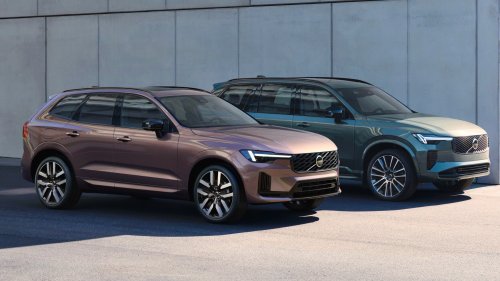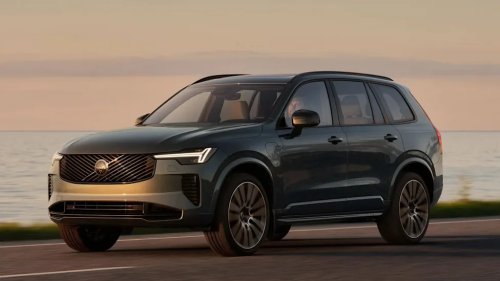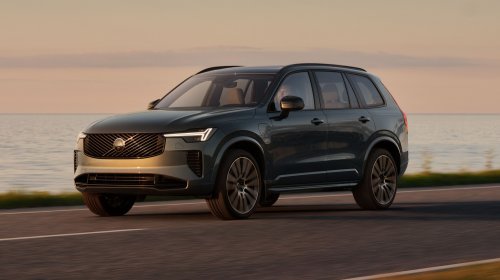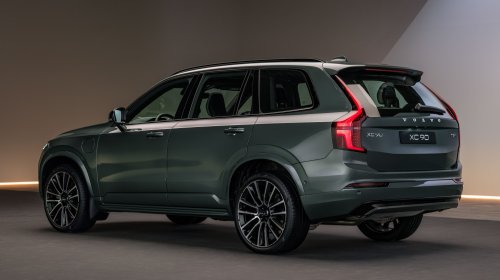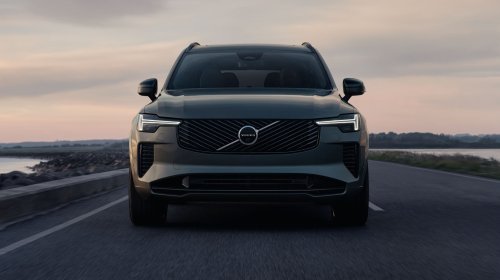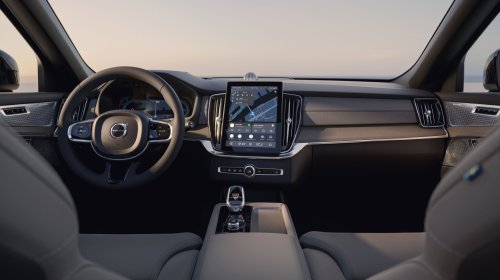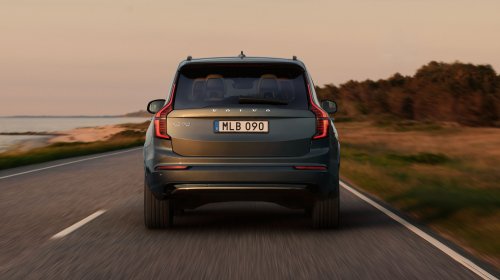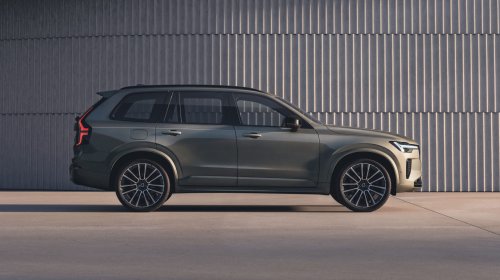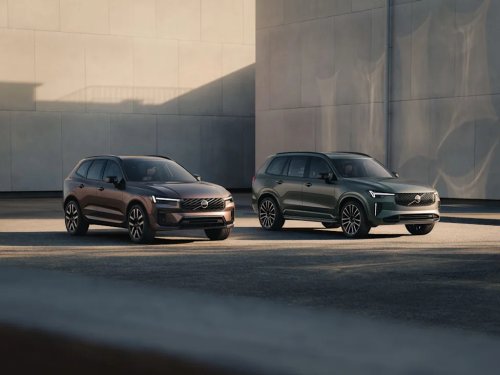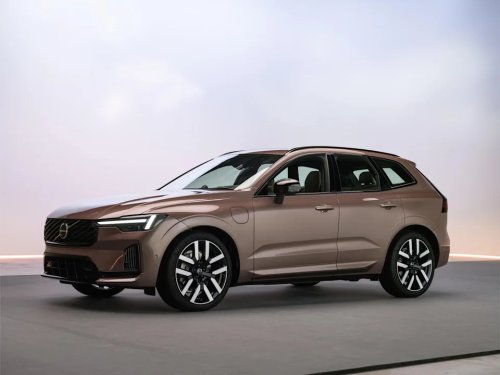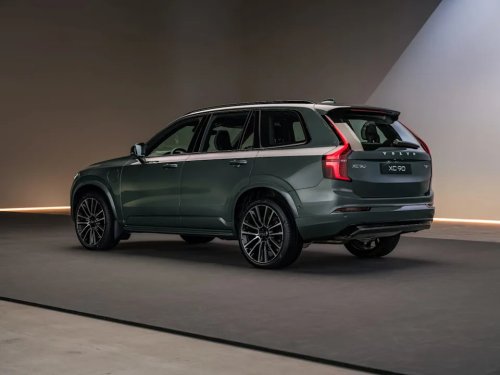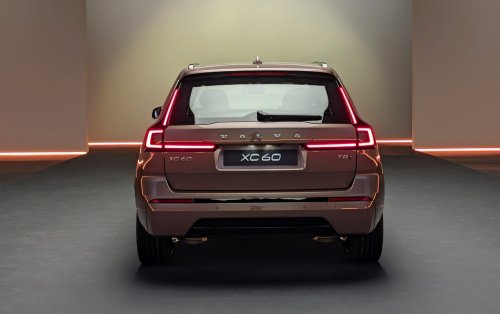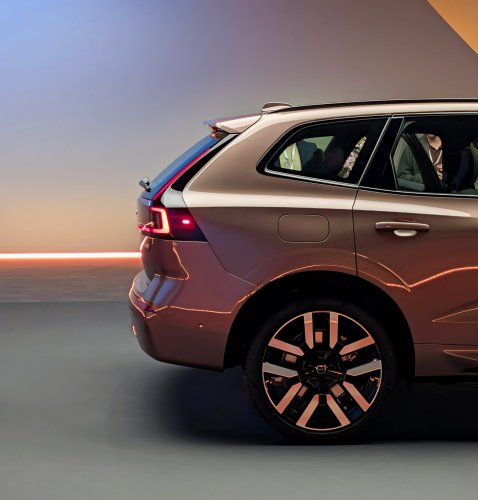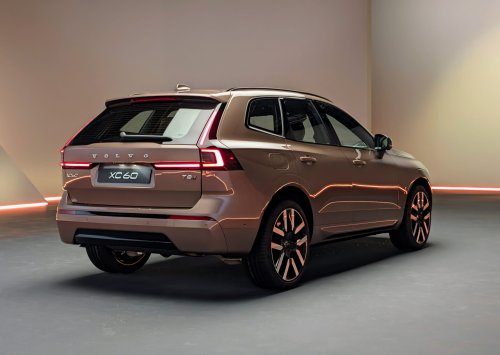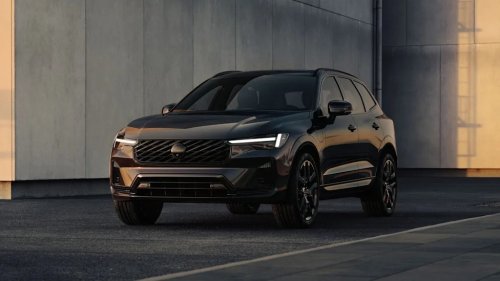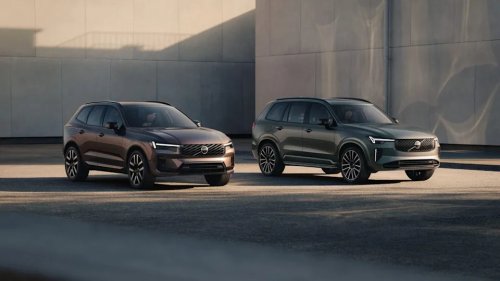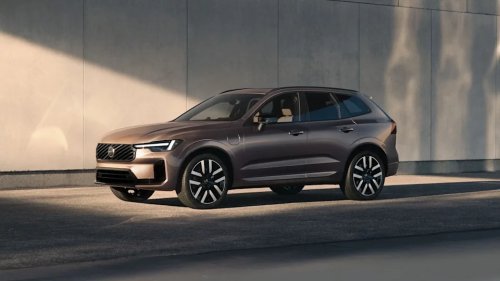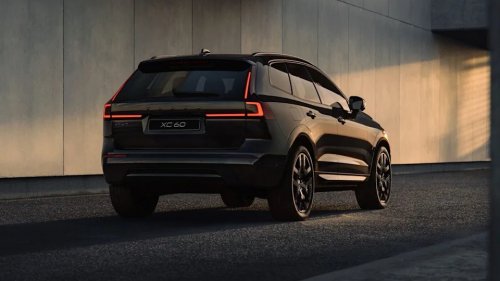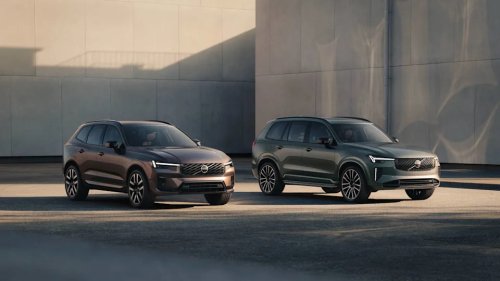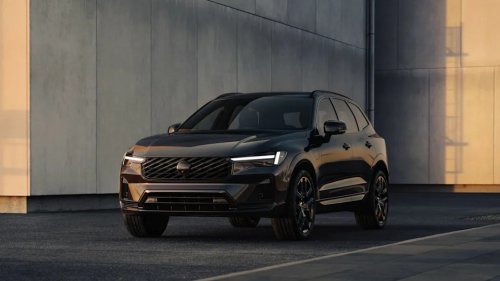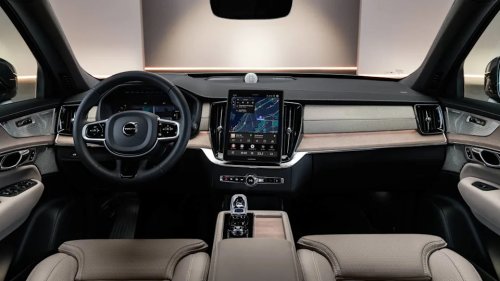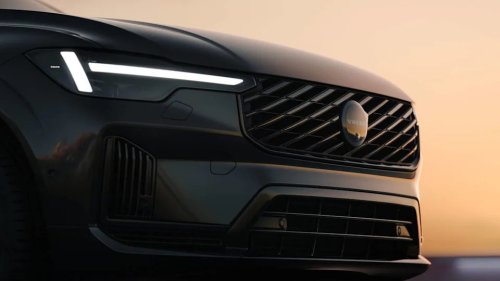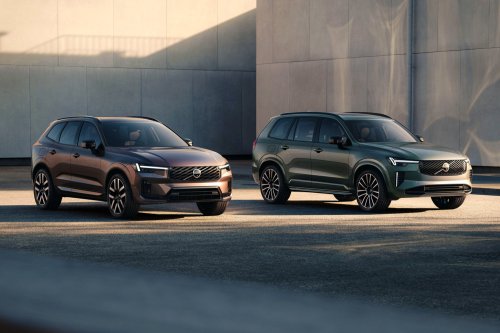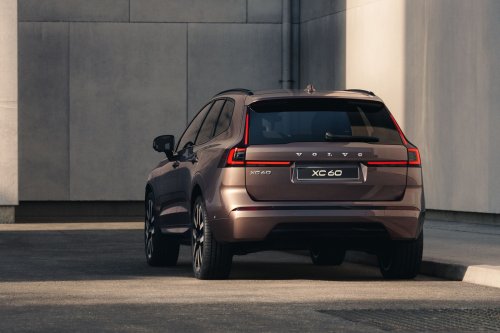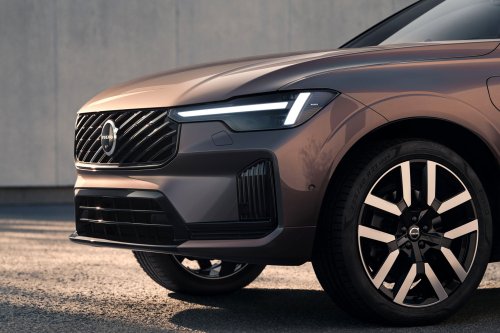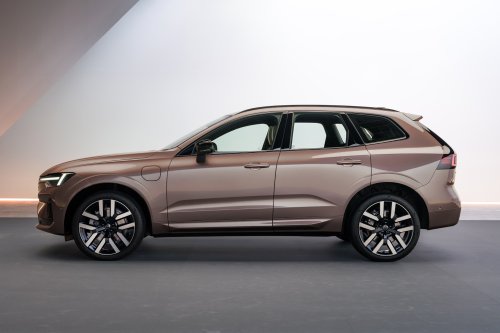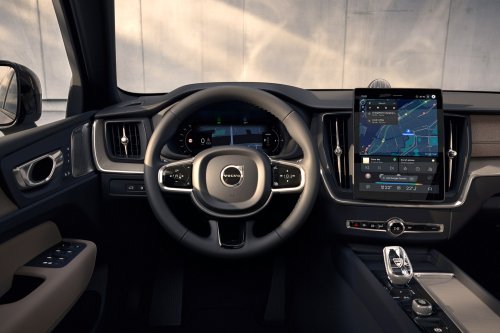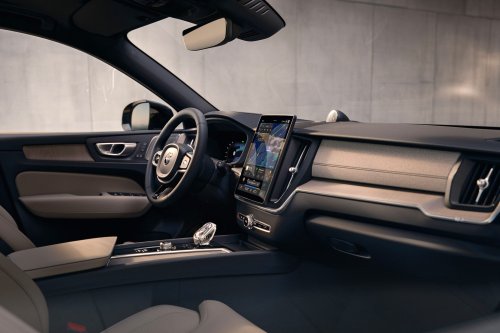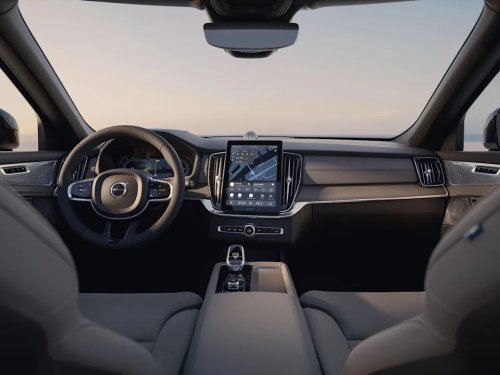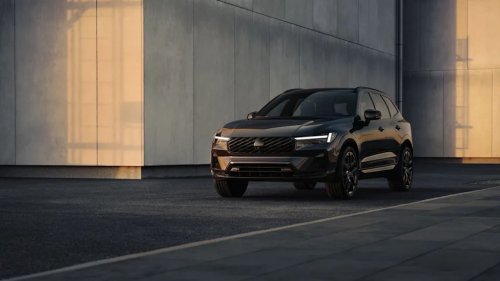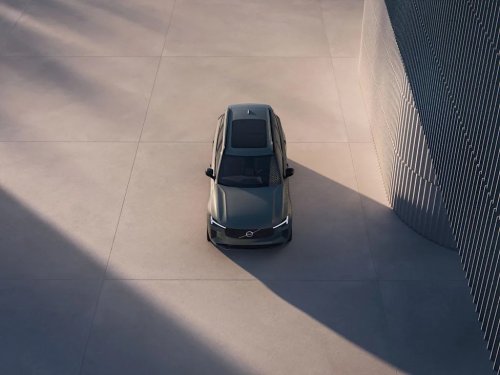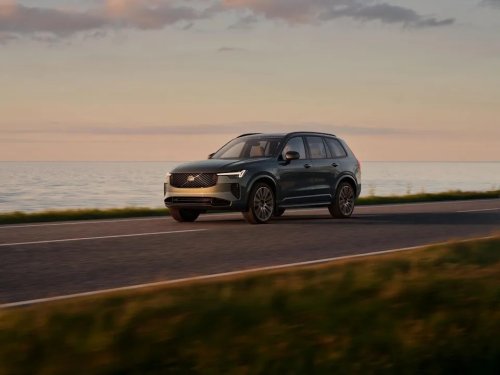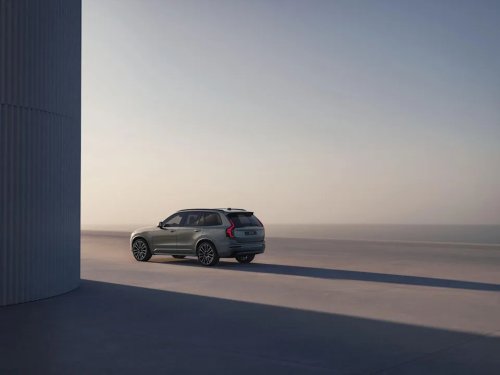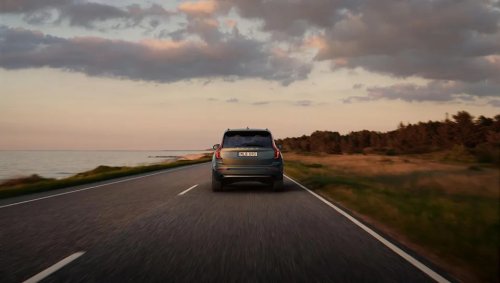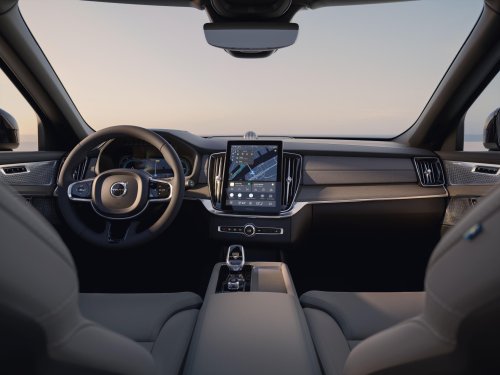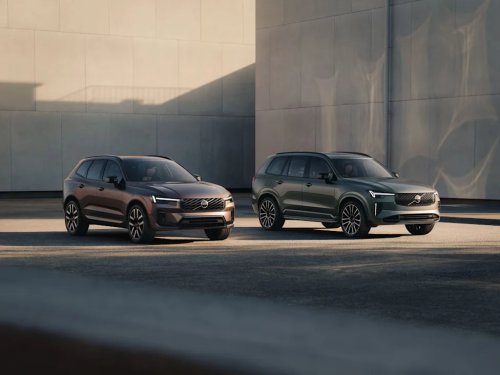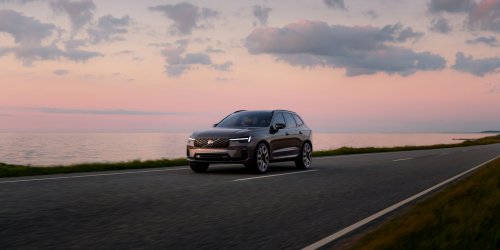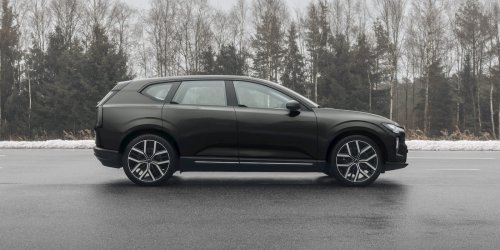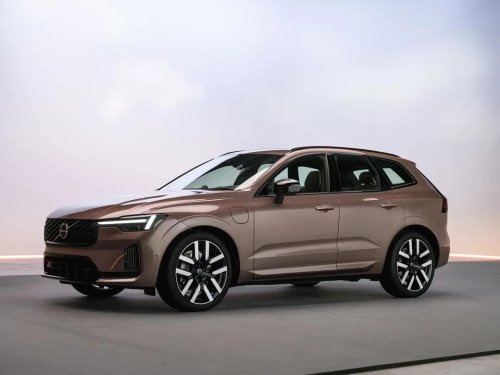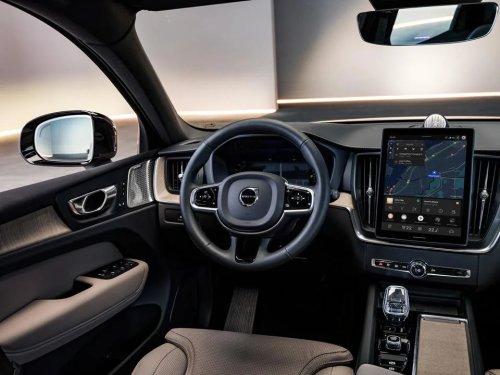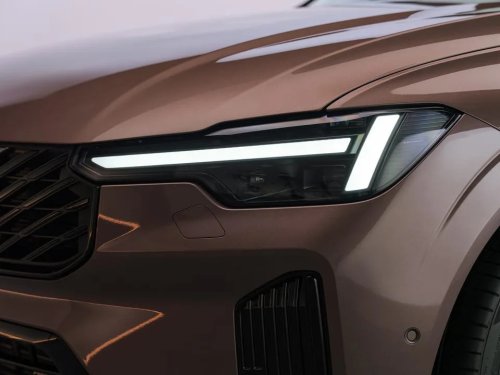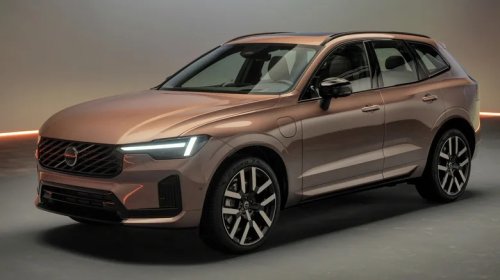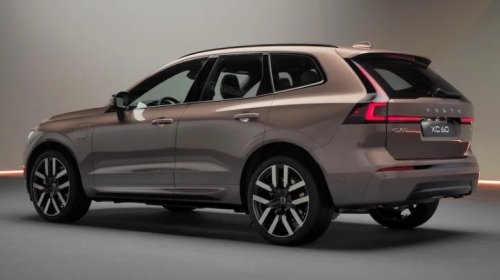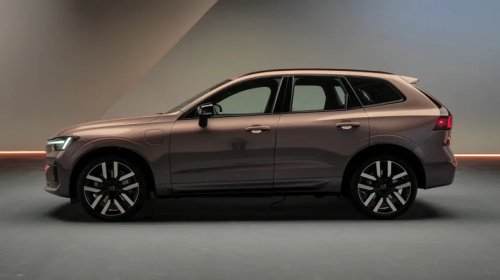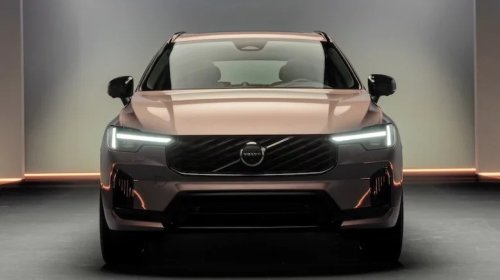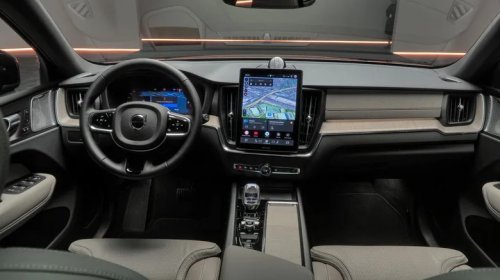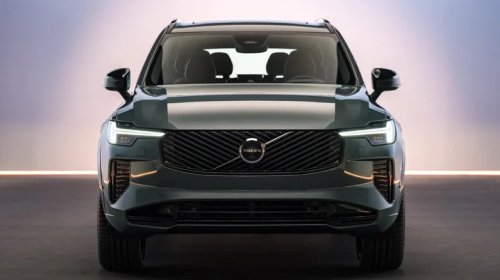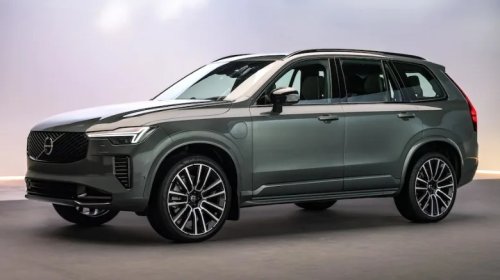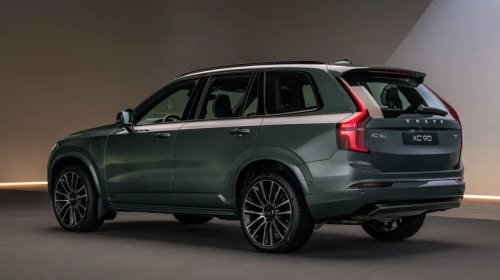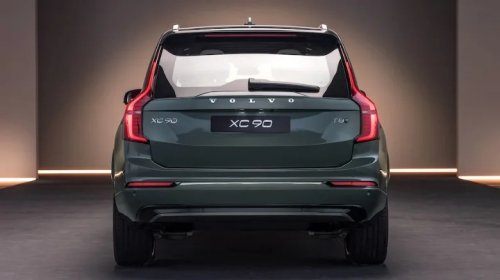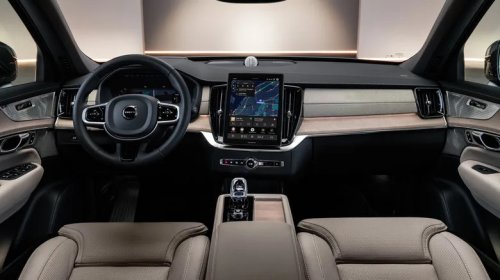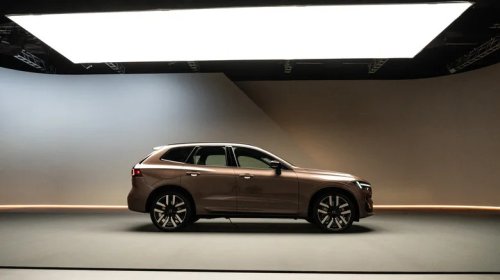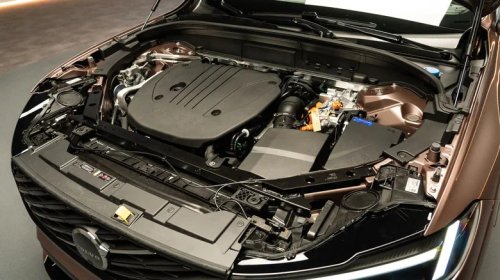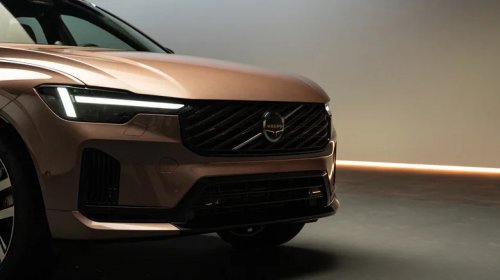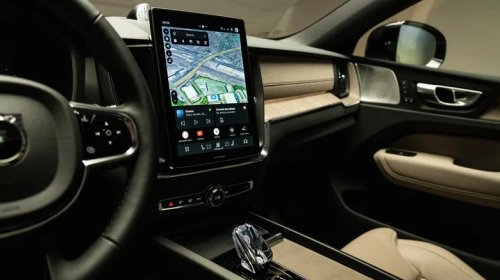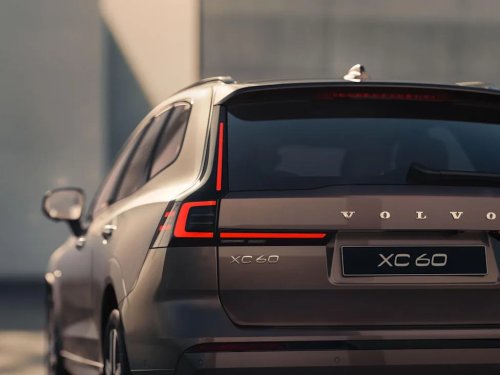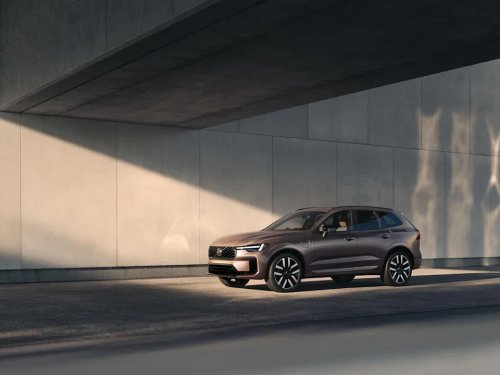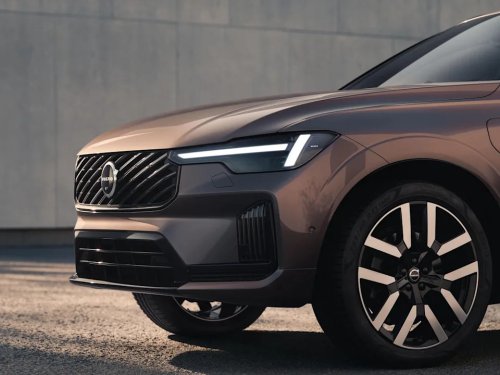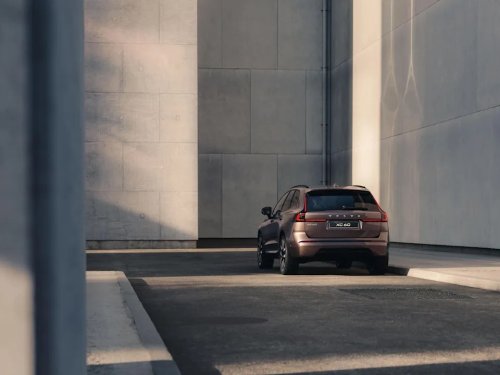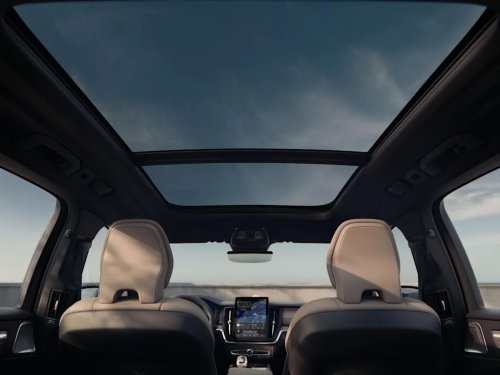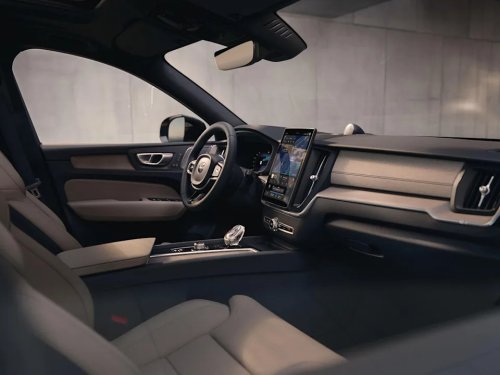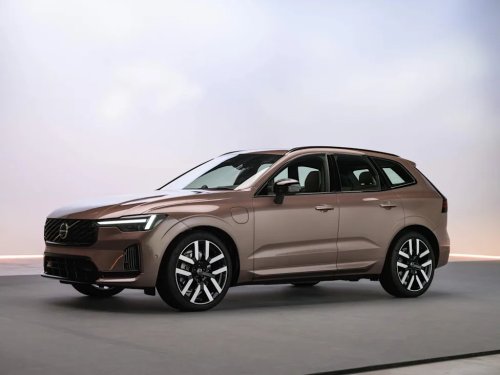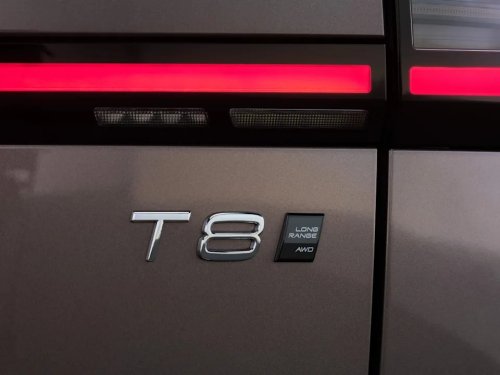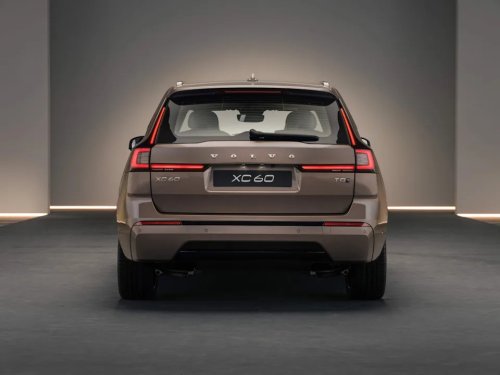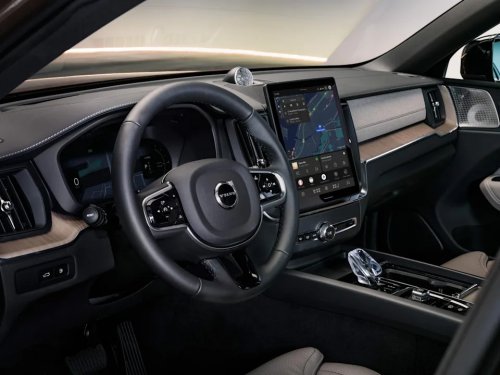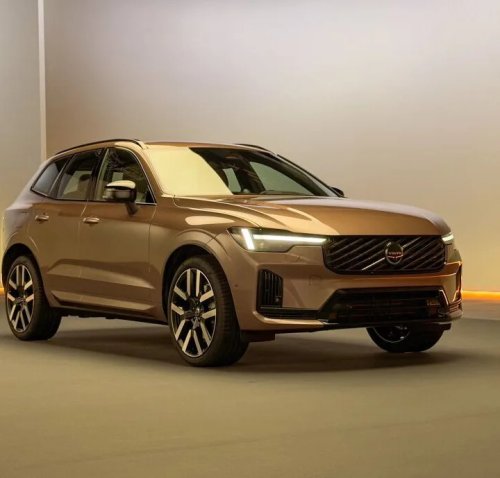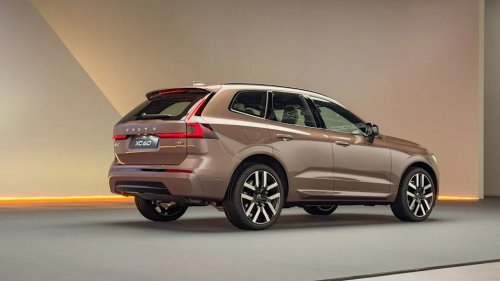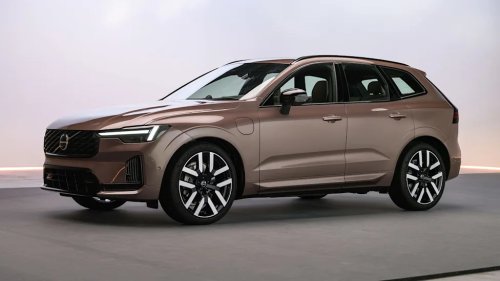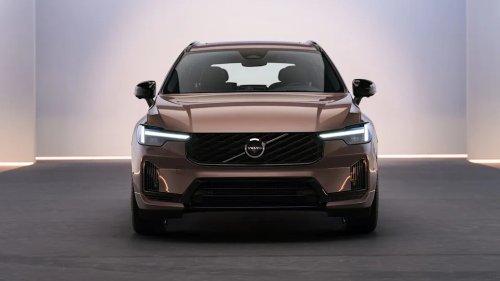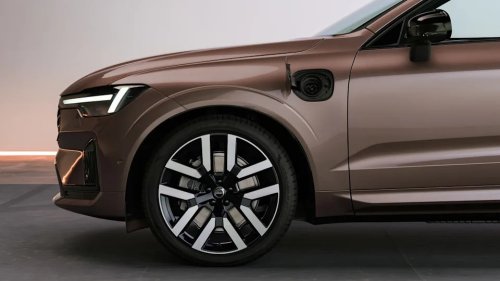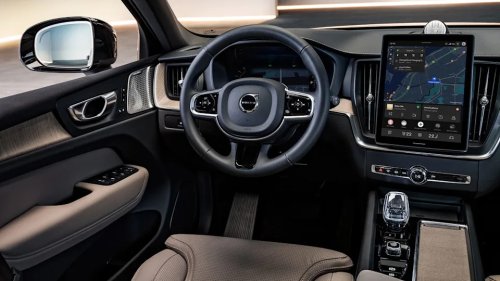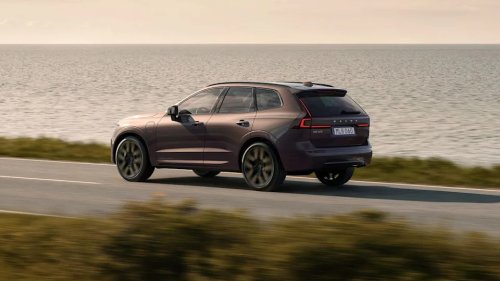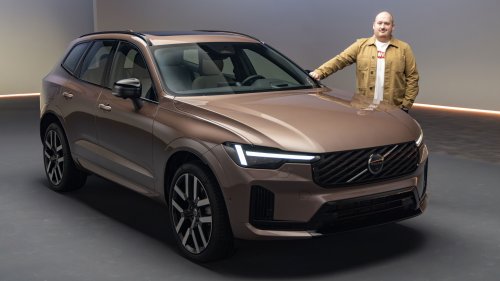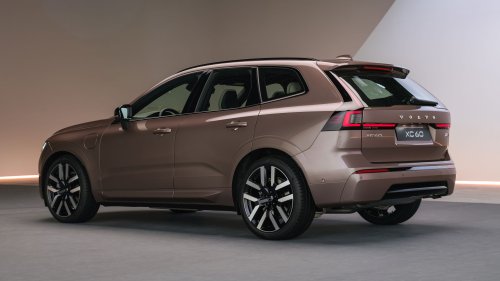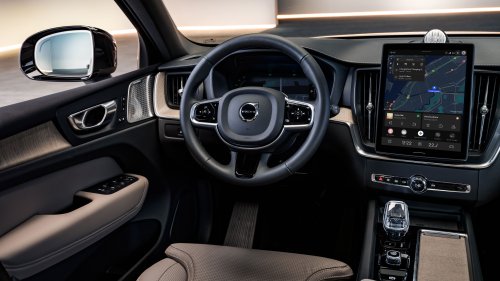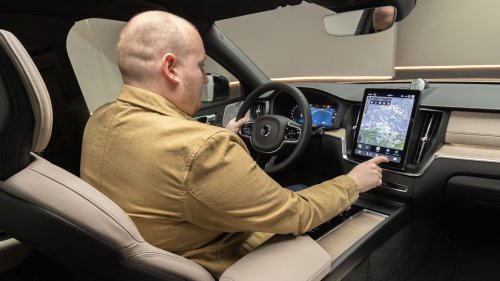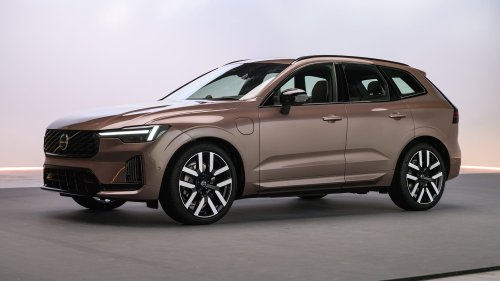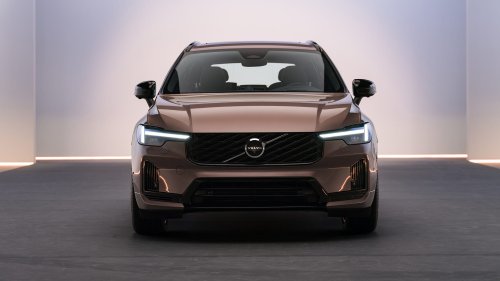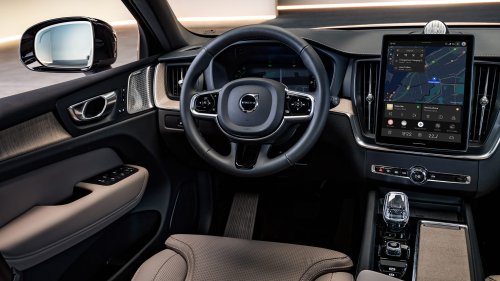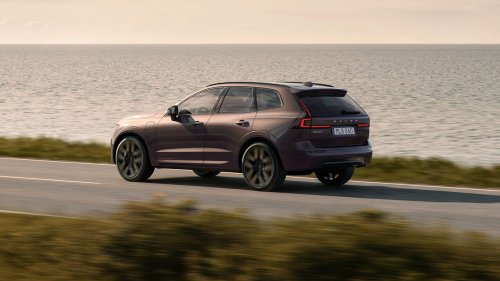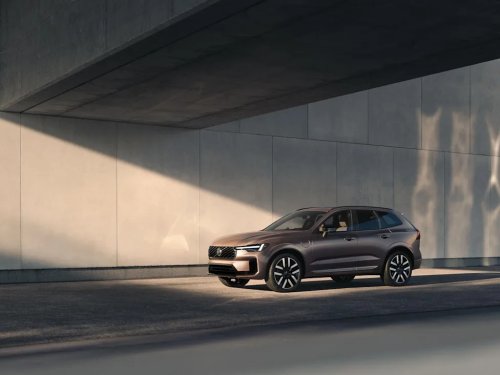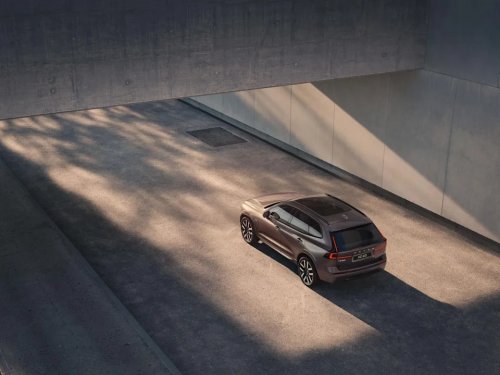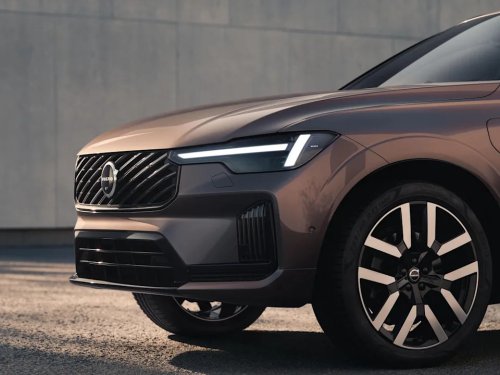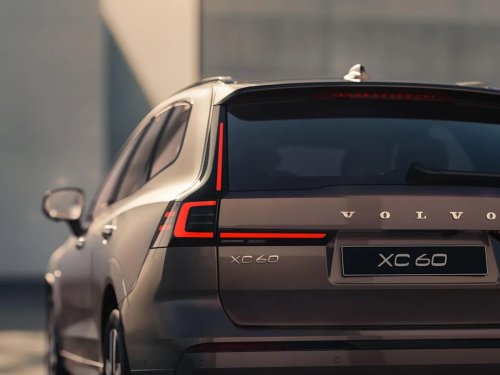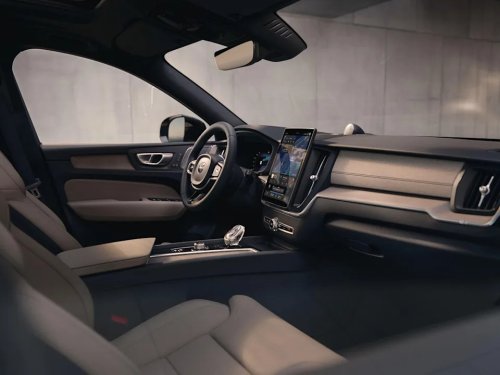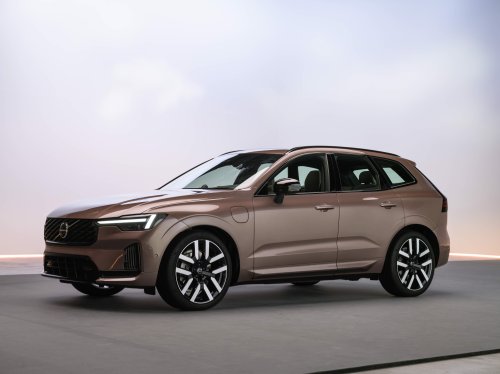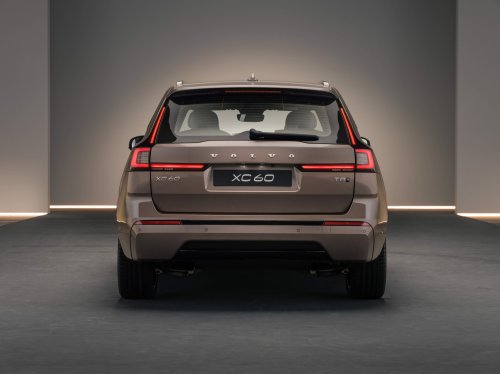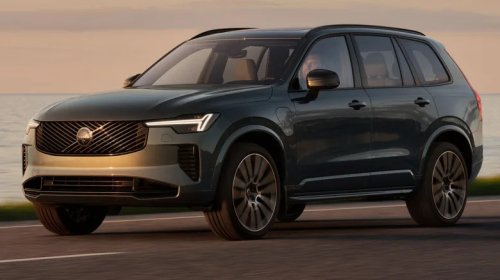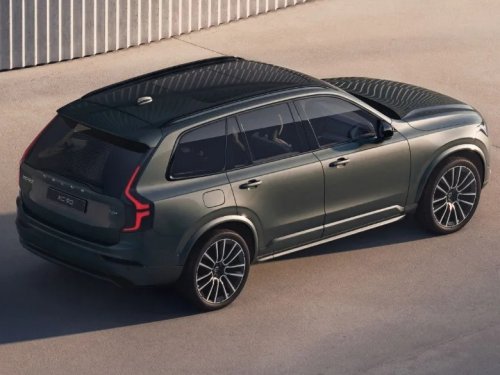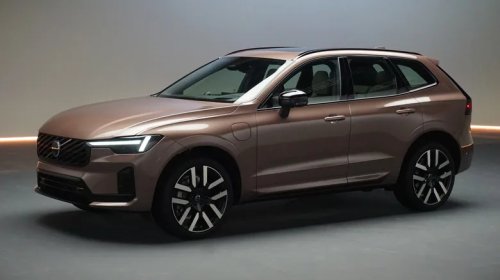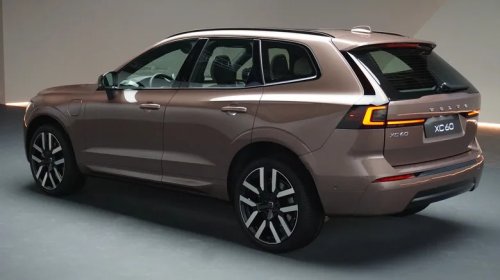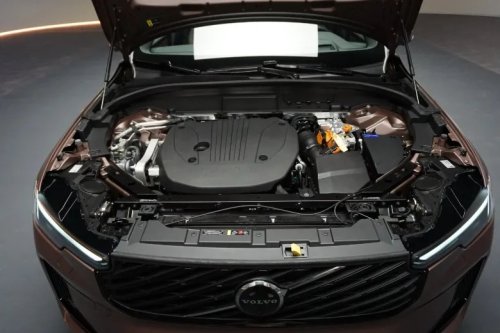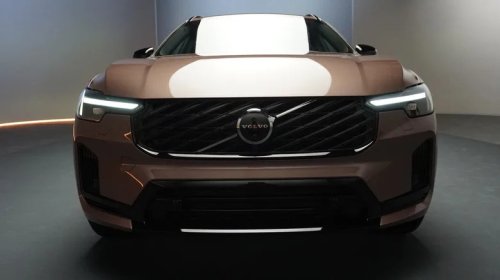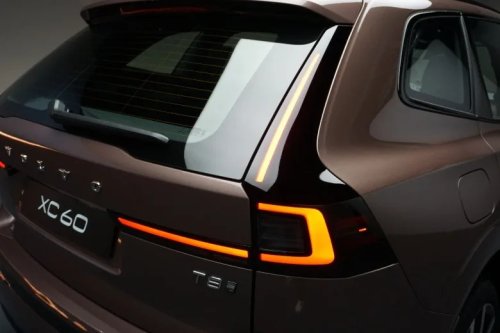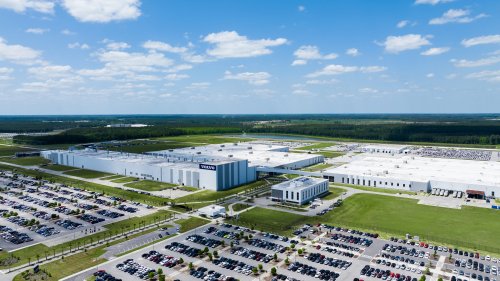
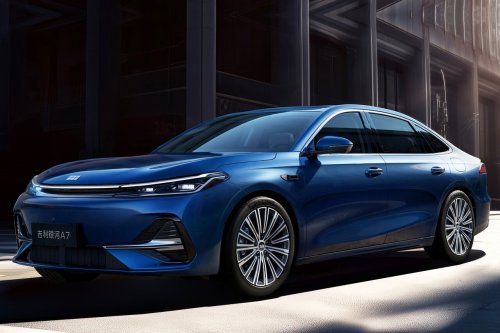
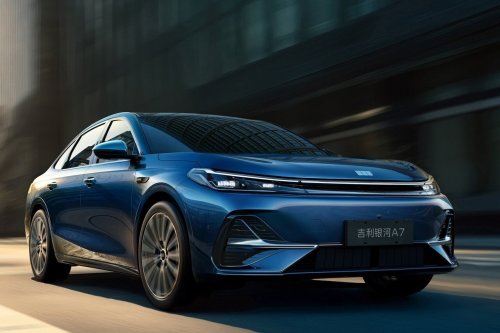
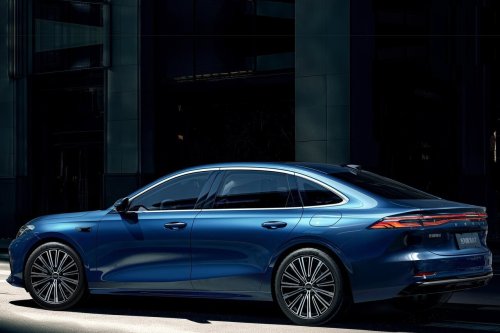
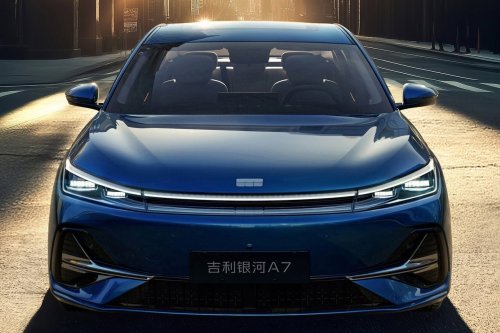
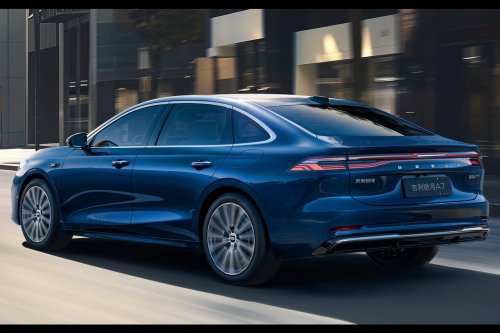
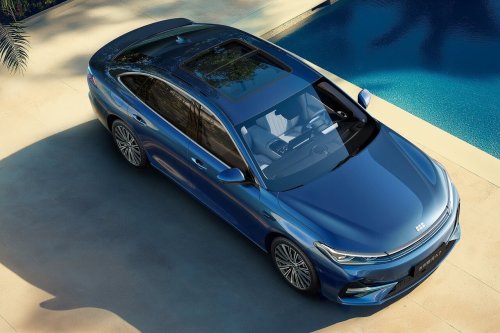



















Volvo is open to building Geely EVs at their South Carolina plant. Facility is underutilized as it makes slow-selling EX90 and Polestar 3. Geely had previously suggested they want to come to US in 2-3 years. Volvo had high hopes for their Ridgeville, South Carolina plant, which opened in 2018 to build the S60. Unfortunately, the sedan arrived as consumers were embracing crossovers. The S60 rode off into the sunset six years later and the plant was retooled to build the even slower-selling EX90 and Polestar 3. This has left the facility underutilized and the automaker will attempt to address that problem by adding the XC60 later this year. However, they might not stop there. More: Volvo’s Chinese Parent Built A $14K Sedan Americans Can’t Get In an interview, Volvo CEO Håkan Samuelsson said the company would consider building Geely vehicles at the plant as they have excess capacity. However, the executive told Business Insider that any such move would require the Chinese firm to successfully navigate a tough regulatory environment. Long before Trump’s tariffs, politicians were already setting up roadblocks to effectively keep Chinese vehicles out of the United States. In the final days of the Biden administration, the Department of Commerce finalized a rule that would “prohibit the sale and import of connected vehicle hardware and software systems, as well as completed connected vehicles” from China and Russia. The Biden administration also increased the tariff on Chinese-made electric vehicles from 25% to 100% in 2024. At the time, the Department of Commerce said the move was designed to “protect American manufacturers from China’s unfair trade practices” and ensure the “future of the auto industry will be made in America by American workers.” Building EVs in America should enable Geely to avoid hefty tariffs, but hurdles still remain. However, officials have previously said they want to enter the United States in the next two to three years, and setting up shop in Ridgeville would be one way to do it. Of course, there’s little doubt politicians would likely object to the move and potentially try to establish new roadblocks.