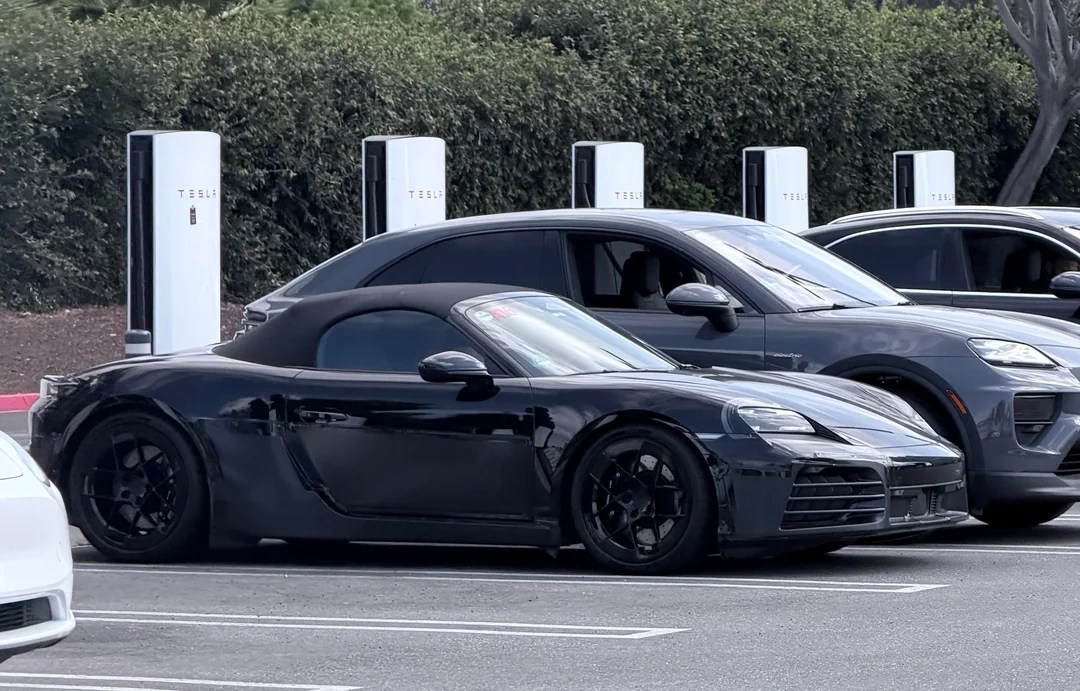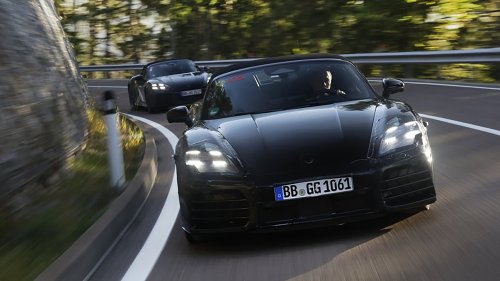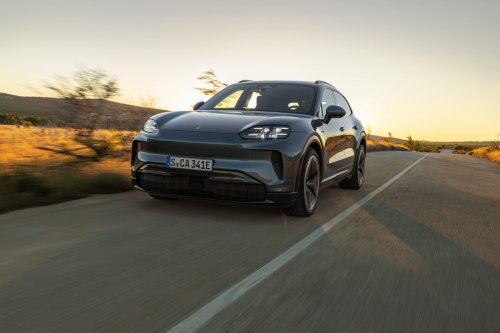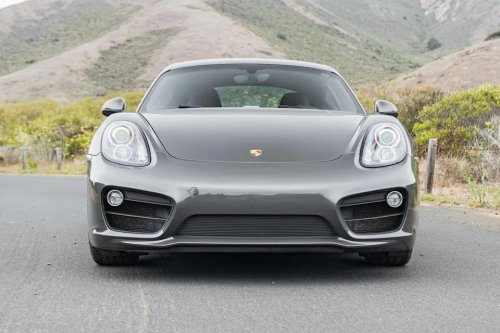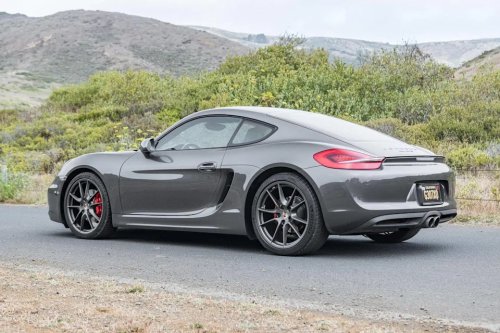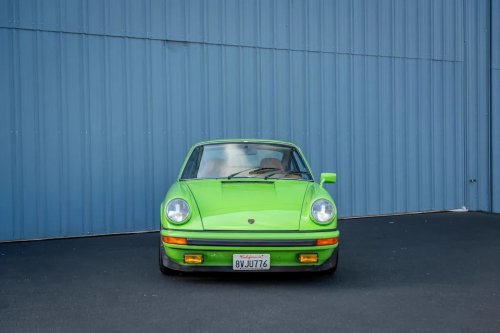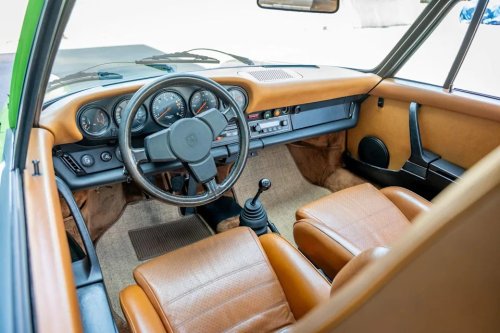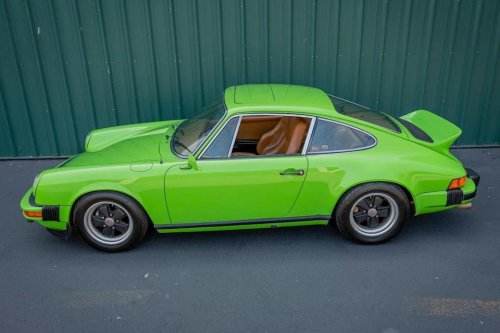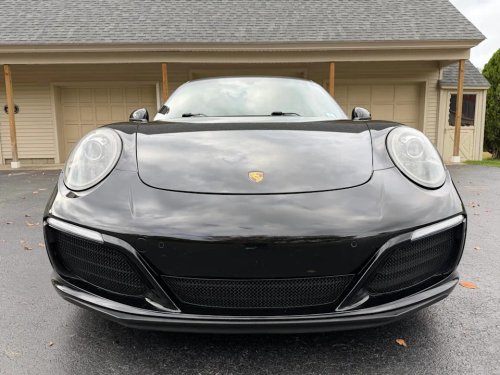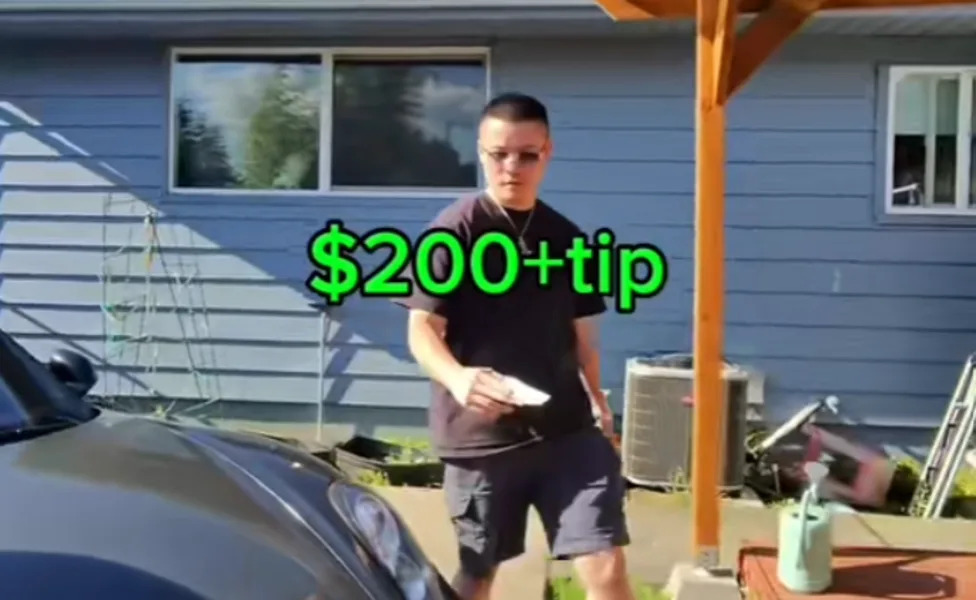


















Image Credit: nextlevelheadlights / TikTok.A Porsche owner in Portland, Oregon recently discovered that getting a second opinion can make a very large financial difference. His driver-side headlight lens had gone cloudy over the years, and the first shop he visited handed him a quote for $5,000 to address it.Rather than accepting that figure as gospel, he went looking for alternatives and eventually found a Salem-based mobile detailer on TikTok who operates under the handle @nextlevelheadlights. The two met in a retail parking lot, and the detailer, Sam, set up his acetone vapor rig and cleared the lens in a matter of minutes.Total cost: $200, with a one-year warranty included.The customer, Tony, offered some useful context before the work began. The passenger-side headlight was already new because the car had been involved in a previous accident that required a full replacement on that side. The driver-side unit, still carrying its original factory lens, was the one that had fogged over from years of UV exposure and road wear. That detail matters more than it might seem, and we will get to why shortly.AdvertisementAdvertisementSam's process was captured on video, which has since pulled in well over 1.5 million views and kicked off a prolonged debate in the comments section about whether the vapor method is a sound fix or a shortcut that looks good on camera but has a short shelf life.The opinions posted there range from enthusiastic endorsement to flat-out technical objection, with working detailers and at least one German viewer who brought up legal questions back home. It is the kind of comment section that is actually worth reading.Before getting into the technical debate, the $5,000 figure deserves acknowledgment. Porsche headlight assemblies are not cheap, and genuine OEM replacements for later models can easily run $1,500 to $2,500 per unit before labor.Even so, $5,000 for a single lens restoration, rather than a full assembly swap, strikes most observers as a stretch. It struck the comment section that way too, and the reaction was largely unprintable in a family publication.What Vapor Headlight Restoration Actually Does to a LensThe process Sam used works by applying heated acetone vapor to the polycarbonate lens surface. Acetone is a solvent, and polycarbonate is solvent-sensitive, so the vapor softens the outermost layer of the plastic just enough to reflow it. The haze, which lives in that degraded surface layer, essentially melts away and the lens clears up. It is fast, it requires no buffing compound or sandpaper, and the results on video look genuinely good.AdvertisementAdvertisementWhat it does not do is replace the UV-protective hard coat that was originally applied to the lens at the factory. That coating is what shields the polycarbonate from the sun, and once it degrades, the lens starts going yellow and hazy. Vapor clears the symptom but does not restore the protection. Without a new UV barrier applied afterward, the lens is back on the clock from the moment the acetone evaporates.The Sand-and-Clear-Coat Crowd Has a PointThe loudest counter-argument in the comments came from a competing detailer posting as GenesMachinesLLC, who laid out the case for wet sanding followed by multiple coats of 2K UV-rated clearcoat. His claim was that properly applied 2K clear has lasted eight years on vehicles he services personally. Another detailer in the thread described a four-stage wet-sand progression finishing with a Meguiar's UV sealer and reported customers still clear at the three-year mark.That tracks with what the broader industry literature suggests. A UV-A-cured hard coat applied after sanding can replicate much of what the factory put on the lens, and professional-grade clearcoats designed for plastic hold up considerably better than the single-step restoration kits sold at auto parts stores.Consumer Reports has found those drugstore kits typically last about a year, which is precisely what Sam's vapor warranty covers. The debate, in other words, is between a $200 fix that may need annual renewal and a more labor-intensive process that likely costs more but could stay clear for several years without a return visit.What the Safety Research Actually SaysAAA conducted headlight output testing back in 2018 that remains the most frequently cited data on this subject. Heavily oxidized headlight lenses, the kind that look frosted or amber in parking lot lighting, were measured delivering only around 22 percent of the light output produced by a new headlight. That is a meaningful reduction in visibility, particularly at higher speeds or on unlit roads.AdvertisementAdvertisementThe AAA research also found that restoration work, even when done well, recovered output to roughly 70 percent of new rather than 100 percent. An OEM replacement is the only path back to factory-spec illumination. For Tony's situation, with one already-new headlight on the car and one restored one, the two sides are now closer to matching than they were before Sam showed up. That is a reasonable outcome.For an owner running two degraded lenses on a car that sees a lot of night driving, the arithmetic shifts toward replacement.A German Perspective and U.S. RegulationsOne comment in the thread surfaced an angle that most American drivers would not have considered. A viewer identifying as German flagged that the vapor process is not permitted under German road law, and a follow-up comment explained why: removing the factory surface layer alters the optical properties of the headlight assembly, which in Germany has regulatory implications for how much glare the light can project toward oncoming traffic.U.S. headlight regulations under Federal Motor Vehicle Safety Standard 108 govern the output and beam pattern of headlight assemblies as manufactured, but there is no federal rule restricting a private owner from refinishing a lens after the fact.AdvertisementAdvertisementWhether a restored lens still meets the geometric beam requirements of the original assembly is a question most state inspections do not probe, which is part of why the vapor business model can operate freely at a retail parking lot. The German concern is legitimate from a technical standpoint, but it applies to a regulatory framework that does not exist in the same form on this side of the Atlantic.Sam's TikTok response to the attention was straightforward: he pinned a booking inquiry comment near the top of the thread and kept taking calls. For a $200 service with a warranty, the demand is apparently steady. The $5,000 shop that gave Tony his first quote did not make any appearances in the comment section.If you want more stories like this, follow Guessing Headlights on Yahoo so you don't miss what's coming next.