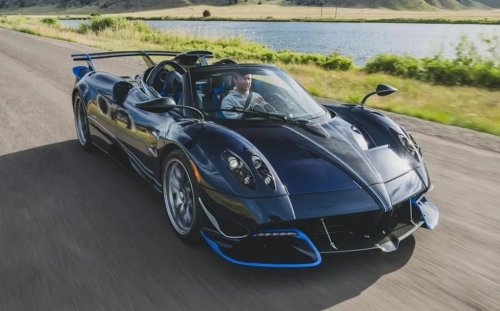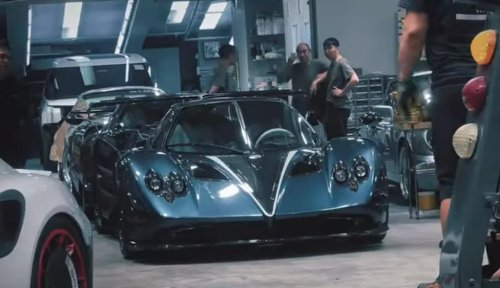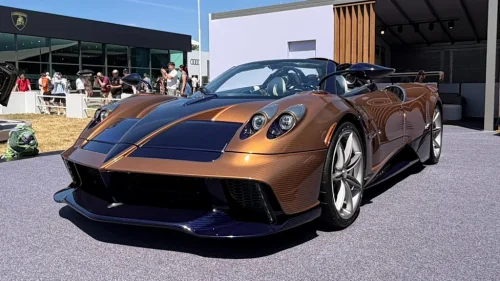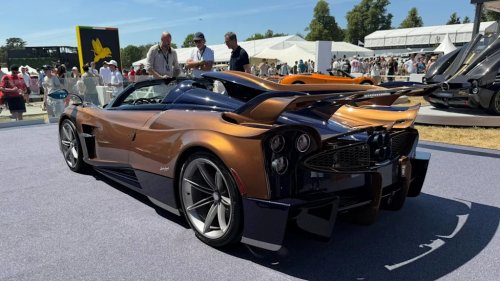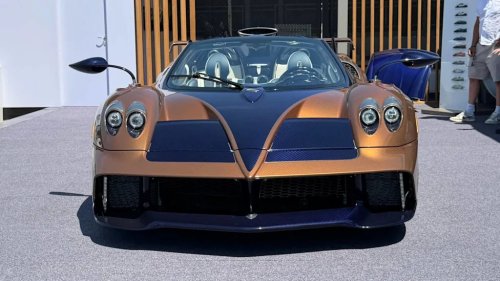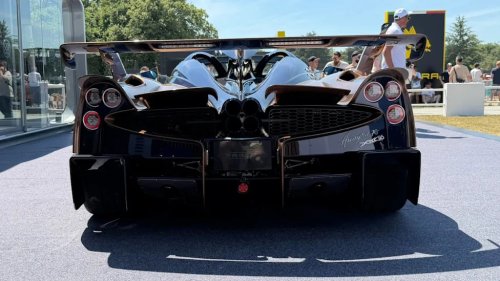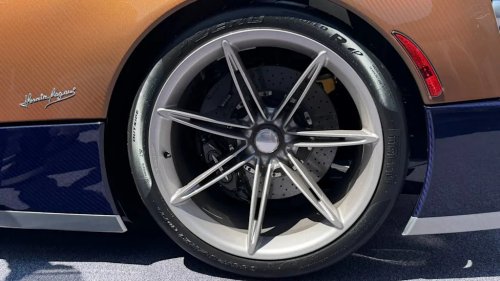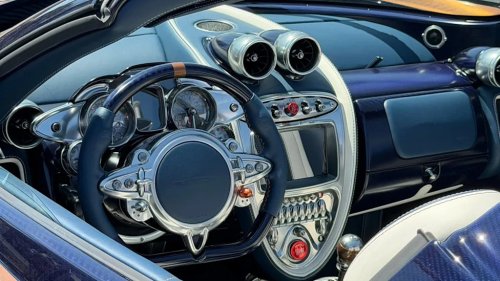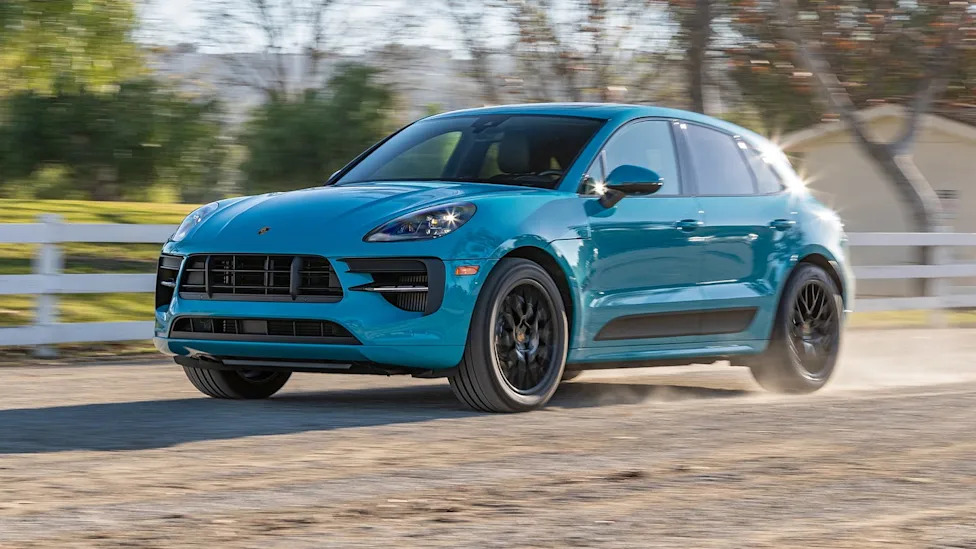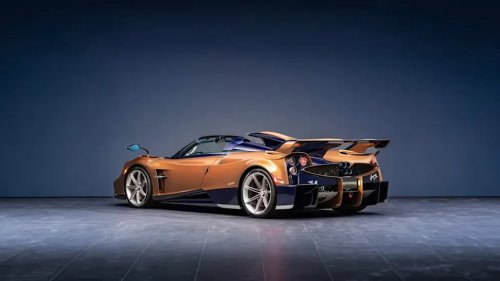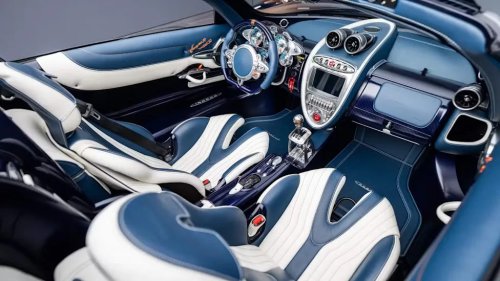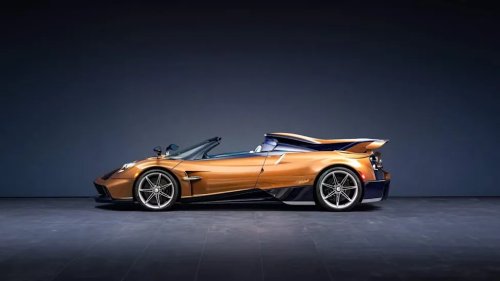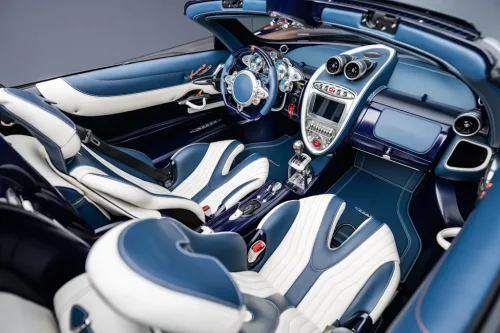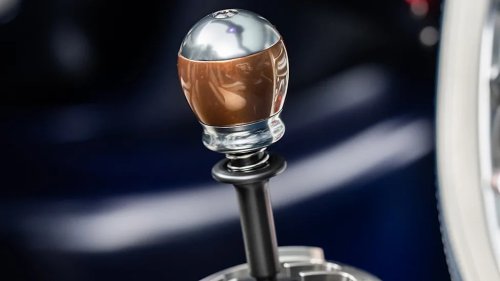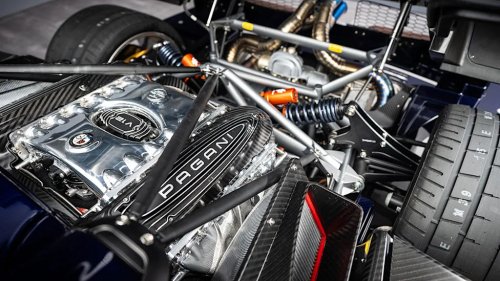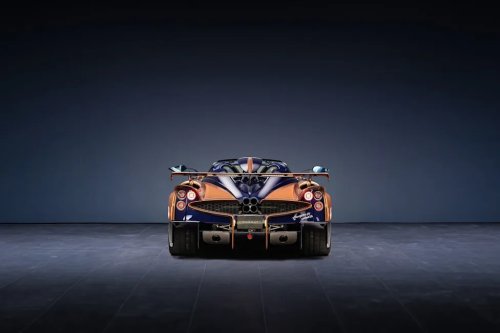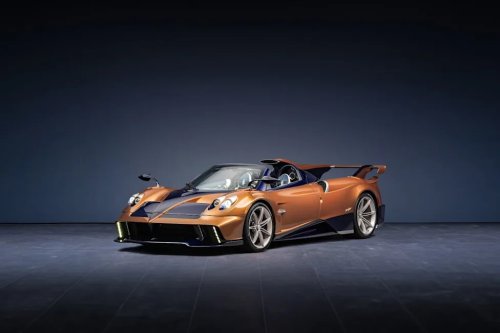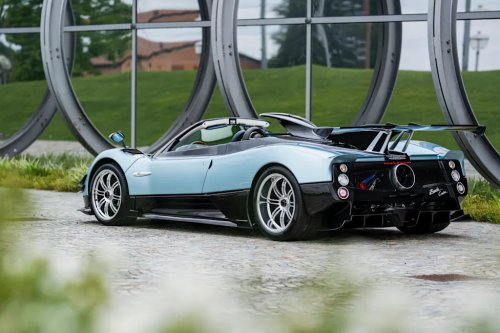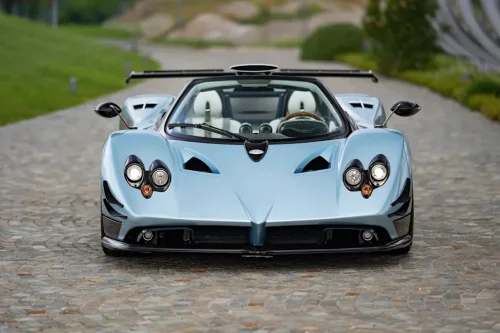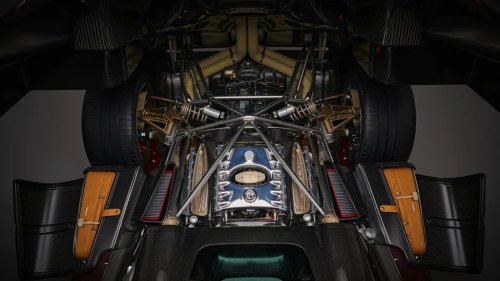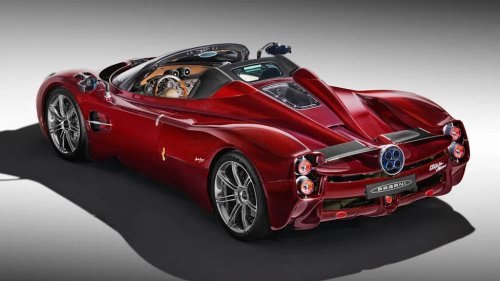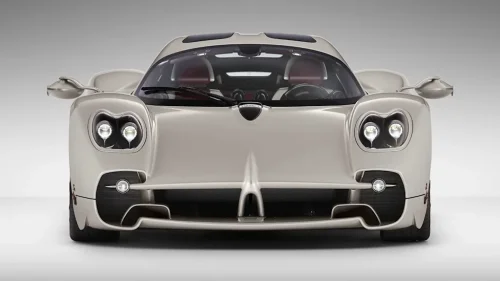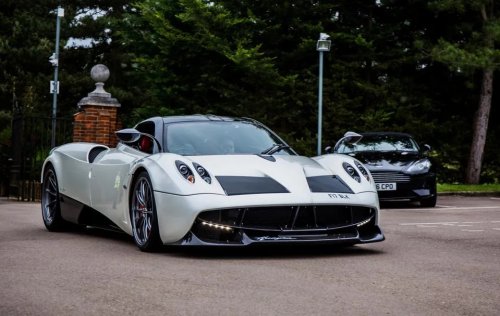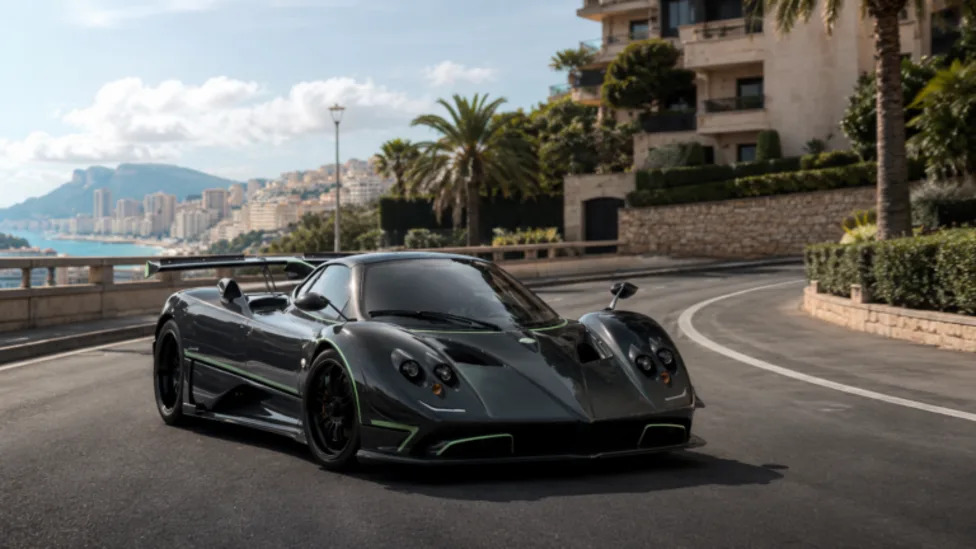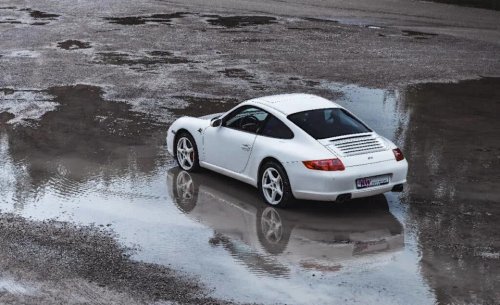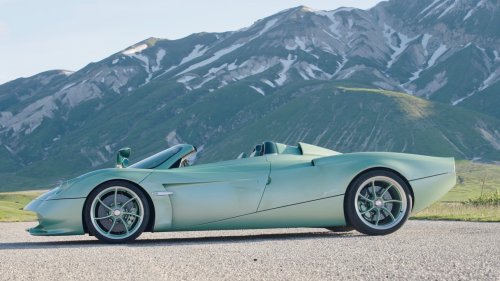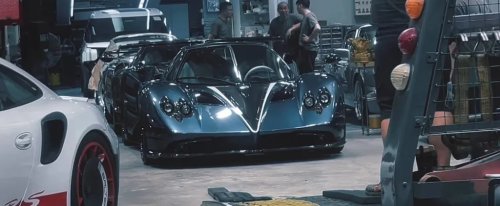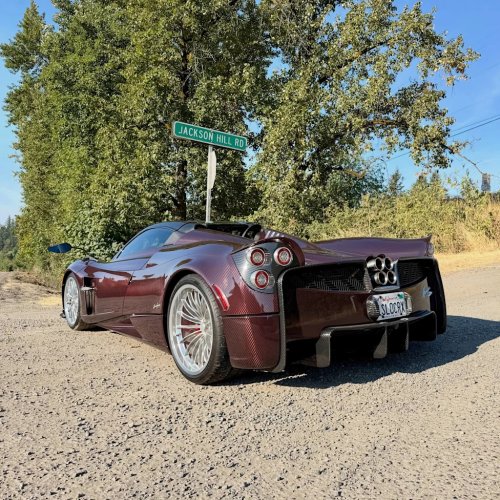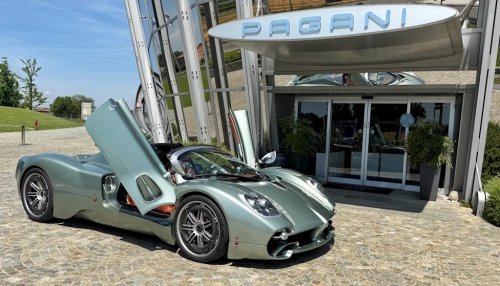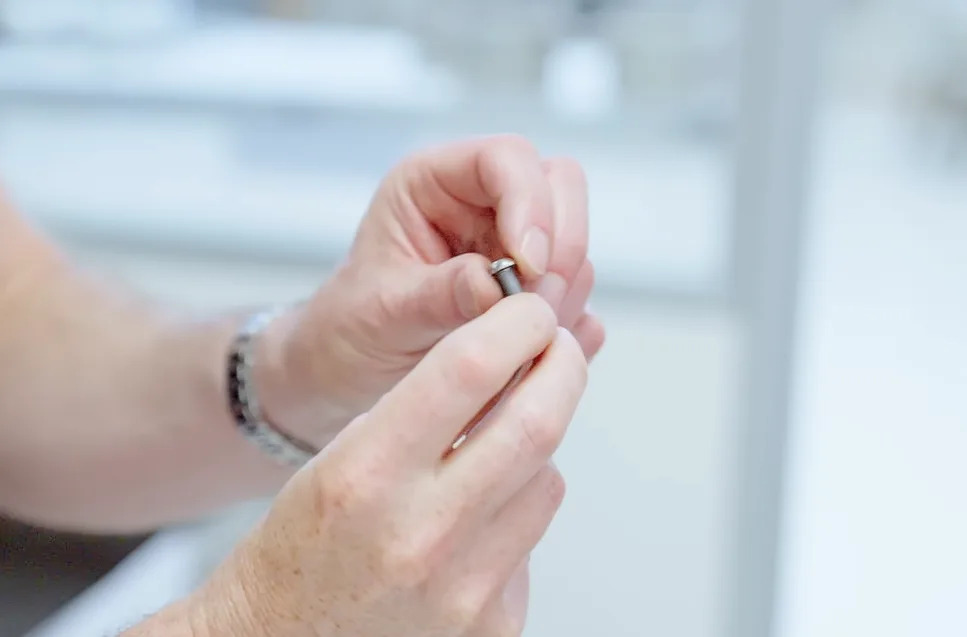
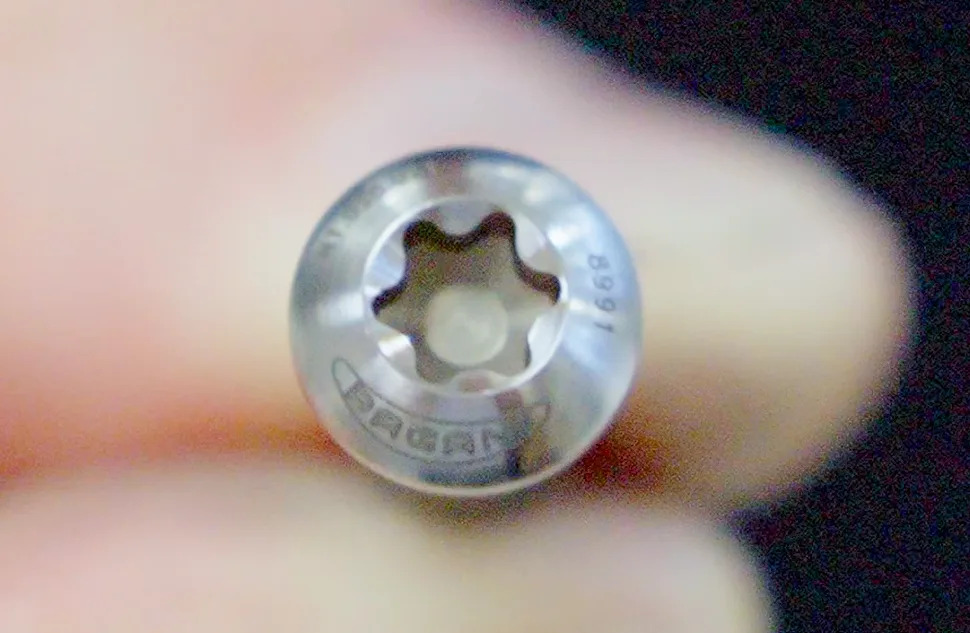



















In the ultra-exclusive world of multi-million-dollar hypercars, manufacturers go to extreme lengths to shave off a few ounces of weight. However, while most brands focus heavily on carbon fiber body panels or stripped-down interiors, Horacio Pagani's obsession with lightweight perfection extends all the way down to the vehicle's structural fasteners.If you have ever wondered how a boutique Italian automaker justifies a $3 million base price for models like the Utopia or the Huayra, a recent factory tour published by carwow reveals the staggering, hidden costs of automotive artistry. It turns out, the wild pricing behind Pagani's nuts and bolts alone is enough to buy a flagship German sports car.Pagani completely rejects standard steel or aluminum fasteners for its vehicles. Instead, the automaker utilizes bespoke, aerospace-grade titanium hardware to hold its rolling sculptures together.During the factory walkthrough, carwow host Mat Watson broke down the sheer volume of the brand's hardware costs. "Each of these bolts cost about £60. And there's 2,000 on each car. So that's £120,000 in bolts alone, which is more than the price of an entry-level Porsche 911 Carrera," Watson noted.AdvertisementAdvertisementBut Pagani doesn't just buy off-the-shelf titanium. To ensure absolute authenticity and prevent counterfeiting in the replacement parts market, the automaker engraves its hardware. The factory utilizes a highly specialized drill to ensure the fasteners "have the Pagani logo etched in on them to the depth of 2 microns," which is roughly 100 times thinner than a human hair.Why Titanium? (The Engineering Standpoint)While £120,000 (roughly $150,000 USD) in fasteners sounds like an absurd luxury flex, there is a very real engineering purpose behind the wild price tag.In motorsport and high-performance automotive manufacturing, unsprung mass and overall curb weight are the ultimate enemies of speed. Pagani utilizes Grade-5 Titanium (specifically Ti-6Al-4V) for its hardware. From a metallurgical standpoint, this specific titanium alloy offers a yield strength comparable to high-grade steel, but it is approximately 45% lighter.When a vehicle requires 2,000 individual nuts, bolts, and washers, the cumulative weight of standard steel hardware is surprisingly heavy. By swapping the entire vehicle's structural fasteners to titanium, Pagani sheds significant physical weight while maintaining total structural rigidity and gaining exceptional corrosion resistance.The Obsession Doesn't Stop at the BoltsThis labor-intensive, cost-no-object manufacturing process is standard operating procedure across the entire Pagani lineup. Every single mechanical component is treated like a piece of jewelry.AdvertisementAdvertisementTo achieve the brand's signature mirror-finish on its skeletonized aluminum interior components, the factory relies entirely on human hands. "We have a old gentleman of 80 years old that still hand polishes the aluminum to give that mirror effect," the factory guide noted during the tour.Even the vehicle's oil dipstick undergoes an obsessive multi-stage assembly process. The milled dipstick is screwed into the engine block so an artisan can "sign Pagani just to make sure that every logo in every car is lined up" perfectly straight. The dipstick is then removed, walked back to the CNC department for its final etching, and re-installed.Ultimately, Pagani owners aren't just paying for horsepower. They are paying a massive premium for an obsessive level of detail that guarantees their £120,000 titanium bolts are the most exquisitely engineered fasteners on the planet.