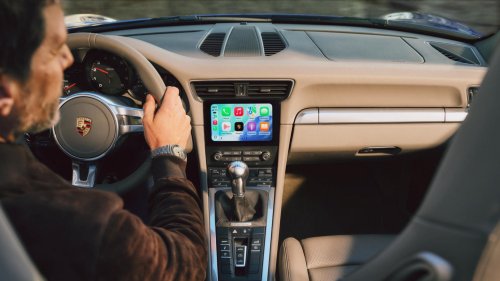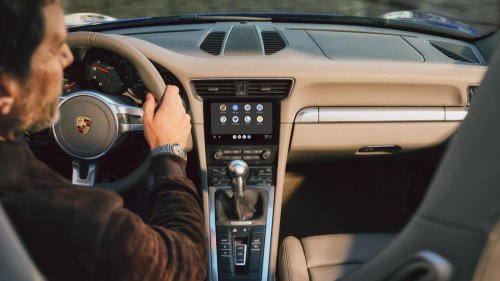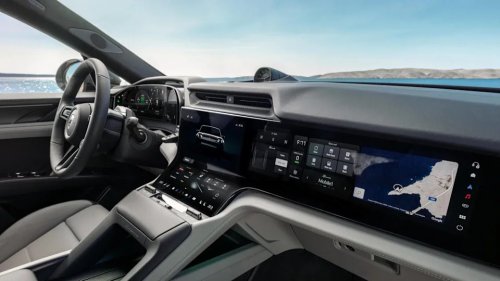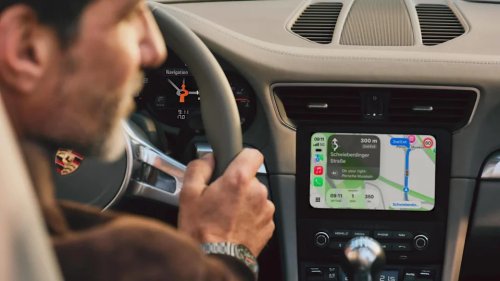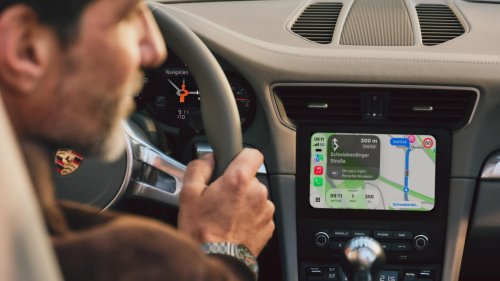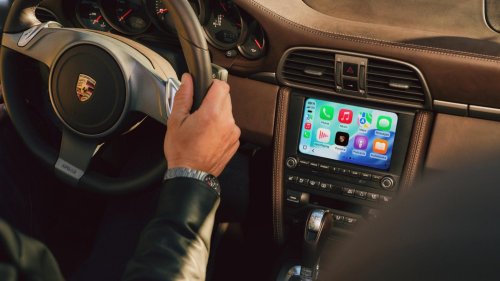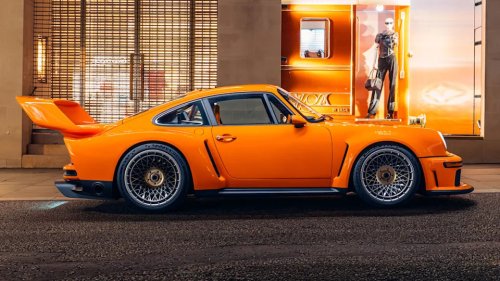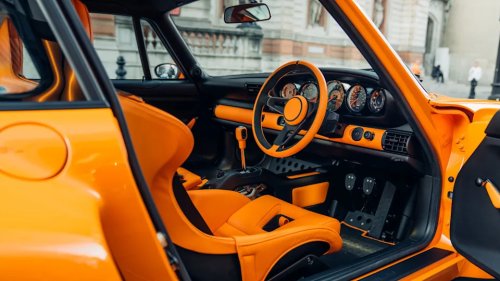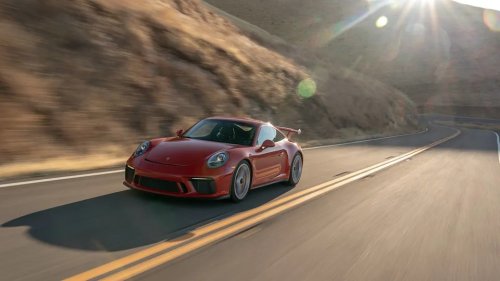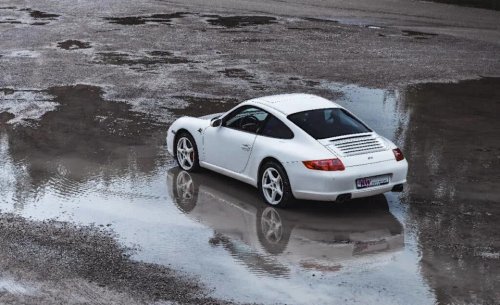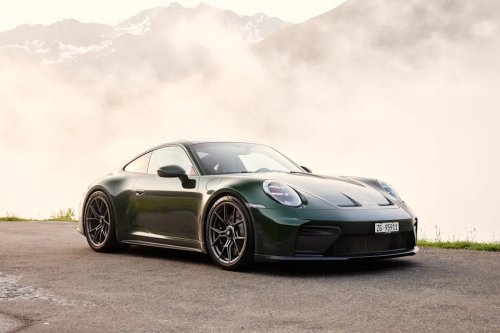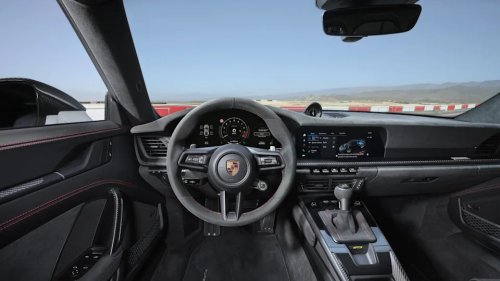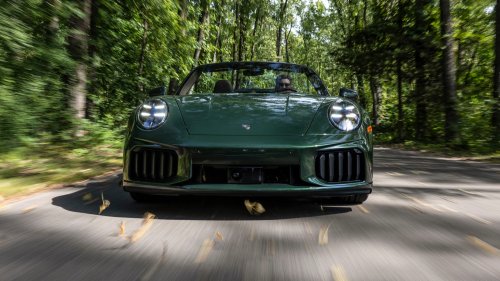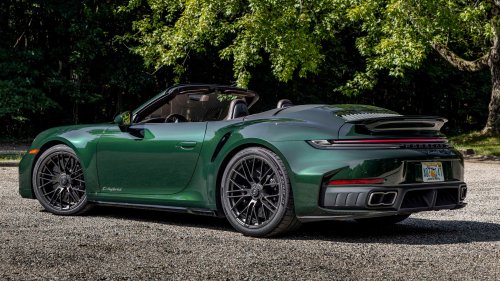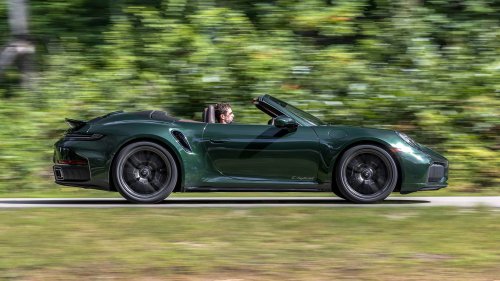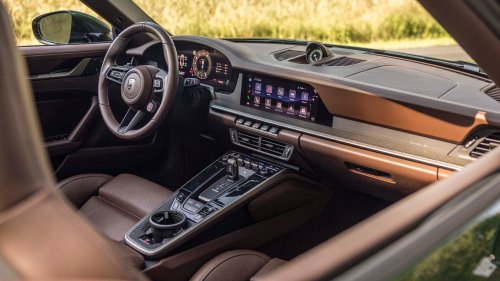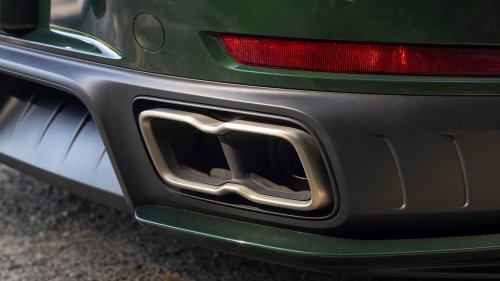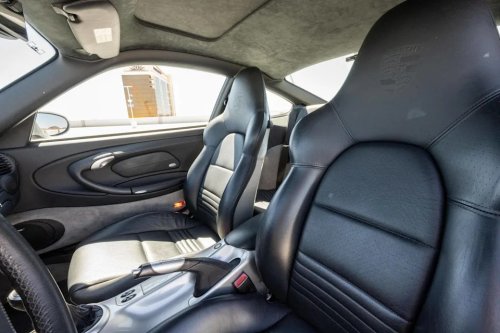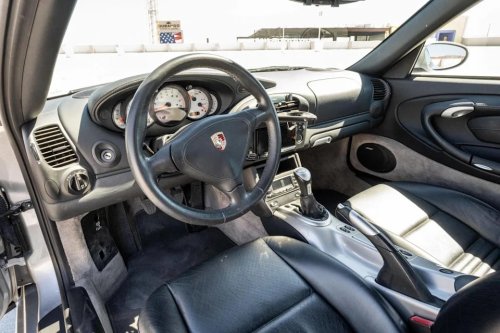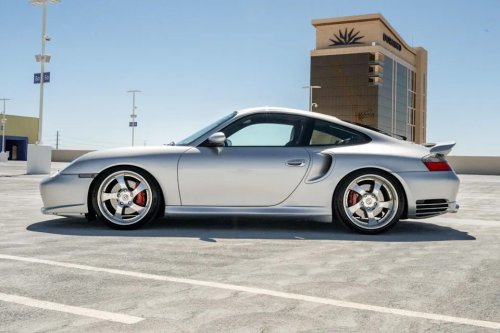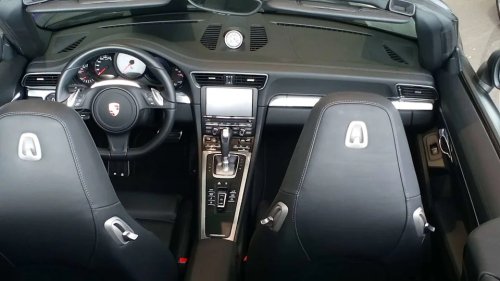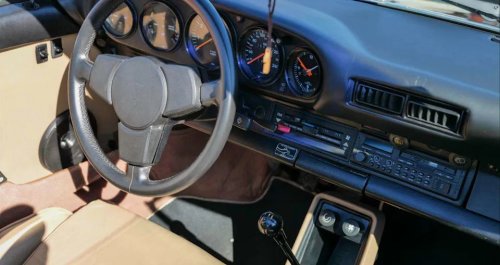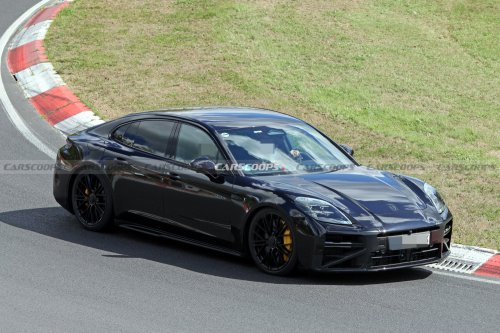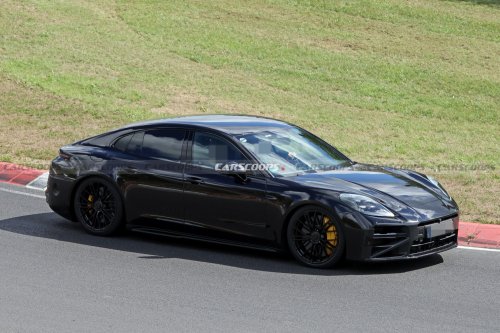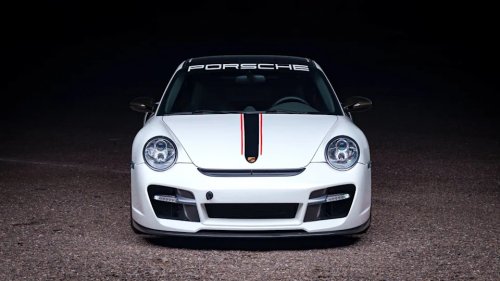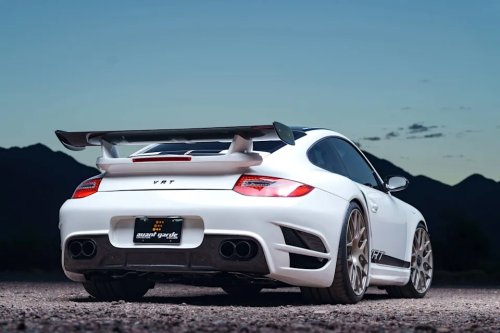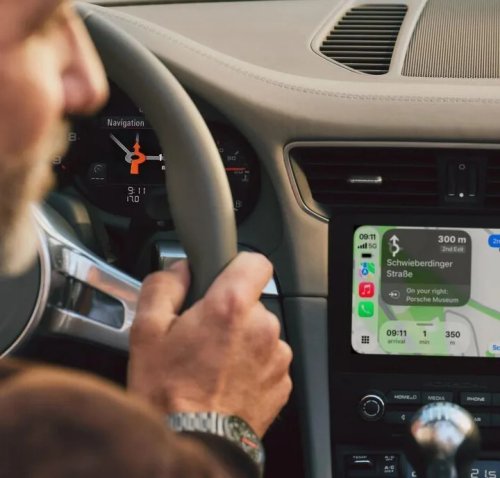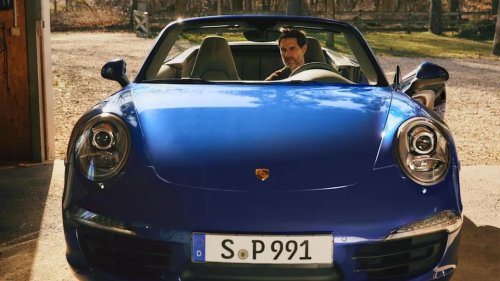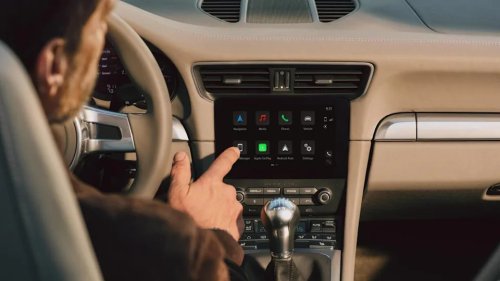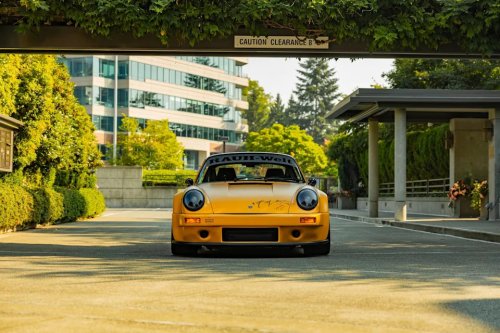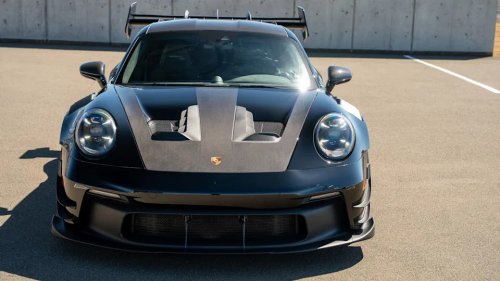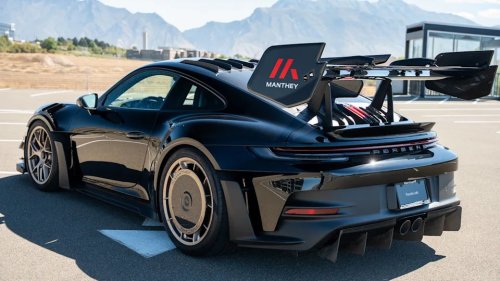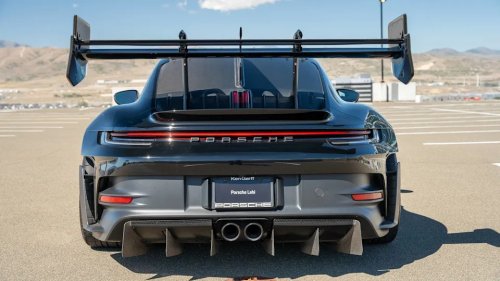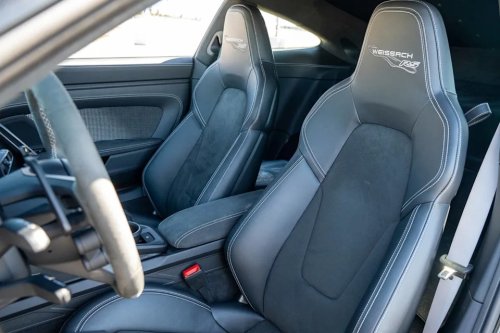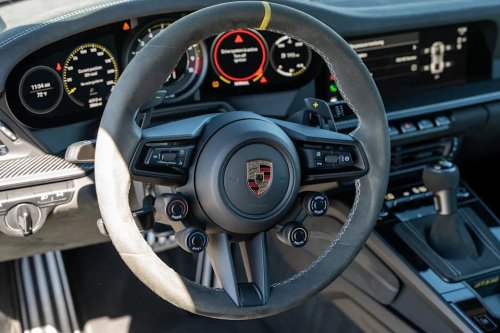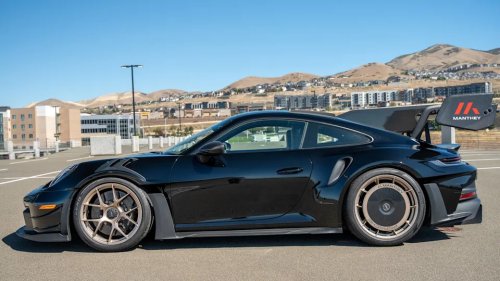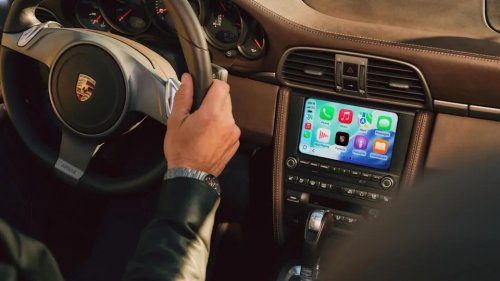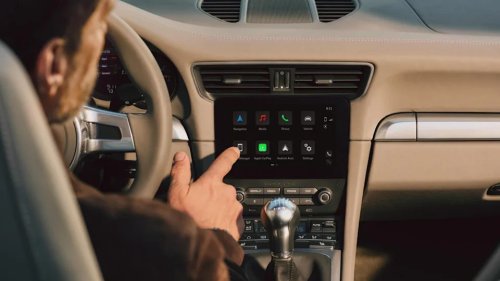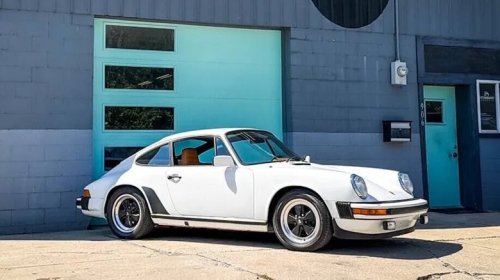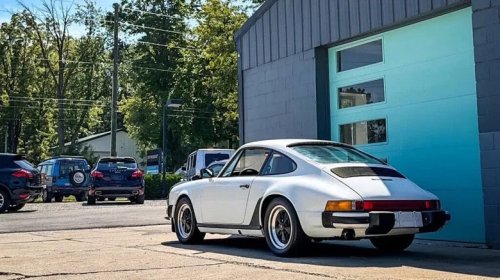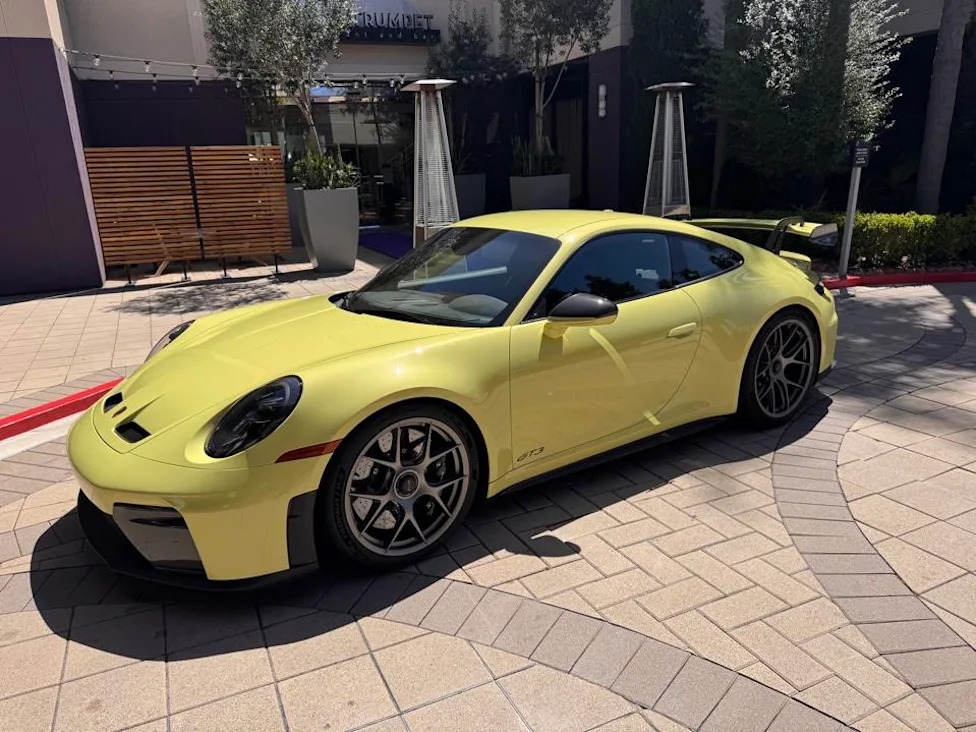


















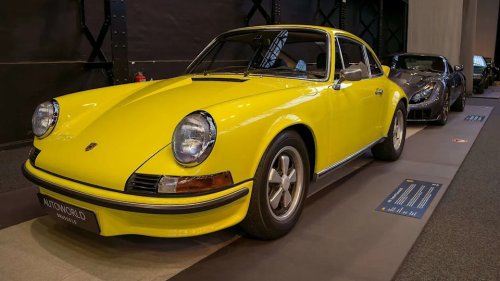
The 2026 Porsche 911 GT3 enjoys strong resale value — most GT3 models have appreciated over the years!©2026 Michael Harley/Schnell Auto, Inc.For decades, the Porsche 911—an iconic rear‑engined sports car that's been in continuous production since the 1960s—has occupied a rare position in the performance‑car market. Unlike most six‑figure exotics that depreciate as predictably as the setting sun, the 911 has behaved like a blue‑chip asset, giving owners confidence that their purchase rested on unusually solid financial ground.But a recent report on used‑car data from iSeeCars suggests that even the mighty 911 may not be immune to a cooling market. Is that really the case, or is this just another attention‑grabbing headline? To separate signal from noise, I took a closer look at the study behind the numbers.In the iSeeCars report, which analyzed 1‑ to 5‑year‑old used vehicles, the average Porsche 911 listing price fell to $118,025 in June 2026. That represents a year‑over‑year decline of $14,063, or 10.6 percent (the second‑steepest percentage drop among the models included in the study, behind only the Lincoln Corsair Hybrid). The wider used‑car market declined just 1.3 percent over the same period, making a double‑digit slide for the 911 stand out.AdvertisementAdvertisementWhile on the surface, that's a startling drop for a nameplate that has long defied the normal premium sports car depreciation curve. But addressing the headline question, "Are Porsche 911 resale values plummeting?" requires a slightly more nuanced answer.First, the iSeeCars study measures changes in average listing prices, not depreciation from original MSRP or completed transaction prices. Second, the study rolls together a wide range of late‑model 911s—from base Carreras to Carrera S and GTS variants, Cabriolets, Targas and all‑wheel‑drive configurations—into a single number. Nor does the average distinguish between a lightly optioned Carrera and a richly equipped Carrera 4 GTS, despite the substantial price spread between them when new and used. (Additionally, the report's $118,025 average is not a price level likely to include meaningful numbers of GT3s, Turbo S models, limited‑production specials or unusually low‑mileage collector examples.)Viewed through that lens, the story is less about collapse than correction—particularly for the 992‑generation 911. That vehicle, which was first offered for the 2020 model year, has been the most exposed to post‑Covid pricing distortion.Early 992s were sold amid constrained supply, strong demand, low interest rates and, in many cases, additional dealer markups. Some buyers paid at or above a car's already option‑heavy original MSRP—additional dealer mark-ups, or "ADMs," were common. As those conditions unwind, the market no longer supports the pandemic premium. At the same time, more 992s are aging into the secondary market: lease returns, trade‑ins and owners chasing the next build are swelling supply, particularly among mainstream Carrera, Carrera S and 4S variants.AdvertisementAdvertisementThe 911 is getting significantly more expensive. Porsche has raised the MSRP to increase profit, and import tariffs are only compounding the problem. When introduced, a base 2020 Carrera started at $98,750, while a current base 911 stickers around $137,850 before options. That escalation—and Porsche's famously expensive options—creates more nominal room for late‑model used values to move without erasing the car's core strength. Porsche also introduced an updated 992.2 lineup, with revised powertrains and a more powerful hybridized GTS, which gives some buyers a reason to favor new or nearly new cars (further pressuring 992.1 pricing unless the discount widens). "Porsche's 911 pricing has skyrocketed over the past five years, which hasn't deterred new‑model buyers but appears to have surpassed used shoppers' tolerance," notes iSeeCars Executive Analyst Karl Brauer.And let's not forget that most Porsche 911 buyers tend to think of themselves as drivers first, luxury buyers second. That automotive passion feeds on a vehicle being analog—traditional gauges, manual gearbox, and physical buttons—and the 992-generation is the most digital 911 the company has ever offered. Larger screens, greater electronic integration and more digitized cabins make today's 911 feel less distinct from newer performance cars than an air‑cooled 911, a 996 or even a manual‑focused 991.2. That may limit its long‑term collector appeal relative to classic generations. Is the 992's more digital character part of the story? Possibly, but iSeeCars' data can't prove it.Based on the data we can interpret, the current decline is more plausibly a financial normalization than an enthusiast revolt. The important qualifier: "1‑ to 5‑year‑old" cars sold in June 2026 are predominantly model‑year 2021–2025 examples—not the entire 992 population, and not a direct read on every trim (remember, a base Carrera with 30,000 miles, a well‑optioned Carrera 4S and an outlier GT3 are all being blended into a single average).That distinction matters because in an iSeeCars separate resale‑value study, the 911 coupe still retains an estimated 92.2 percent of its value after five years—one of the strongest results in the industry. In other words, the 911 is a standout for value retention even as its post‑pandemic premium fades.AdvertisementAdvertisementAre Porsche 911 resale values plummeting? Not really. The current 992‑generation Porsche 911 is shedding its post-COVID premium—not losing its fundamental resale‑value advantage for buyers, which creates opportunity. For sellers, it's an indication that while a Porsche 911 may be an unusually strong retainer of automotive value—it is still a car, and even historical legends are subject to market cycles.This article was originally published on Forbes.com