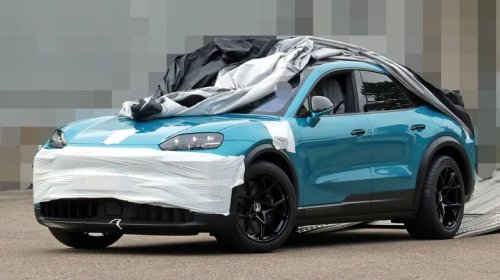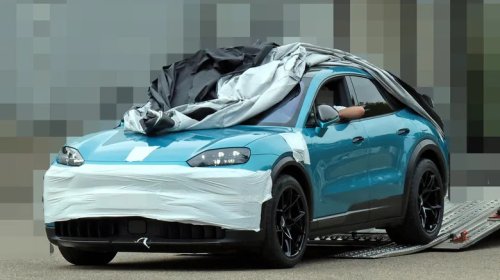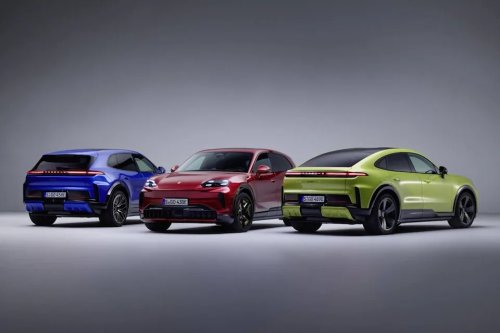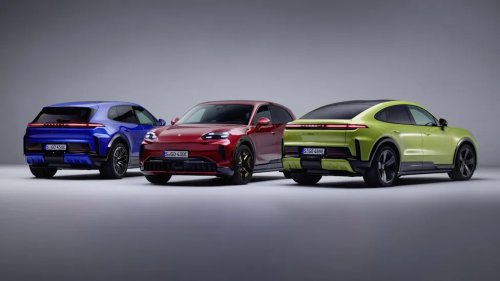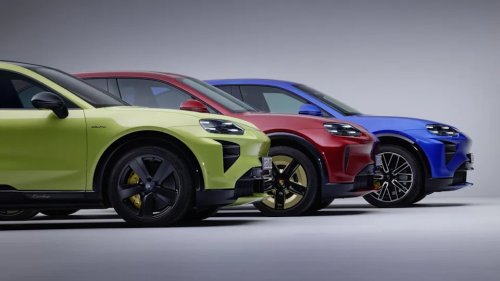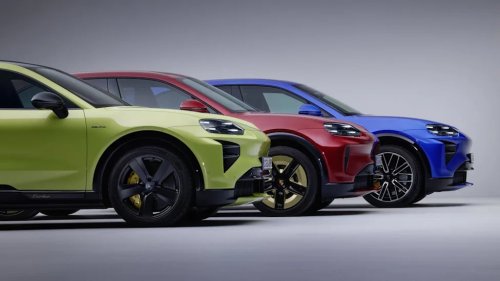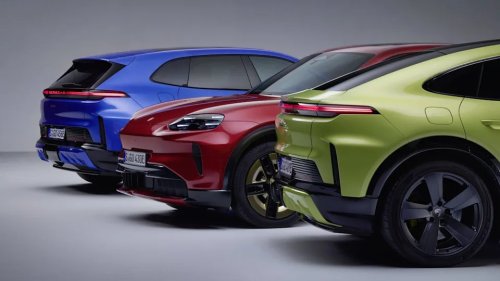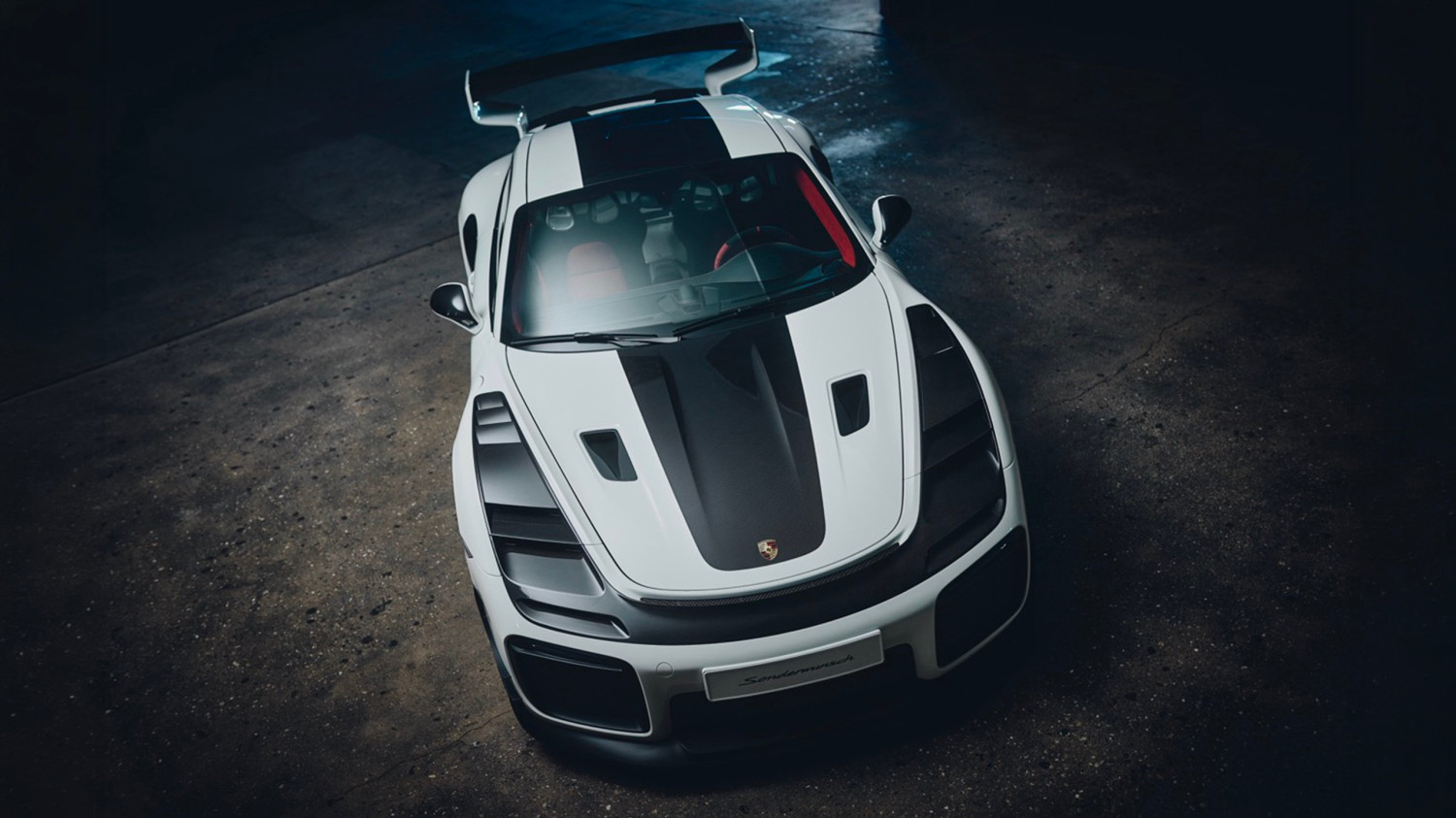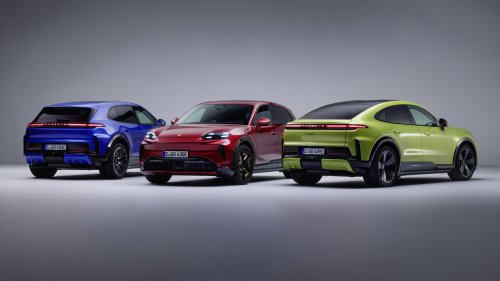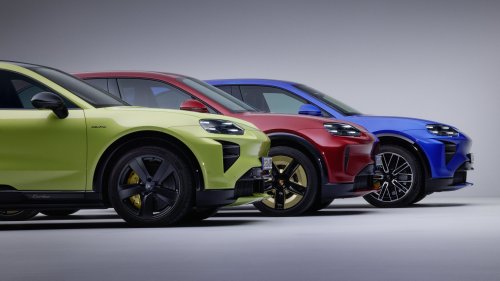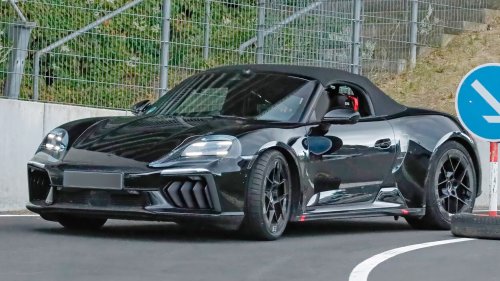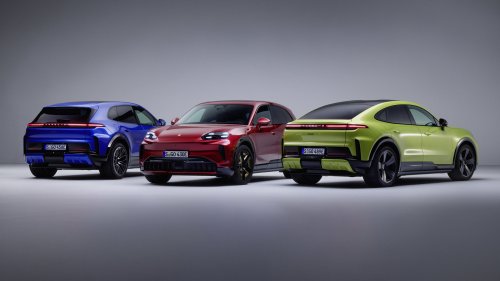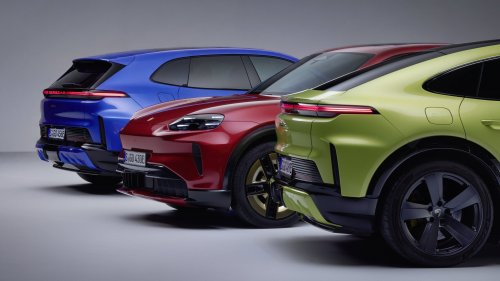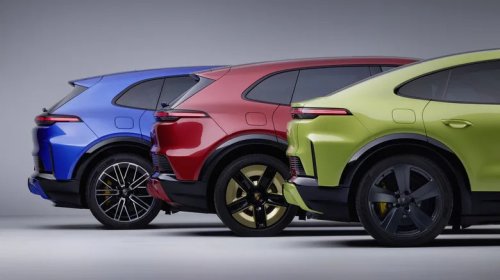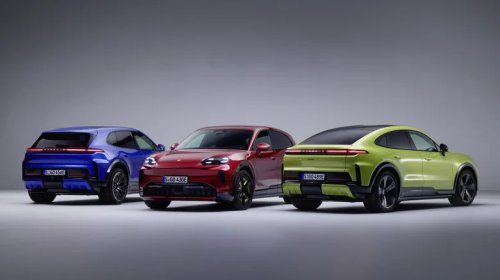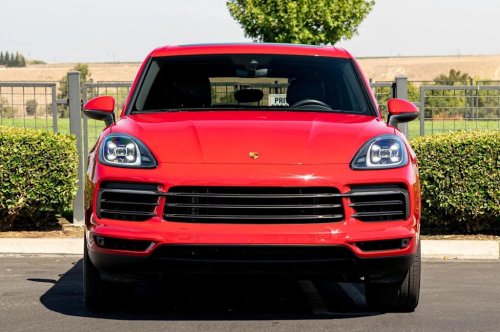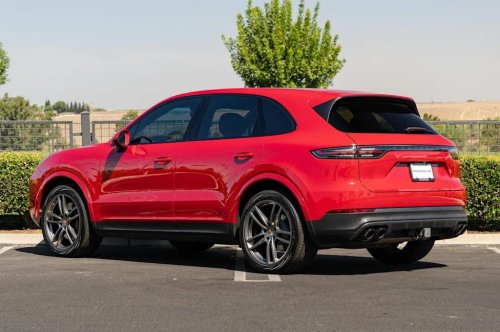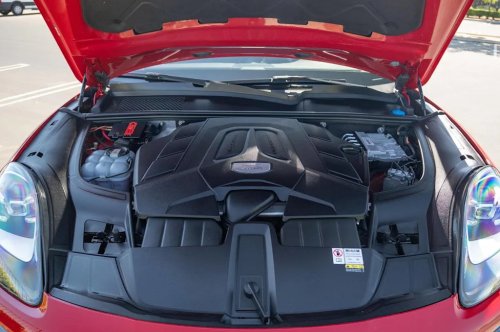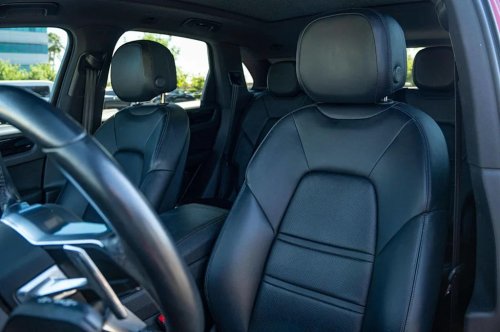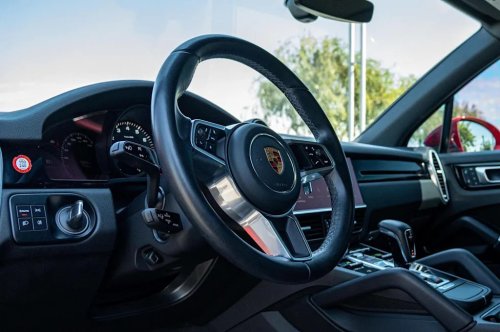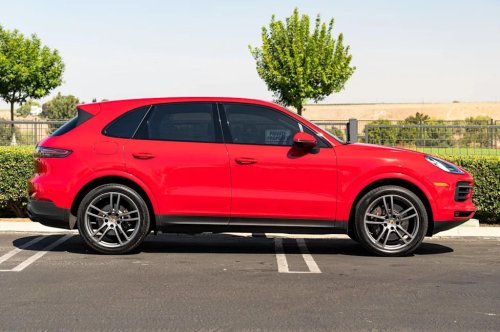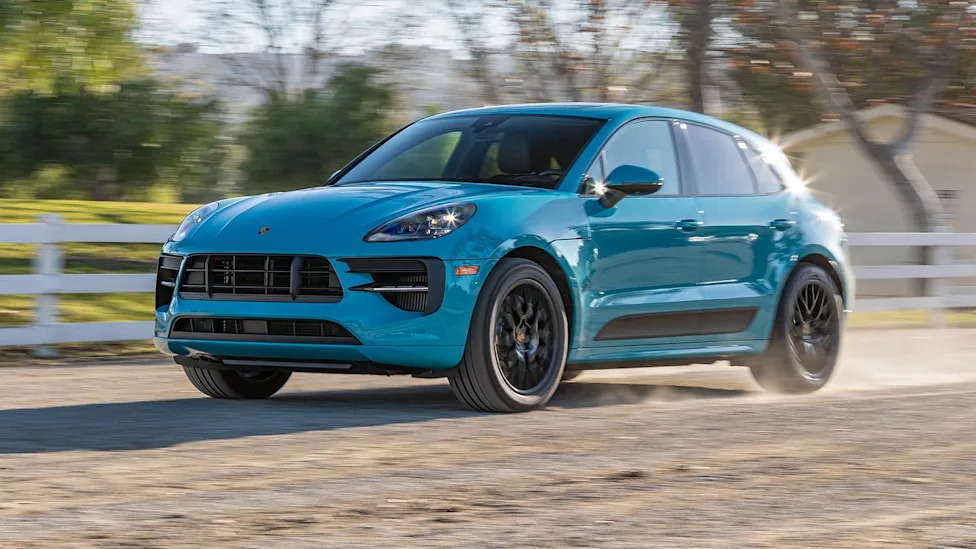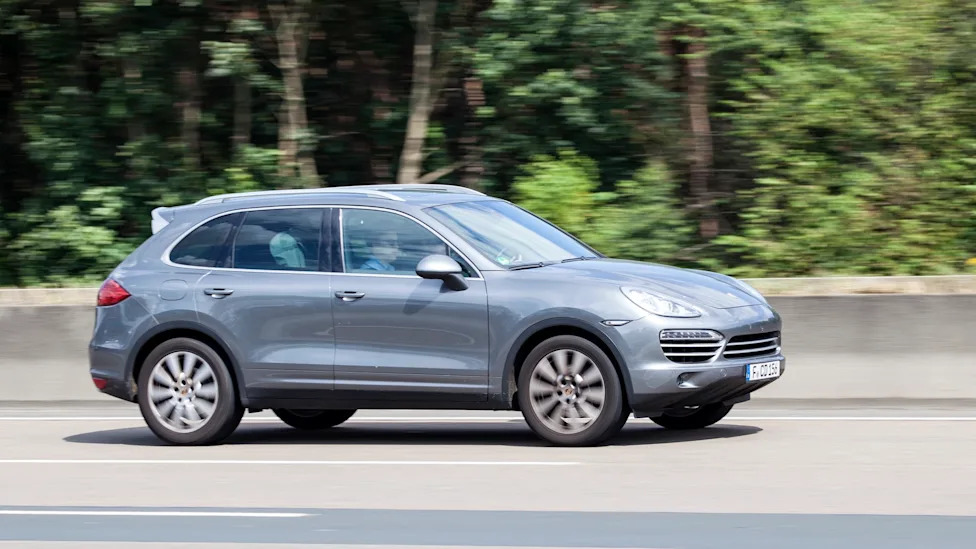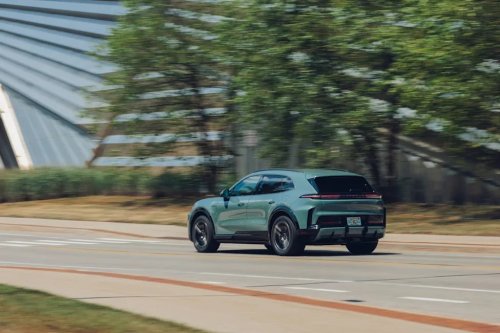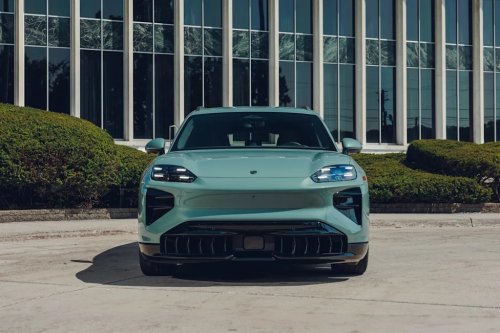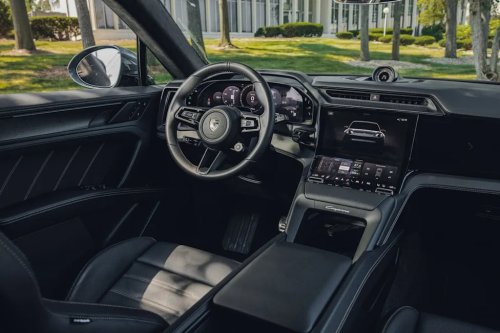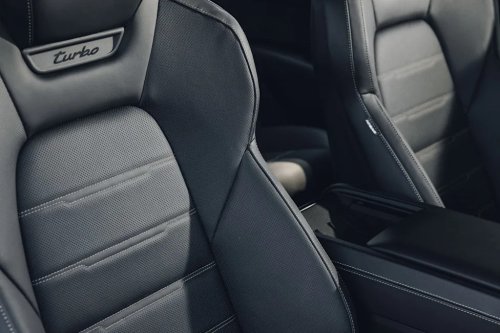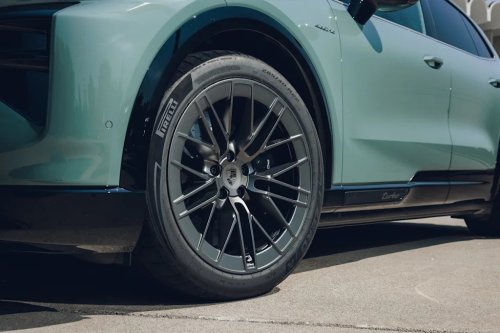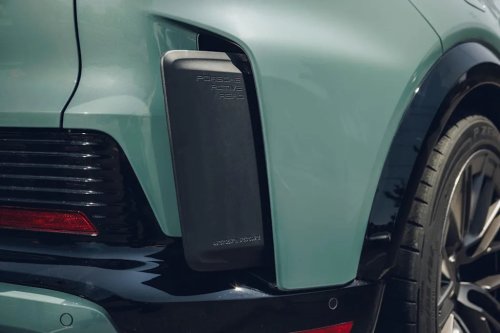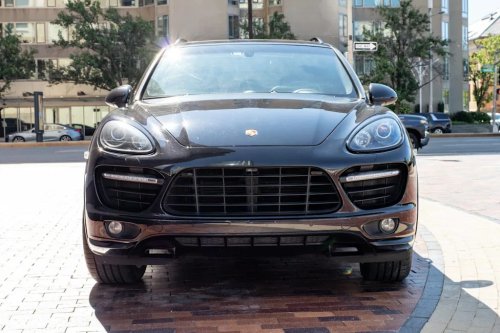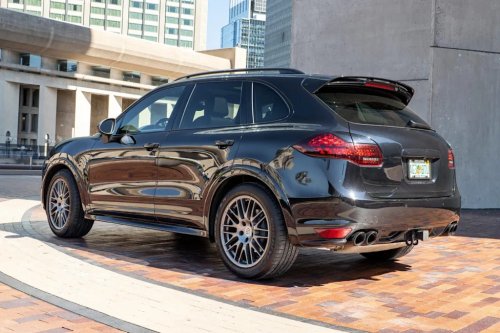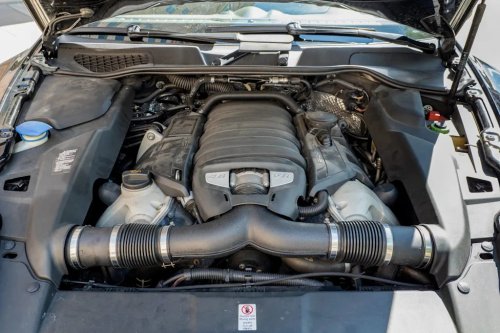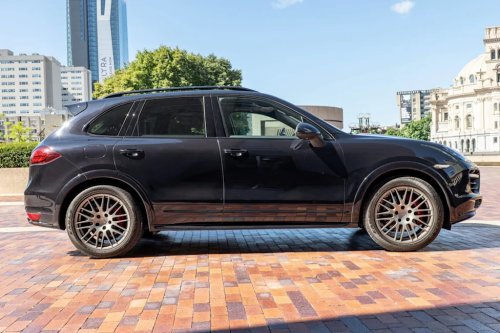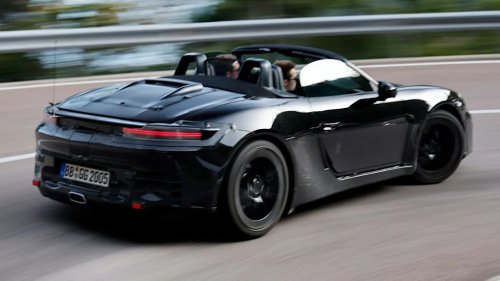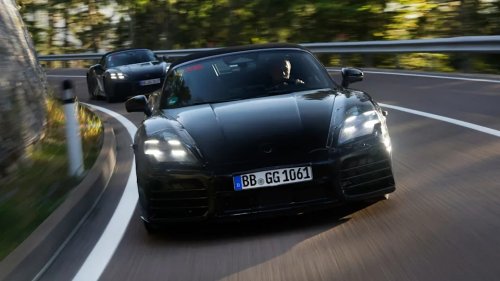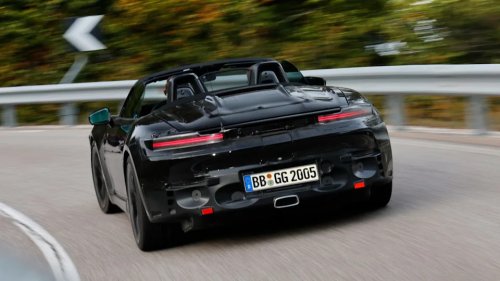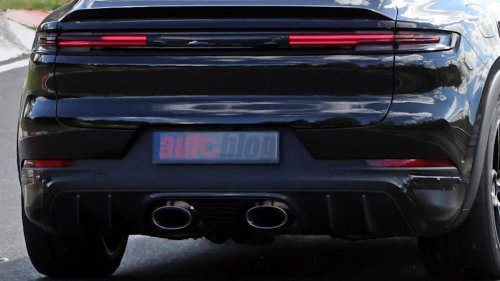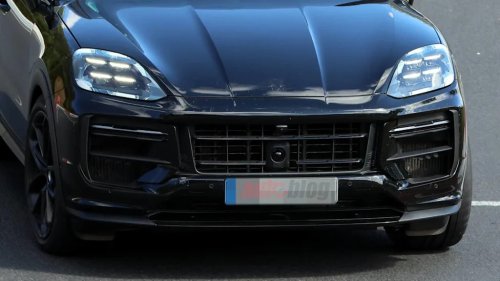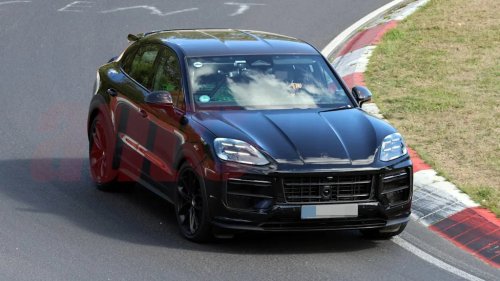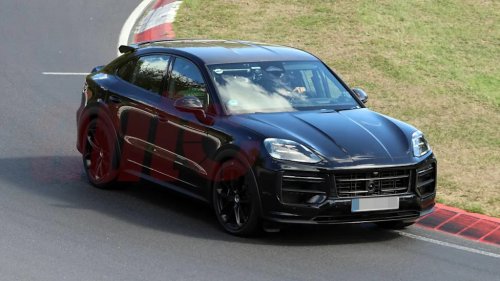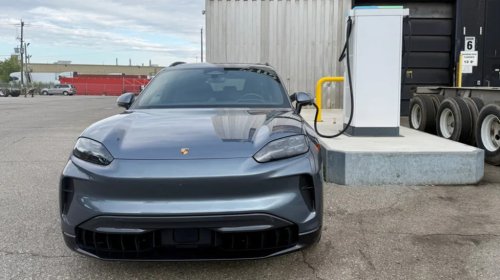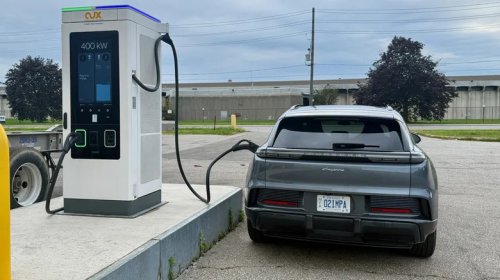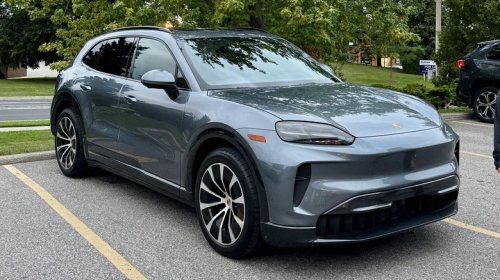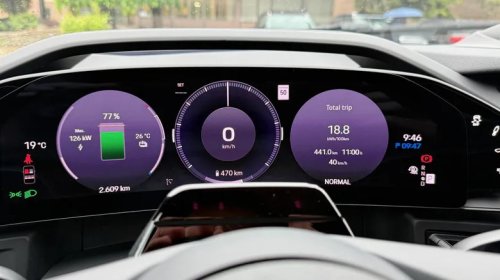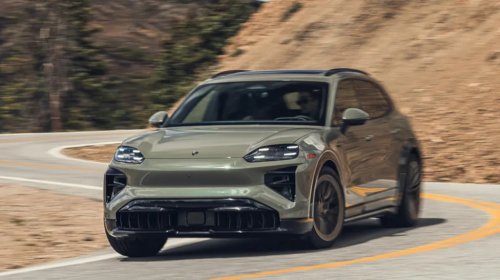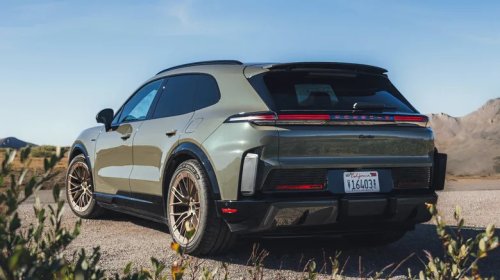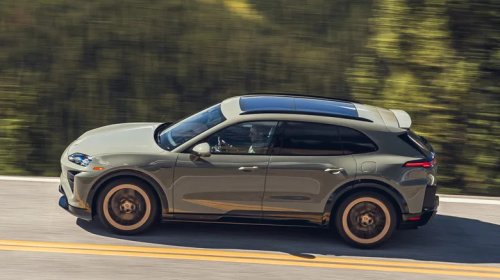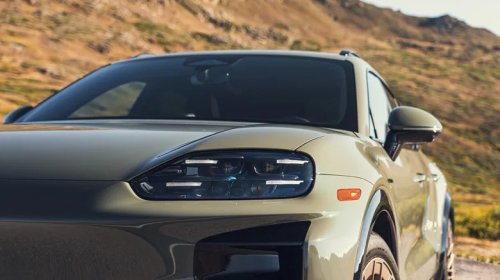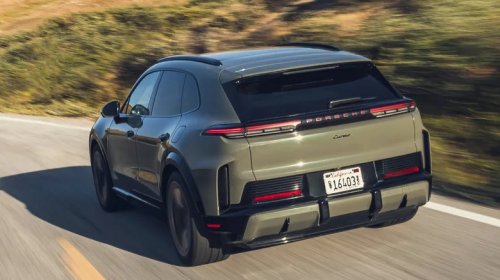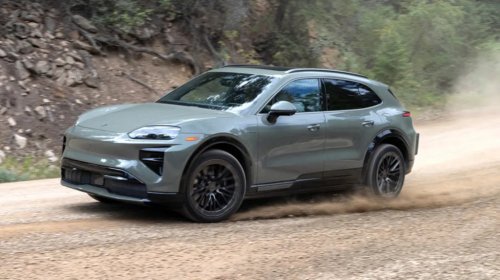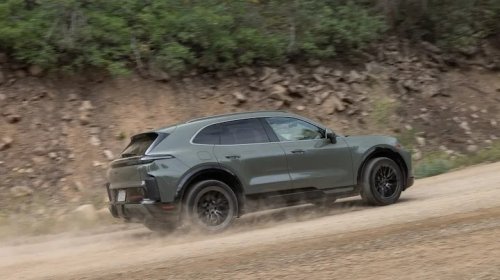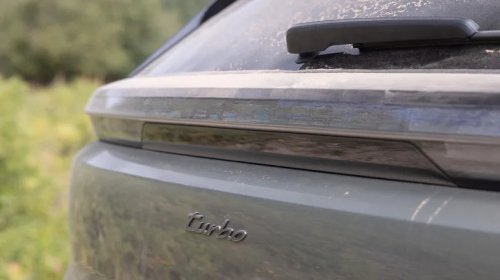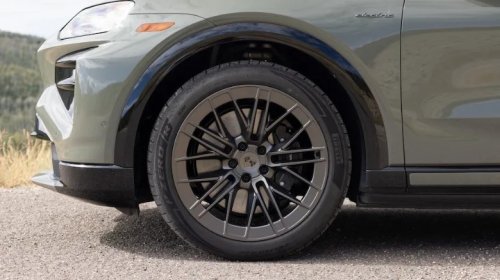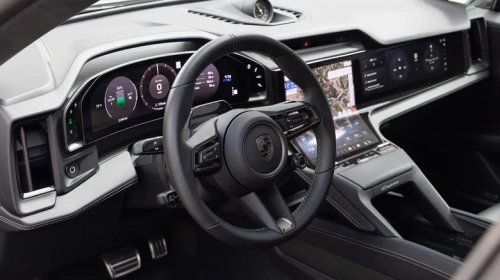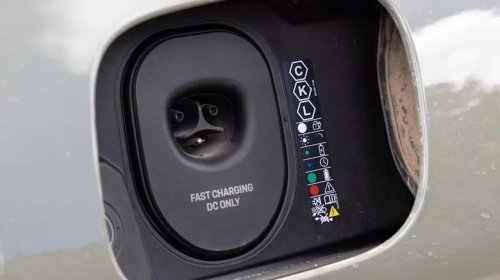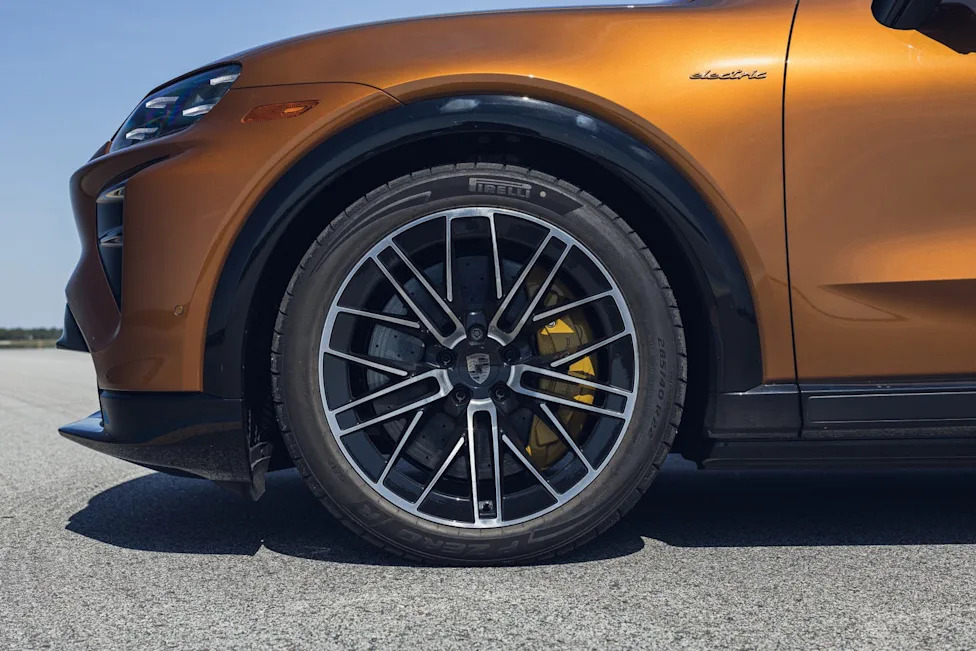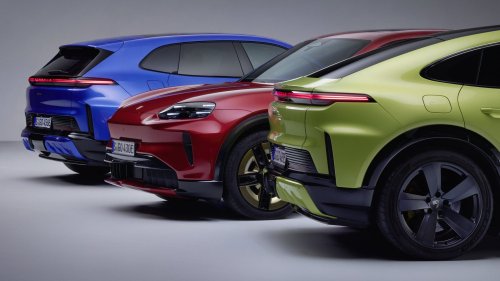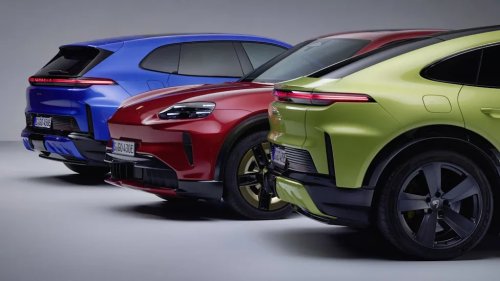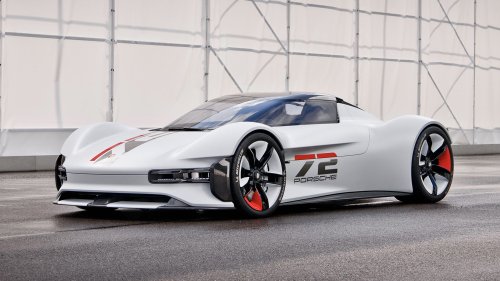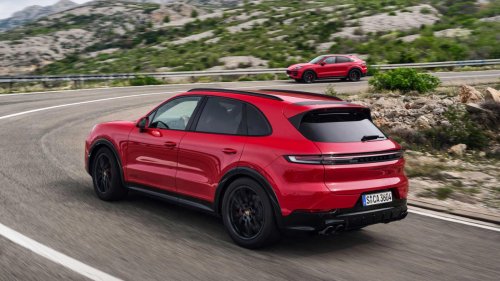
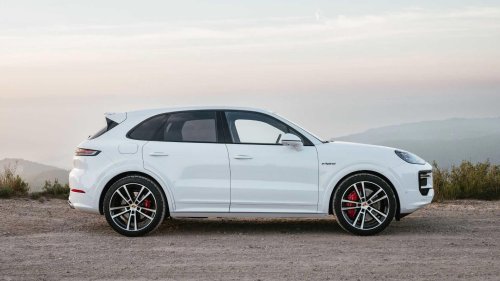
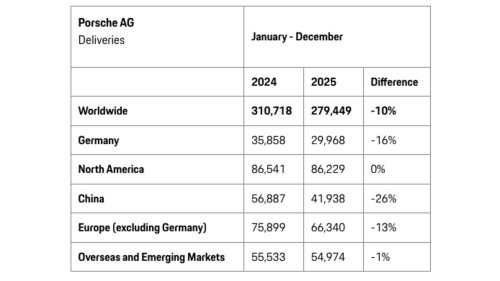



















Like every automaker on the planet, Porsche is staring into an uncertain future and trying to figure out the best way forward. The safest bet seems to be a multi-powertrain strategy that doesn't play favorites. For automakers, that means protecting market share that has relied on internal-combustion engines for decades, including recent hybrids and plug-in hybrids, while leaving the door open for battery-electric vehicles.Juggling all this has not been easy. Just ask Oliver Blume, who was effectively pushed out Jan. 1 as Porsche CEO and admitted it was a mistake to go exclusively electric in the case of the all-new Macan in 2024. It appears the same mistake won't be made with the Cayenne.So now that Porsche has changed course to ensure the Macan benefits from its "three-pronged powertrain strategy" going forward, it only seems fitting that a similar strategy is unfolding for the larger Cayenne. While the first US customers are expected to take delivery of the 2026 Porsche Cayenne Electric this summer (in base, S, and Turbo dress), there's confirmation now that an all-new Cayenne with internal-combustion power is on the way, with hybrid variants.“We plan to have these combustion engines and hybrids [available] far into the next decade.”-Ralf Keller, Porsche’s director of SUV model lines, per Auto Express. Who Wouldn't Want Twin-Turbo V8? Porsche The current third-generation ICE Cayenne launched in 2018 and in 2024 got what the automaker describes as the most extensive product upgrade in Porsche history. At that time, the automaker promised "major technological investment" in the Cayenne's future."Here the developers will be focusing, among other things, on the powertrains, in particular on improving the efficiency of the V8 developed by Porsche and built at the Zuffenhausen engine plant."That 4.0-liter twin-turbo V8 first appeared in the Porsche Panamera in 2016 and later in the Cayenne. Today it finds duty in multiple VW Group offerings from Audi, Bentley, and Lamborghini, as well.Porsche While Porsche says meeting "future legislative requirements" with the twin-turbo V8 is a top priority, there have already been updates along the way for use in the current Cayenne S, GTS, and Turbo E-Hybrid models. In the Cayenne Turbo GT, this V8 churns out 650 horsepower – good for a sprint to 60 mph in 3.1 seconds. CarBuzz has reported previously the V8 would survive in the current-generation Cayenne built into the next decade, but that plan appears to have changed.The current Cayenne's standard 3.0-liter turbocharged V6 is the most popular powertrain for this SUV in the US, so it should come as no surprise if Porsche slathers some product-development money on updating that engine, particularly on the road to emissions compliance.Porsche And we should watch closely what happens with the Macan, as it likely represents a template for how Porsche will proceed with balancing powertrain offerings in the Cayenne. The current ICE Macan (and ICE 718 models) will leave the US market later this year or next year, Porsche confirms, as part of the automaker's "value over volume" strategy.But that departure will be short-lived as Porsche adapts to changing market conditions, says Matthias Becker, Porsche board member for sales and marketing. "We are planning a standalone model series in the B-SUV segment with combustion and plug-in hybrid drive systems for the future. The market launch of this new SUV is scheduled for the end of the decade." Three-Row Porsche Won't Be BEV Porsche This chart above shows exactly why powertrain diversity is so important right now for Porsche. Vehicle sales fell 10% in 2025 while the automaker was still trying to push its EV lineup, and every region in the world suffered declines of at least 13% – except for the US, which was flat and represented the automaker's No.1 market. Americans don't want to be pushed into battery-electric Porsches. For the record, 34% of all Porsches sold worldwide in 2025 were electrified (including hybrids), with 22% of them being all-electric.If you're wondering about Porsche's plans for a three-row SUV larger than the Cayenne, it's still on the table "in order to grow in higher-margin segments," says Porsche's new CEO Michael Leiters. Clearly, the bean counters hold more sway than the sports car enthusiasts in Stuttgart."We are looking at models and derivatives both above our current two-door sports cars and above the Cayenne,” Leiters says. Porsche apparently has gotten the message that its customers are less interested in BEVs than in ICE, as he confirms the new, larger SUV, "which was originally intended as an all-electric model, will initially be offered exclusively with combustion and plug-in hybrid drive systems at market launch."