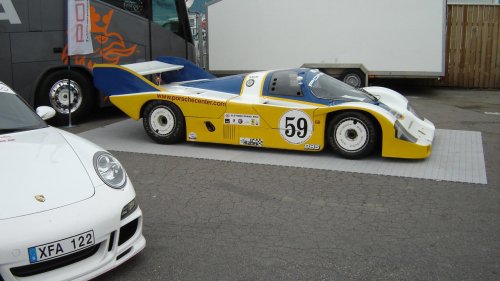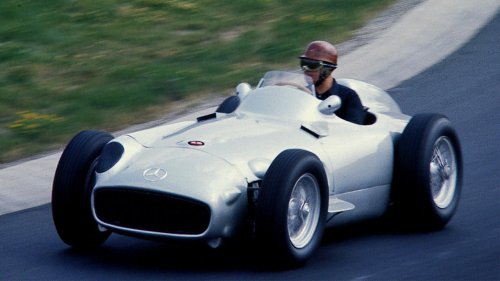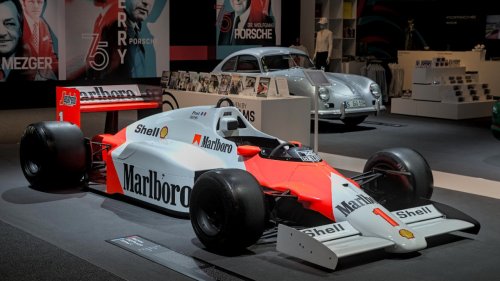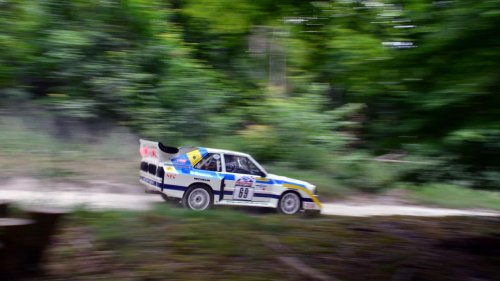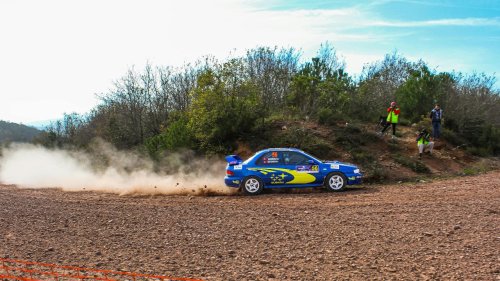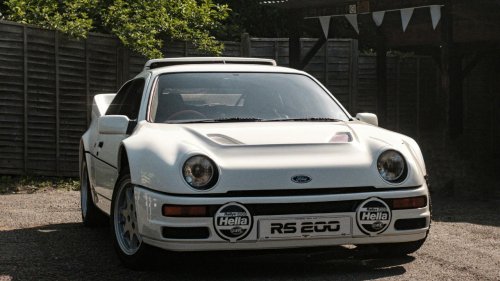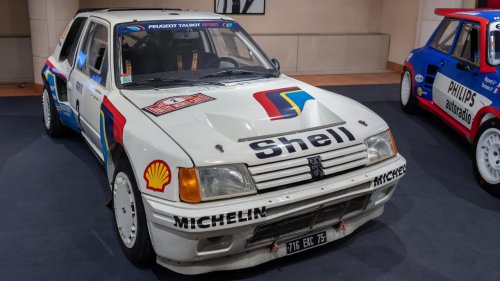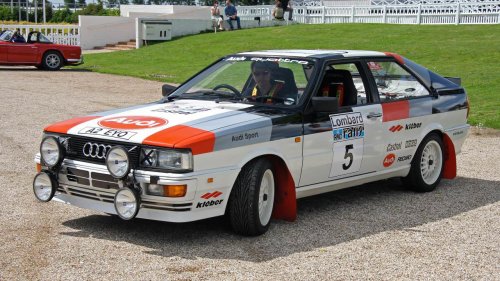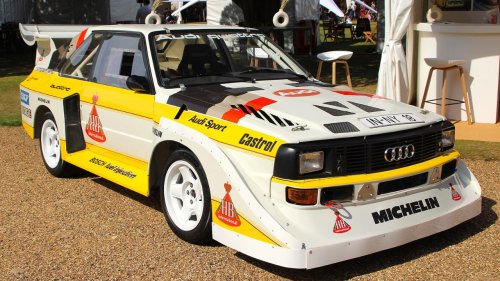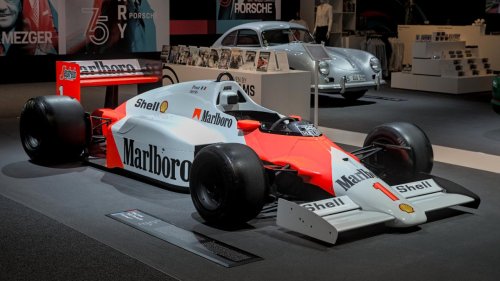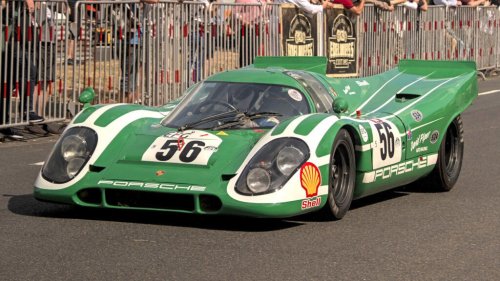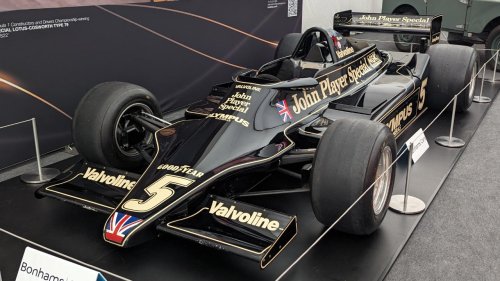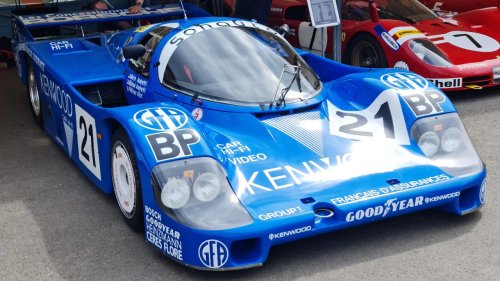
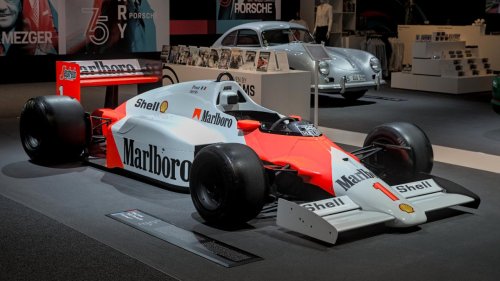
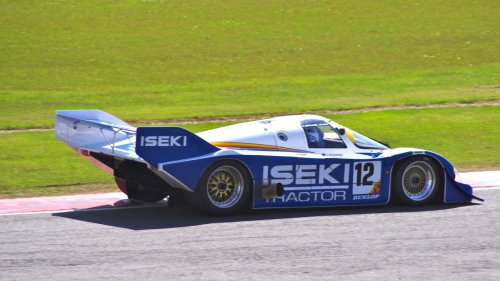
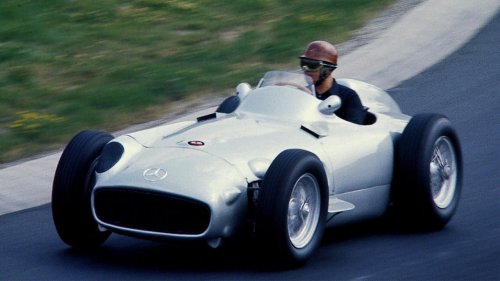
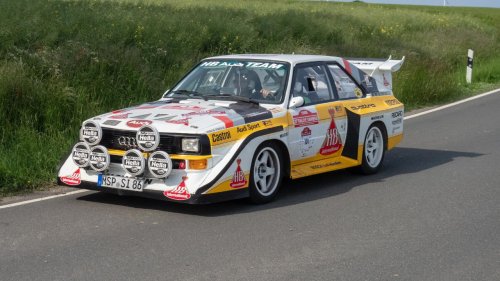
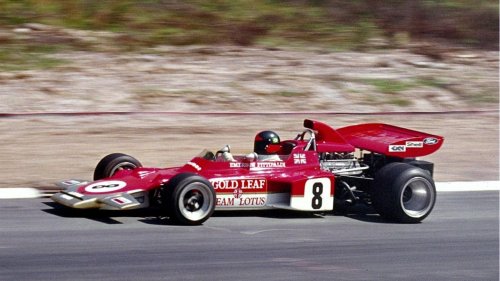
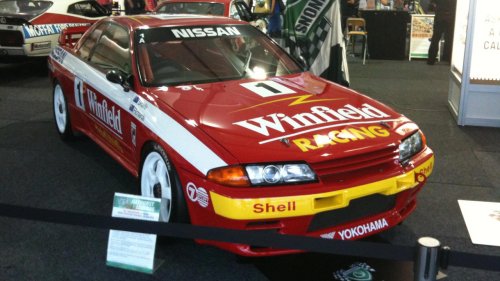
















Some race cars become so dominant that competitors begin fighting for second place before the race even starts. Whether through superior engineering, overwhelming speed, or unmatched reliability, these machines created eras of complete control in motorsports. Their performances were so convincing that they permanently changed how teams approached racing, development, and competition.McLaren MP4/4The McLaren MP4/4 became one of the most dominant Formula One machines ever built during the 1988 season. Powered by Honda turbocharged performance and driven by Ayrton Senna and Alain Prost, it won nearly every race that year. Mechanics admired its aerodynamic efficiency, reliability, and incredible balance at high speeds. Rival teams struggled to match its pace consistently, making the MP4/4 appear almost unbeatable whenever it arrived at a Grand Prix circuit.Porsche 956The Porsche 956 completely transformed endurance racing with groundbreaking aerodynamics and extraordinary reliability. Its ground-effect design generated massive cornering speed while maintaining efficiency over long-distance events like Le Mans. Mechanics respected the durability of its turbocharged flat-six engine under brutal racing conditions. The Porsche 956 dominated endurance racing so thoroughly during the 1980s that competitors were forced to redesign entire programs simply to remain competitive.Mercedes-Benz W196The Mercedes-Benz W196 looked unstoppable during the mid-1950s thanks to advanced engineering far ahead of its time. Featuring fuel injection and streamlined bodywork, it delivered superior speed and efficiency compared to many rivals. Mechanics admired the precision and reliability of its design under demanding race conditions. Driven by legendary racers like Juan Manuel Fangio, the W196 helped establish Mercedes-Benz as a dominant force in international motorsport competition.Audi Quattro S1The Audi Sport Quattro S1 terrified competitors with explosive turbocharged power and revolutionary all-wheel-drive traction during the peak of Group B rally racing. It accelerated brutally on loose surfaces where traditional rear-wheel-drive rivals struggled for grip. Mechanics respected its complex drivetrain and incredible performance potential despite extreme conditions. The Quattro S1 looked nearly unbeatable on rally stages because it fundamentally changed how rally cars transferred power to the ground.Lotus 72The Lotus 72 reshaped Formula One design philosophy with wedge-shaped aerodynamics and innovative engineering solutions. Its layout improved handling, braking, and airflow in ways competitors quickly attempted to copy. Mechanics admired its technical sophistication and race-winning versatility across multiple seasons. The Lotus 72 appeared unstoppable at times because it combined speed, innovation, and adaptability more effectively than nearly every rival during the early 1970s.Nissan R32 Skyline GT-R Group AThe Nissan Skyline GT-R R32 earned the nickname “Godzilla” after completely overwhelming touring car championships in multiple countries. Its advanced all-wheel-drive system and twin-turbo inline-six engine gave it superior acceleration and grip under nearly all conditions. Mechanics respected its sophisticated electronics and durable racing platform. The R32 GT-R looked unstoppable because it consistently outperformed competitors so decisively that racing organizers eventually changed regulations to restore competitive balance.