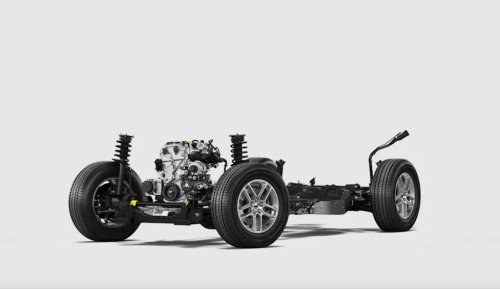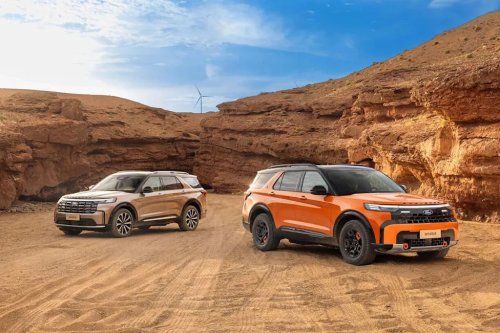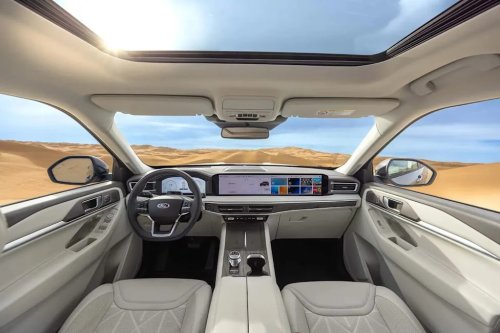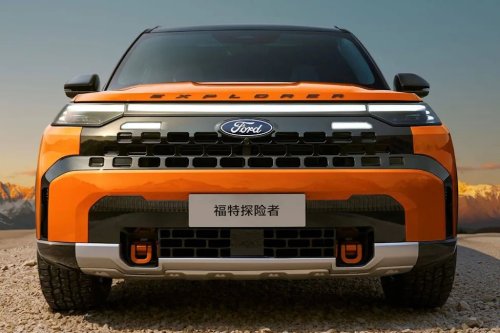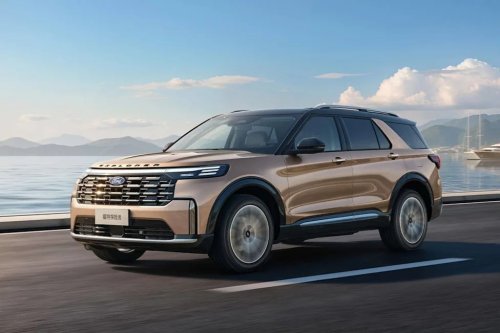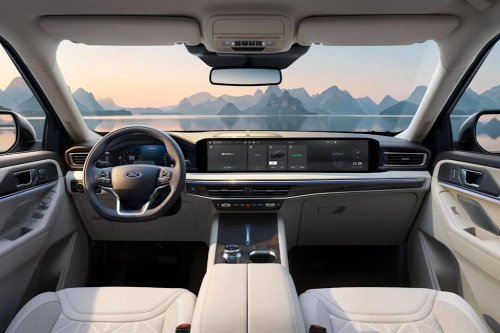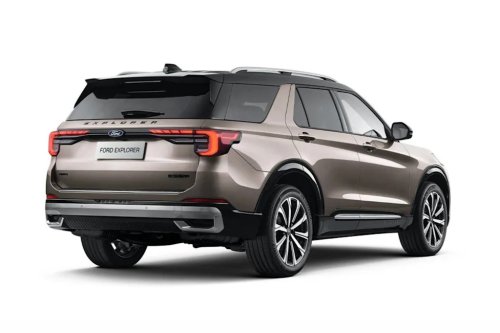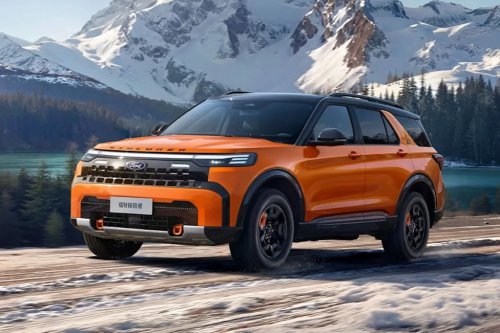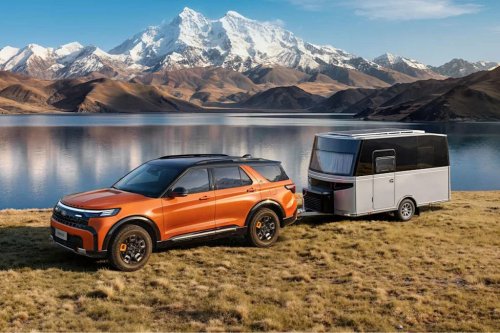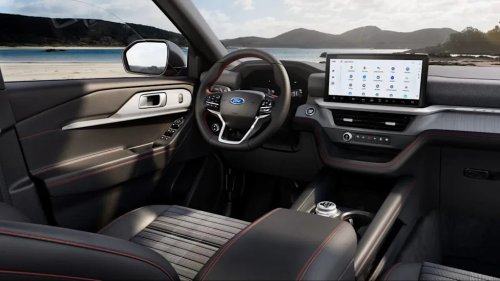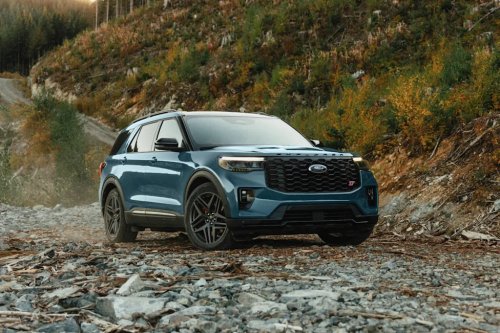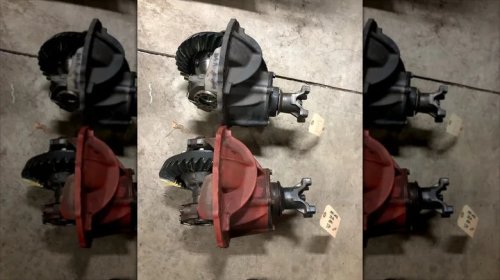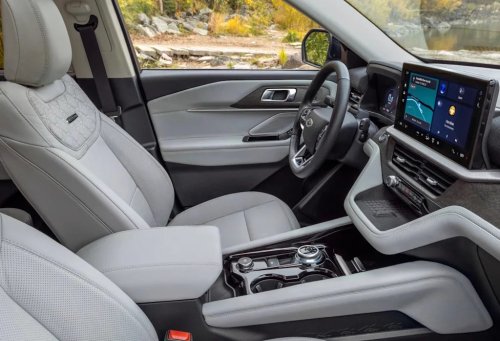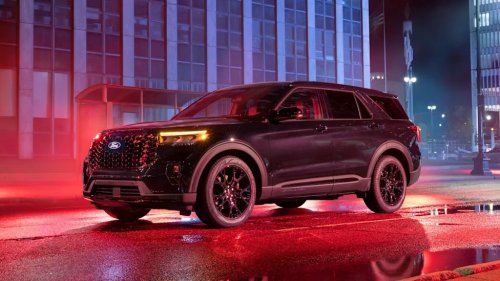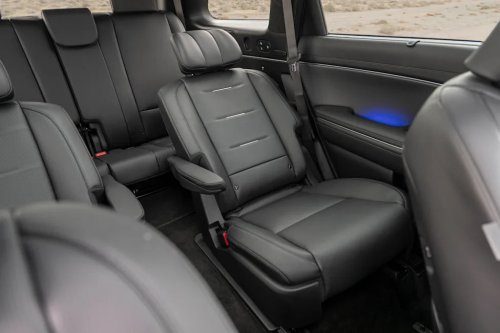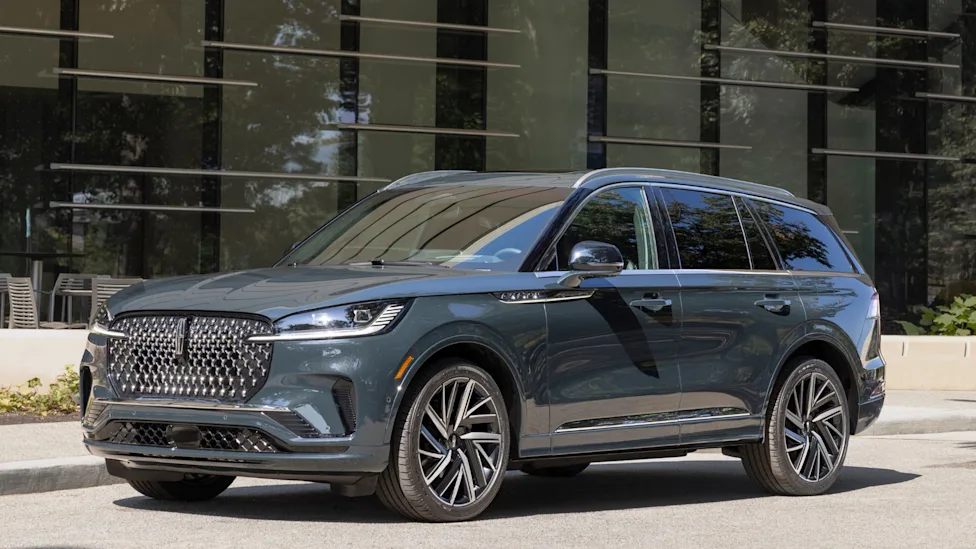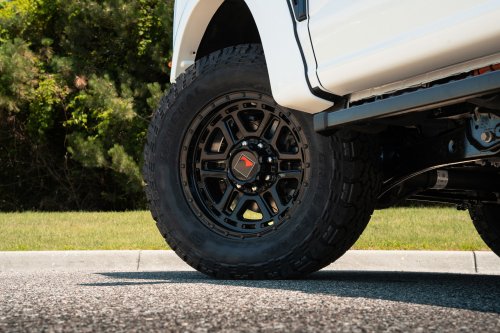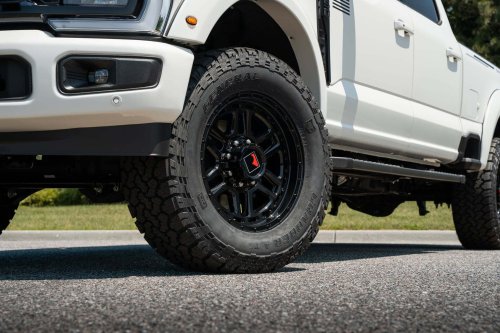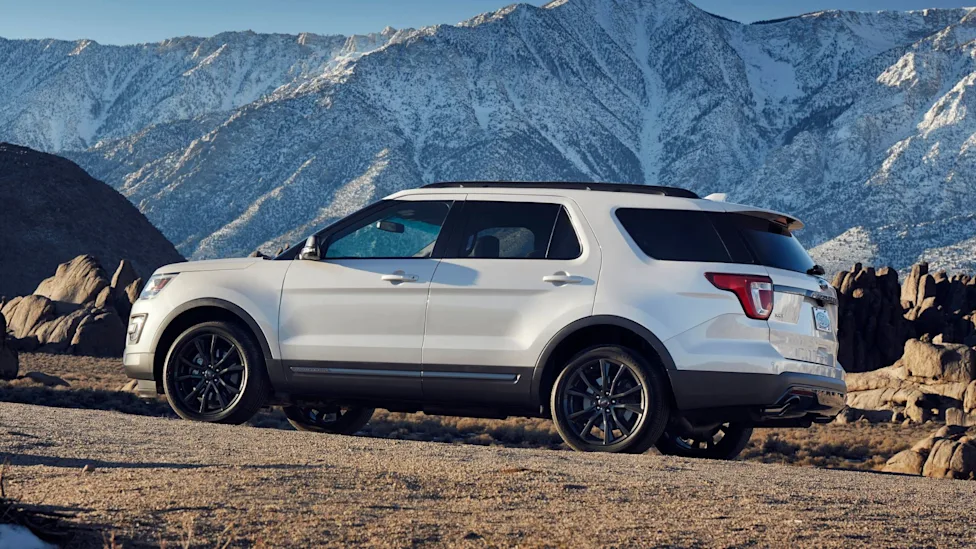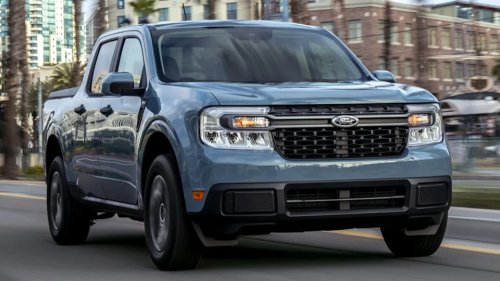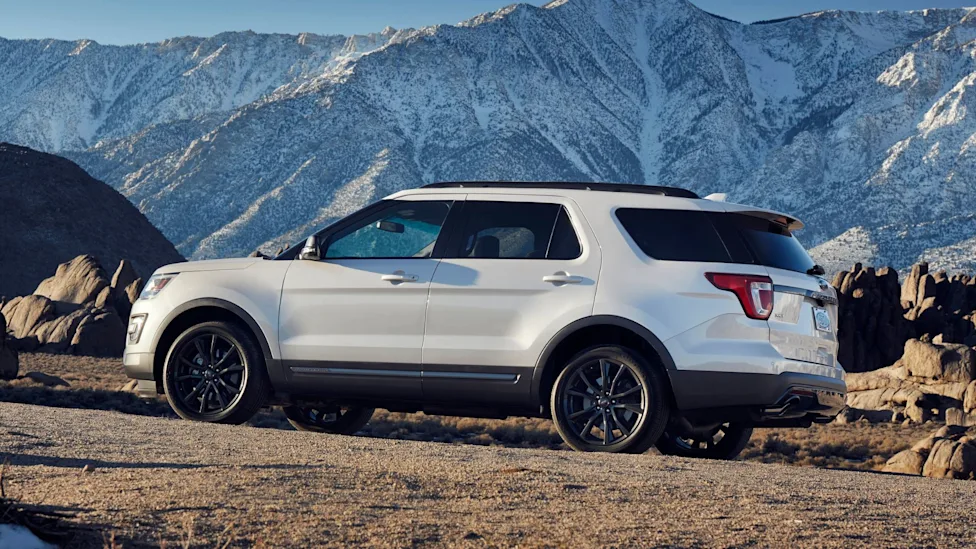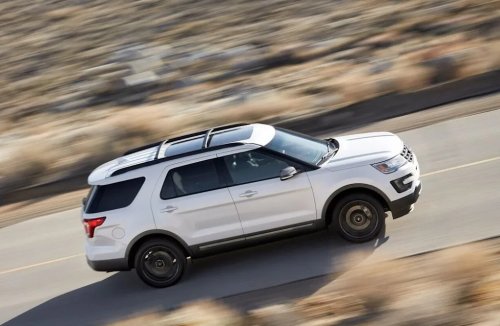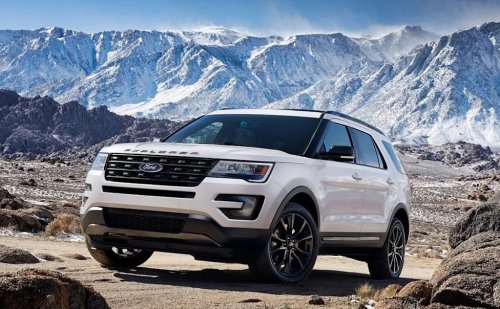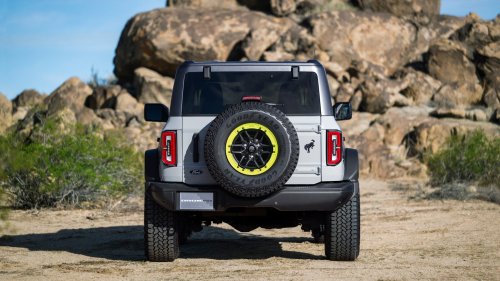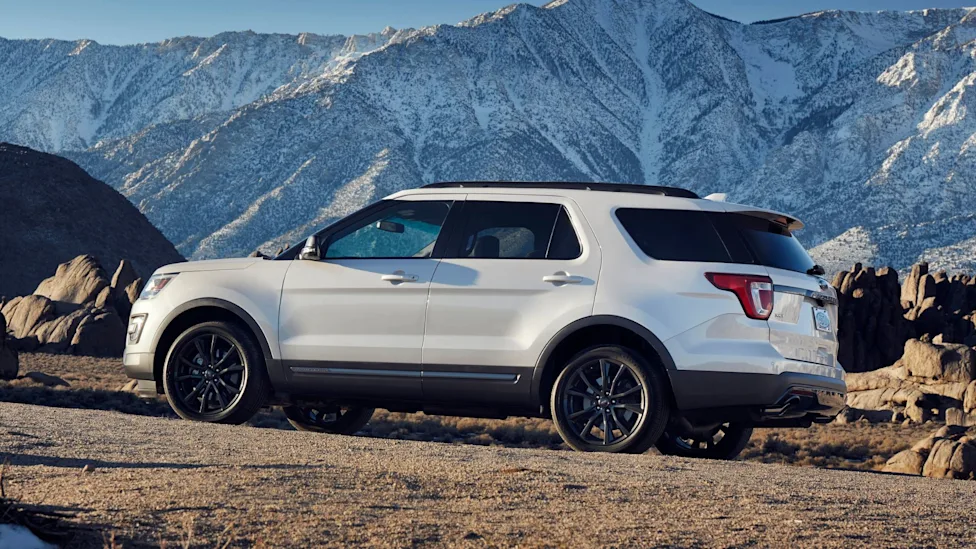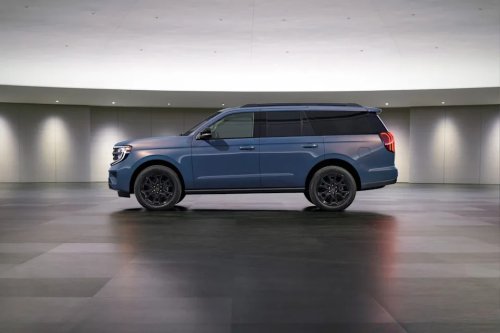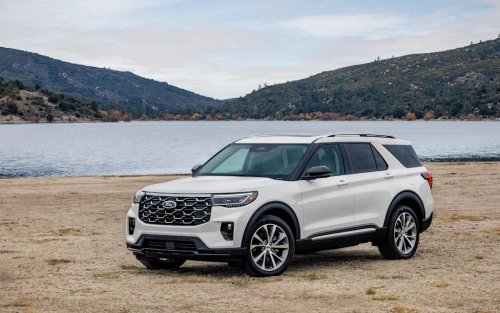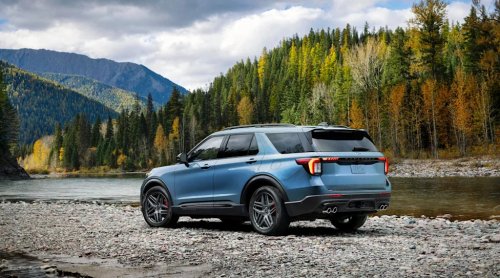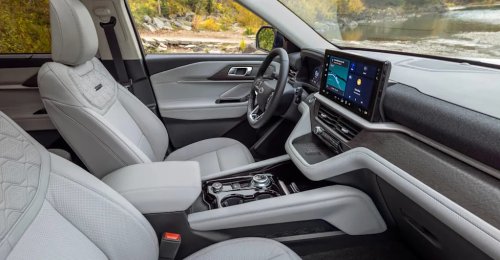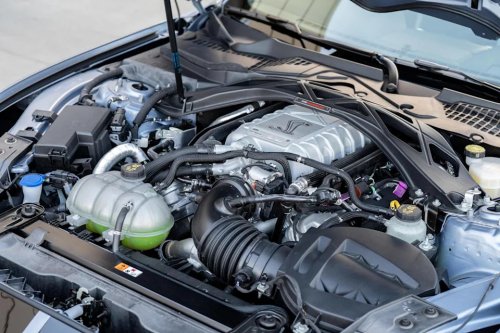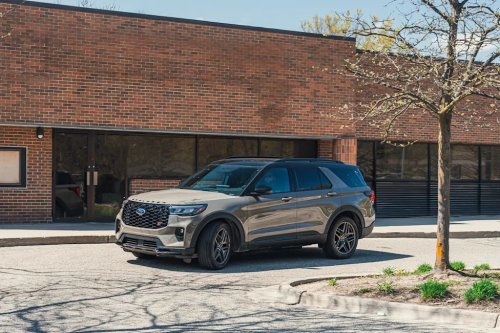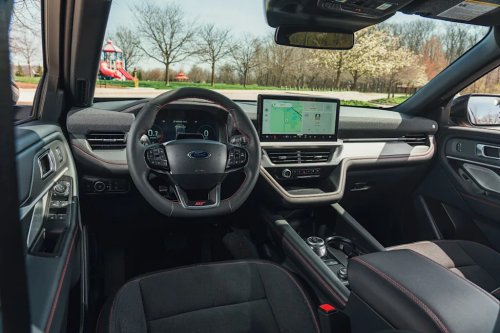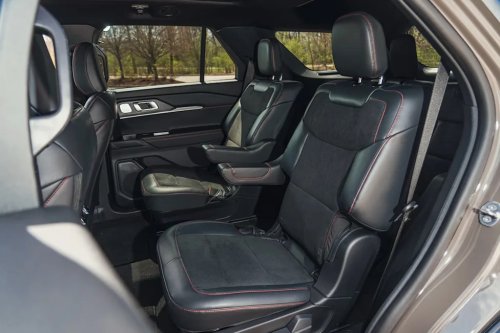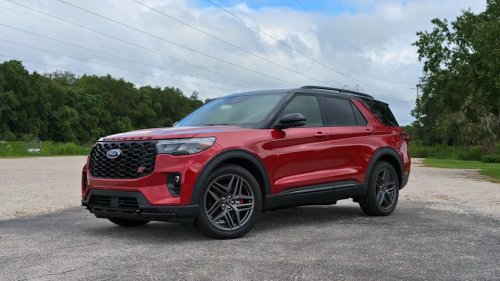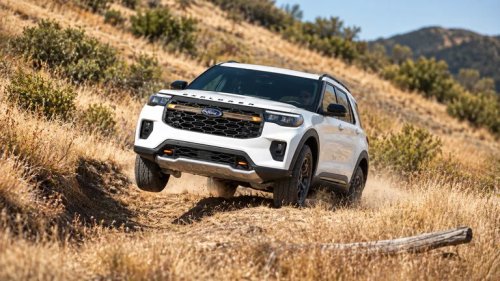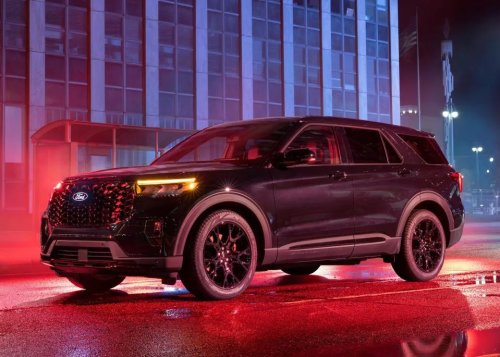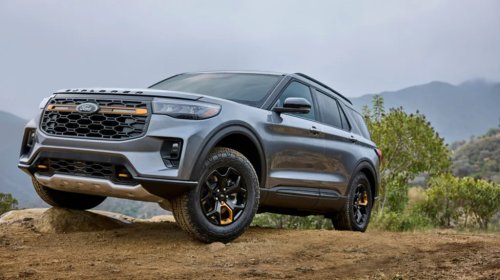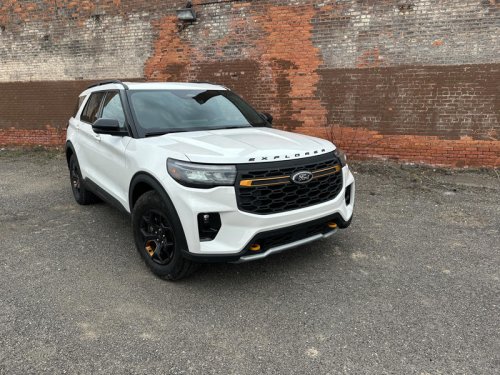
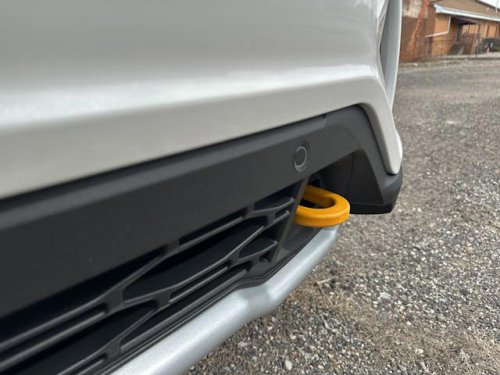
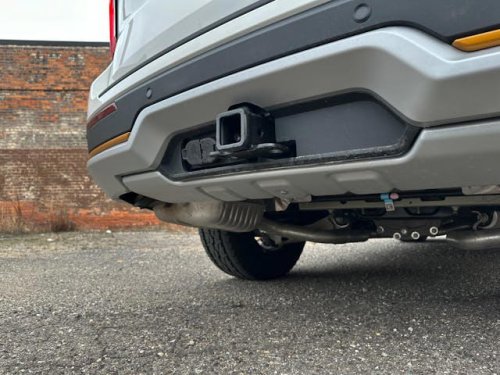
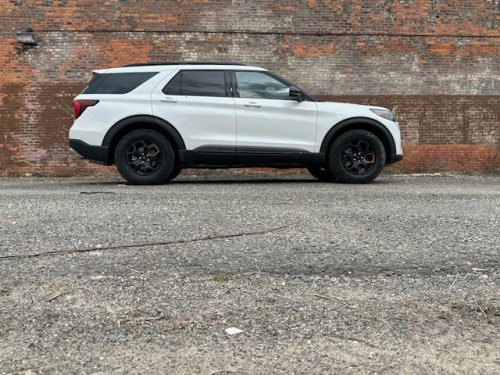
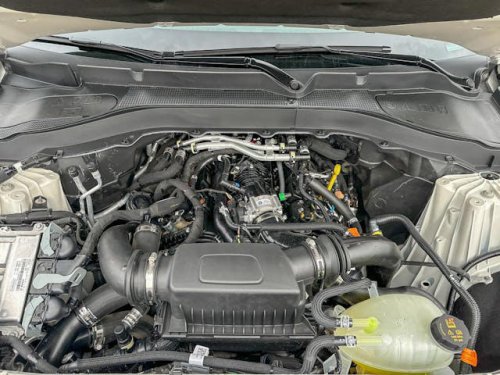
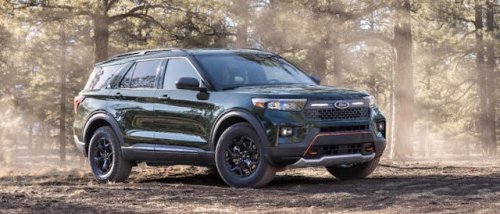
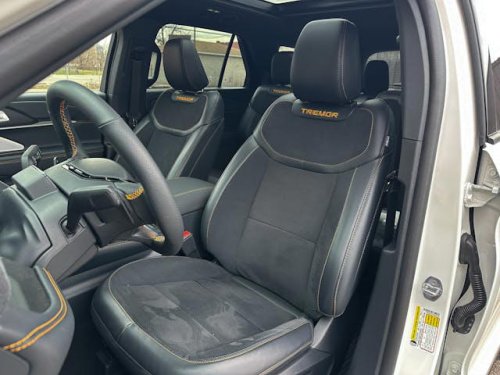
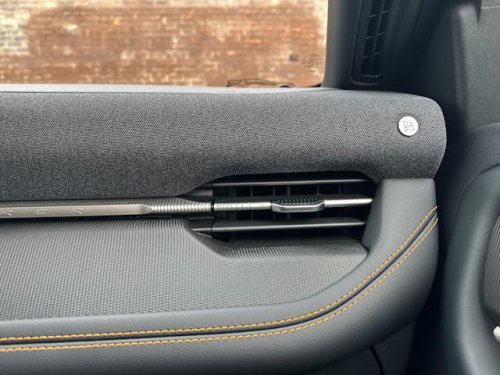
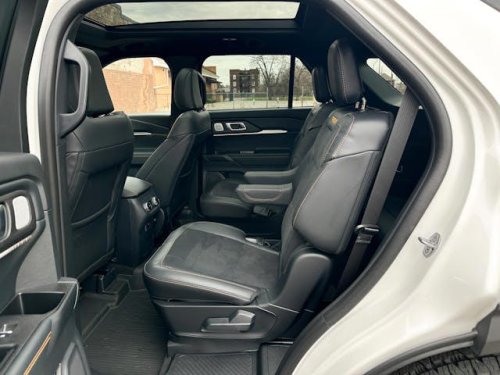
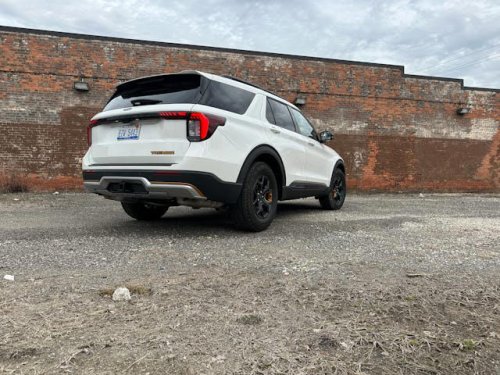
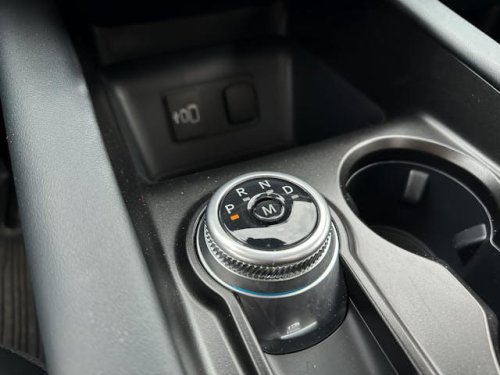
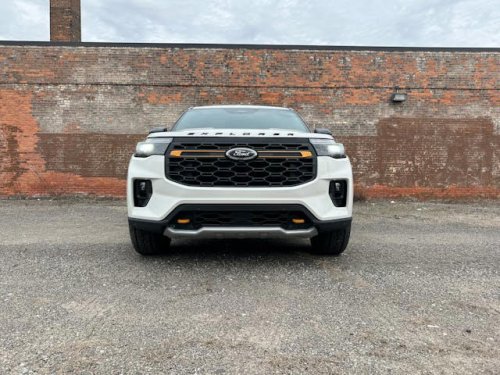
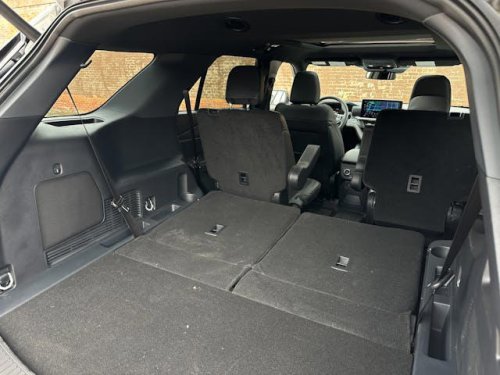
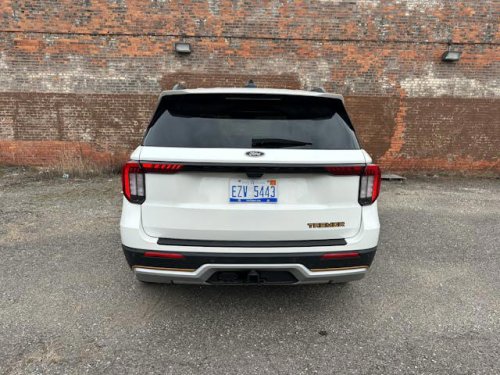



















2026 Ford Explorer Tremor V-6: Another Class of One At first glance, the 2026 Explorer Tremor looks like Ford capitalizing on the off-road trend that has reigned among American SUVs since Subaru made an Outback version of its Legacy wagon. Indeed, Ford has been adding lifts and skid plates to many vehicles via the Tremor treatment, starting with the Ranger, then the F-150, and even the tiny Maverick pickup. The Explorer Tremor is definitely an appeal to the outdoorsy crowd, but it’s also an example of Ford recycling an old and profitable playbook. The Explorer is Ford’s best-selling SUV and a cornerstone of the portfolio that it sells to fleets, including police fleets. In the same way that Ford once sold Crown Vics to police fleets, it now sells Explorer SUVs. As the success of the Crown Vic enabled Ford to pursue a small but enthusiastic audience with the Mercury Marauder, so, we suspect, does the volume-selling success of the Explorer give Ford the flexibility to build a nearly $65,000 off-road-able Explorer with an engine otherwise reserved for Lincoln. But we’re getting ahead of ourselves. New to Ford’s lineup for the 2026 model year, the Explorer Tremor is the direct replacement for the Explorer Timberline. Like the Timberline, it is distinguished by a small lift (one inch), all-terrain tires, specially tuned suspension, and the addition of a limited-slip rear differential (a Torsen unit, which you can read more about here). Unlike the Timberline, it wears orangey-gold accents and has an optional and very expensive V-6 available via the $11,850 Ultimate Package. It adds all the hardware for hands-free highway driving and a year plus 90 days to use it; a fixed-glass moonroof with a power shade; a 14-speaker B&O sound system; and power folding rear seats, among other goodies. Our tester was equipped thus, with another smattering of options that took the final price to an eye-watering $64,705. For reference, a base Explorer Tremor comes with a 2.3-liter four-banger and costs a little over $50,000. The 3.0-liter V-6 doesn’t get any aesthetic treatment in the Explorer or in its Lincoln sibling, though the Explorer ST and the Aviator do get a strut-tower brace. Grace Jarvis As the newest and outsdoorsiest Explorer, the Tremor succeeds in looking fresher than the Timberline, which debuted in 2021 with grille-mounted lights, little mountain motifs, and black and green accents. (So last year …) The only downside is that the basic vehicle looks a little dated: This sixth-generation SUV is six model years old now. If nothing else, ordering the Tremor is a convenient way to order the newest-looking Explorer. The Explorer rides on Ford’s CD6 platform, which came out in 2019 and was notable for returning the vehicle to rear-wheel drive. The Explorer shares the platform with the Lincoln Aviator, which has graciously lent its 3.0-liter, twin-turbocharged V-6 to the Explorer Tremor. (In the Aviator, it makes 400 hp.) The Tremor is only the second Explorer trim to get the six; the other, logically, is the ST. All other Explorers, including the luxe Platinum trim, for reasons that probably boil down to “Lincoln,” make do with a 300-horse, 2.3-liter turbo four. Mostly gray, with yellow accents sprinkled throughout, the Explorer’s Tremorized cabin feels spacious and modern. (The Ultimate Package’s fixed-glass sunroof really helps it feel more airy.) The screen acreage and the number of dials and buttons are nicely balanced—in all, the user interface on the touchscreen is less overwhelming and easier to navigate than the last GM system we encountered. We also prefer the console-mounted PRND dial to GM’s dash-mounted stalk; it may not be more durable, but it sure feels like it. As the rest of the 2026 Explorer line does, the Tremor’s dash features textured, metal-look plastic accents, handy rubber-lined cubbies, and speakers hidden behind a panel covered in chic gray fabric. The second-row chairs are quite comfortable, but the third row is an awkward place for grown-ups. Probably in an effort to increase headroom, the usual shortcoming of an SUV’s third row, Ford mounted the seats practically on the floor. They succeeded in improving headroom but introduced a new awkwardness, because your knees feel like they’re in your chest. We don’t expect the uncomfiness of the third row to dissuade many Explorer buyers; if you prioritize a third row that can comfortably seat adults, you’re shopping for a different vehicle entirely (all hail the minivan!). Specs: 2026 Ford Explorer Tremor (V-6) Price, base / as-tested: $50,160 / $64,705Powertrain: 3.0-liter V-6 engine, 10-speed automatic transmissionOutput: 385–400 hp, 415 lb-ft of torqueLayout: Four-door, seven-seat, all-wheel-drive crossoverTow rating: 5000 pounds0–60 mph: 5.5 seconds, est’d.EPA-rated fuel economy: 17/22/19 (city/highway/combined) Thanks to a robust 415 lb-ft of torque, the V-6–powered Tremor feels quick for a SUV of its size. (Ford’s site lists both 385 and 400 as the horsepower figure; we’ve reached out to clarify.) The standard 2.3-liter four makes 300 hp and 310 lb-ft, so the six represents a meaningful upgrade in power. The six doesn’t sound particularly sexy, but it doesn’t sound strained, as many turbo fours do, and that is a welcome change. Aggressive merges and lane changes are dispatched comfortably. The ten-speed shifts often but smoothly, and we never found it to be obnoxious. Our main complaint about the driving experience is that the grab handle for the second row intrudes on your ability to see vehicles behind and to the left of you. The other downside—which is really an intentional compromise—is the relatively squishy suspension. While its increased travel makes the Tremor suited to light off-roading, it means that purposeful acceleration or braking maneuvers result in noticeable squat and dive. This was probably intentional, on Ford’s part, since a main complaint with the Timberline was that it felt too stiffly sprung off-road. We didn’t take the Tremor beyond gravel parking lots (and over a few curbs, just for fun), but we expect they fixed the problem. The brake pedal contributes to the overall feeling of squishiness, because travel at the top of its range is quite soft, firming up toward the bottom of the pedal’s travel. Like larger, body-on-frame SUVs, the Explorer Tremor is best driven with gentle inputs. The Explorer’s 13.2-inch display is crisp and bright, compatible with both Apple CarPlay and Android Auto. It looks new because it is. As of 2025, the Explorer ditched Sync 4 in favor of a new, Google-based system called Ford Digital Experience. GM has invested even deeper in a Google ecosystem, which eliminated CarPlay (for data-sharing reasons) but enabled integration between GM’s hands-free driving system and Google Maps (proactive lane changes as you approach an exit!). Our first impressions of Ford’s Google-ified system suggest that it’s a less capable though perhaps happier medium for most people: You don’t get Super Cruise’s fancy navigational tricks, but you get the option of CarPlay. Ford’s UI is also more intuitive than the last GM system we used (on the Explorer Tremor rival Chevrolet Traverse Z71) — the glyphs aren’t so complex, and you’re presented with fewer options at one time. GM: Ditch the configurable top rail of icons already. It’s simply too many. Ford’s slick new infotainment system nearly substitutes for CarPlay. I connected my iPhone via Bluetooth and used the native display to send and receive texts and calls, navigate, and stream music. (I did not download Spotify, though this new Google foundation means that you can install third-party apps, including YouTube and Prime Video. Google Chrome is on the way.) I noticed two wrinkles: The native infotainment doesn’t detect group messages, and the built-in Google Maps doesn’t populate destinations from your phone, even when car and phone are logged into the same Google account. Given the high standard set by phones, I’ll admit (sheepishly) that these quirks are probably enough to make me use CarPlay, if I had this vehicle for more than the standard, seven-day loan period. However, I’ve noticed the same quirks on other vehicles when connecting my phone via Bluetooth rather than mirroring it via CarPlay, so Ford gets a pass. In terms of power and price, the Explorer Tremor falls right in line with other off-road-friendly, three-row SUVs—unless you spring for the Ultimate Package, with that powerful V-6 and its nearly $12,000 price tag. That version, and our focus today, is much more powerful and much more expensive than its rivals, which generally are priced in the low fifties and have about 300 hp. Three even come standard with a V-6: The Honda Pilot Trailsport, the Hyundai Palisade XRT PRO, and the Nissan Pathfinder Rock Creek. (The third is a screamin’ deal, at $46,545 out the door.) An Explorer Tremor with only the Ultimate Package and the V-6 is $62,010. In other words, there are more affordable ways to get an off-road-able three-row with a six-cylinder engine. Why choose the pricey Ford? Size is one reason. For suburbanites with two kids and tight garages, a $62,000 Explorer Tremor may feel like a “right-sized” alternative to the body-on-frame Expedition or Tahoe. In that case, the third row is something they like to know they have, even if they don’t use it much. And if you’re skeptical of how many three-row SUV buyers are walking around trying to spend $60,000, look at it from Ford’s perspective: They want to “capture that business,” and they can afford to build a realtively few number of them because they sell so many Explorers, many of them in the highly profitable fleet sector. Back to our comparison between this and the Mercury Marauder … Bougie suburban moms certainly outnumber sports-sedan enthusiasts, and they tend to have more disposable income. And they all renew their Blue Cruise subscriptions after year one, for the altogether reasonable price of $495 per annum, so Ford makes even more money. This $62,000, off-road-ish Explorer isn’t for everyone, and certainly not for the bargain hunters, but it’s a smart play by Ford. 2026 Ford Explorer Tremor (V-6) Highs: Powerful V-6, upscale interior, Blue Cruise (for one year, anyway)Lows: Powerfully high price, driver’s side blind spotTakeaway: The big, bougie, off-road SUV for people who don’t want a truly big SUV.