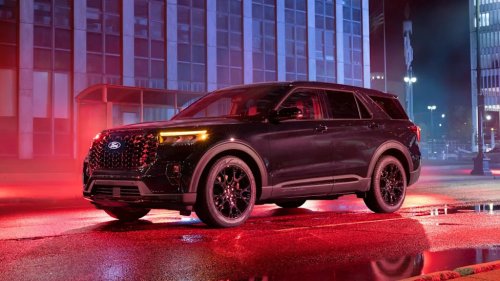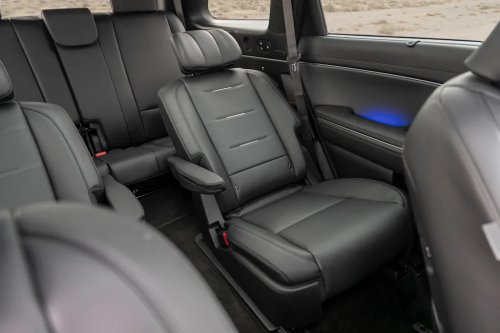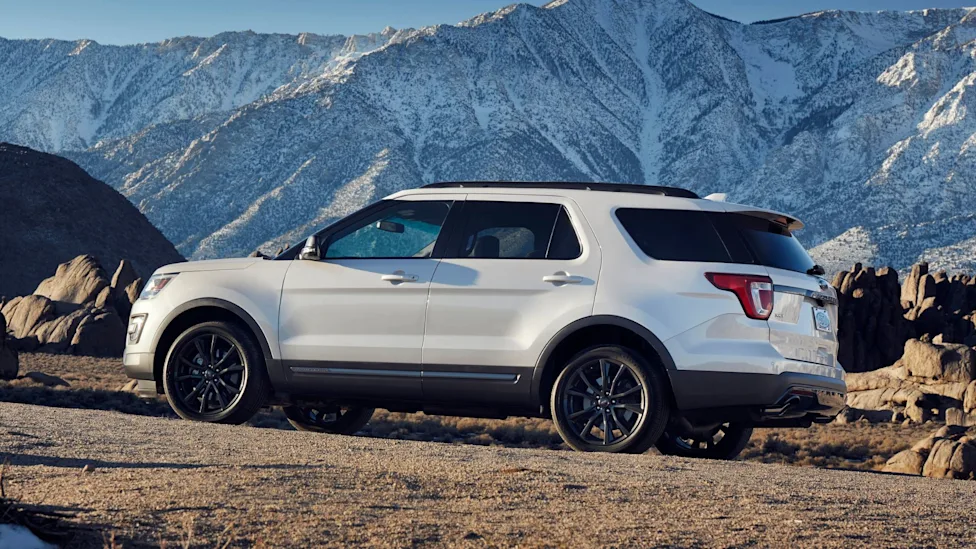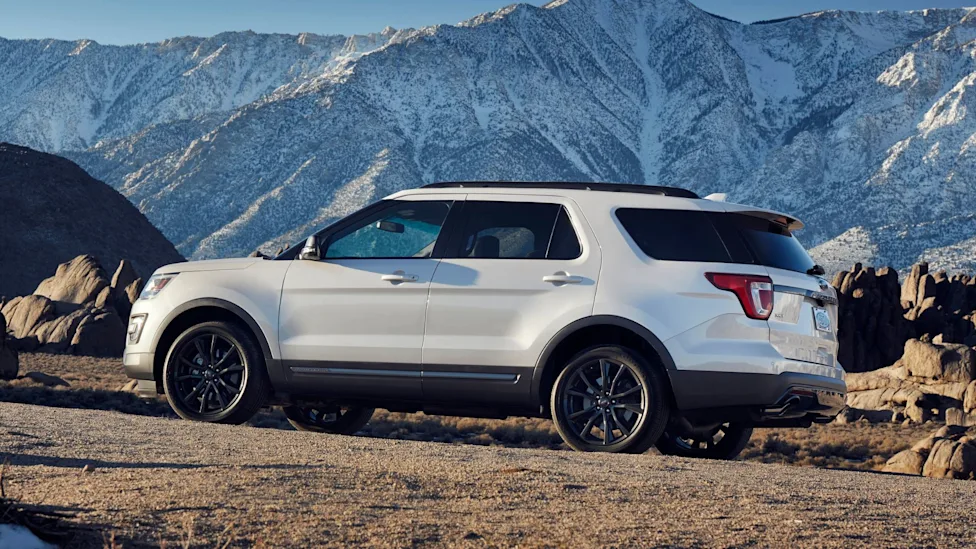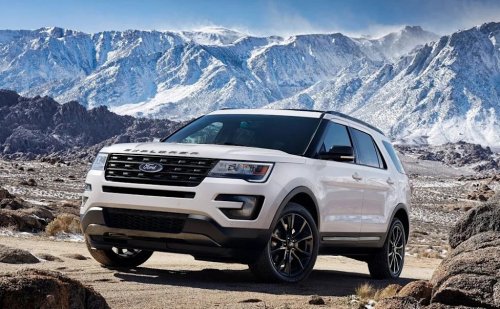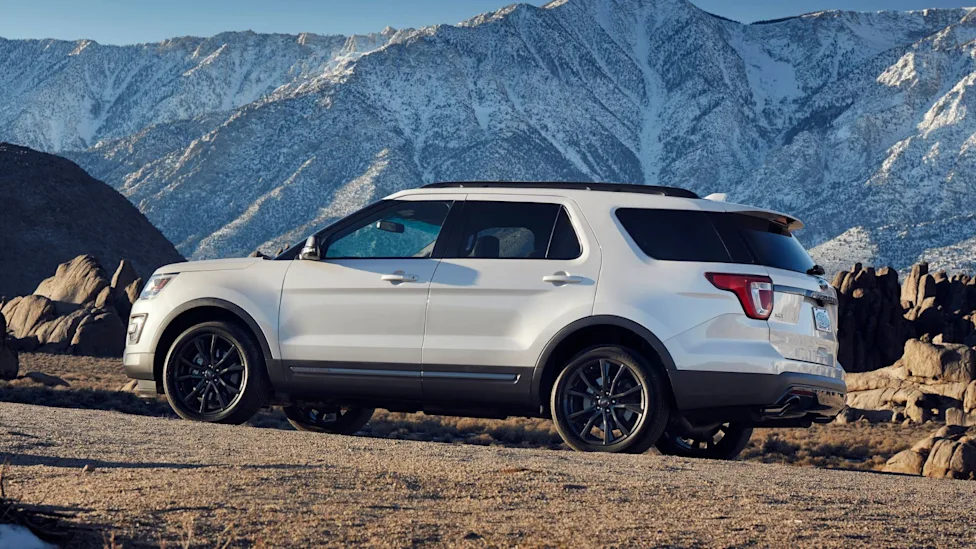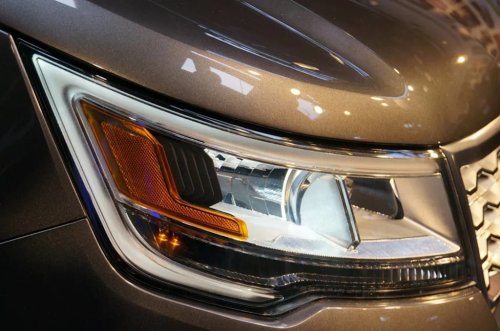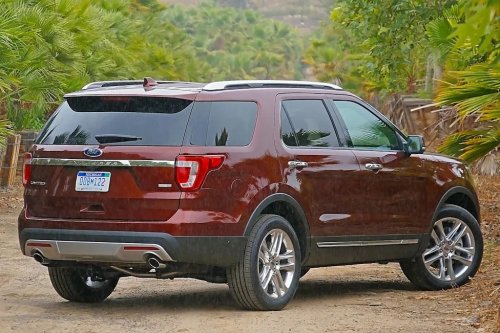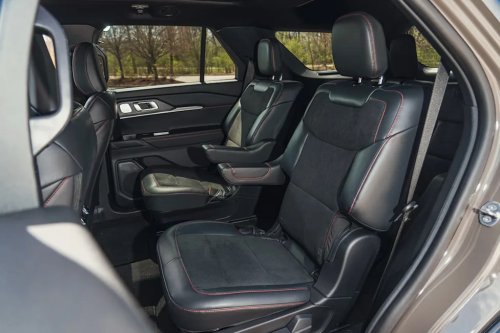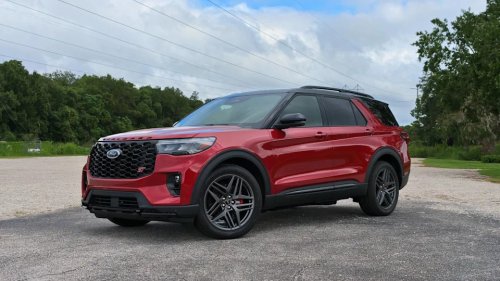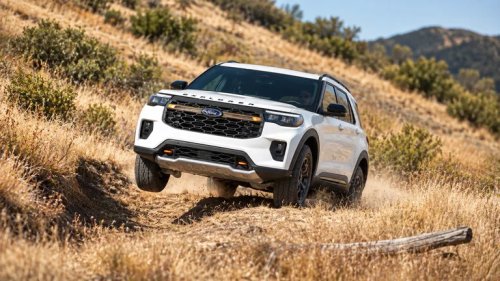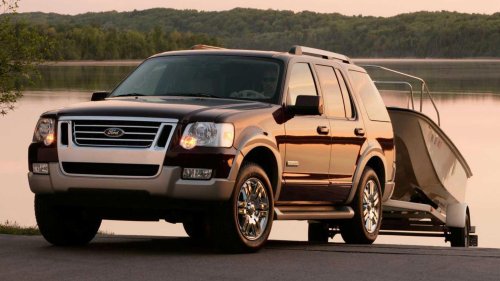
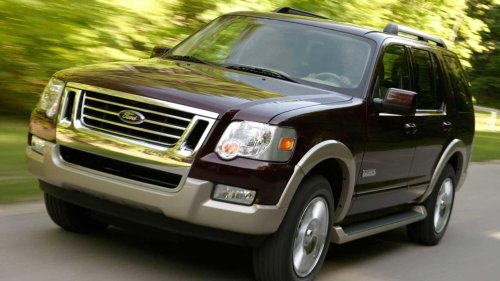
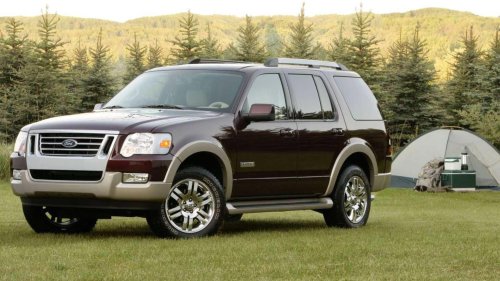
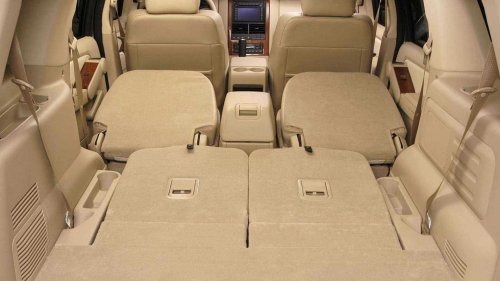
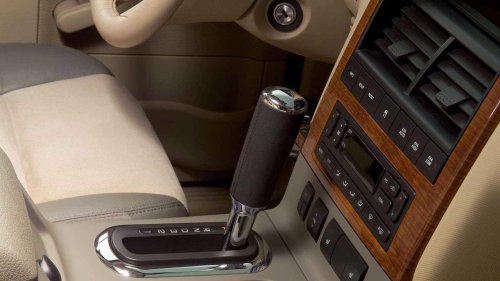
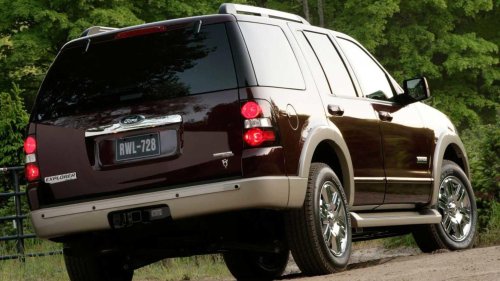
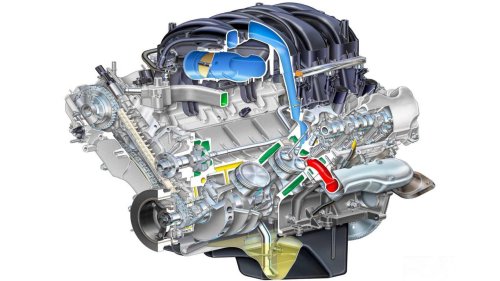



















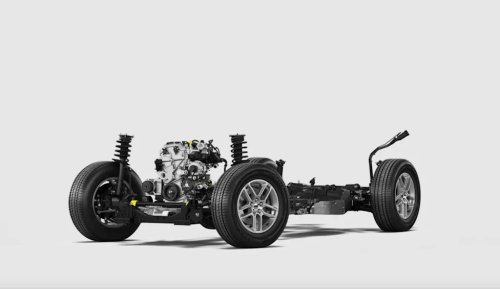
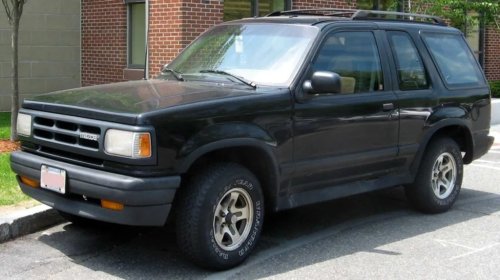
These days, the SUV is, typically, built on some sort of car frame, unless it has its own, special architecture. Think of models like the Honda CR-V or the Toyota RAV4. Both are known as relatively capable crossover SUVs with sedan platforms sitting underneath. However, if we turn back the clock about two decades, nearly all SUVs in the North American market were built on pickup truck frames, making them robust, simple, and easy to repair.In the early 2000s, one of America's most beloved SUVs, the Ford Explorer, made a major change. Until 2001, it shared a common frame with the Ranger, Ford's then-compact pickup truck. However, in 2002, the Explorer was given an all-new architecture. It was still a ladder frame, but it was a completely unique design separate from the Ford Ranger's. The Explorer continued to use this frame until 2010, when the final ladder frame-based Explorer was produced. Those with a mechanical inclination will know that ladder-framed SUVs tend to be tougher, simpler, and ready to tackle rough terrain at a moment's notice, which makes this Explorer a tempting purchase indeed — especially considering how affordable they have become. "Simple" Is The Name Of The Game Ford In 2010, the face of the SUV market was beginning to change rapidly. In the late 2000s, the crossover SUV started to gain quite a lot of traction, with models like the Nissan Rogue, the Toyota RAV4, the Honda CR-V, and the Subaru Forester becoming increasingly popular. The Ford Explorer, on the other hand, was failing to capture sizable chunks of the market, despite numerous upgrades and tweaks, like offering a third row seating option beginning in 2002, right as the model's third generation debuted.Ford Despite an increasingly hard battle, a battle which the traditional SUV was losing, the 2010 Explorer continued to soldier on. However, the Explorer wasn't out of the count just yet. One thing it still had going for it was mechanical simplicity. Underneath its skin was Ford's U152 body-on-frame SUV platform.Having been in production since 2002, it shared virtually no components with the existing Ford Ranger frame, the latter of which had remained largely unchanged since 1998. You might not need a ladder frame beneath you, but a simple frame like this means a simple construction, and a simple construction means ease of repair. On top of its frame, the 2010 Explorer utilized a pair of tried-and-true engines — both a V6 and a V8 — which this article will dive into after reviewing the Explorer's packaging and pricing. What You Get For Your Money FordIn total, the 2010 Ford Explorer was offered with three different grades. At base level comes the XLT trim, which offers just enough creature comfort to get someone by. Electric windows, locks, and mirrors all come standard, along with cloth-trimmed seats and a center console-mounted shifter. Ford also supplies it with its AdvanceTrac traction control system, along with a unique Roll Stability Control system which meters the Explorer's roll rate up to 150 times per second. If it senses an impending rollover incident, it will warn the driver.Ford Next up in the trim lineup is the Eddie Bauer. Eddie Bauer isn't a Ford-created namesake, it's actually a long-standing American outdoor recreation brand. Ford teamed up with Eddie Bauer as a weird brand tie-in all the way back in 1984, and 2010 would mark the two companies' final collaborative year. Eddie Bauer-spec'd Explorers came with unique, tan leather seats, tan exterior body side moldings, and upgraded 17-inch wheels. It also offered things like a power-sliding moonroof as an option, an infotainment system that utilizes Ford's SYNC operating system, and heated front seats as standard.Ford Topping off the range is the Limited trim. Along with all standard features listed so far, Limited Explorers come equipped with 18-inch, five-spoke chrome wheels, perforated leather seats, and dual-zone climate control. A premium sound system is wired into the SYNC system, too, and it even comes with a built-in subwoofer. You could also opt for voice-activated navigation, and a rear-seat entertainment system featuring two screens. Every 2010 Explorer trim level could be optioned with a 4.6-liter V8, four-wheel drive, and a third row of seats. Here's How Much It Costs FordWhen the 2010 Ford Explorer was new, it commanded a base MSRP of $29,290 for a stripped, rear-wheel drive XLT model. A fully-spec'd Limited iteration could cost nearly $40k before any destination fees or taxes were added in. However, these days, its value has reduced substantially. For an XLT, the CarBuzz marketplace shows an average price of about $7,658. Eddie Bauer and Limited trims call for prices around $7,894 and $8,237, respectively.Of course, low-mileage and particularly well-maintained examples will command higher than these averages, but it's still perfectly possible to net a fine example of Ford's rugged Explorer for well under $10,000. Importantly, that's also quite a lot cheaper than many of the Explorer's contemporaries, too. Reliability According to RepairPal, the 2010 Explorer boasts a $738-per-year annual repair cost, putting it in 19th place out of 26 total SUVs reviewed by the site. While its engines are known for their esteemed dependability, some common issues are worth watching out for. For example, issues related to the '10 Explorer's timing chain rattle in 4.0-liter V6 models are common, as well as a coolant leak caused by a plastic intake manifold, so these are important aspects to watch out for when eyeing one up for purchase.When new, J.D. Power awarded a solid quality and reliability score of 81/100 to the 2010 Ford Explorer, and perusing the classifieds, it's clear to see that many have survived after completing huge mileages. So there's plenty of evidence these older SUVs can still hack it as a dependable daily driver. More On The Explorer's Straight-Forward Powertrain Options FordAt base level, the 2010 Explorer came equipped with a 4.0-liter V6 belonging to Ford's Cologne engine family. Cologne engines have always been revered for their reliability and ease of repair. More specifically, it takes advantage of the single overhead camshaft version of the Cologne 4.0-liter. While there are issues reported regarding the mill's timing chain tensioners and guides, Ford released a major refresh for the powerplant beginning in 2002, reducing the severity and frequency of issues. In addition, components are extremely cheap for the 4.0-liter SOHC Cologne V6, keeping repair costs lower than some other crossover SUVs on the market at the time.If original buyers were in need of some extra oomph, and the V6 wouldn't cut it, Ford also offered a 4.6-liter V8. The mill belonged to Ford's Modular engine family, and the 4.6-liter iteration constituted the founding member. The mill is extremely reliable, and known for exceeding 300,000 miles with just regular maintenance. It's not the most powerful eight-pot, but it provides the 2010 Explorer with enough grunt to handle light to medium towing duties.2010 Explorers outfitted with the standard Cologne V6 were given a five-speed automatic transmission. V8-powered models upped the ante with a six-speed automatic, with no option to grant V6 models the upgraded gearbox. Rear-wheel drive was offered as standard kit, with four-wheel drive serving as the optional upgrade. Its suspension, while loosely based on old-school pickup trucks, took advantage of a fully-independent setup, meaning the '10 Explorer rode far nicer than a contemporary pickup.