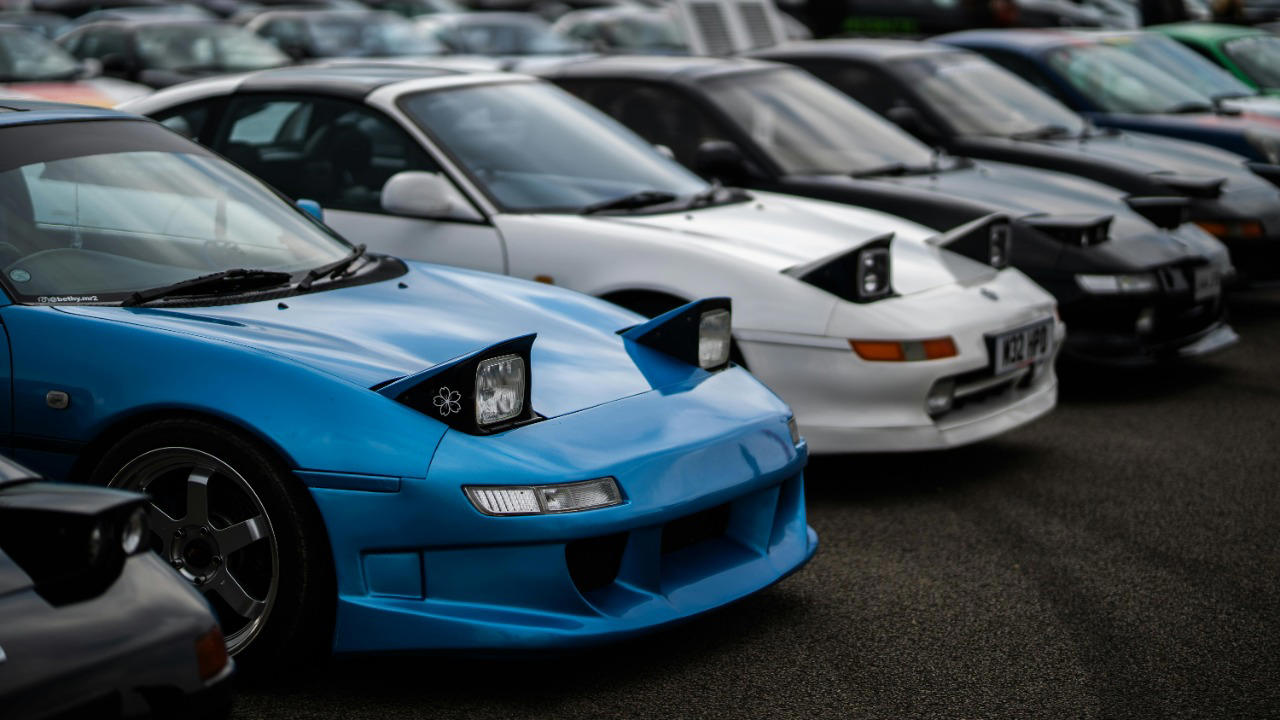



















1991–95 Toyota MR2 remains a mid-engine bargain as prices stay moderateThe 1991–95 Toyota MR2 remains an appealing option for enthusiasts and casual buyers alike, offering a unique mid-engine layout at a moderate price point. As interest in classic sports cars continues to rise, this model stands out for its performance and affordability. Overview of the 1991–95 Toyota MR2 The 1991–95 Toyota MR2, known as the second generation of this iconic sports car, showcases a sleek design and impressive engineering. With a 2.2-liter inline-four engine producing 130 hp in the base model and a turbocharged version that cranks out 200 hp, the MR2 offered a thrilling driving experience. The car featured a lightweight body and a compact design, which made it agile and responsive on the road. Notably, the MR2 utilized a double-wishbone suspension system that contributed to its exceptional handling capabilities. Over the years, the MR2 evolved significantly from its first generation, which debuted in the mid-1980s. The second generation was designed with a more aggressive aesthetic, characterized by sharper lines and a pronounced rear end. This evolution was influenced by the automotive market’s growing demand for sports cars that combined performance with everyday usability. During its production years, the MR2 was positioned as an affordable alternative to higher-end sports cars, appealing to a wide range of buyers. The Mid-Engine Advantage One of the standout features of the MR2 is its mid-engine layout, which plays a crucial role in its handling and balance. By placing the engine near the center of the vehicle, Toyota was able to achieve a more even weight distribution, resulting in improved stability during cornering. This layout allows for enhanced traction, making the MR2 feel more planted on the road compared to its competitors. When compared to other sports cars of the same era, such as the Mazda RX-7 and the Honda NSX, the MR2 holds its own in terms of driving dynamics. While the RX-7 is known for its rotary engine and the NSX for its exotic appeal, the MR2’s mid-engine design offers a unique driving experience that is both engaging and accessible. The driving experience is further complemented by the MR2’s responsive steering and compact dimensions, which make it an enjoyable car to navigate through twisty roads. Performance Capabilities The performance metrics of the MR2 are quite impressive, especially considering its price point. The naturally aspirated version can reach 0-60 mph in approximately 7.5 seconds, while the turbocharged variant achieves this in around 5.8 seconds. This level of performance rivals that of many sports cars that cost significantly more. The turbo model, in particular, has garnered attention for its punchy acceleration and exhilarating top speed of around 140 mph. Handling characteristics of the MR2 are exceptional, thanks to its low center of gravity and well-tuned suspension setup. The feedback from the steering wheel is direct and rewarding, allowing drivers to feel connected to the road. Many enthusiasts opt for aftermarket modifications to further enhance performance, including upgraded turbos, exhaust systems, and suspension components. Tuning options are plentiful, making it easy for owners to personalize their MR2 to suit their driving style. Current Market Trends As of late 2023, the price trends for 1991–95 MR2 models remain relatively moderate, making it a great time to consider purchasing one. Prices typically range from $8,000 to $20,000, depending on the condition, mileage, and whether it is a naturally aspirated or turbocharged version. This affordability stands in stark contrast to many other classic sports cars, which have seen significant price increases in recent years. Several factors influence the current valuation and demand for the MR2. Enthusiast interest has surged, driven in part by its unique mid-engine layout and spirited performance. Additionally, the growing community of MR2 enthusiasts and clubs helps maintain interest in the model, contributing to its collectibility. While cars like the Mazda MX-5 and Honda S2000 have also gained traction among collectors, the MR2 stands out as a more affordable option with a dedicated following. Collectibility and Enthusiast Community The collectibility of the MR2 has grown significantly over the past few years, with a vibrant community of enthusiasts forming around it. Clubs and online forums have emerged, providing a platform for owners to share experiences, troubleshoot issues, and showcase their modified vehicles. Events such as MR2 gatherings and car shows have become popular, drawing participants from across the country who celebrate their passion for this unique sports car. Social media plays a vital role in fostering the MR2 culture, with platforms like Facebook and Instagram being popular among enthusiasts. For instance, the MR2 Community on Facebook has grown to thousands of members, where fans share photos, tips, and restoration projects. This active engagement not only helps to keep the MR2 relevant but also encourages new buyers to consider this appealing sports car. Common Issues and Maintenance Tips Like any classic car, the MR2 is not without its common issues. Owners often report problems with the suspension components, particularly the bushings, which may wear out over time. Additionally, the turbocharged models can face challenges with the intercooler and boost control, requiring regular inspection and maintenance. Understanding these common issues is crucial for prospective buyers and current owners alike. To ensure longevity, regular maintenance is key. Owners should adhere to a strict service schedule that includes oil changes, timing belt replacements, and inspections of the cooling system. It’s also essential to maintain a comprehensive service history, which can help future buyers gauge the condition of the vehicle. For those unfamiliar with the MR2, seeking expert inspections from mechanics experienced with this model can save headaches down the road. Buying Guide: What to Look For When considering the purchase of a 1991–95 MR2, there are several key features and specifications to keep in mind. First, verify whether the car is naturally aspirated or turbocharged; the latter offers significantly more performance. Additionally, check for rust, especially in the rear-wheel arches and undercarriage, as these areas are prone to corrosion. Inspecting the car thoroughly before buying is crucial. Look for signs of previous repairs, especially in the engine bay and suspension. It’s also wise to take the car for a test drive, paying attention to how it handles and responds to acceleration. For parts and service, many dedicated MR2 suppliers and forums can provide valuable resources. Websites like Car Throttle offer useful guides and tips for sourcing parts and ensuring your MR2 stays in top shape. Future of the MR2 Legacy As we look ahead, speculations about the potential revival of the MR2 continue to circulate, particularly with the recent buzz surrounding the GR MR2. Toyota has a storied history of producing exciting sports cars, and many fans are eager to see how the MR2 might influence future models. The legacy of the MR2 has already left a lasting mark on Toyota’s sports car lineage, paving the way for innovations in mid-engine design. The MR2’s influence on automotive design and engineering is evident in the way manufacturers approach the development of sports cars today. With a growing emphasis on lightweight construction and balanced performance, the principles embodied by the MR2 remain relevant. As new generations of car enthusiasts emerge, the MR2 will likely continue to inspire and resonate within the automotive community. More from Fast Lane OnlyUnboxing the WWII Jeep in a Crate15 rare Chevys collectors are quietly buying10 underrated V8s still worth hunting downPolice notice this before you even roll window down