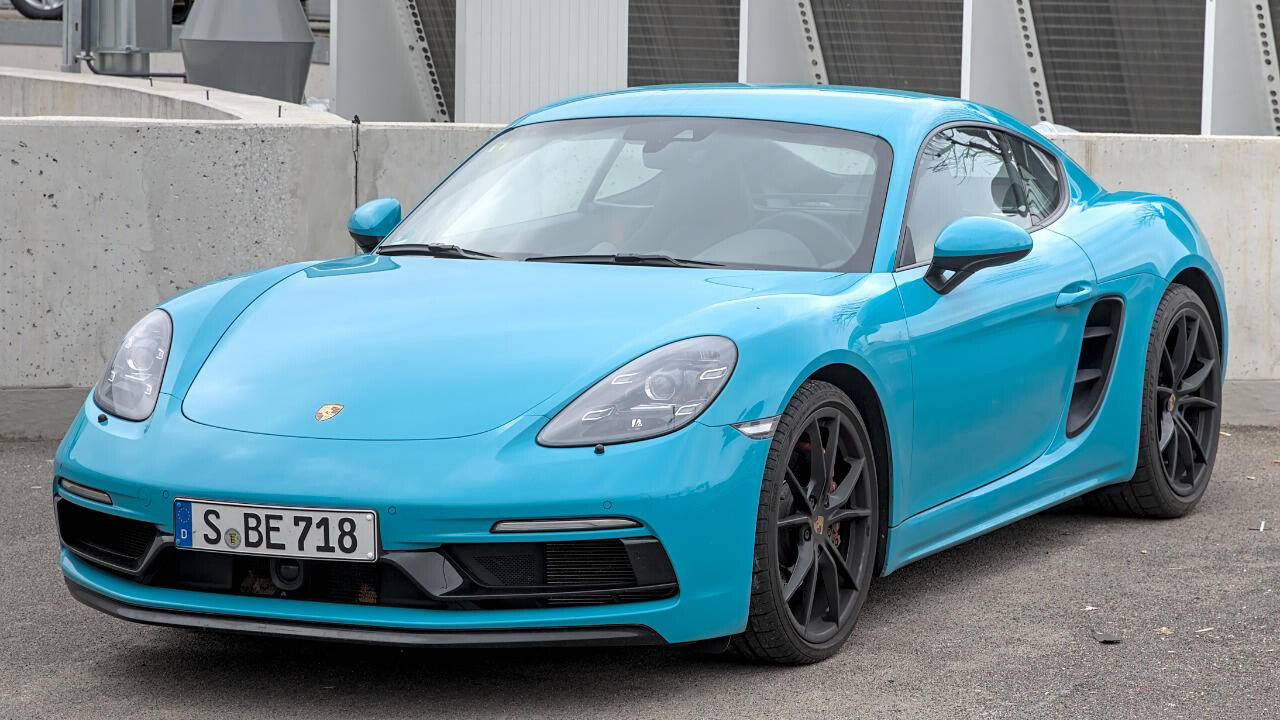
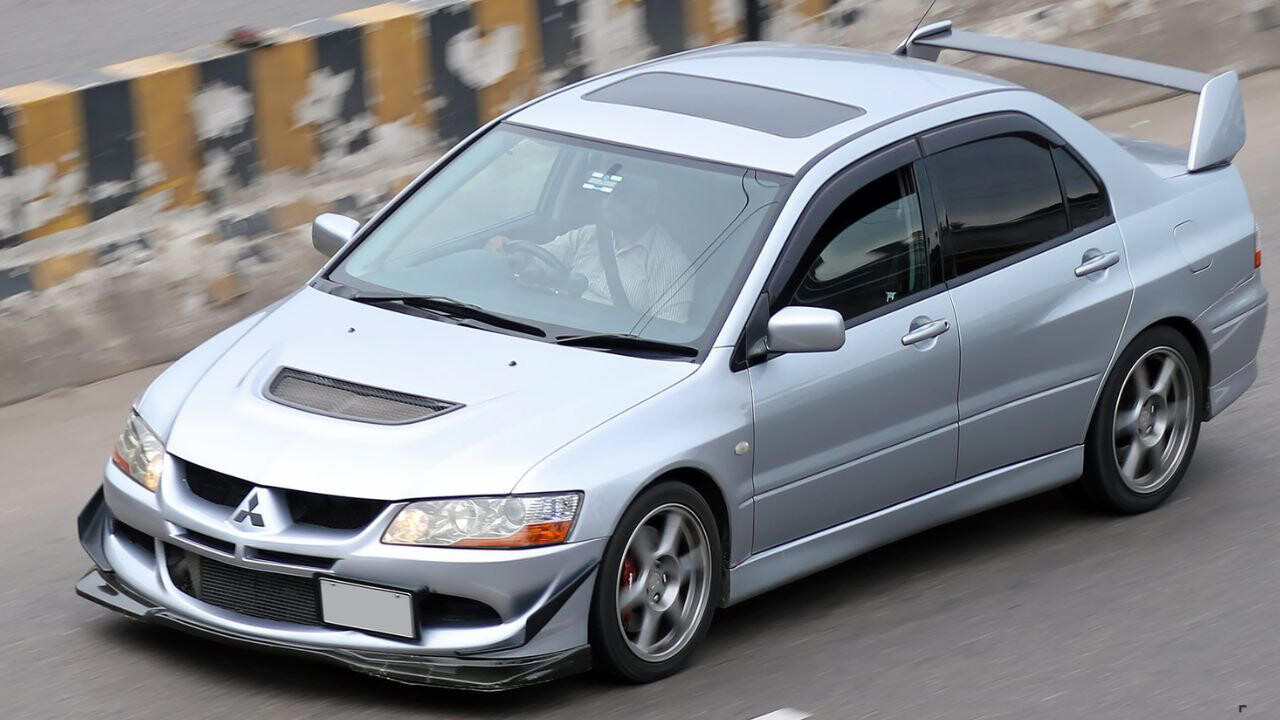
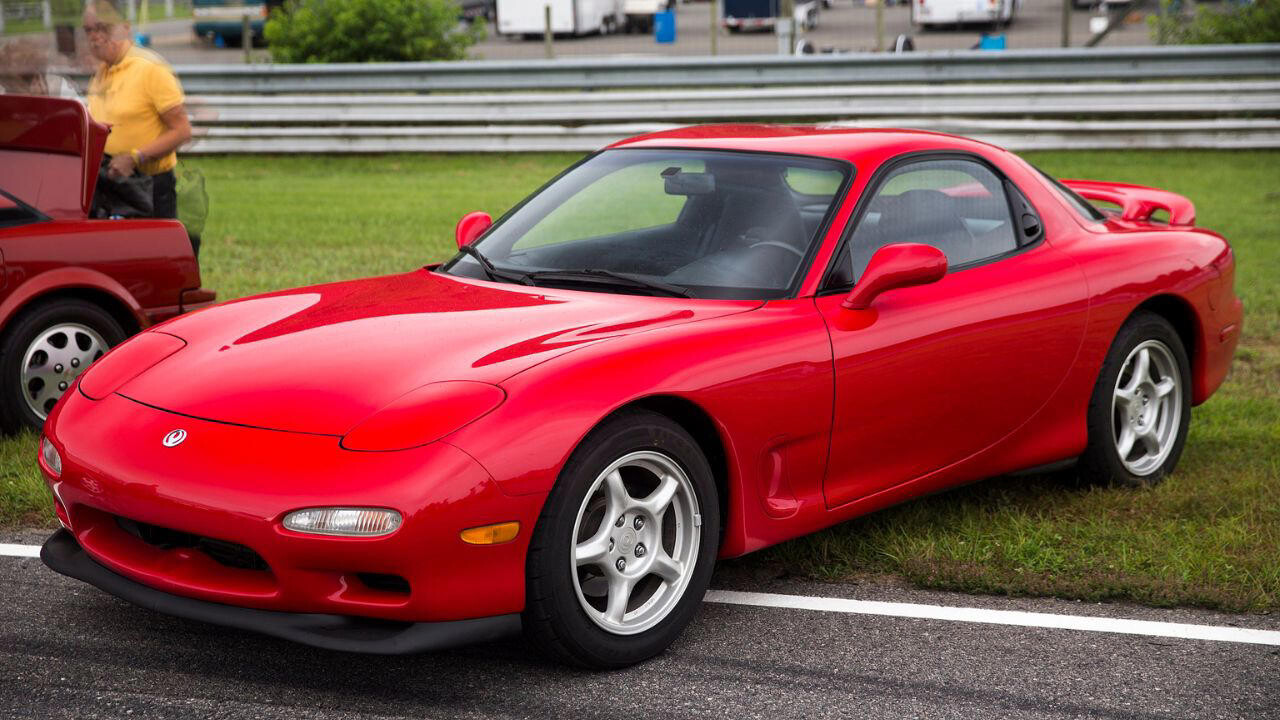
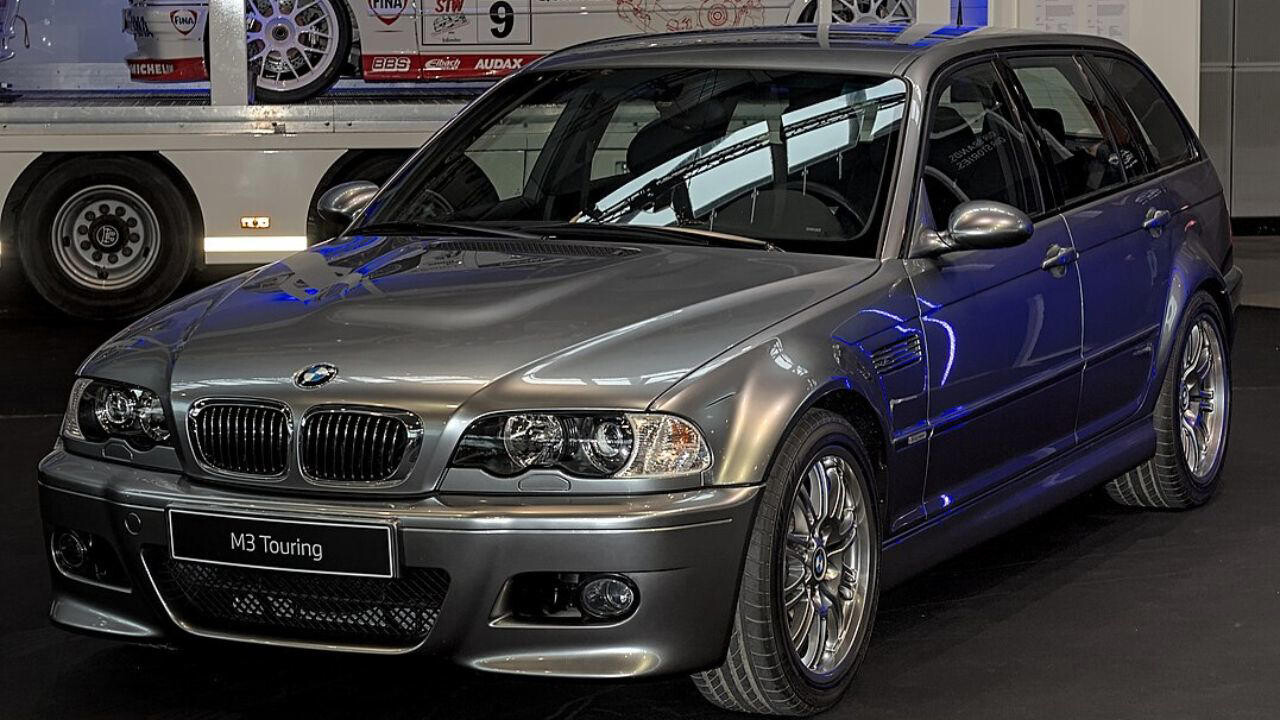
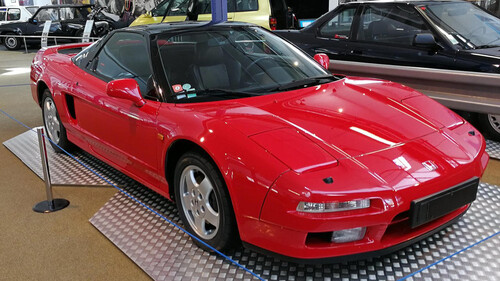
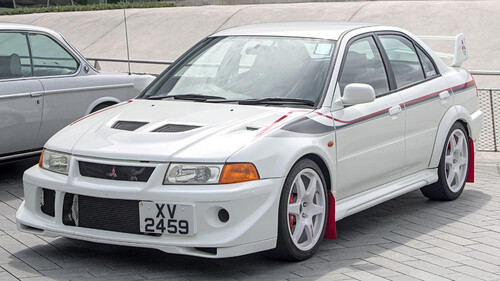
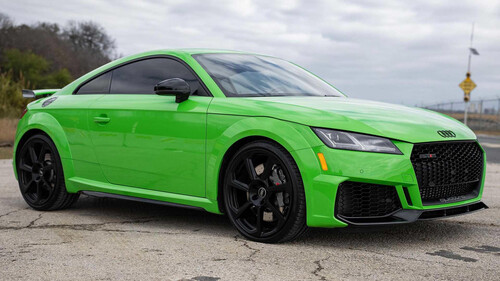
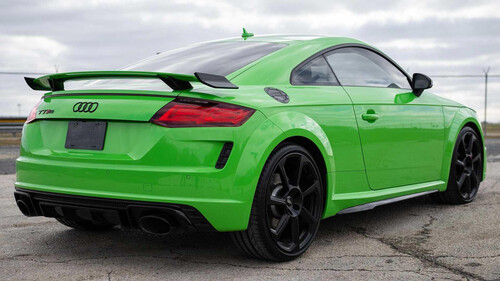
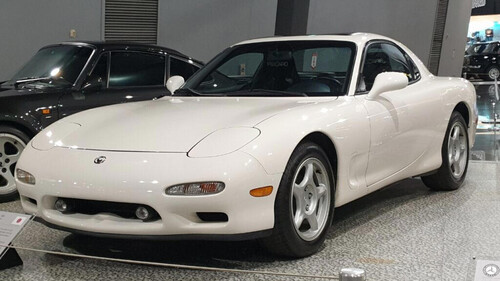
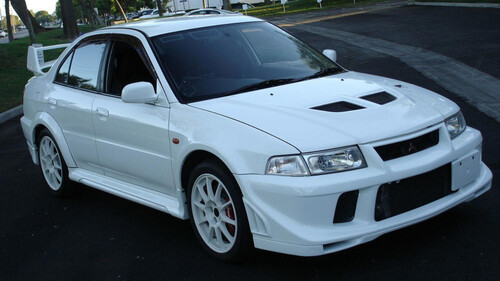
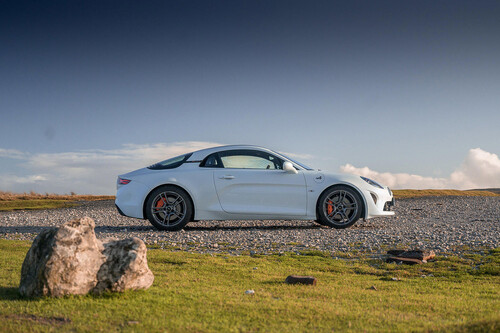
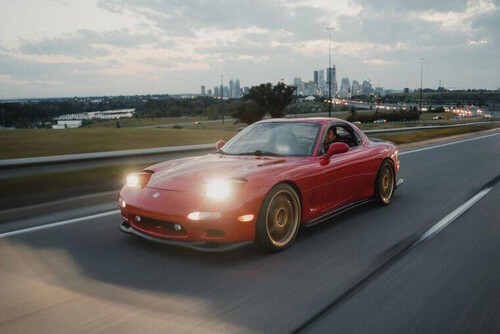
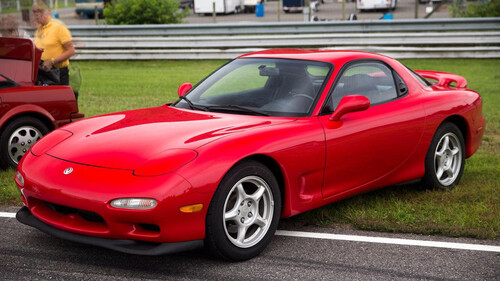
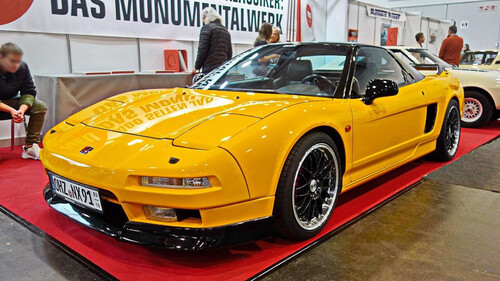
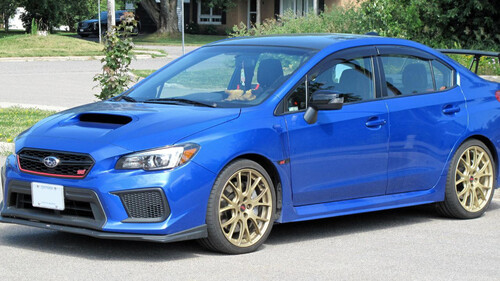
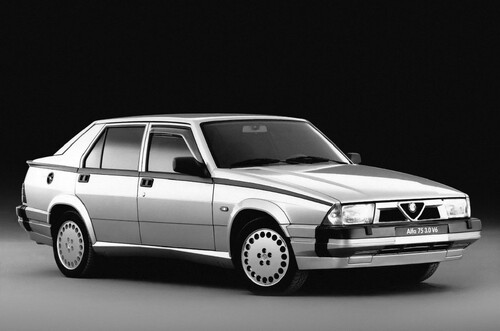
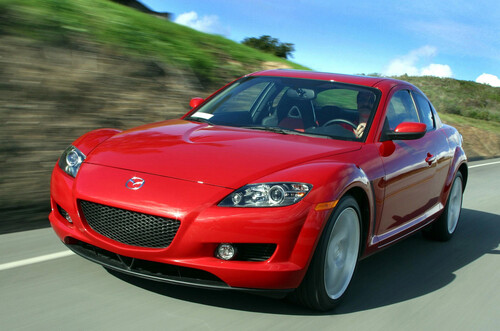
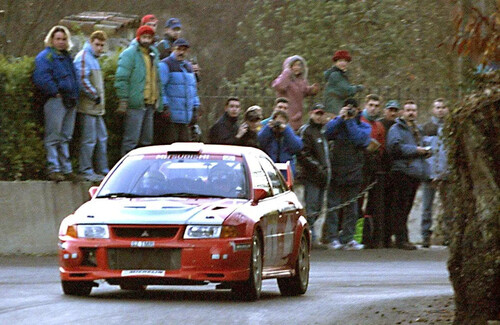
Price tags don’t always dictate performance, and throughout automotive history, certain foreign sports cars proved that point decisively. Built outside the traditional American muscle scene, these machines combined sharp engineering, clever weight balance, and fearless tuning to outperform rivals that cost significantly more. They didn’t just compete with premium badges; they exposed weaknesses and forced entire segments to evolve.Nissan GT-R R35The Nissan GT-R R35 earned the nickname “giant killer” almost immediately after launch. Developed by Nissan, its twin-turbocharged 3.8-liter V6 and advanced all-wheel-drive system delivered supercar-level acceleration at a fraction of European exotic pricing. Early independent tests showed it matching or beating far more expensive Ferraris and Porsches on track. Its launch control and sophisticated electronics made devastating speed repeatable. The GT-R redefined value in the high-performance world and embarrassed brands that relied heavily on prestige pricing.Porsche Cayman SThe Porsche Cayman S quietly challenged cars positioned above it in the same showroom. Built by Porsche, its mid-engine balance often produced sharper handling than the contemporary 911 models that cost more. With a high-revving flat-six and exceptional chassis tuning, it thrived on technical circuits. Critics frequently noted that it felt more neutral and confidence-inspiring at the limit. The Cayman S proved that engineering purity could outweigh brand hierarchy and internal politics.Lotus EliseThe Lotus Elise demonstrated that lightness could beat raw horsepower. Produced by Lotus Cars, it relied on a lightweight aluminum chassis and modest four-cylinder engines to deliver extraordinary cornering speed. On tight tracks, it often kept pace with, or outperformed, heavier and far more powerful sports cars. Steering feedback and balance became its defining traits. The Elise embarrassed pricier rivals by showing that simplicity and precision still mattered more than brute force.Mitsubishi Lancer Evolution VIIIThe Mitsubishi Lancer Evolution VIII blurred the line between rally car and street machine. Built by Mitsubishi Motors, its turbocharged 2.0-liter engine and advanced all-wheel-drive system provided explosive grip and acceleration. On real-world roads and challenging circuits, it frequently humbled rear-drive sports cars costing much more. Adjustable differentials and aggressive suspension tuning delivered relentless traction. The Evo VIII proved that technology and rally heritage could overpower luxury-focused performance rivals.Alpine A110The modern Alpine revived a classic French name with a focused mission. Produced by Alpine, the lightweight coupe emphasized balance and agility over headline horsepower numbers. Its turbocharged four-cylinder engine delivered brisk performance, but the real magic came from its precise chassis and low curb weight. Reviewers often compared it favorably against more expensive German sports cars. Mazda RX-7 FDThe Mazda RX-7 FD became an icon of precision and tuning potential. Built by Mazda, its twin-turbocharged rotary engine delivered smooth power in a lightweight, perfectly balanced chassis. On twisty roads, it frequently matched or outpaced more expensive European sports cars. Its steering feel and predictable handling earned widespread praise. The RX-7 proved that unconventional engineering, when executed correctly, could outperform traditional and pricier rivals.BMW M3 E46The BMW M3 E46 combined everyday usability with track-ready capability. Developed by BMW, its 3.2-liter inline-six produced 333 horsepower and revved with a motorsport-inspired character. Balanced weight distribution and a sophisticated suspension setup allowed it to compete with costlier sports cars on demanding circuits. It delivered performance without sacrificing comfort or practicality. The E46 M3 embarrassed more expensive exotics by offering a near-perfect blend of speed, refinement, and accessibility.Honda NSX (NA1)The original Honda NSX rewrote expectations for reliability in the exotic segment. Engineered by Honda, it featured an all-aluminum body and a high-revving V6 developed with input from racing technology. Its usability and build quality stood in stark contrast to temperamental Italian rivals costing far more. Precise steering and mid-engine balance made it a serious track weapon. The NSX showed that supercar-level performance didn’t have to come with supercar-level headaches.Audi TT RSThe Audi TT RS surprised critics who underestimated its compact proportions. Produced by Audi, it used a turbocharged five-cylinder engine paired with quattro all-wheel drive to deliver relentless acceleration. On real-world roads, it often kept pace with higher-priced sports coupes. Its distinctive engine note and confident grip enhanced the experience. The TT RS demonstrated that intelligent drivetrain engineering could level the playing field against more expensive rivals.