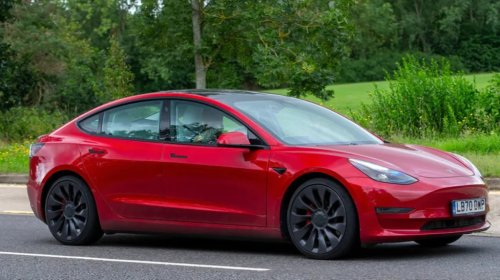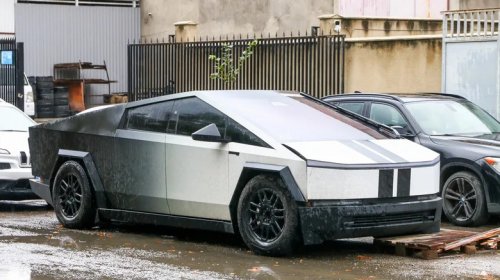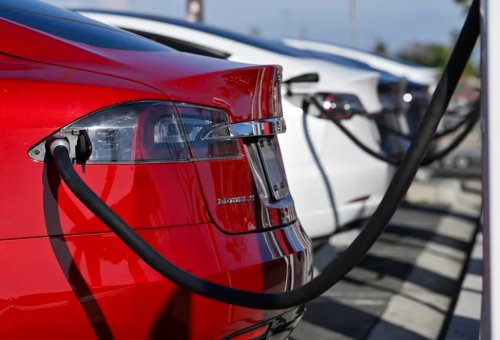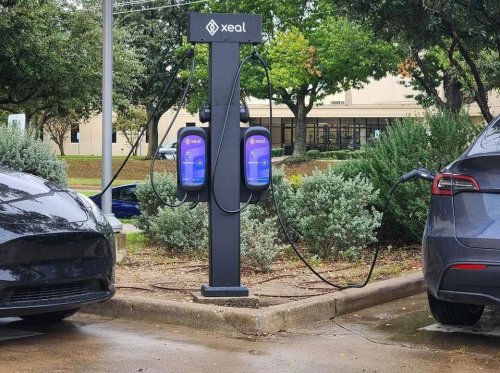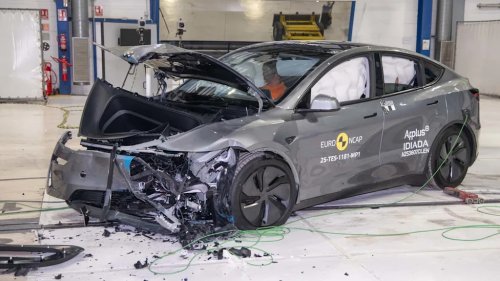
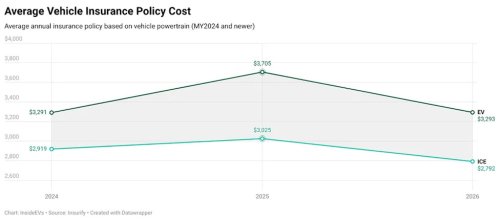
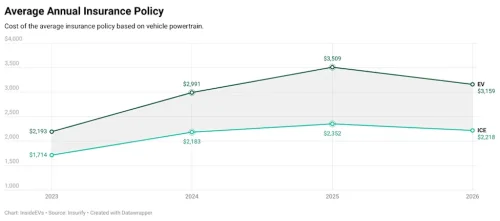
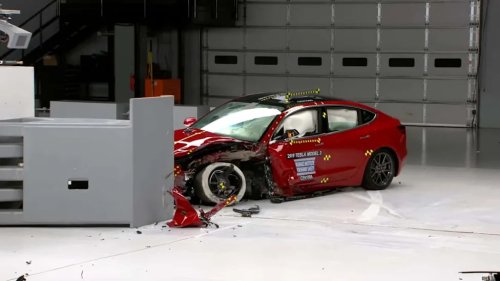






















Tesla Model Y Euro NCAP crash testNewer EVs cost about 18% more to insure than gas vehicles. Here's why.On average, insurance costs for newer EVs are 18% higher than they are for gas cars. The average newer EV costs $3,293 to insure on an annual basis. The overall cost delta has fallen year over year, though.One of the great pitches for buying an EV is lower total cost of ownership. There are fewer moving parts in them, after all, so that would at least make sense from a maintenance perspective. There are a few hidden costs, though. Higher upfront price for new cars and a steep depreciation curve don't help matters. And there's one big monthly bill folks often forget to account for: insurance.A new study from Insurify shows that car insurance is one of the biggest cost differentiators between owning a traditional internal combustion-engine (ICE) car and an EV. In fact, the average late-model EV (from 2024 and newer) costs 18% more to insure than the average late-model gas-powered vehicle. A chart shows the average annual cost to insure electric and gas vehicles from the 2024 model year and newer.The average cost to insure a newer (2024+) EV is about 18% higher than the cost for a similar gas vehicle, Insurify found.Photo by: InsideEVsAdvertisementAdvertisementInsuring a newer EV costs the average owner $3,293 for full coverage on an annual basis, the company says. The average for newer gas-powered vehicles is $2,792. That means newer EV owners, on average, spend $501 more to insure their vehicles each year. The gap is even greater when you consider all vehicles, regardless of model year. Insurify notes that older gas-powered cars in its database help to skew the cost to insure combustion cars downwards, especially since the median age of cars in the study is 11.5 years old. Across the board, insuring an EV costs the average owner around $941 (or 42%) more each year, as compared with the average gas-powered vehicle. A chart shows the average cost to insure an electric vehicle and a gas vehicle over time.Zooming out to consider all vehicles, regardless of age, makes the cost differential between EV and gas-vehicle insurance greater.Photo by: InsideEVsOne of the leading factors driving the price differential is repair cost. EVs can be more expensive to repair, especially in denser markets that add additional risks associated with collisions, theft, vandalism, and other factors, Insurify says. Plus they need specialized technicians. Repair infrastructure also plays into the cost; areas with low adoption rates may have limited service networks (meaning a thin herd of of certified mechanics that can drive up repair times). AdvertisementAdvertisementCostly EV batteries are also a big part of it, Insurify says. A replacement battery pack can cost anywhere from $10,000 to $20,000. Thankfully, these costs are dropping quickly. BloombergNEF says that battery prices fell to around $108 per kilowatt-hour in 2025, which is a nearly 75% cost reduction since 2015 despite inflation and geopolitically-charged cost increases from tariffs.Purchase price also plays a role; since EVs skew toward the luxury end of the spectrum and cost more to buy, it stands to reason that they would cost more to insure than gas vehicles. Tesla crash testSince 2023, the cost of insuring a car has gone up regardless of the powertrain. But EV insurance costs have outpaced other vehicles, with policy rates increasing a whopping 37.6% compared to a 24% hike for gas cars. But there is a silver lining. Over the last year, EV insurance rates have dropped faster than costs for gas vehicles. The average rate for EVs dropped by 11.1% over the last year compared to just 7.7% for gas-powered cars.Unsurprisingly, some of the most expensive EVs to insure are luxury cars. The Mercedes-Benz EQS ($4,703 per year), Tesla Model S ($4,558), and BMW i5 ($4,554) claimed the top three spots, per Insurify. AdvertisementAdvertisementSpeaking of Tesla, all five of its Models—the Model 3, Model Y, Model S, Model X, and Cybertruck—are ranked among the top 10 EVs with the highest average annual insurance policy costs. Also in the mix are the BMW i4 ($4,081) and Dodge Charger Daytona ($4,183). Some cheaper EVs to insure include the Chevy Bolt EUV ($2,657) and Ford F-150 Lightning ($2,778).It's also worth calling out that insurance costs vary widely depending on where you live, and it's actually cheaper to insure an EV in some states. In Nebraska, West Virginia, and Montana, insuring a newer EV averages out to be cheaper than insuring a gas-powered vehicle (ranging between 1% and 4% less).Those are the exception, though, because every other U.S. state has an EV premium. The state where insuring an EV is the worst deal? Massachusetts. There, a newer EV will cost you $3,560 to insure each year, about 54% more than insurance for a newer gas vehicle. More EV Ownership NewsEVs Cost Way More To Insure Than Gas Cars. Here's How Much.Even Tesla's Insurance Arm Is Getting Wrecked Right NowTesla Insurance Rates Set To Spike As Cars Become Vandalism TargetsEVs Are Getting Cheaper To Repair