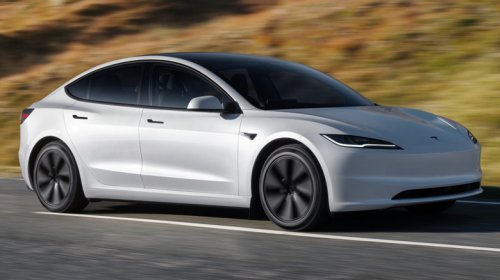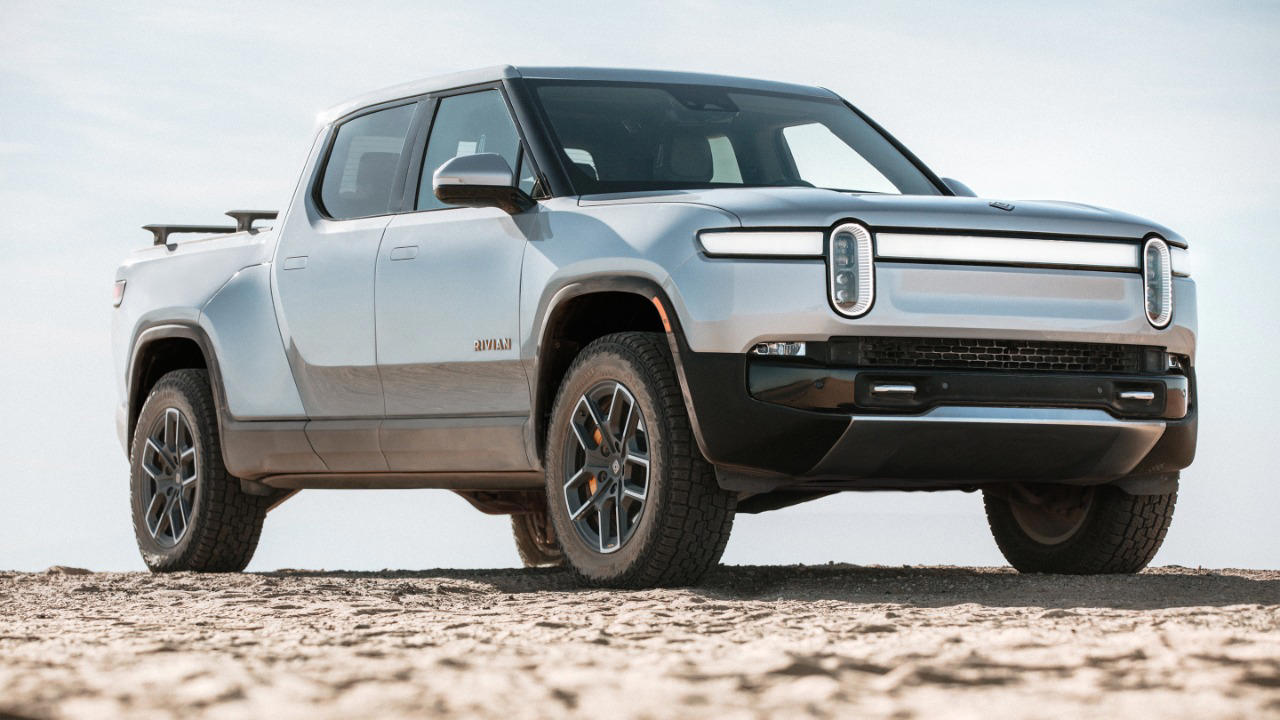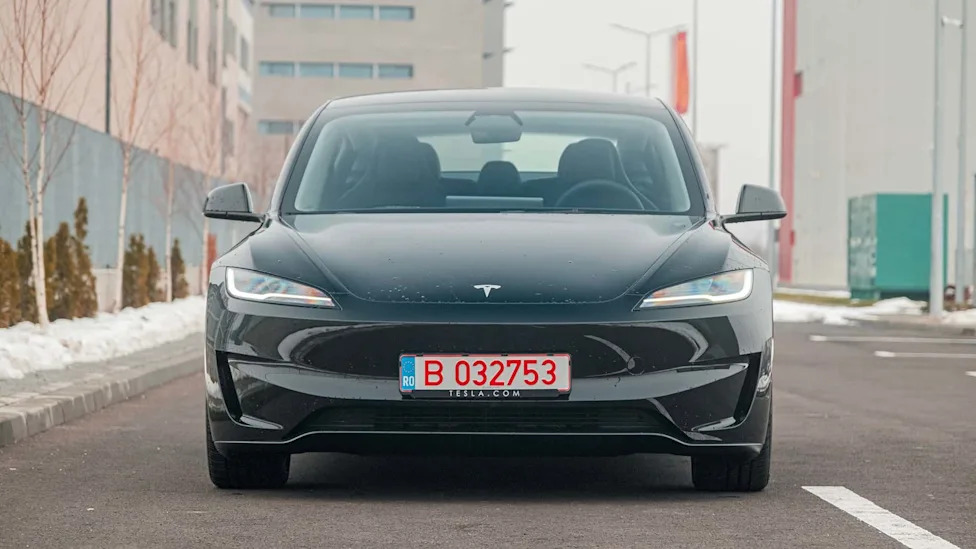
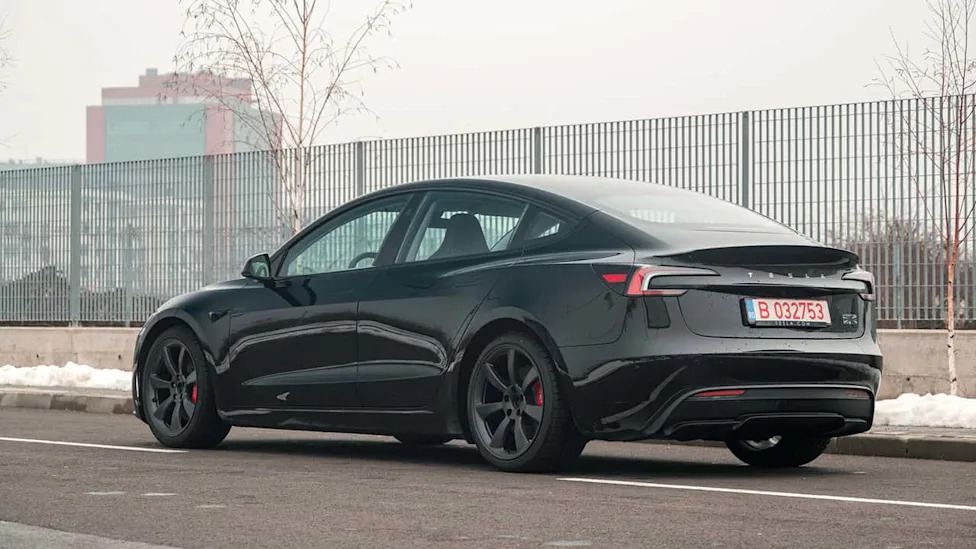



















Your EV Has Two Horsepower Ratings. Automakers Only Advertise OneInsideEVscontact@insideevs.com (Andrei Nedelea)Sat, September 12, 2026 at 1:00 PM UTCAdd us on Google2025 Tesla Model 3 Performance (Euro-Spec)One is the peak output available for short bursts. The other reveals how much power the drivetrain can sustain for considerably longer.Advertised EV horsepower is usually the peak output available only for short bursts.The UN's 30-minute rating shows how much power an EV can sustain for longer.Cooling, battery charge, and drivetrain design determine how consistently an EV delivers full power.That EV you see advertised with over 1,000 horsepower should probably carry an asterisk and an explanation. Yes, it can deliver that much power, but only temporarily when you mat the accelerator. Look at its registration documents in some European countries, and you might be surprised to see a much lower power figure than what the manufacturer advertises.Auto Motor und Sport recently highlighted that electric drivetrains effectively have two legitimate power ratings: maximum peak output and sustained output. Automakers build their advertising around the first, while the second is largely confined to homologation documents. The sustained figure is not a number that gets much attention.AdvertisementAdvertisementIt's the continuous power that the complete drivetrain can maintain without overheating.Peak power figures are what sell EVs, particularly performance models, so manufacturers typically only show this figure, and they're not lying. Electric motors can accept a lot of current for a short burst, allowing the drivetrain to deliver far more power than it can maintain for extended periods.More On ThisYangWang Preps 3,000 HP Quad-Motor EV, But Rimac Isn't ConvincedThe 2025 Porsche Taycan Turbo GT With 1,092 HP Is Porsche's New Performance King'We Don't Want A Horsepower War': Hyundai N Boss On Performance EVsTesla Model 3 Performance VS. BMW M3: 'It's Staggering'The main reason for the gap between maximum and sustained power is heat. High current generates heat inside the battery, motor windings, and the inverter. Once any of these components reach a certain temperature, the control system reduces current—and therefore torque and power—to protect them.AdvertisementAdvertisementPeak power also depends on the battery state of charge. You likely won't notice it in normal driving, but as the battery discharges, its voltage falls, and the drivetrain may eventually be unable to provide its rated peak power. When that reduction happens and how noticeable it is varies considerably between EVs, and they typically draw more current to compensate for the voltage drop.The size of the gap between peak and sustained output doesn't depend on motor type alone. Permanent-magnet, induction, and externally excited motors generate and shed heat differently, but battery output, inverter efficiency and the design and efficiency of the cooling system matter even more.2025 Tesla Model 3 Performance (Euro-Spec)EVs also have a less familiar official power number. It's called "maximum 30-minute power," and it's defined under UN Regulation No. 85. It measures the highest average net output an electric drivetrain can maintain over a standardized 30-minute test. That is why an EV advertised with 1,000 hp may have a much lower figure in its registration papers. This is its continuous power.The 30-minute figure is more relevant to repeated acceleration, sustained high-speed driving or pulling a heavy trailer. It still can't predict exactly how an EV will perform in those situations because temperature, battery charge, and cooling strategy all have an effect on the outcome, but it provides a standardized way to compare how much power different EVs can sustain.AdvertisementAdvertisementReal-world testing shows why the advertised number tells only part of the story. In a Car and Driver track test, an 835 hp Rivian R1T and a 430 hp Lucid Air began slowing as their batteries discharged, while a 320 hp Hyundai Ioniq 5 maintained consistent acceleration until its charge dropped below 20%.The Hyundai's battery could supply more power than its motors demanded, giving it useful headroom. That is ultimately what buyers aren't being told: peak horsepower describes an EV's best moment, while thermal engineering and power reserves determine how consistently it can reproduce it.Automakers also understand the difference between peak and sustained power, even if they don't advertise it. Tesla's Track Mode includes a 'Powertrain Endurance' setting that deliberately reduces power to slow battery and motor overheating, sacrificing outright pace for more consistency. This is a direct admission by a manufacturer that peak and sustained power figures are different and that there is a tradeoff if you want full power.In the Model 3 owner's manual, Tesla explains that "You can configure Track Mode to improve thermal management of the vehicle over long distances by reducing drive power output as speed increases. Reducing power output improves thermal management, which helps to reduce the rate at which the Battery and motors overheat. Reducing power output leads to slower lap times, but provides more consistent performance and times over multiple laps."AdvertisementAdvertisementIn a manufacturer-organized test, a Porsche had a pre-production Taycan complete 26 consecutive 0–200-km/h runs, with only 0.8 second separating the fastest and slowest. That's a very small difference, and Porsche attributed it to the vehicle's cooling and thermal management, which didn't have to cut power even in such an extreme scenario.So next time you see a huge horsepower number on an EV, remember that's not going to be your experience most of the time. It's often enough for real-world use case, as you're not running at full throttle all of the time. But if you want sustained horsepower, you might have to dive a little deeper into the specifics of any performance EV you consider.