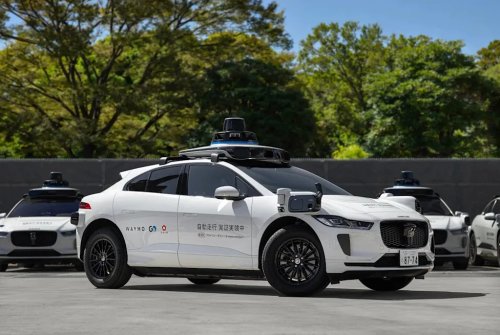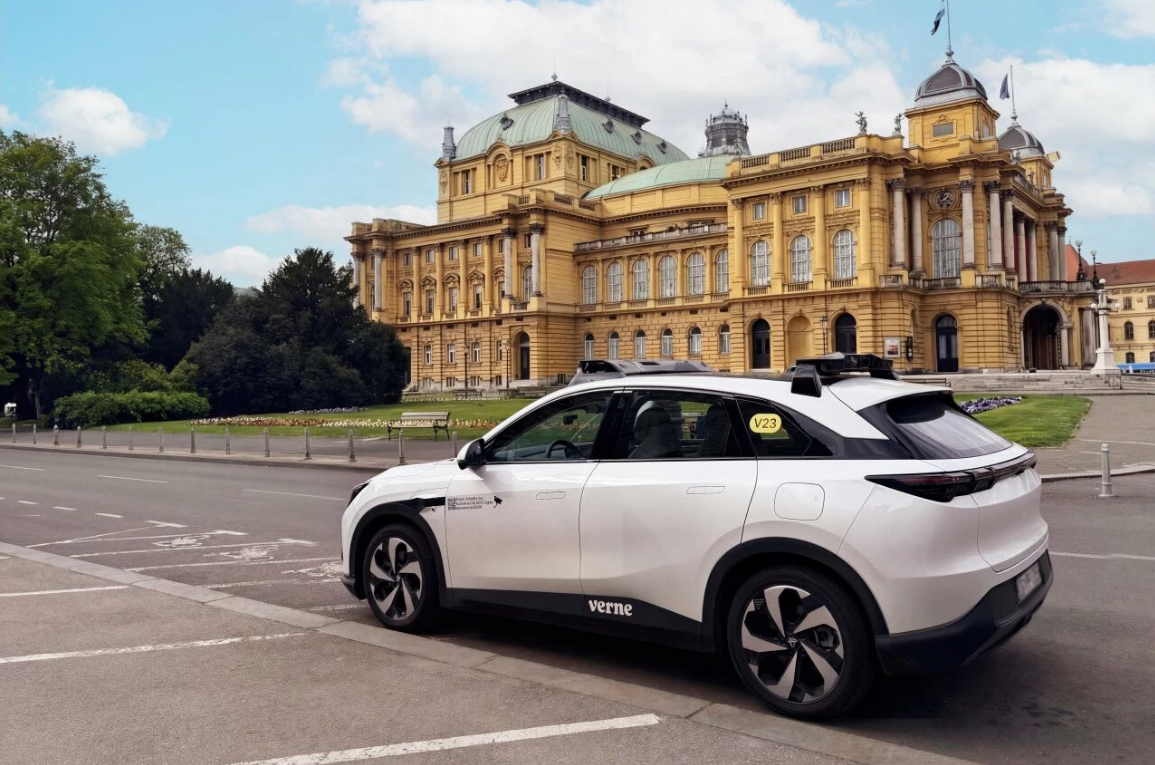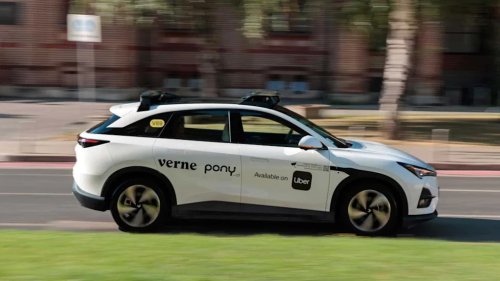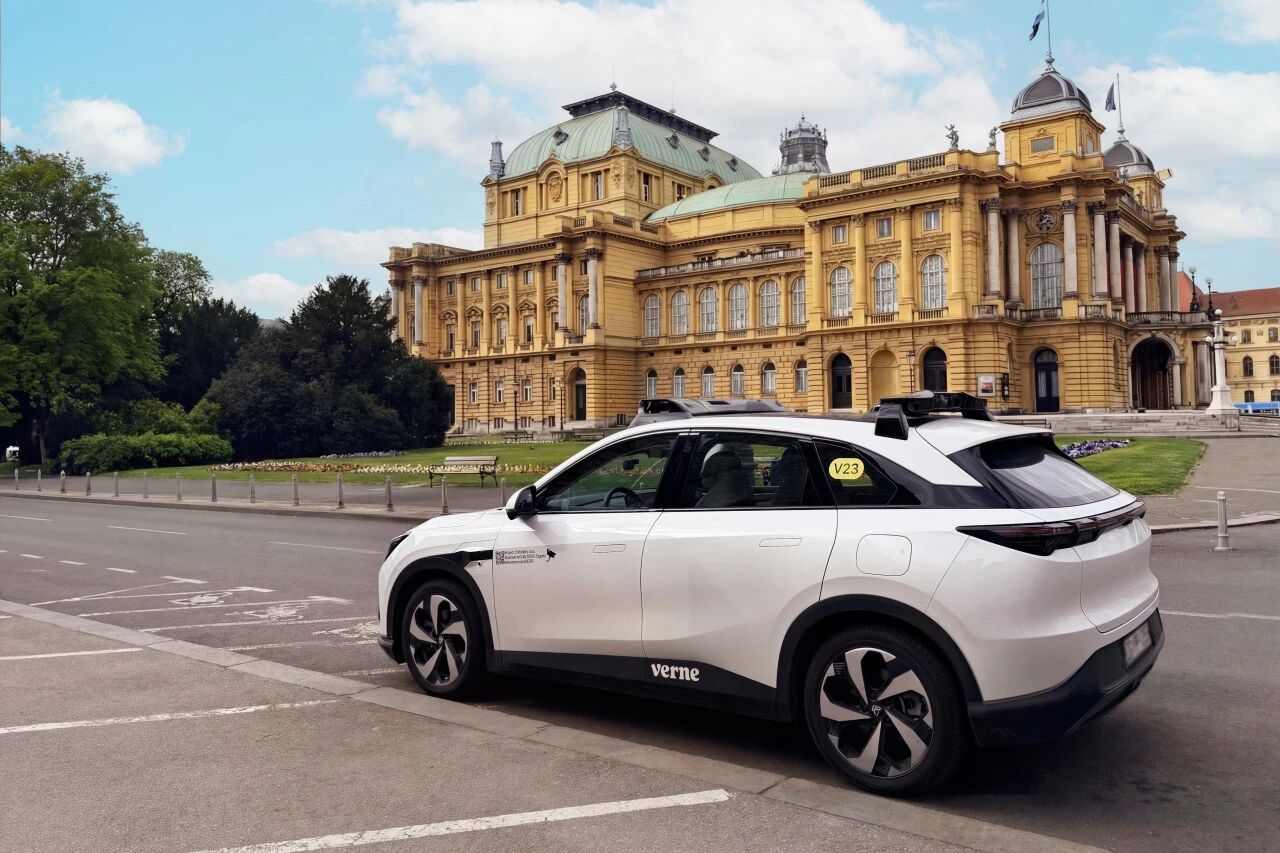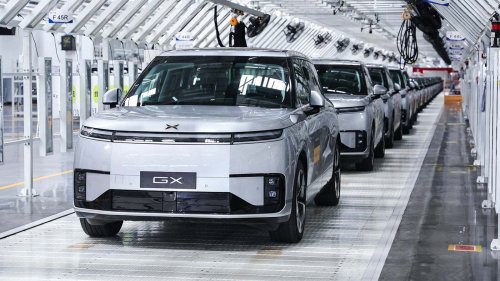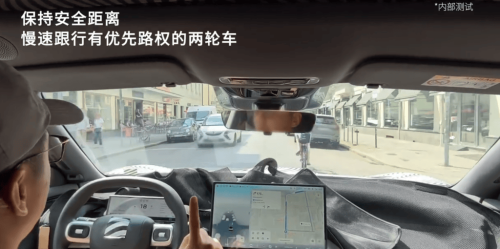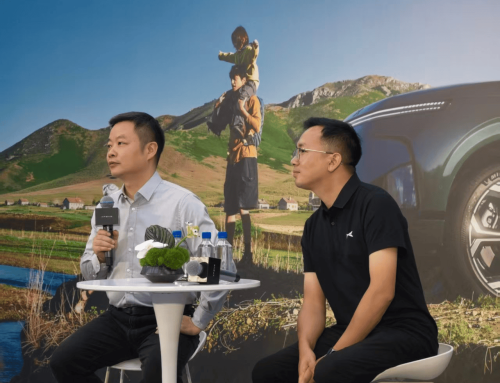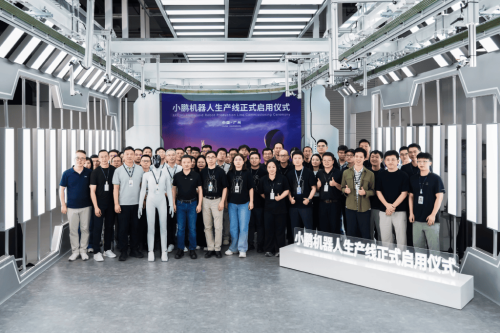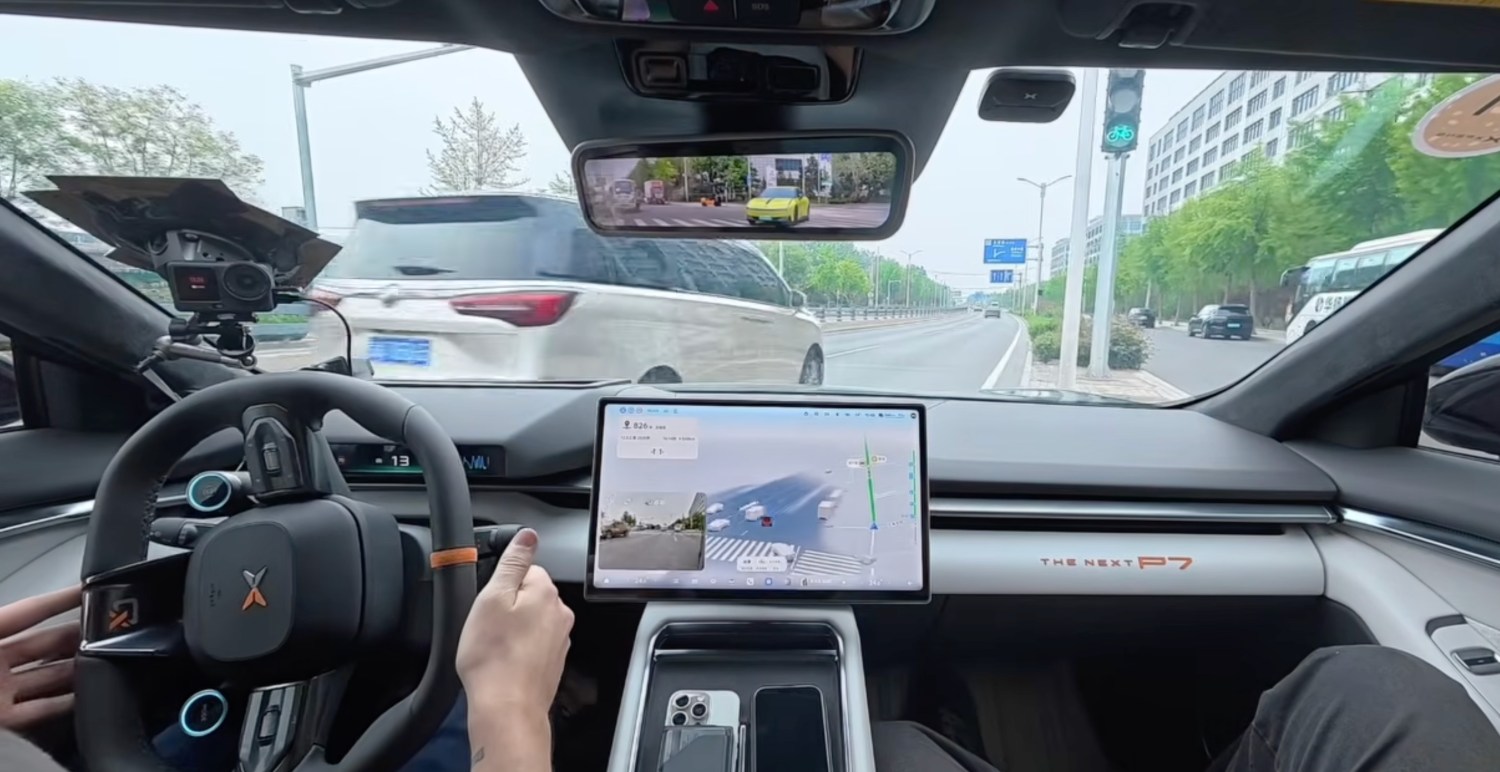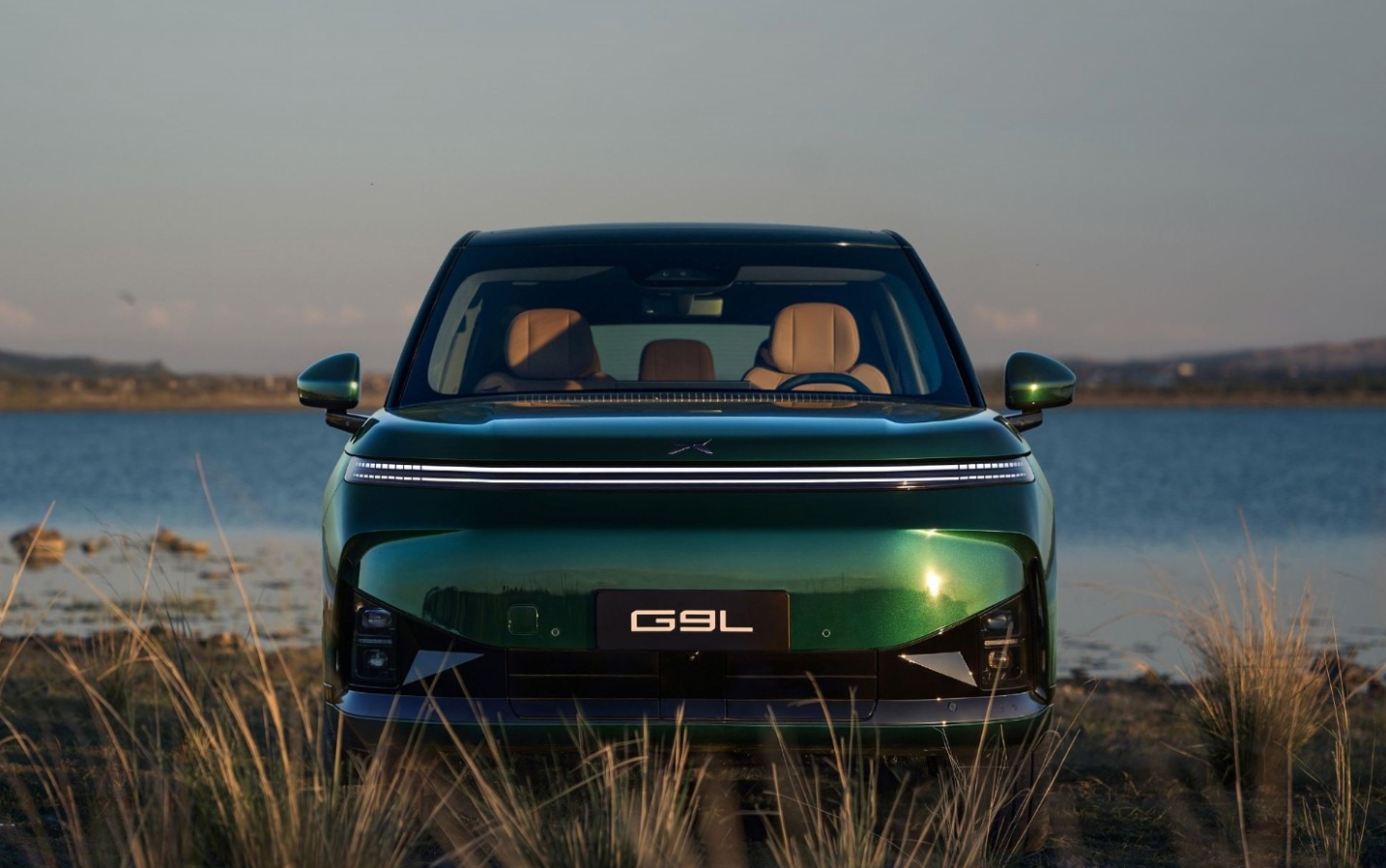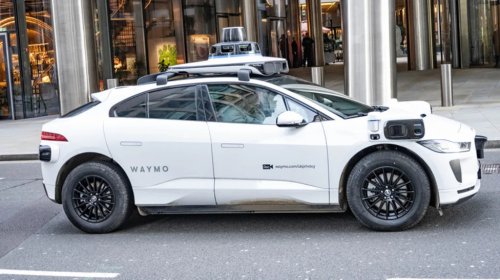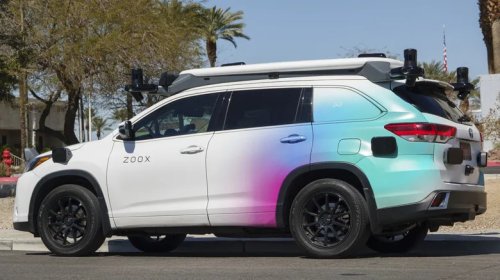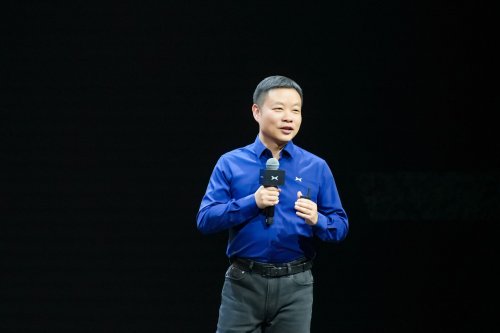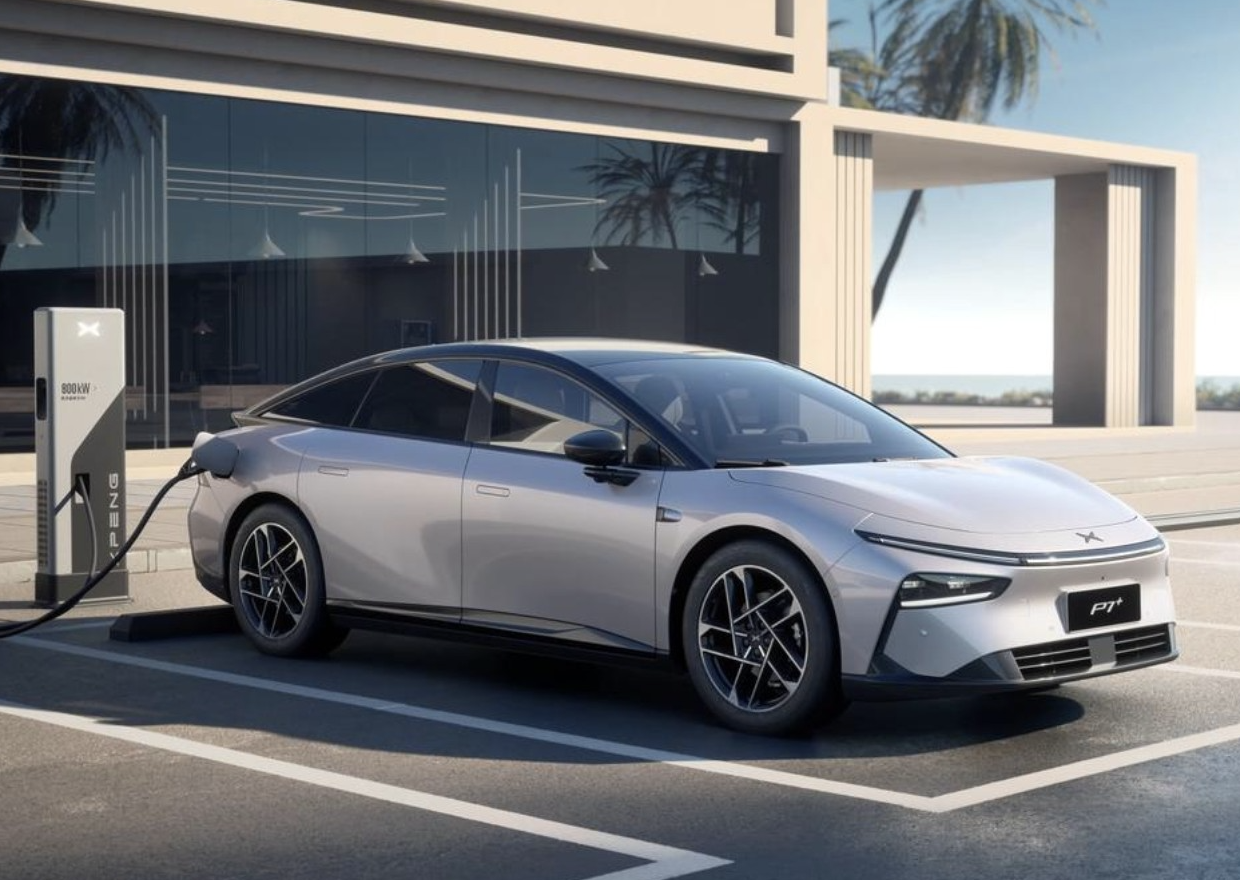



















Gasgoo Munich- On July 9, XPENG Group recently held its first all-hands meeting dedicated to its Robotaxi business. The company simultaneously announced the official launch of internal employee testing for its autonomous taxi service, with senior executives clarifying the unit's central role within the group's broader AI strategy.At the meeting, XPENG Chairman He Xiaopeng outlined the company's long-term vision for the smart mobility industry. He argued that over the next decade, various forms of embodied intelligence will fall under the robotics category. For XPENG, Robotaxi represents a crucial pivot from a traditional new-energy vehicle manufacturer to a "robotic vehicle" maker, forming a core component of the group's physical AI ecosystem.Image source: XPENGAmid an industry trend toward deep integration of AI hardware and software, XPENG has mapped out a clear commercialization path for its Robotaxi business. Moving forward, the company will concentrate resources on refining a dedicated vehicle platform, autonomous driving algorithms, and foundational AI capabilities. The goal is to transform into a supplier of comprehensive hardware and software solutions for global partners.The focus is shifting away from operating its own fleet. Instead, XPENG aims to export complete smart mobility solutions, accelerating the deployment of its Robotaxi business across multiple regions worldwide.Currently, numerous automakers and tech companies are staking out positions in the Robotaxi sector, yet their development strategies are diverging. Some prioritize building proprietary fleets to offer ride-hailing services directly to the public. Others, however, are choosing a technology export model, delivering complete autonomous driving hardware and software suites to mobility companies and overseas institutions.XPENG has opted for the latter approach. Leveraging its strengths in vehicle manufacturing and proprietary intelligent driving technology, the company plans to use solution exports as its primary engine for global expansion—thereby sidestepping the high operational costs and regional regulatory hurdles associated with managing its own fleet.