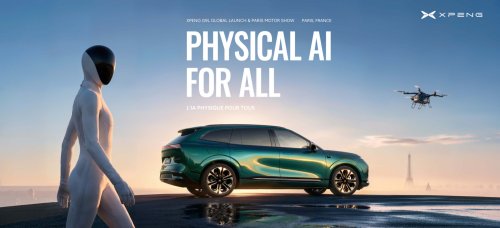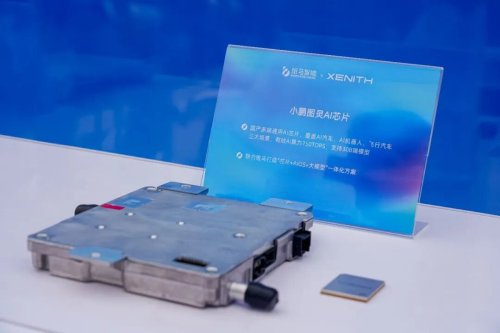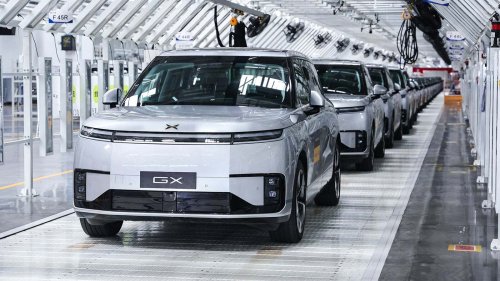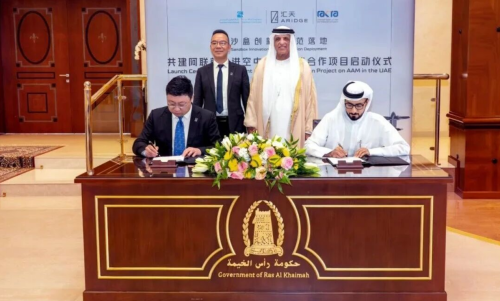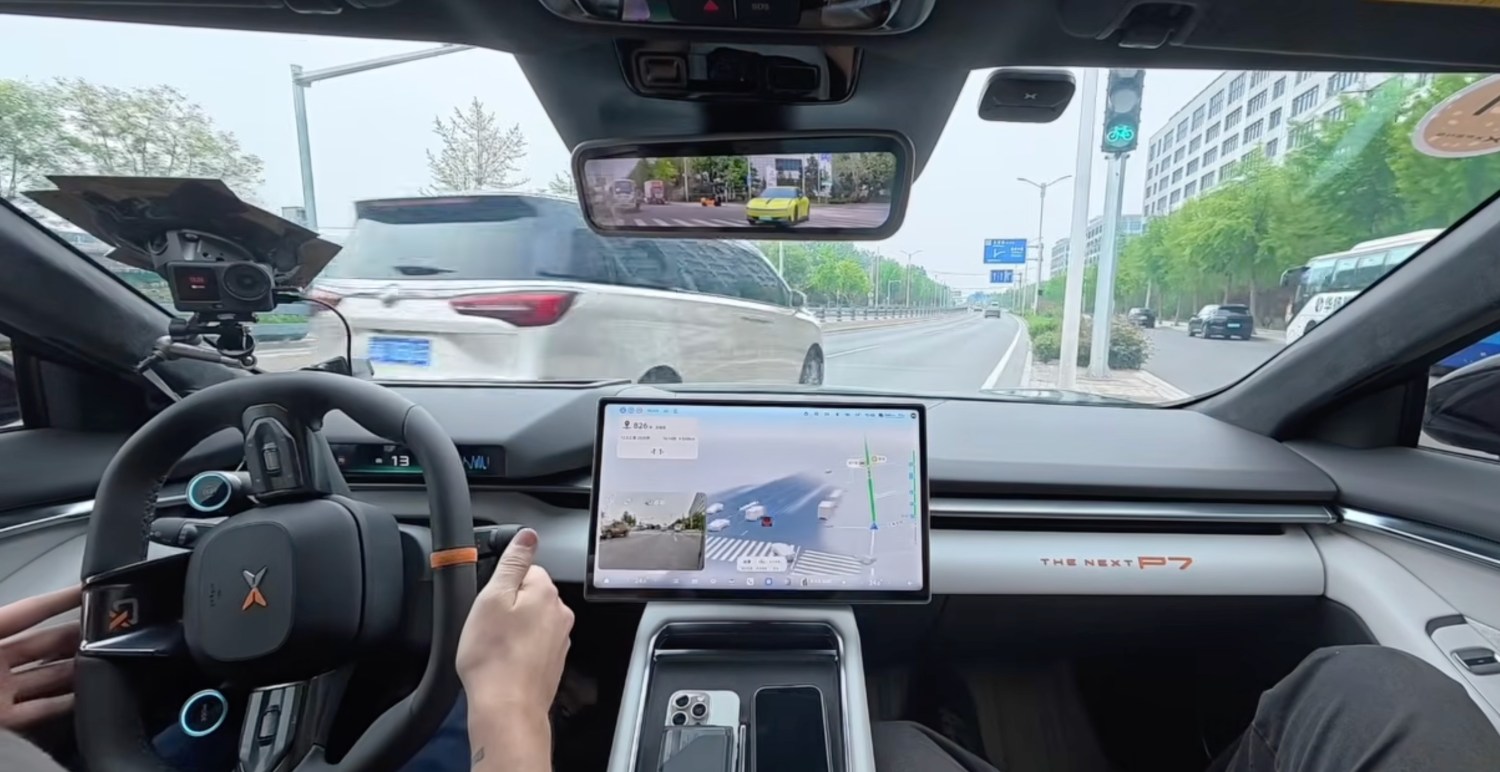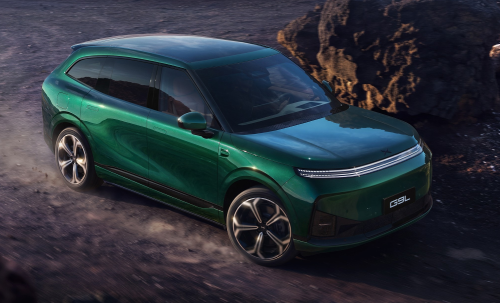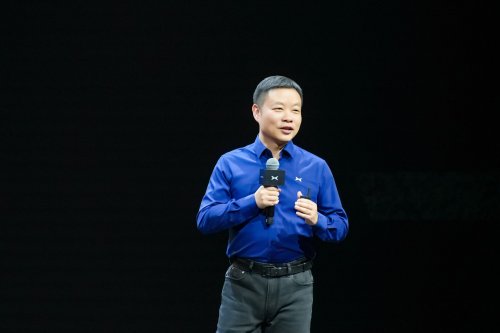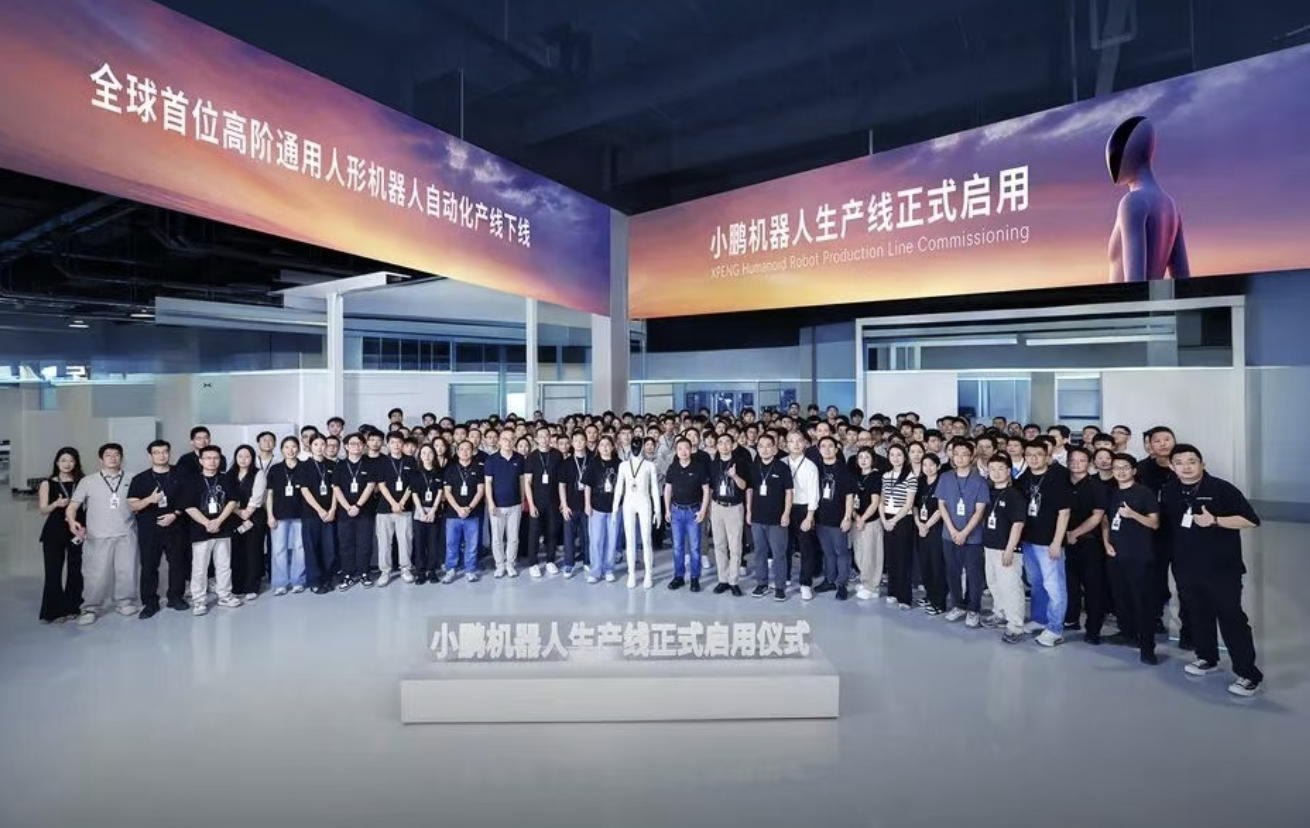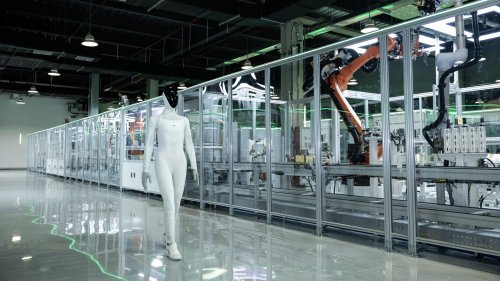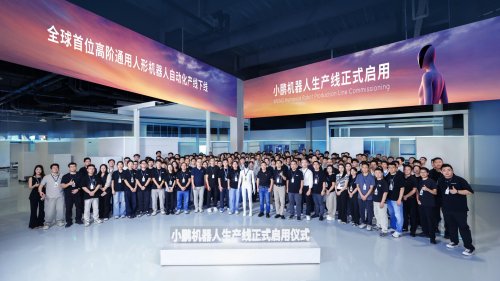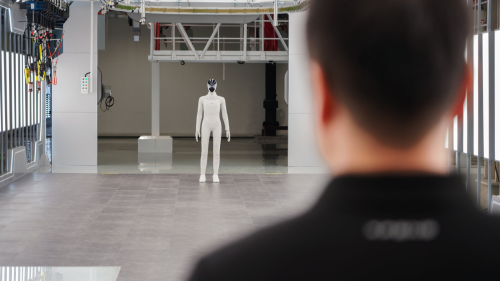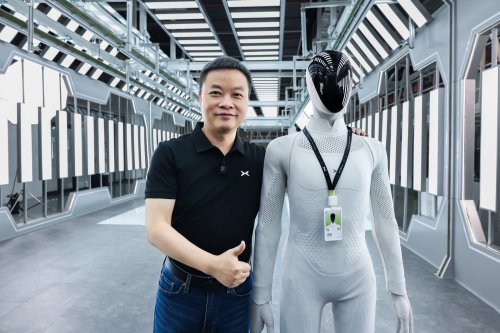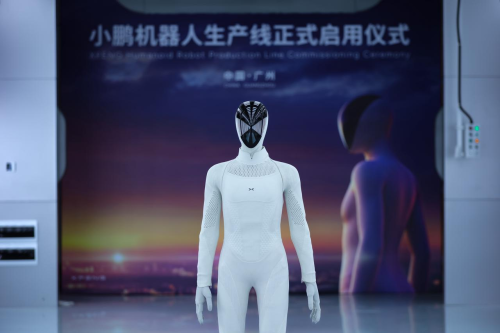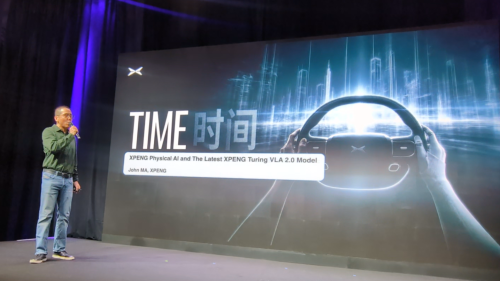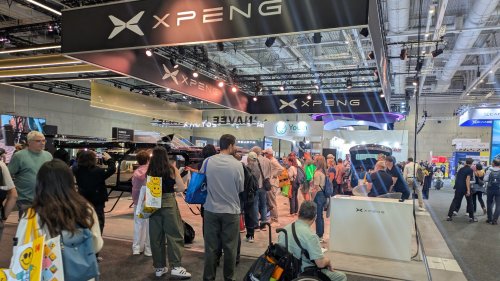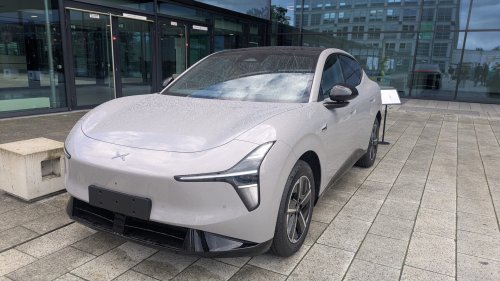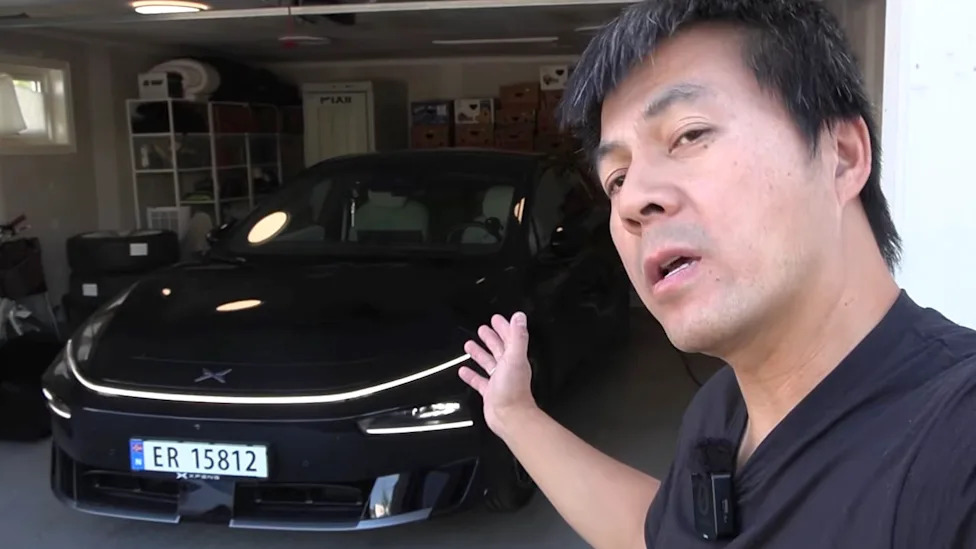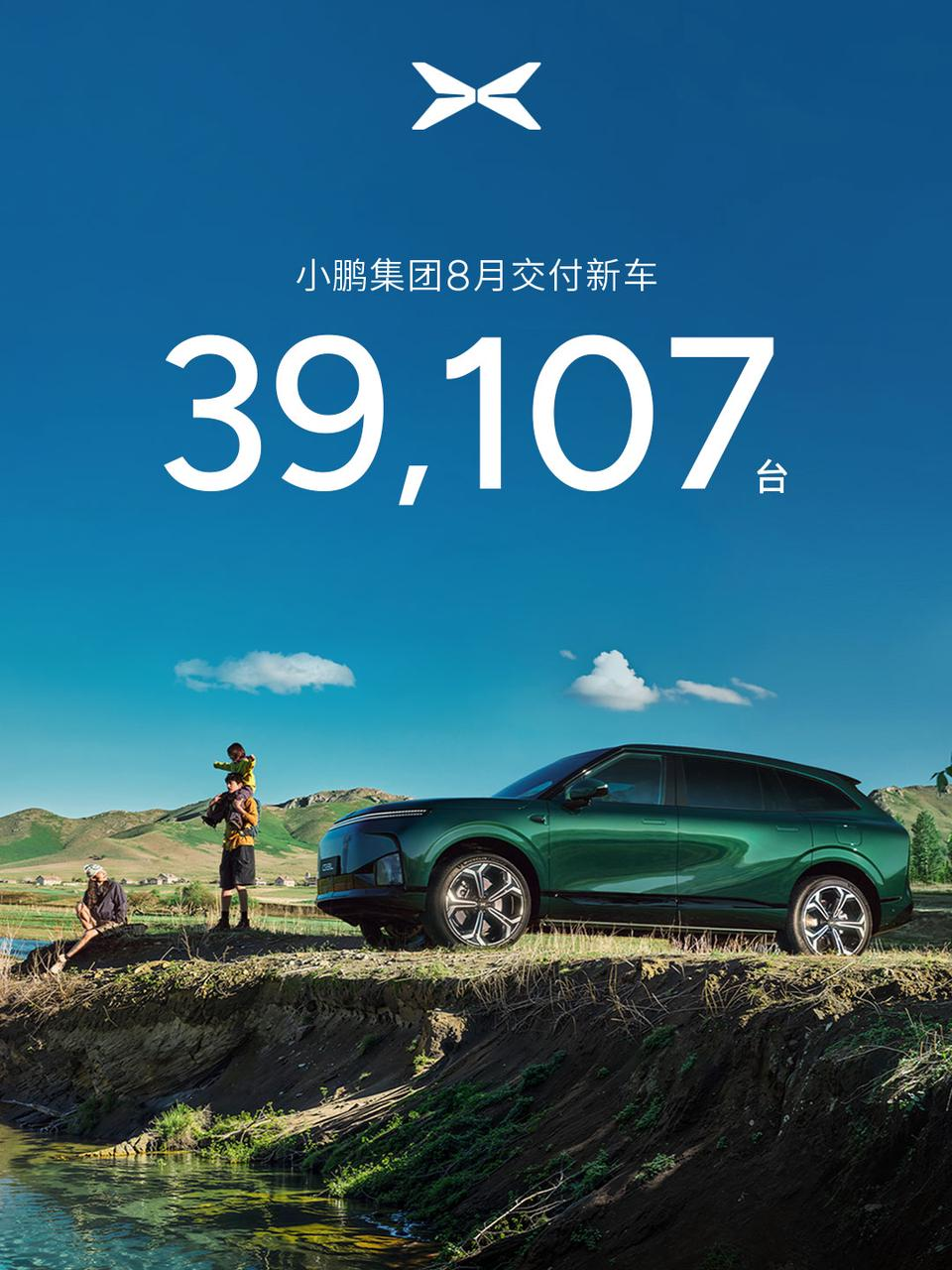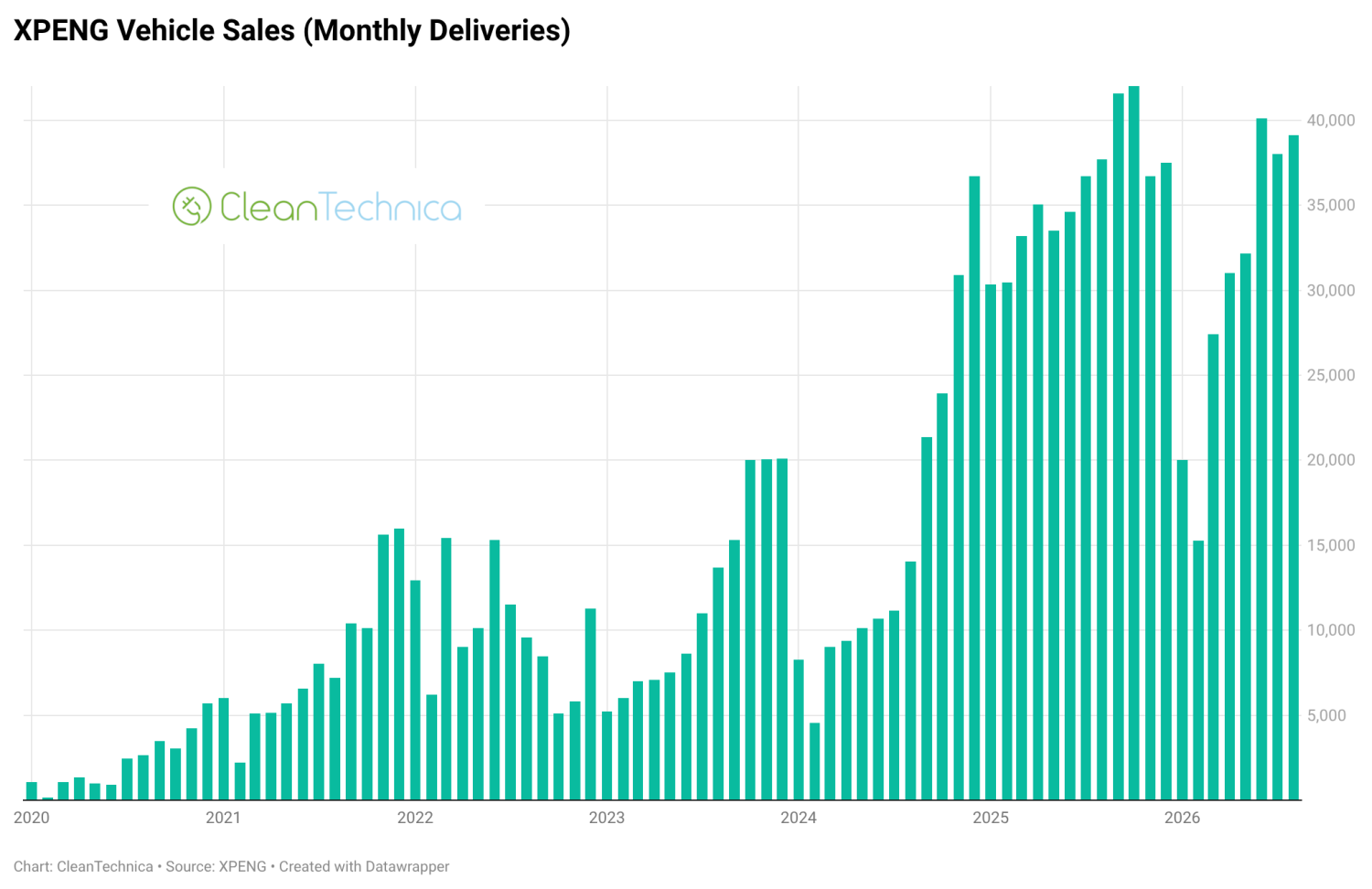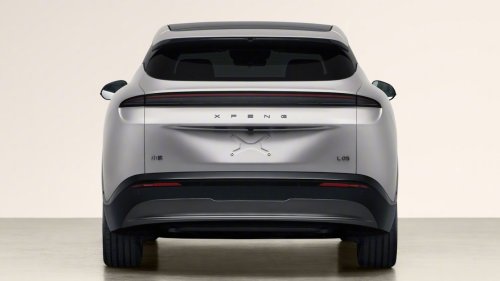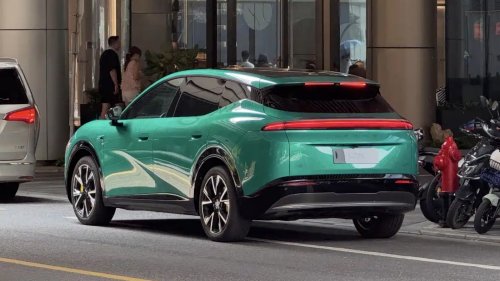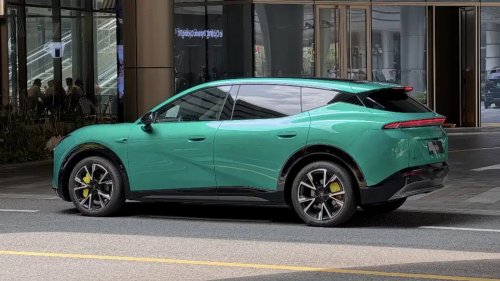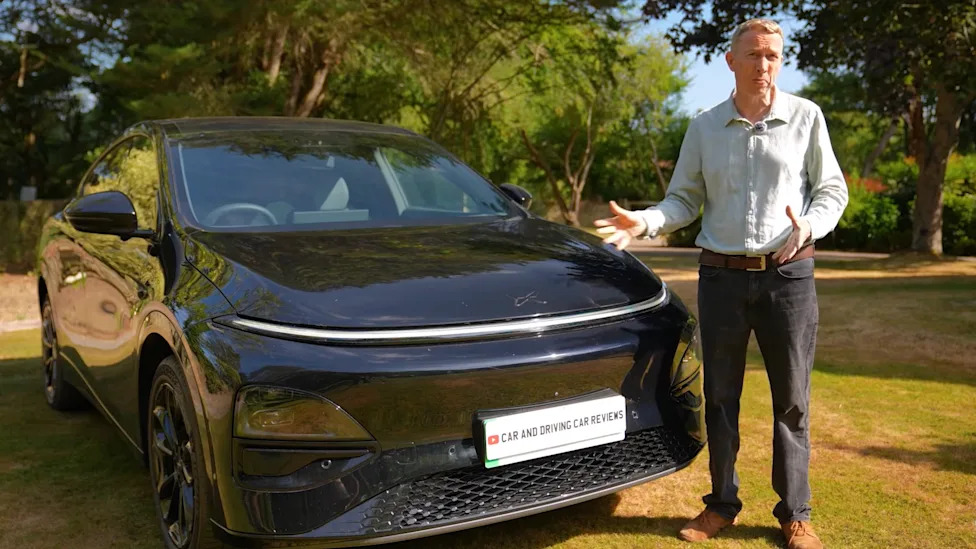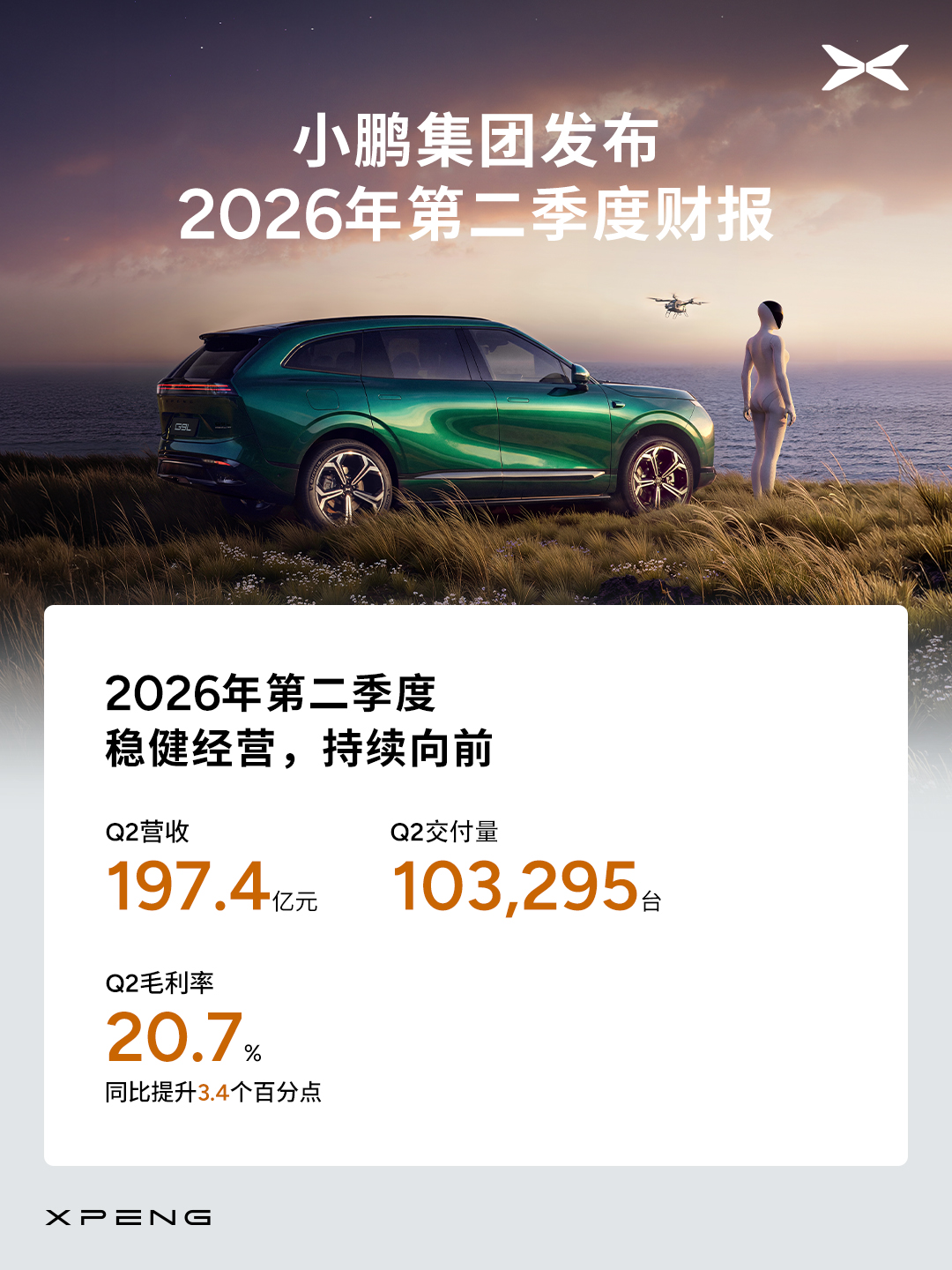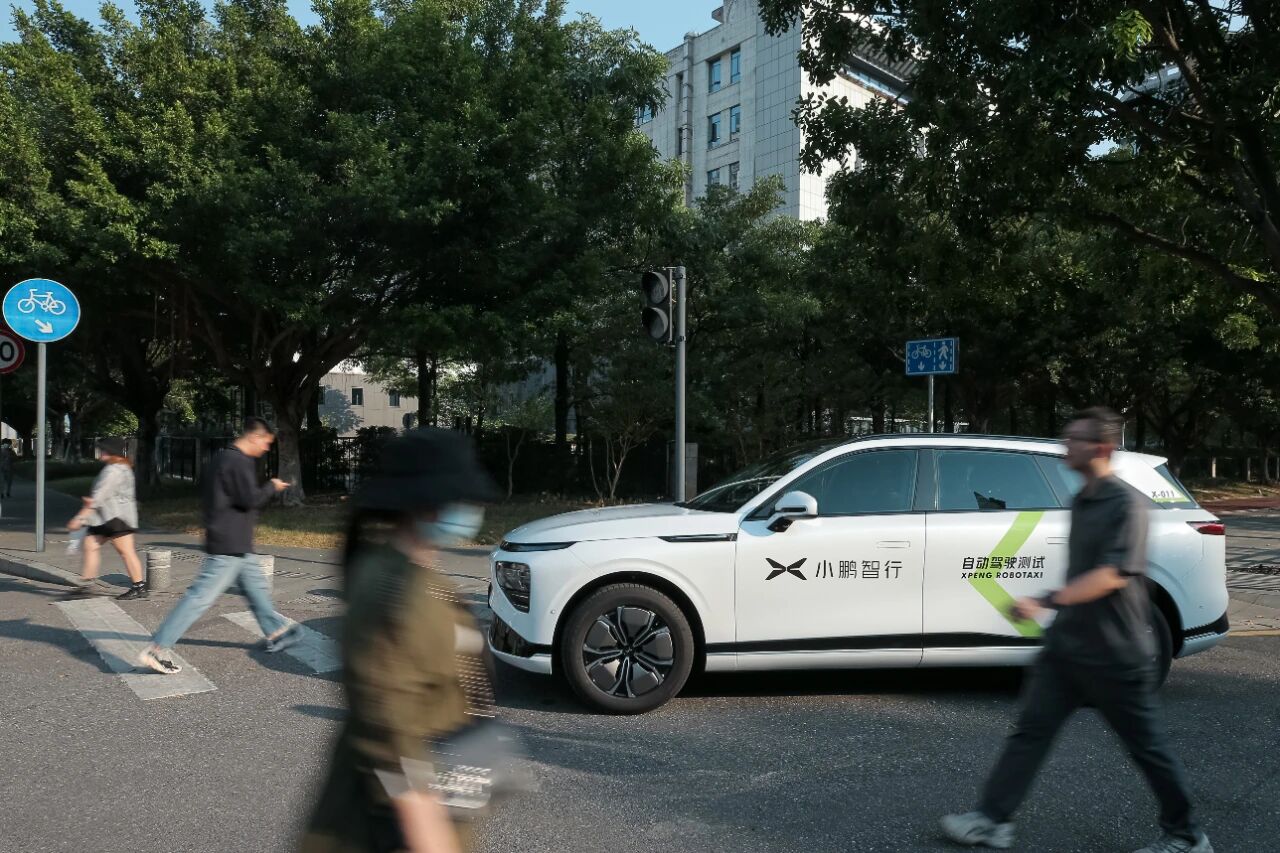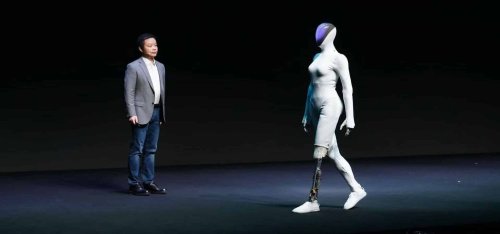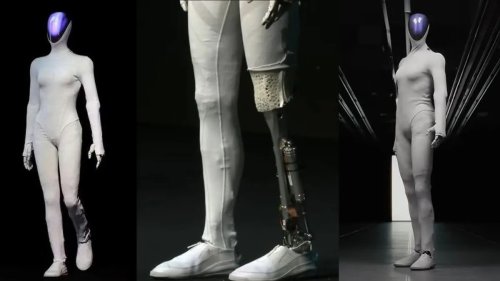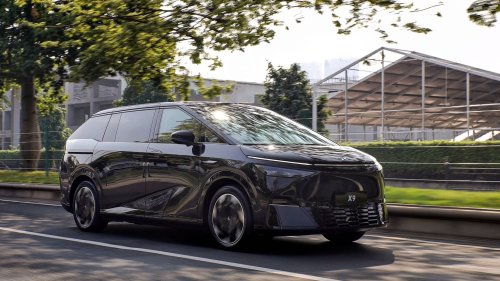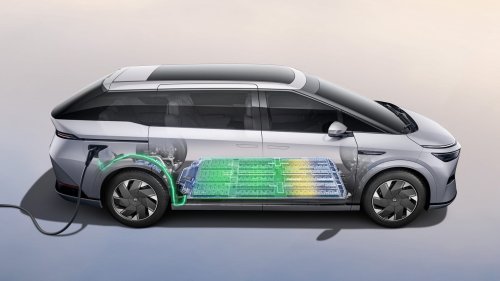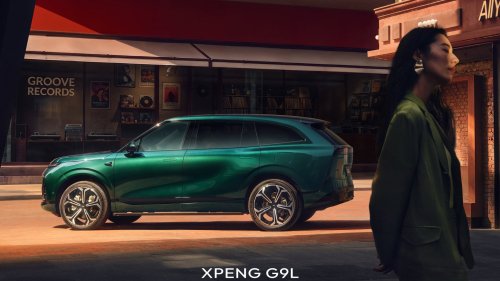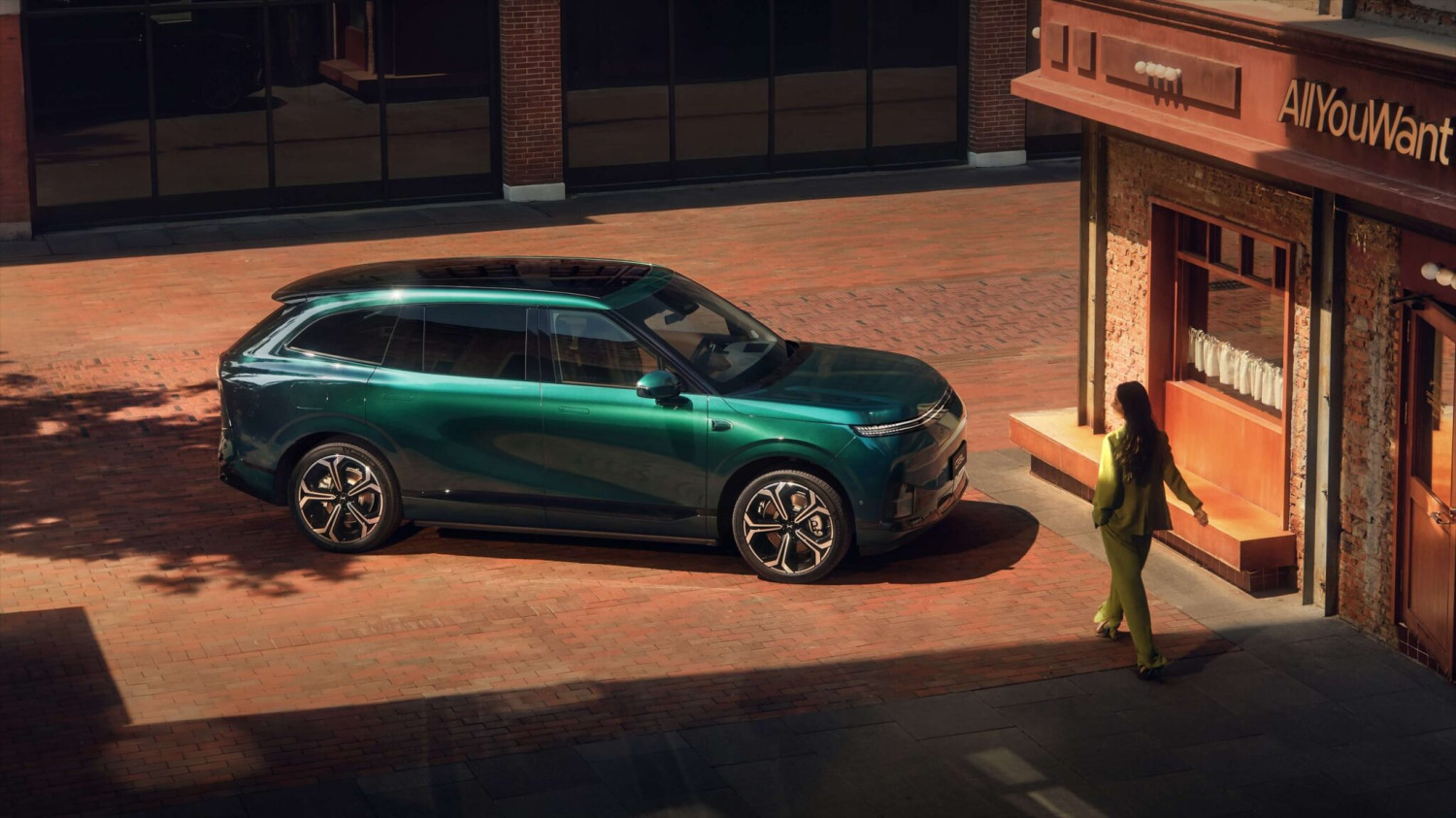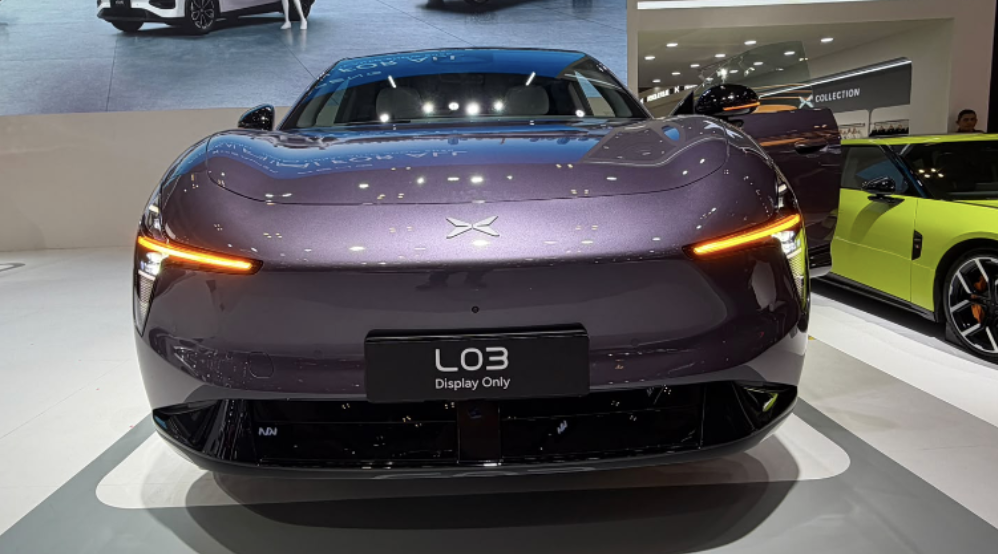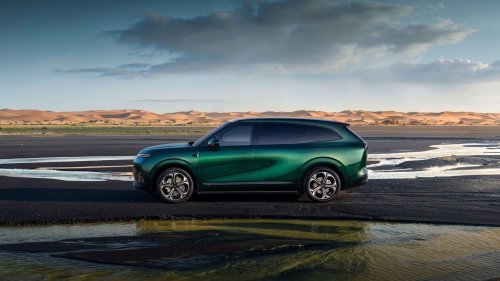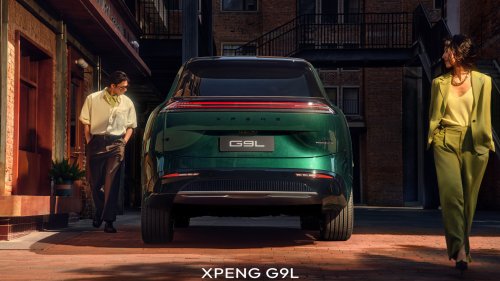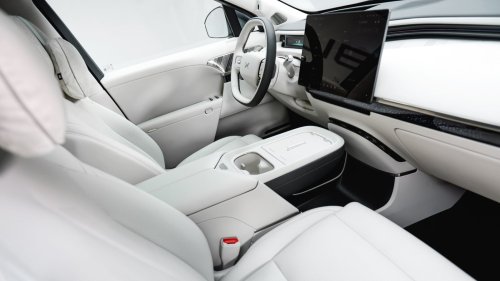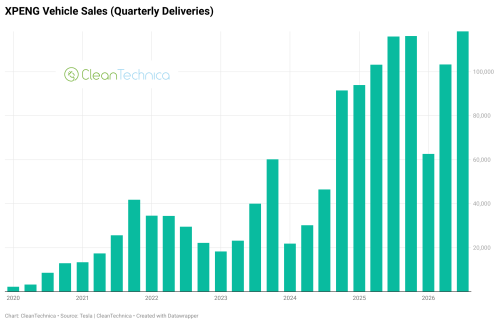
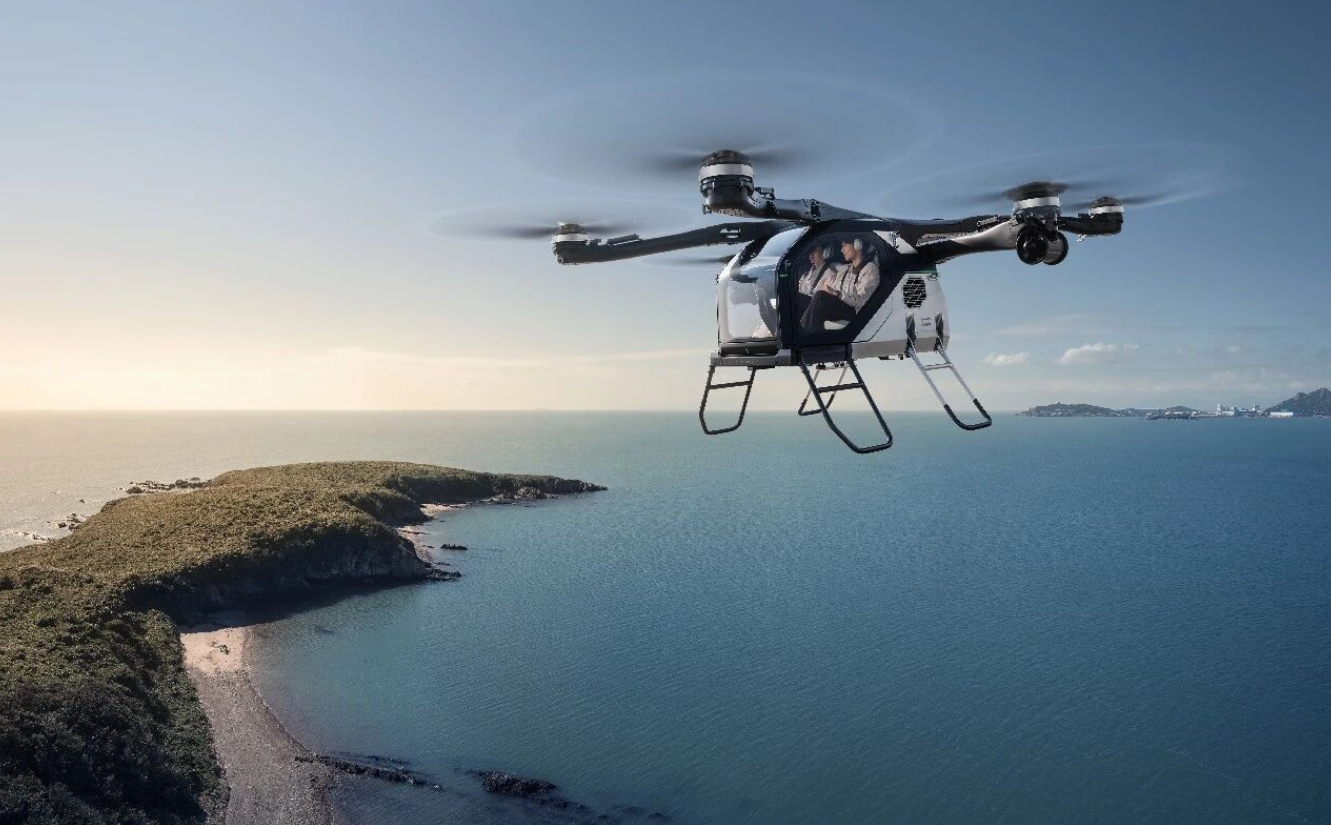
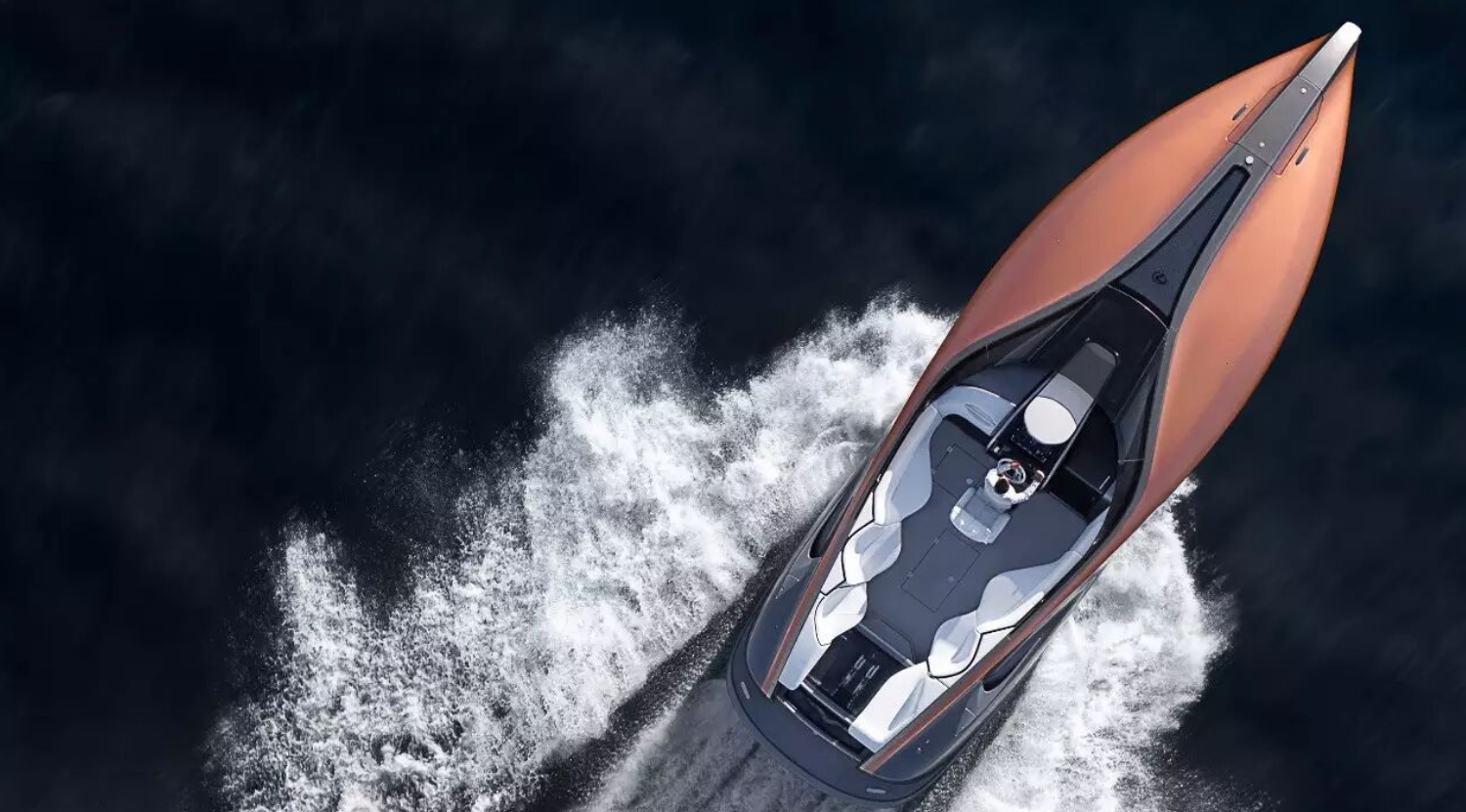



















Gasgoo Munich- In early June, reports surfaced that XPENG had quietly kicked off a yacht development project internally codenamed "Flying Fish." The company responded shortly after, stating it was "not aware of the matter."The buzz—and the non-denial—has thrust the tech giant, which built its name on smart electric vehicles, into the center of a debate over a potential "land, air, and sea" expansion.Rumor's Outline vs. Official SilenceAccording to multiple sources, XPENG assembled a yacht R&D team of nearly 100 people in early 2026. The initiative is being spearheaded by Qian Zhanwei, the company's head of vehicle architecture, under the internal codename "Flying Fish."Image Source: HuabanUnlike traditional yacht manufacturers, XPENG is reportedly centering its competitive edge on chassis algorithms. By leveraging capabilities in dynamic response, sensor fusion, and cooperative control honed in the EV sector, it aims to achieve intelligent regulation of hull posture, power output, and steering. The target demographic is described as high-net-worth families, with a focus on private vacation scenarios.As the rumors swirled, XPENG's response to inquiries remained consistent: it was "not aware of the matter." To date, the company has issued no official statement on a yacht project, nor has it disclosed key details such as technical specifications, product form, or production timelines.The timing of these reports is notable. On June 10, He Xiaopeng, chairman of XPENG Group, sent an internal memo announcing he would personally take the helm of the robotics business as CEO to push for the mass production and delivery of the IRON humanoid robot in the fourth quarter of 2026.Separately, XPENG Group changed its Chinese corporate name from "XPENG Motors" to "XPENG Group" in the first quarter of 2026, signaling a strategic pivot from a smart EV maker to a "Physical AI Company." Under this framework, the "Land Aircraft Carrier" flying car is slated for mass production in 2026, and Robotaxi operations are set to launch pilot runs this year. The yacht speculation emerges just as XPENG ramps up multiple business lines simultaneously.In fact, XPENG's transformation has accelerated noticeably since the rebranding earlier this year.Image Source: AeroHTIn the low-altitude sector, pre-orders for the modular "Land Aircraft Carrier" flying car have surpassed 7,000 units. Its factory in Guangzhou—the world's first assembly line for flying cars—is entering production preparation, with a planned cycle of one unit every 30 minutes, paving the way for 2026 deliveries.On the more forward-looking robotics front, the IRON project—now under He Xiaopeng's direct leadership—is also in the sprint phase. Equipped with three self-developed Turing chips and delivering 2,250 TOPS of computing power, the humanoid robot is progressing toward a year-end target of producing 1,000 units.Even in its fiercely competitive automotive core, XPENG has not slowed its product cadence. Since 2026, it has rolled out a slew of refreshed and new models. May deliveries hit 32,158 units—a yearly high—while its fully self-developed Robotaxis have rolled off the line in Guangzhou and are poised for commercial operation.As its flying, robotics, and ground transportation businesses near mass production or critical sprints almost in sync, the yacht rumors offer a new lens through which to view the company's strategic depth.Automakers Crossing into Yachting: An Industry Trend, Not a NoveltyXPENG is not the first automaker to dip its toes into the yachting world. Mercedes-AMG, Lamborghini, Porsche, and Lexus have all ventured into this space.Lexus, for instance, partnered with Marquis Yachts to launch the LY series of luxury yachts, while Mercedes-AMG teamed up with Cigarette Racing Team for the high-performance Tirranna AMG Edition.Image Source: Lexus ChinaAcross these cases, automakers tend to enter the yacht sector through collaborations or partial development involvement rather than spearheading the entire build process independently.The XPENG rumors, however, suggest a path of deep, in-house technology reuse—porting smart automotive tech directly into yacht development. Whether this differentiated approach can succeed remains to be seen.From an industry perspective, the electrification of automobiles has laid a supply chain foundation for the electrification of yachts.Policy signals are emerging, too. At the end of 2025, the Ministry of Transport noted that new yacht registrations in China had grown at an average annual rate of over 40% in the past three years, with yachts evolving from ultra-luxury items toward mass-market consumption and scaled development. These factors form the macro backdrop for automakers crossing into the marine sector.In early 2026, Richard Liu, founder of JD.com, personally invested 5 billion yuan to establish the yacht brand "Tanhai Yachts." That prominent business figures are simultaneously turning their gaze to the water reflects a shifting spotlight on the yacht industry.Still, the electric yacht sector faces significant practical hurdles.Technologically, range, battery safety, and charging speeds need further improvement. On the market side, economics, standard systems, and business models are still being explored. These are challenges every company entering this domain must confront.ConclusionTo date, "XPENG builds a yacht" remains in the realm of unofficial reports, with no formal confirmation from the company. The specific form, technical roadmap, and launch timeline for the rumored "Flying Fish" project await authoritative disclosure.Until an official announcement clarifies the situation, this episode is best understood as a noteworthy industry shift: it highlights the potential for smart EV technology to expand beyond the road, while also underscoring the changes and opportunities currently reshaping the yacht business.