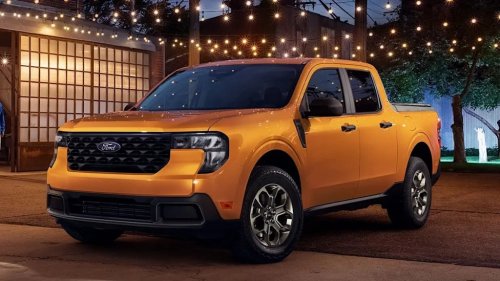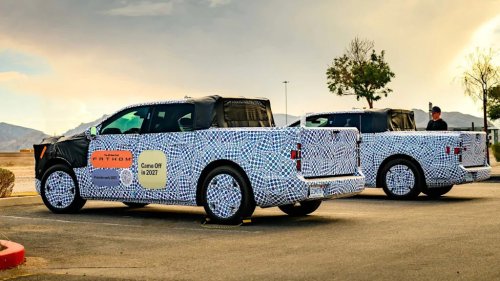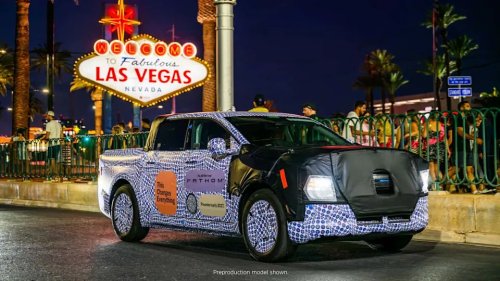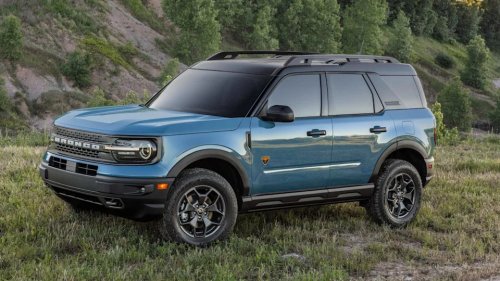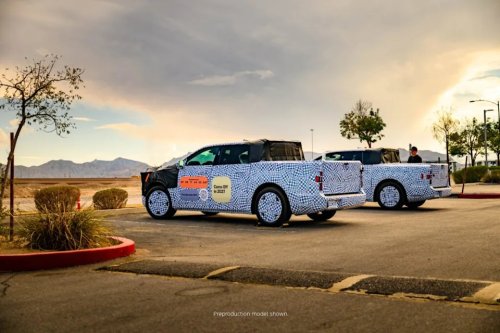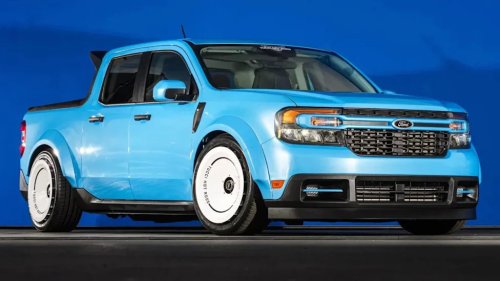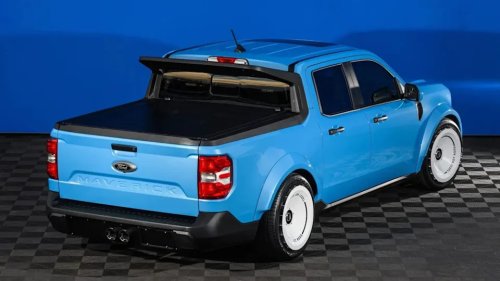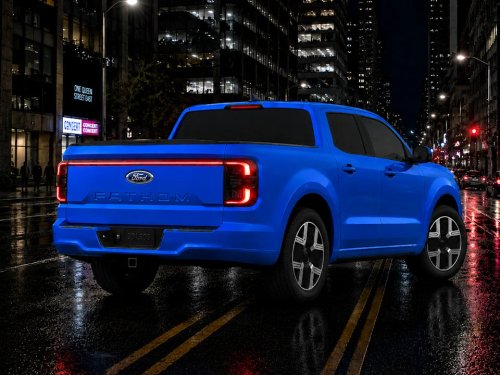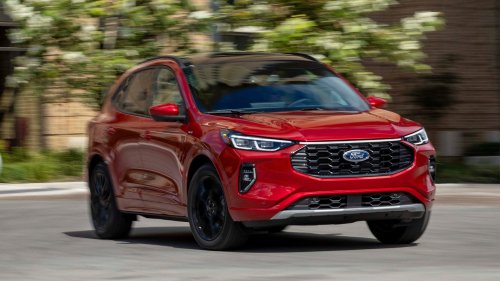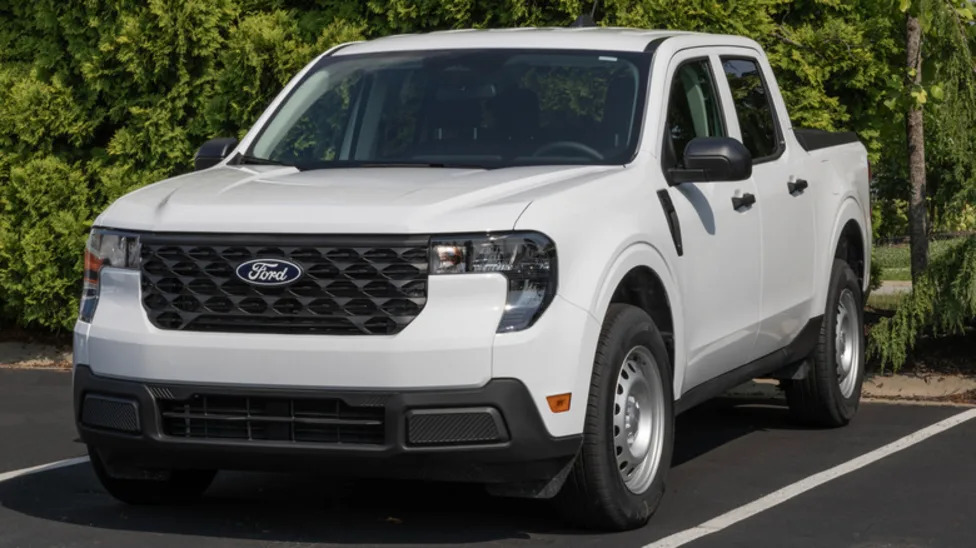
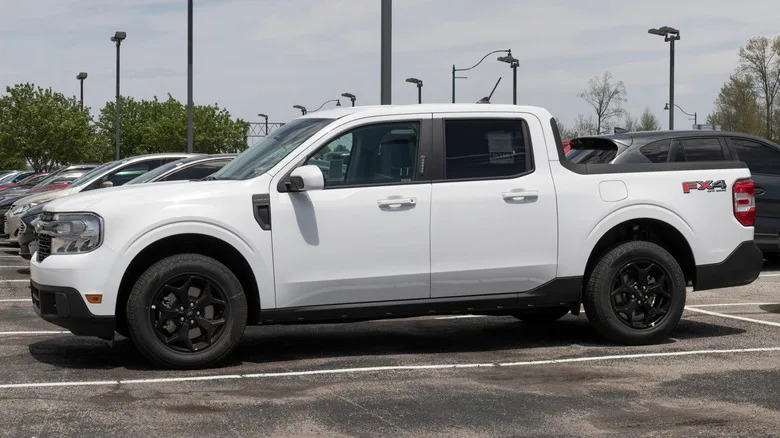



















Jonathan Weiss/ShutterstockIf you're a "real-truck-has-to-be-body-on-frame" type of person, then the Ford Maverick may not be your cup of tea. While both unibody and body-on-frame designs have their fair share of pros and cons, plenty of people love the Maverick because it's nearly the perfect little truck. The Maverick was never really conceived with the traditional pickup customer in mind – Ford's target audience was a typical urban or suburban driver who was also open to buying a truck for the first time.Being the "right size" and offering easy parking and maneuverability were important considerations for the Maverick's development team. So were fuel efficiency, reasonable weekend capability, and an accessible price point. Besides, the Maverick was never intended to be a rugged, go-anywhere, do-anything kind of truck (Ford already had the midsize Ranger and full-size F-150 for that). Therefore, opting for a unibody design made a lot of sense from the development team's perspective. And why not make the most of it by using the production scale and cost benefits of the company's existing C2 unibody platform that underpinned the Ford Escape and Bronco Sport?Not only did the unibody construction allow the Ford Maverick to deliver a very car-like ride, but it did so without compromising too much on the utility front. Sure, it may not have the towing or hauling capabilities of a body-on-frame Ranger or F-150, but the compact's 1,500 pounds of payload and 4,000 pounds of towing capacity (with the optional 4K Tow Package) aren't all that bad, especially considering its cousin, the Bronco Sport, only has a maximum towing capacity of 2,700 pounds.AdvertisementAdvertisementRead more: These Are The Worst Current Automotive Trends, According To YouLet's not downplay size and efficiencyJonathan Weiss/ShutterstockSince the Ranger and most pickups of the same ilk grew in size and price, a void opened in the market for a compact truck like the Maverick (and also the Hyundai Santa Cruz, by the way). Sure, the compact Ford may seem small relative to modern Rangers and F-150s, but if it makes you feel any better, the Maverick is two inches longer than a 1992 "full-size" F-150 half-ton. Interestingly, however, a pickup that's noticeably longer than what was once a full-size truck can deliver up to 42 mpg in the city – if you opt for the Maverick's 2.5-liter PowerBoost hybrid. Granted, this is not a fair comparison, but the fact that the Maverick can handle most of the things a casual truck driver might throw at it, while delivering decent gas mileage and excellent urban maneuverability, is perhaps why the compact truck is a runaway success for the brand.In fact, the Ford Maverick is MotorTrend's 2026 Truck of the Year, an accolade given after evaluating a vehicle's value, safety, efficiency, engineering, and how well it performs its intended function. Not only that, but it also received the Kelley Blue Book 2026 Best Buy Award among compact pickups, as well as the 2026 North American Truck of the Year Award at the Detroit Auto Show. Notably, both MotorTrend and Car and Driver were mighty impressed with the Maverick's fuel efficiency. As Chris Mazur, former chief project engineer for Maverick, put it for Ford From the Road, "We proved that fuel economy can actually be a primary reason to buy a truck."AdvertisementAdvertisementWant more like this? Join the Jalopnik newsletter to get the latest auto news sent straight to your inbox, and follow us or add us as a preferred search source on Google.Read the original article on Jalopnik.