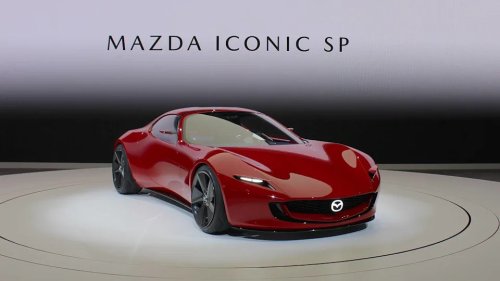
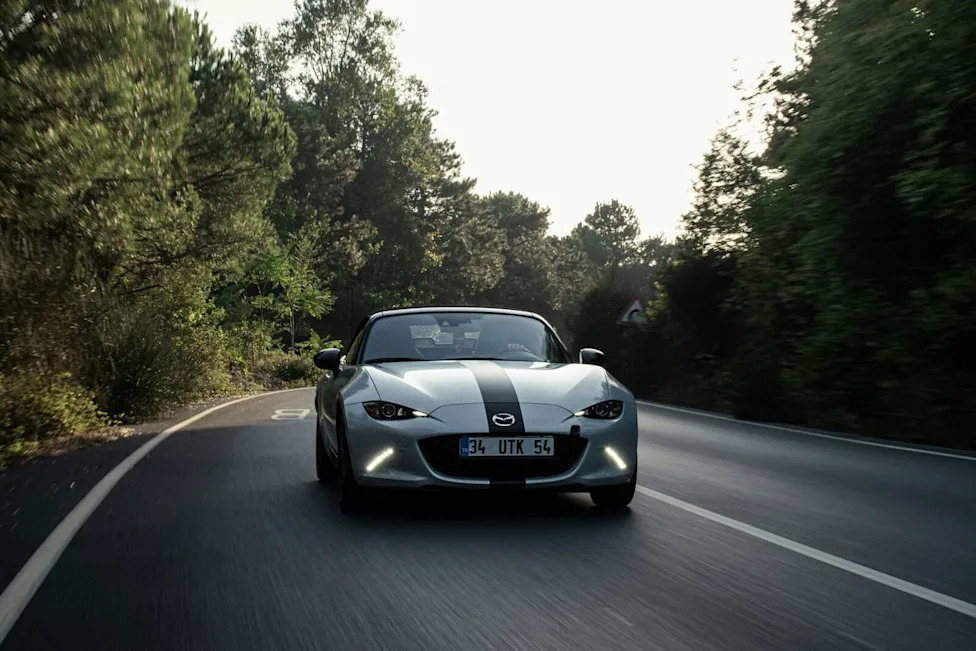
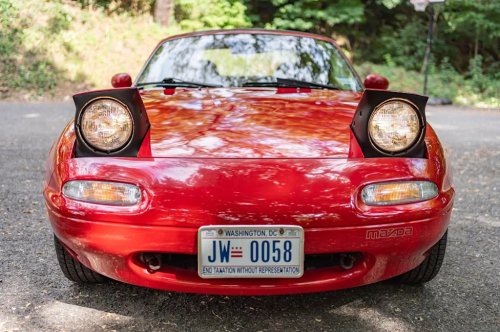
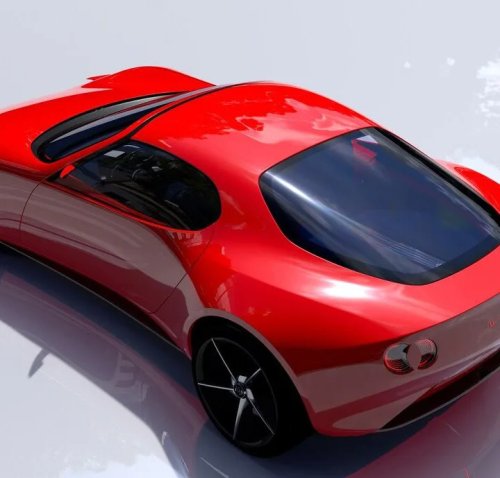
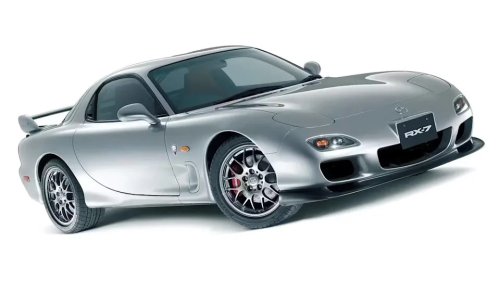
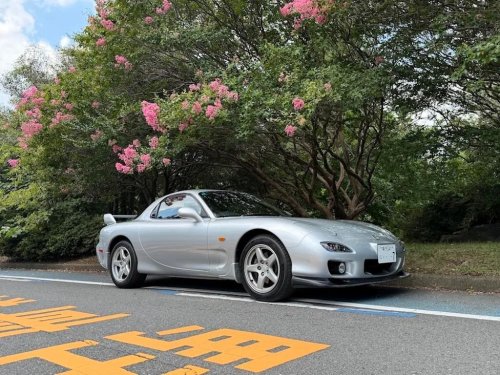
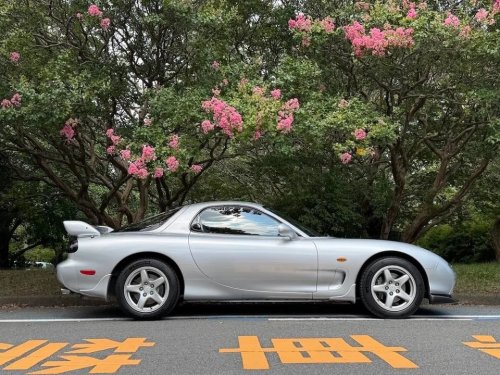
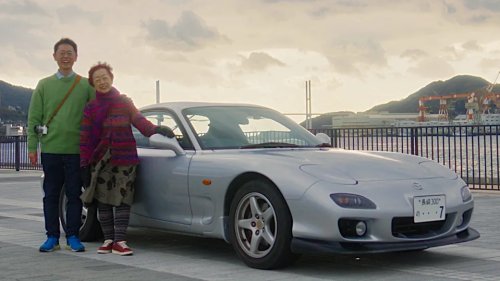
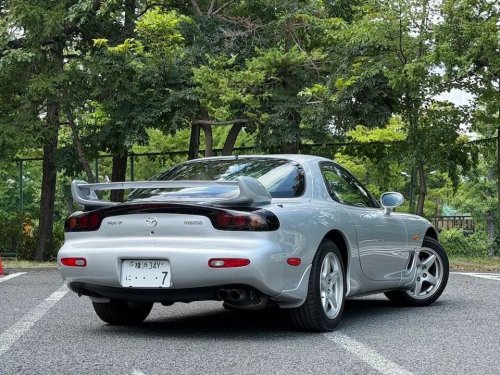
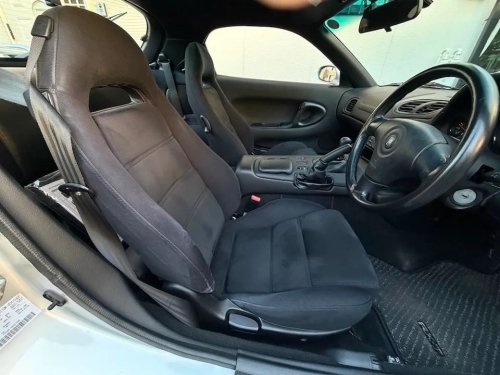
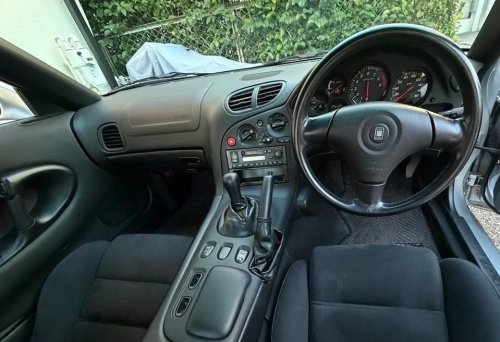
The Mazda RX-7 FD modelPhoto by Peter LyonFew Japanese cars have aged as gracefully as the third-generation Mazda RX-7. Launched in 1991 in Japan and 1992 in the U.S., and known internally as the FD3S, its low nose, flowing bodywork, pop-up headlights and tightly curved cabin make it arguably the most beautifully proportioned coupe to ever come out of Japan.More than three decades later, the FD still looks fresh, like it was penned last year. But the immaculate silver example I am driving in Japan right now carries something more valuable than timeless styling or rising collector value. It comes with an extraordinarily moving human story.This RX-7 was the star of an award-winning filmThis RX-7 belonged to Naoko Nishimoto, a resident of Nagasaki who bought it new in 1999 when she was 55. She had fallen for the FD's shape after seeing one in the Initial D anime, although she ultimately chose Highlight Silver Metallic instead of the blue she initially wanted.The Mazda RX-7Nishimoto drove the five-speed manual RX-7 for 25 years, covering just on 48,200 miles. She maintained it fastidiously, coating its paintwork at every inspection and preserving its interior in almost showroom condition. In December 2024, on her 80th birthday, Nishimoto decided her driving days were over, voluntarily surrendered her driving license and gave her treasured car back to Mazda.AdvertisementAdvertisementShe called the RX-7 her best friend. And luckily, this handover was caught on tape.Naoko Nishimoto shows off her RX-7The RX-7 movie won the IAFF Grand Prix prizeFilmmaker Rinichi Ogawa captured Nishimoto's final days with the car in a poignant ten-minute documentary officially titled Goodbye RX-7: Saying Farewell To A Dear Friend, or more literally, RX-7: 25 Years Of Memories, The Final Three Days. The film became a YouTube sensation, accumulating more than three million views worldwide, and won the 2026 Grand Prix trophy at the International Auto Film Festa after being selected from 519 entries representing 73 countries. The film also took out the Team Ukyo prize, sponsored by ex-F1 driver Ukyo Katayama.It is easy to understand these accolades. This is not really a film about a car. It is about companionship, aging and the memories that become attached to an object after a quarter-century of shared life.The Mazda RX-7Mazda subsequently placed Nishimoto's car in its heritage press fleet—and handed me the keys this week. From behind the wheel, it is difficult to believe the car is over 25 years old. The controls remain beautifully weighted, the steering feels alive and responsive thanks to the sublime rotary-turbo combination, and the slender pillars provide a delicacy absent from today's bulkier sports cars.AdvertisementAdvertisementIts 1.3-liter 13B-REW rotary engine employs sequential twin turbochargers that pump out 265 hp in this Type RB S Package specification. That may sound tame by today's 500-hp plus standards but with the RX-7 tipping the scales at only 2,800 pounds, this FD model will jump from zero to 60mph in under 5 seconds. Its smooth yet explosive power delivery, compact dimensions and beautifully balanced chassis make it feel light and eager rather than merely fast.Prices are rising for aging RX-7sThis coupe is the ultimate sequential twin-turbo halo car and was sold in the US between 1992 and 1995. While highly praised, the RX-7's price rose significantly due to dollar-yen currency fluctuations from $32,500 in 1992 to $38,000 for the Touring model in 1995, which put the Mazda in Chevy Corvette territory. That essentially priced the car out of the market and the car disappeared from showrooms by the end of 1995.The cockpit looks like it was built yesterdayFor the record, a mint condition, low-mileage 1999-model RX-7 today in the U.S. can fetch up to $100,000 at auction. According to Toshiyuki Yokoyama, an executive with the Kanagawa branch of the Japan Used Car Dealers Association, "There's high demand overseas for older Japanese cars, driven by their appearances in movies and manga [like Initial D and Fast and Furious], as well as their reliability and cool looks. Their prices have shot up to match demand."Great driver-oriented cabinThe RX-7 is a target for car thievesBut back at home in Japan, the RX-7 I am driving is now a legend and Mazda is taking no chances with it. Whenever I park, I must activate the onboard immobilizer and install both a very analog steering-wheel lock and a highly visible tire clamp. Retro security measures for a very retro car.AdvertisementAdvertisementThe caution is understandable. Japan still remains remarkably safe, but automobile theft is increasing. National Police Agency provisional data recorded 3,821 thefts during the first half of 2025—not the whole year—representing a 29.2% year-over-year rise. Land Cruisers, Priuses and Alphards remain leading targets, while appreciating pre-2000 Japanese performance cars like the Mazda RX-7 are increasingly attractive to thieves and exporters as well.Nishimoto's RX-7 also embodies Mazda's unfinished business with the rotary engine. The company continues exploring a production sports car inspired by its elegant Iconic SP concept from 2023, whose 365-hp rotary-EV system combines a twin-rotor engine with electrification. Production has not yet been formally confirmed, but Mazda's rotary ambitions clearly remain alive. MazdaFor now, this silver FD I'm driving is more than a museum piece or press car. It is a rolling testament to a rebirth of rotary, but reimagined for the electric age.This article was originally published on Forbes.com



















 +39 others