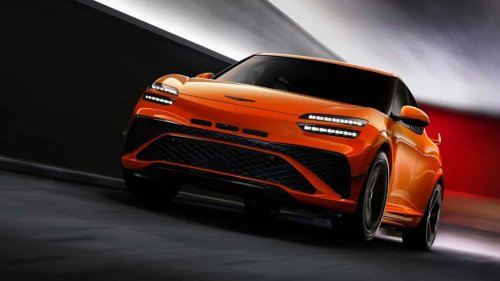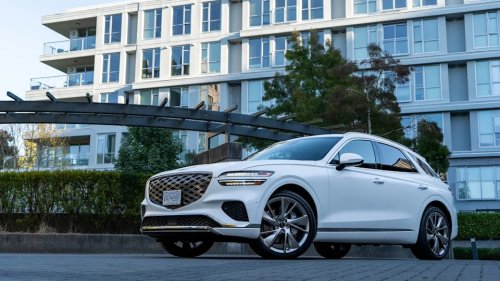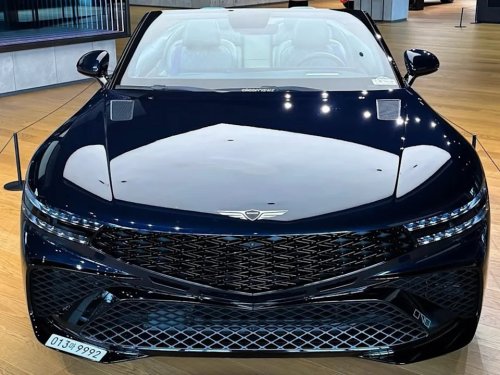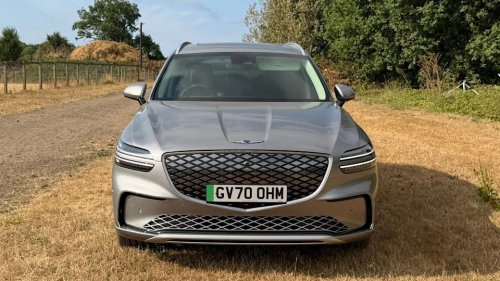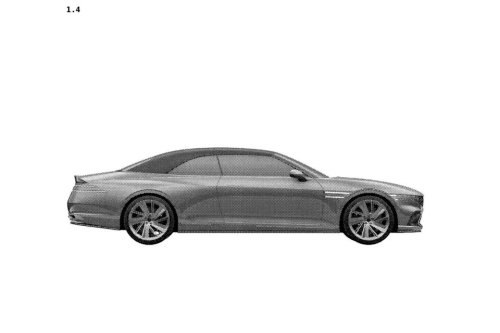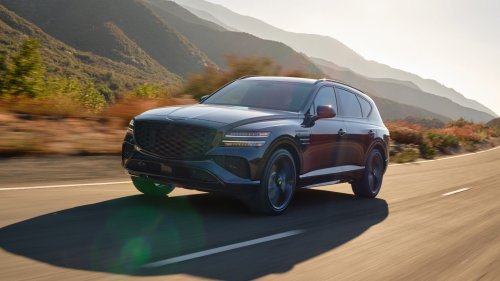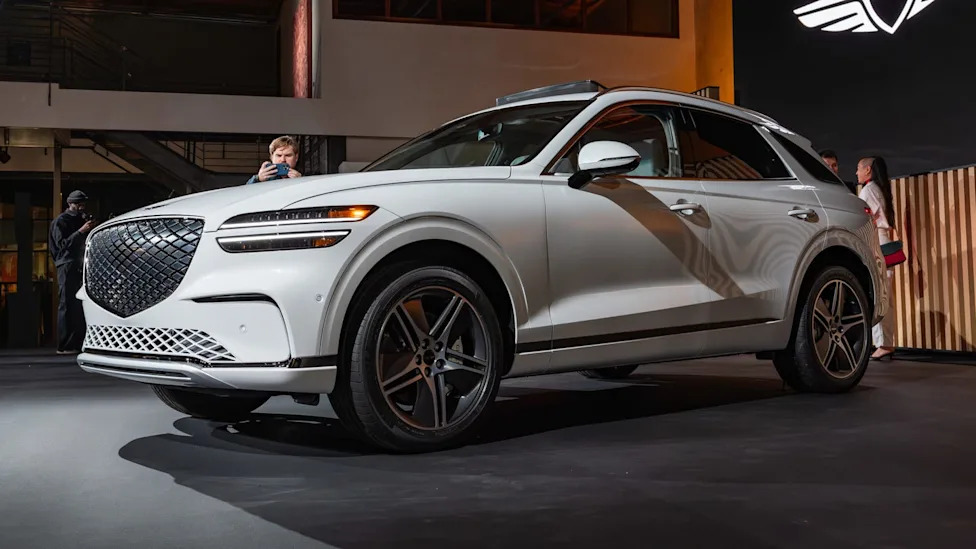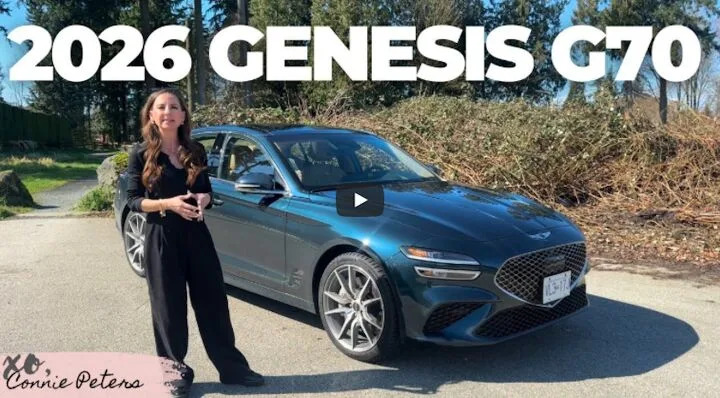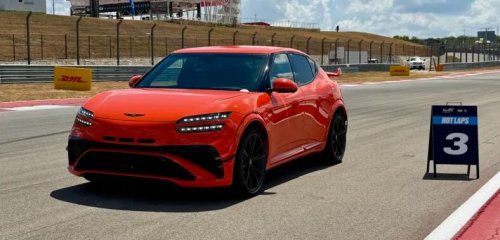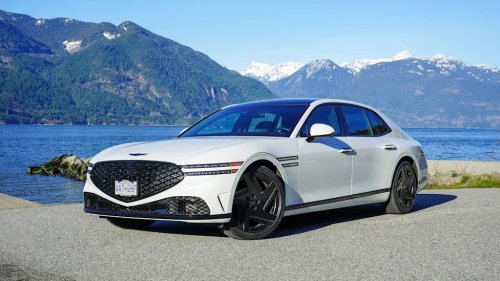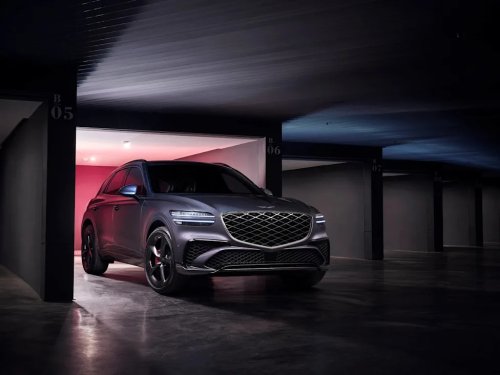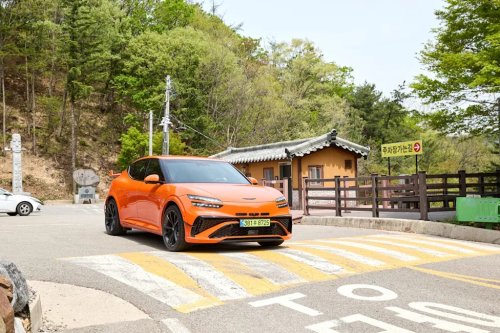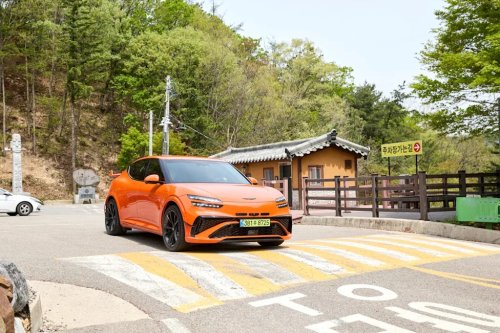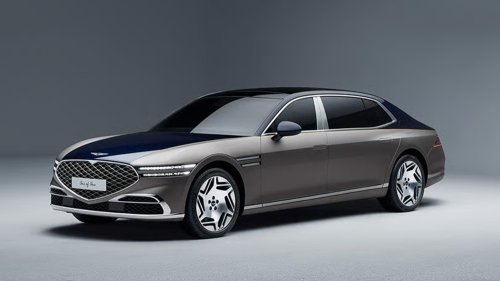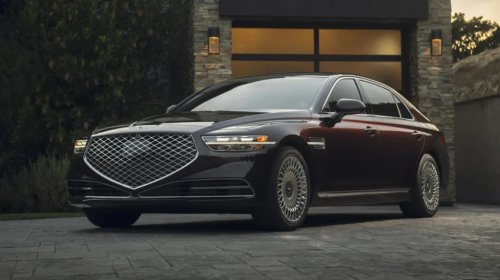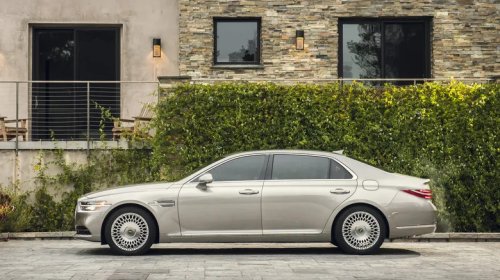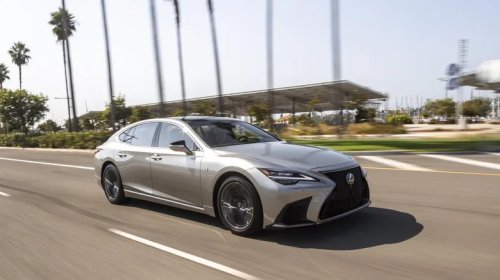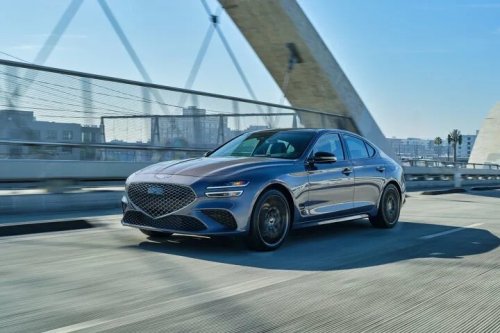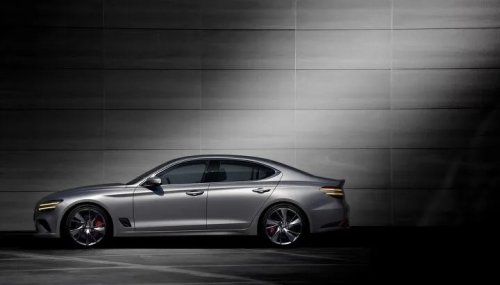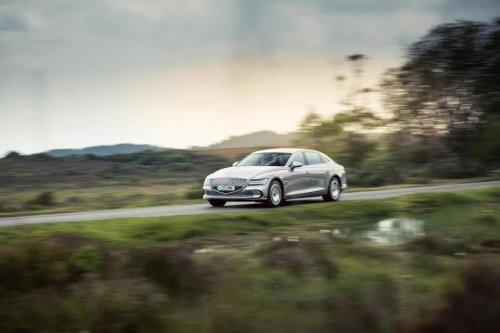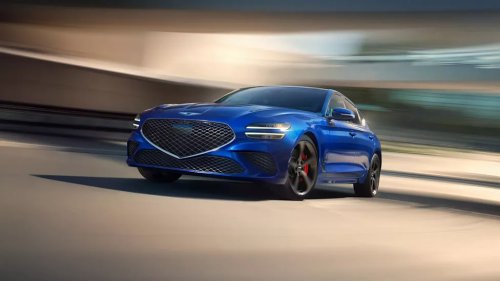
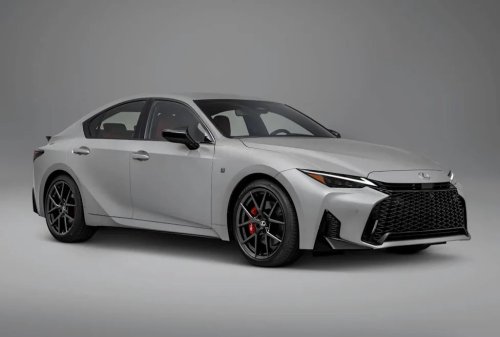
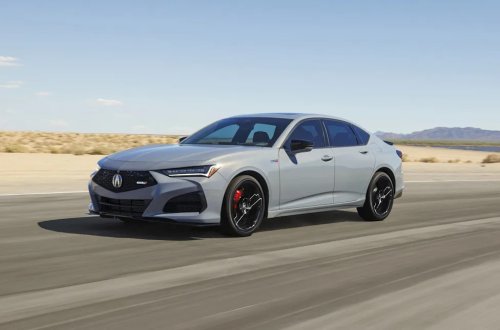
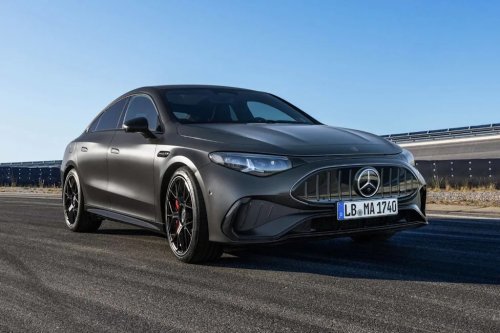

















Autoblog and Yahoo may earn commission from links in this article.Genesis may very well have just one engine in its G70 sports sedan next year. With the likely demise of its wonderful 3.3-liter twin-turbocharged V6 engine for 2027, it signals the end of an era. The model's most powerful engine occupying space under the hood of its most thrilling car generates 365 horsepower and 376 lb-ft of torque, but for 2027 the G70 will probably only be sold with the 2.5-liter turbo four.GenesisWhile it's still a very capable engine with 300 horsepower and 311 lb-ft of torque (up from the previous 252 hp from the 2.0T in 2023), the twin-turbo V6 was the more willing engine. It provided ample oomph, launching from 0 to 60 mph in 4.5 seconds, substantially quicker than the 2.5T's 5.9-second time. Both powertrains were available with either rear-wheel drive or all-wheel drive, making them four seasons capable performers. So, when Genesis cans the V6, will any sedans be left with one under the hood?The Confirmed Survivor, a LexusIt's hard to believe that the painful prevalence of turbocharged four-cylinder engines has killed off so many V6s of late: the Ford Mustang V6, Kia Stinger, Chrysler 300, Infiniti Q50/Q60, Chevy Camaro, and the Acura TLX have all died within the past few years. So what, if anything, is left?AdvertisementAdvertisementFor the U.S. market, the answer is a single model: the Lexus IS 350 is clearly on the board, while Infiniti's new rear-drive sports sedan is announced for 2027 but has not yet been fully specified or priced. If you count only models whose 2027 production details are public, it is effectively one today.2027 modelV6Sports-sedan credentialsStatusLexus IS 3503.5L naturally aspirated V6, 311 hpCompact luxury sedan; RWD or AWD; F Sport chassis/appearance variantsExpected/essentially carried overInfiniti new RWD sports sedanReported twin-turbo 3.0L V6; likely 400+ hpRear-drive sedan, reportedly with a manual-transmission optionAnnounced for 2027, final U.S. specs pendingThe 2027 Lexus IS 350 is the only IS model remaining, now that the V8 IS 500 is gone. Having recently been refreshed, the IS 350 with its 311-hp 3.5-liter V6, eight-speed automatic and RWD, or a six-speed automatic with AWD, stands alone. Lexus characterized the refreshed 2026 IS as a 311-hp V6 sport sedan, making this an unusually durable old-school formula in a market rapidly abandoning V6 sedans.Infiniti is the other prospective entry, but we'll believe it when we see it: rumors for late 2027 have it as a rear-drive sedan using a version of the Nissan Z's twin-turbo 3.0-liter V6, potentially producing roughly 400 to 450 hp, and may offer a manual transmission. Until Infiniti publishes the production car's official spec sheet, though, I would label it a potential contender rather than a confirmed model.What Has DisappearedAcuraThe bigger story is that the modern "V6 sports sedan" category has nearly collapsed, all in the name of fuel efficiency and higher power output from turbo fours. These are the V6s that have really hurt when their deaths were announced:AdvertisementAdvertisementAcura TLX Type S: Its 355-hp turbo 3.0-liter V6 was a legitimate member of the class, but Acura's current Type S material centers the V6 on the MDX Type S SUV, while the Integra Type S uses a turbo four-cylinder.Alfa Romeo Giulia Quadrifoglio: Its twin-turbo 2.9-liter V6 generated 505 horsepower and 443 lb-ft of torque, making it one of the most powerful and most engaging sports sedans America has seen recently.Cadillac CT4-V Blackwing: Still one of the defining V6 sports sedans in recent years, but the 3.6-liter twin-turbocharged V6 engine (LF4), good for 472 horsepower and 445 lb-ft of torque, comes to an end in 2026.That is a striking decline from even a few years ago, when buyers could cross-shop V6-powered versions of the Lexus IS, Infiniti Q50, Acura TLX, Cadillac CT4/CT5, Alfa Giulia, Genesis G70, and multiple German offerings. In 2027, the V6 sports sedan will be virtually no more.Why the V6 is DyingMercedes-BenzManufacturers are downsizing six-cylinders altogether —often to turbocharged fours, hybrids, and EVs. Where inline- and flat-sixes remain, the surviving layout usually reflects a company's existing platform (BMW) brand identity (Porsche), and powertrain investment (Mercedes, Mazda, Stellantis) rather than a simple verdict that the V6 is technically inferior.Bring a TrailerThe V6 is being squeezed from both directions. A turbocharged 2.0- to 2.5-liter four-cylinder can now deliver old V6-level output and torque while using less fuel and costing less to manufacture in volume. At the upper end, a turbocharged I6 can replace an aging V8 in longitudinal luxury, truck, SUV, and performance applications. A flat-six survives mainly because it is central to Porsche's sports-car architecture and brand ethos—not because it is the default rational choice for mainstream vehicles.Final ThoughtsThe V6 is under the most pressure among sixes. It is expensive to keep current when a turbocharged four-cylinder can satisfy most mainstream buyers by delivering more power and better fuel economy. The I6 will be reserved for refined, high-torque luxury and performance; the flat-six will remain a niche sports-car mill; and the V6 may not hang on for sedans much longer. The broad-volume six-cylinder era is fading fast, but the best examples of each layout are likely to become more distinct—and more appreciated—because of it.AdvertisementAdvertisementThis story was originally published by Autoblog on Aug 31, 2026, where it first appeared in the Features section. Add Autoblog as a Preferred Source by clicking here.