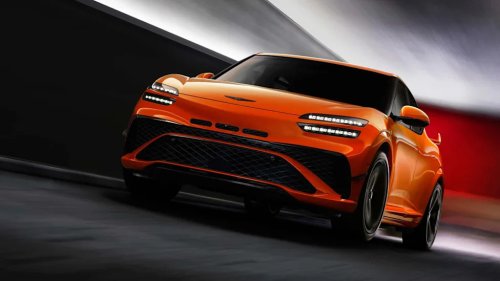
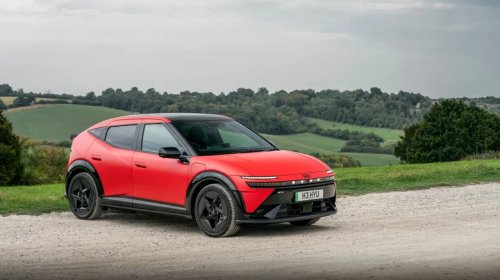
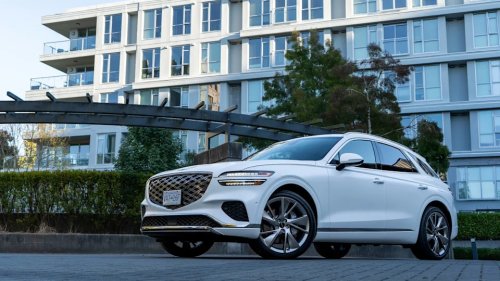
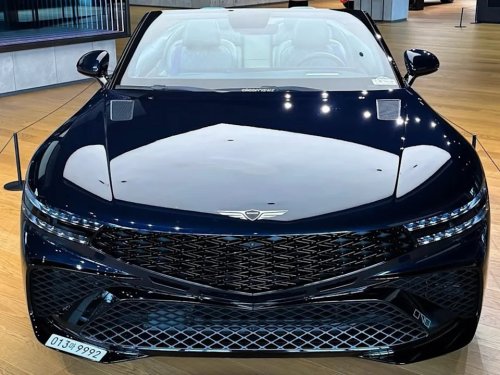
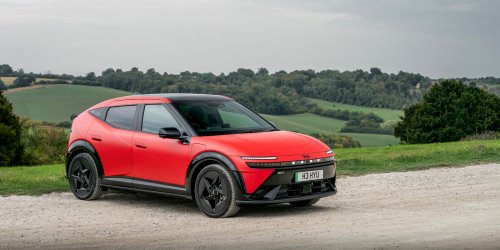
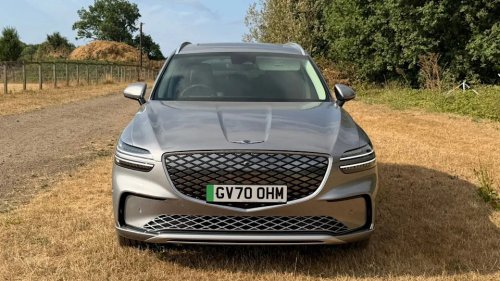
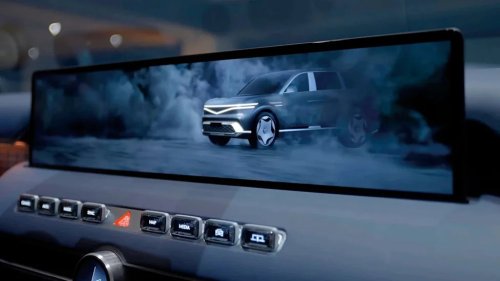
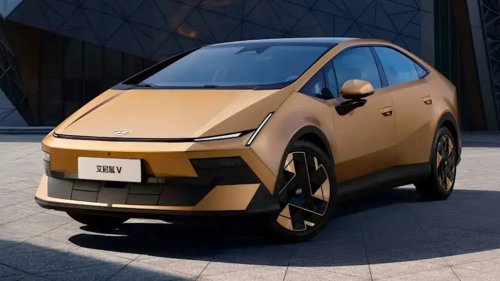
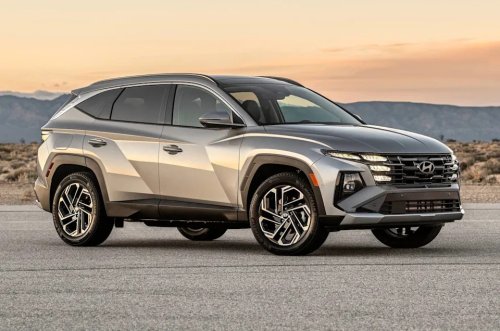
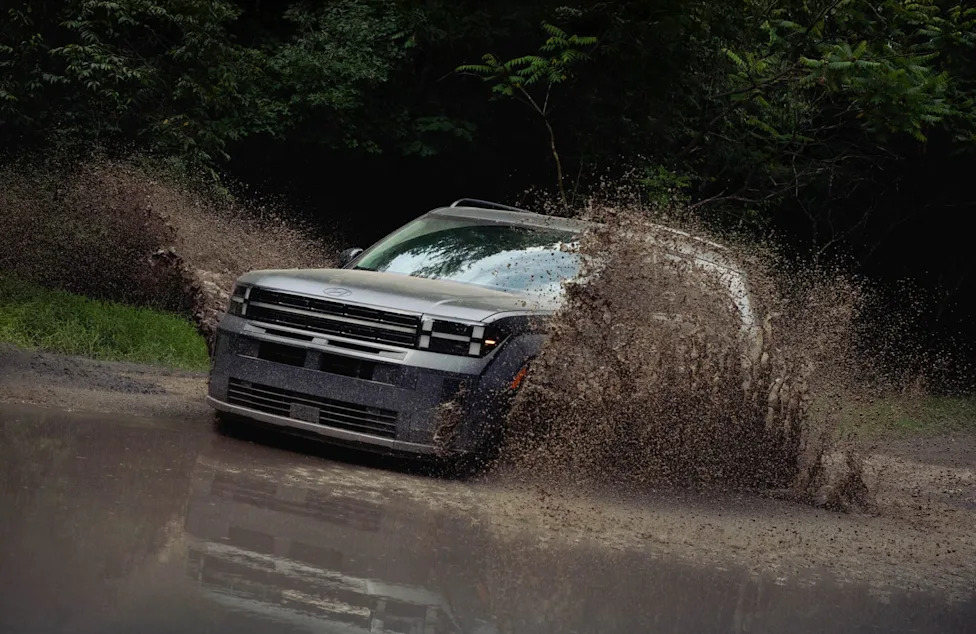
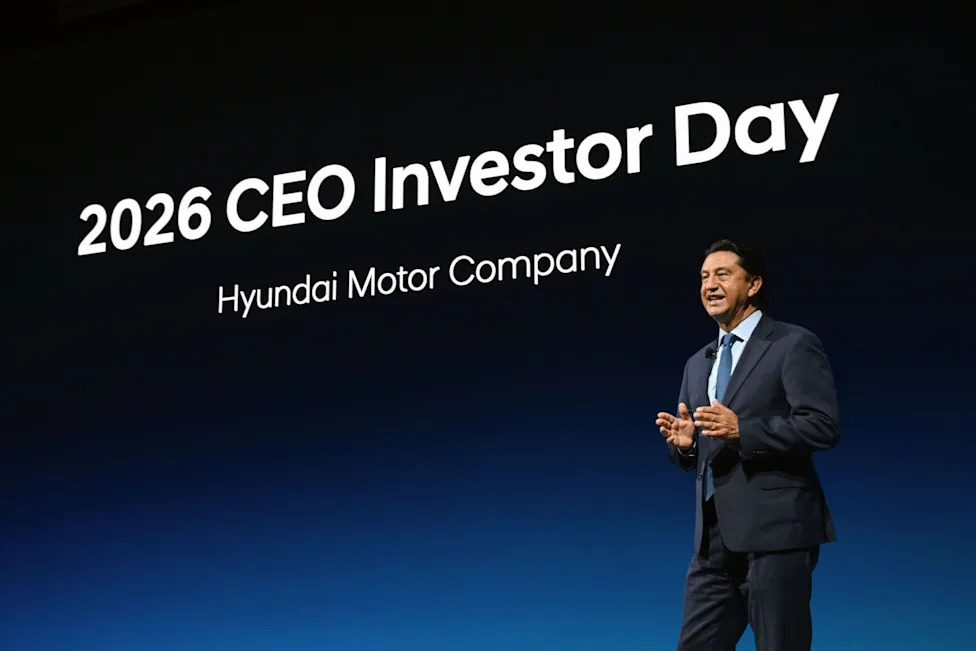
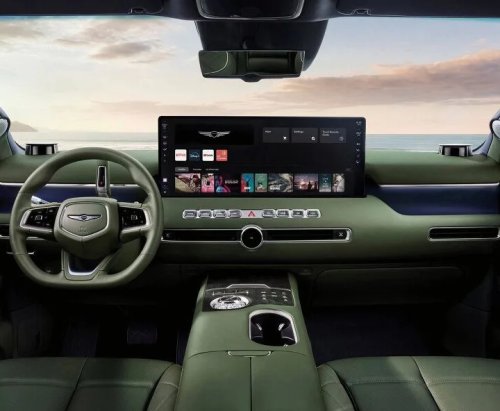
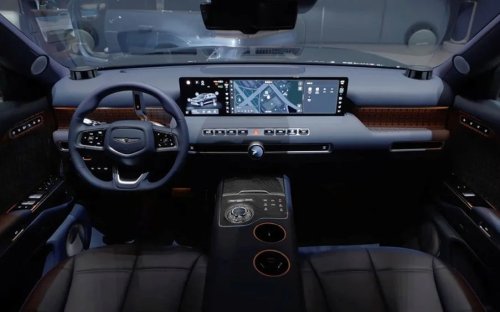
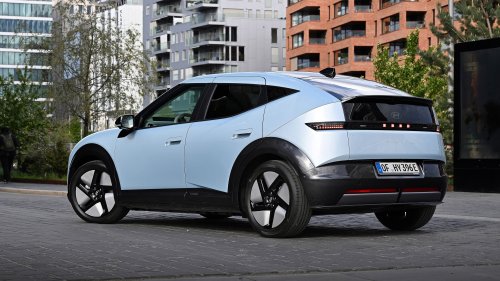
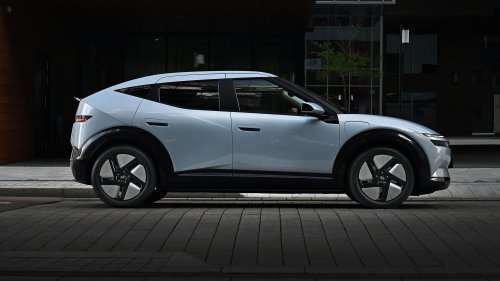
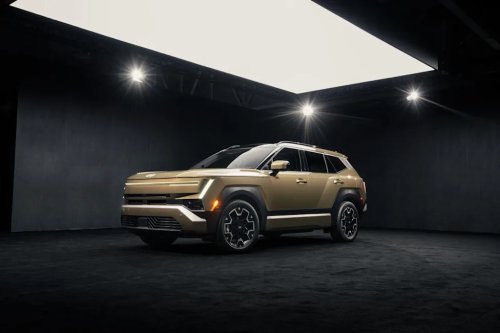
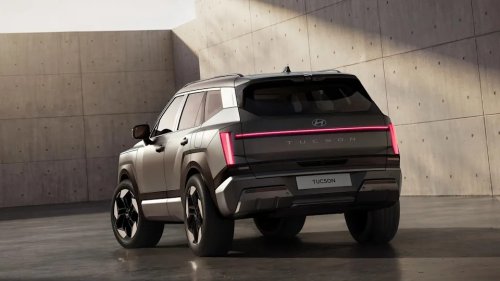
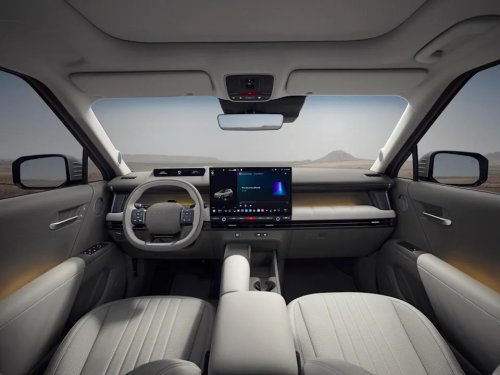
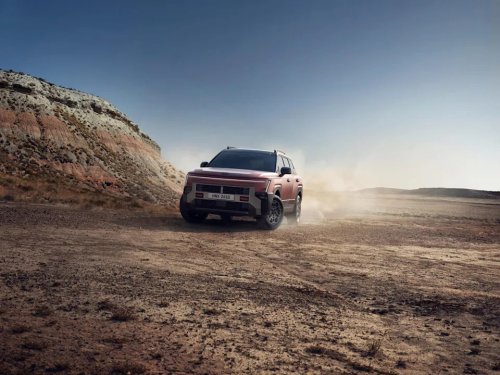
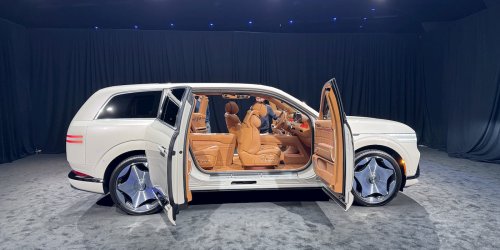
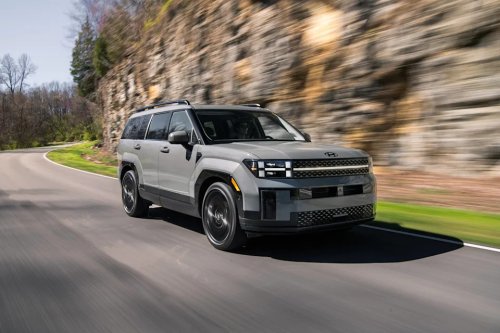
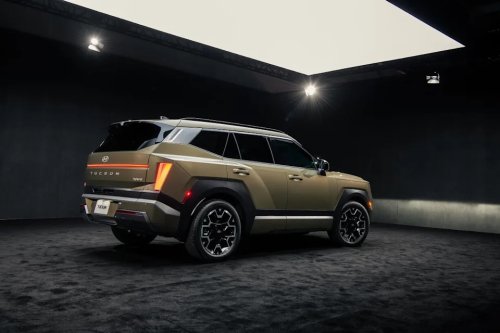
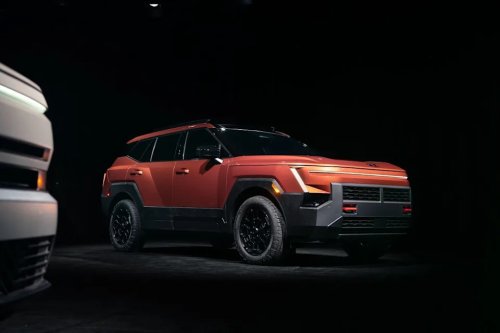
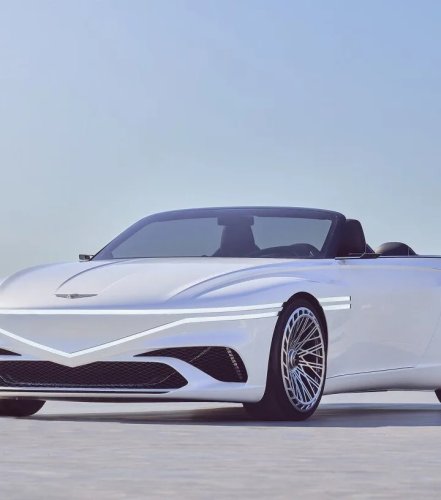
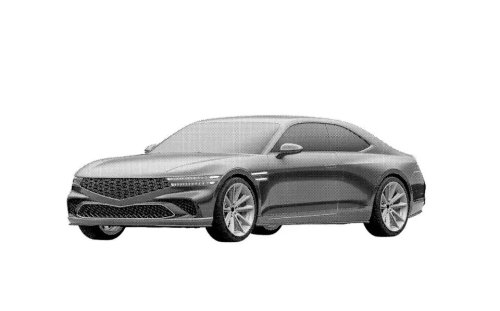
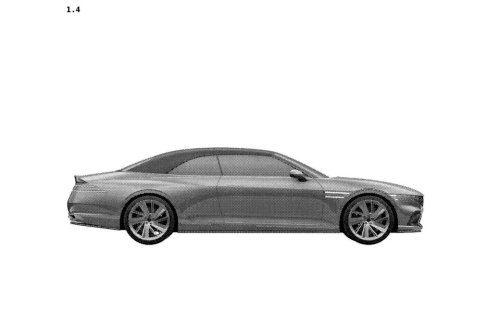
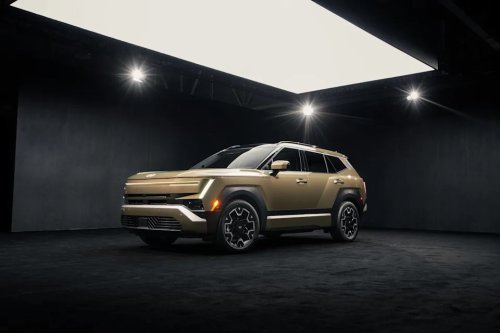
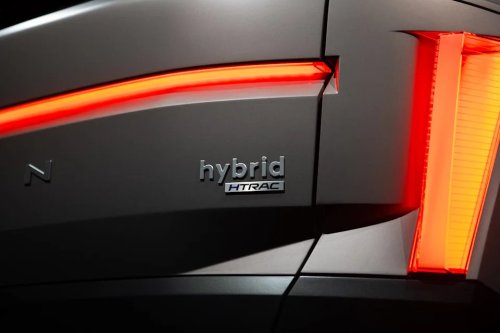
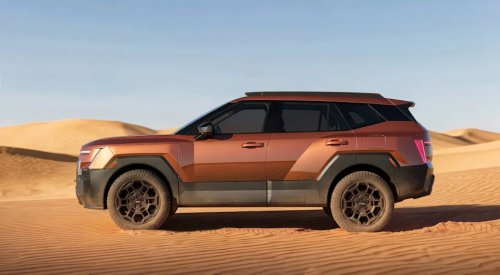
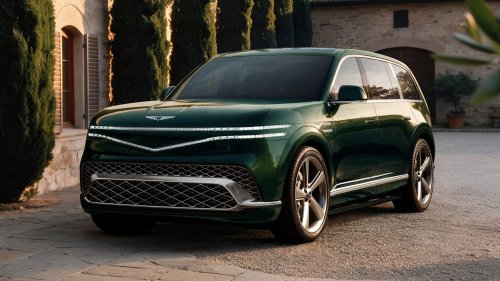
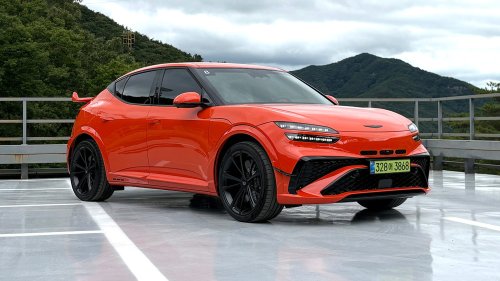
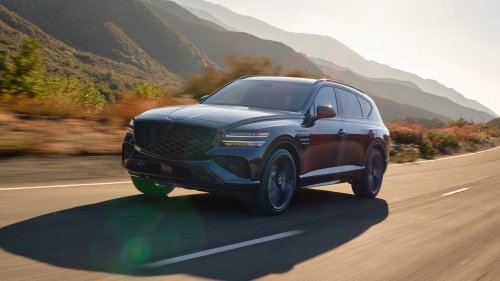
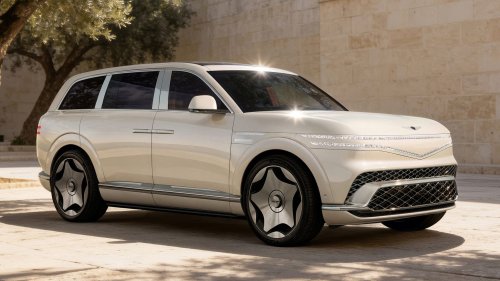
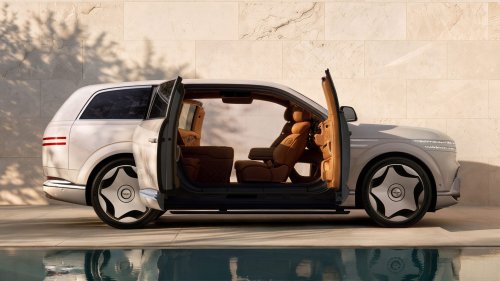
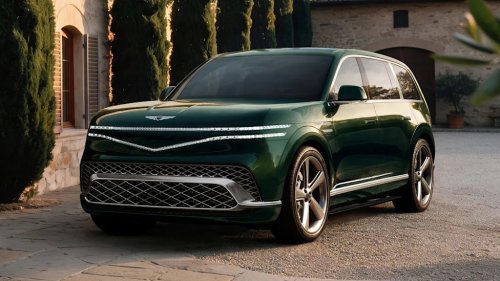
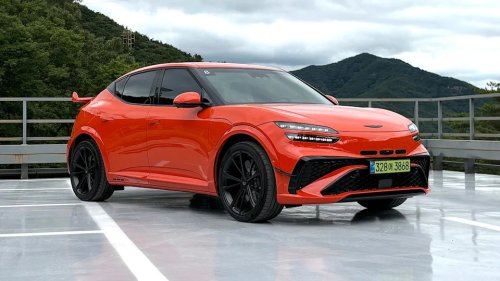
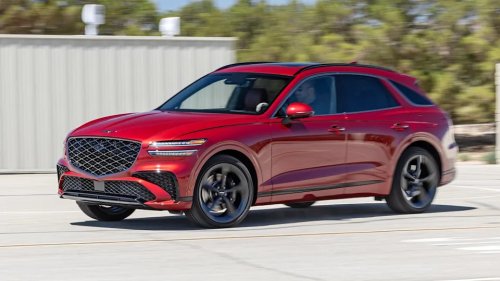
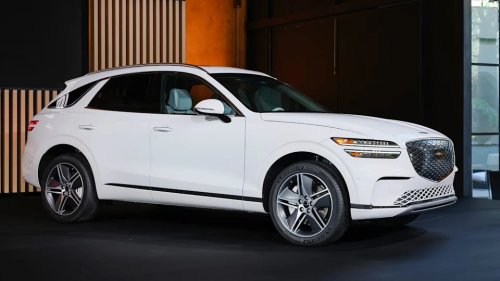
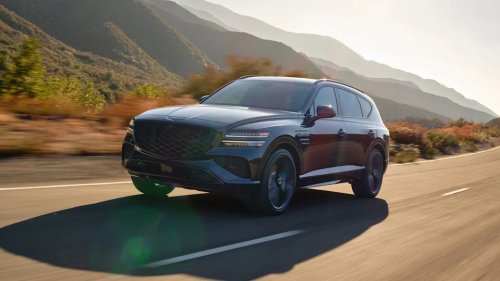
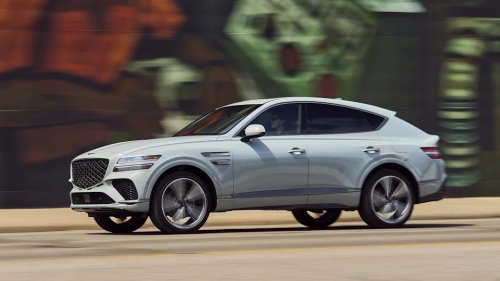
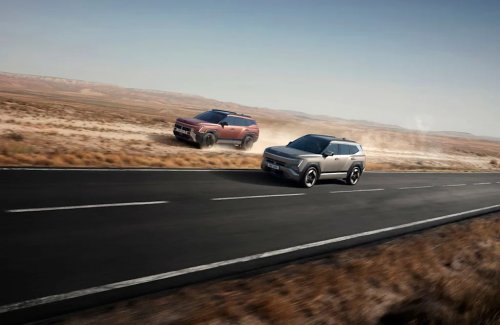
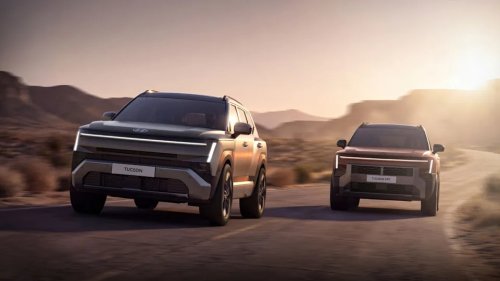
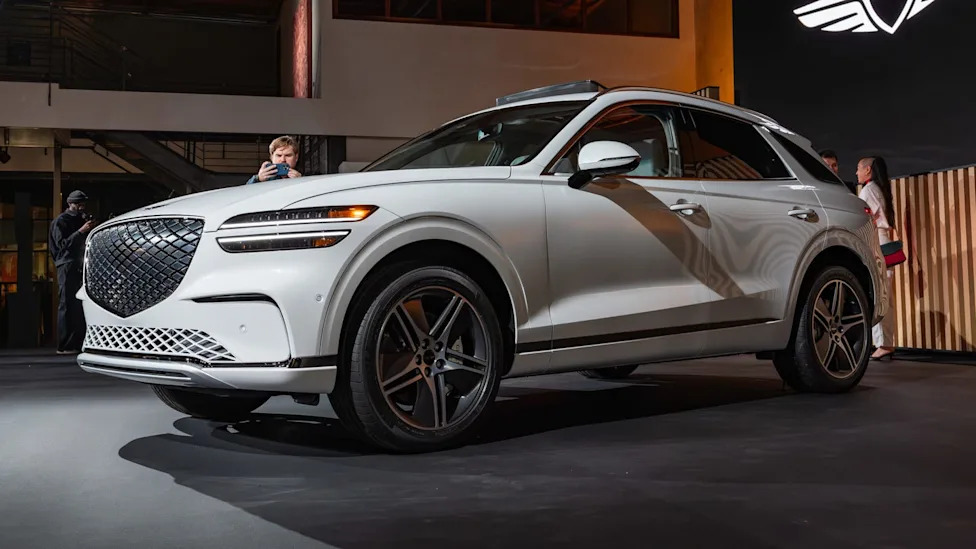
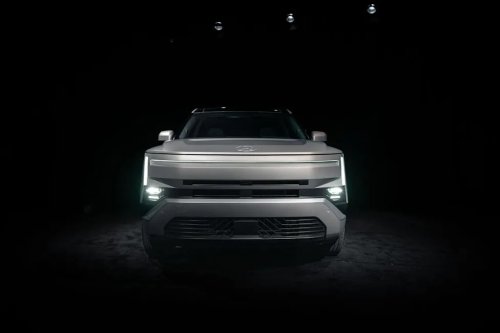
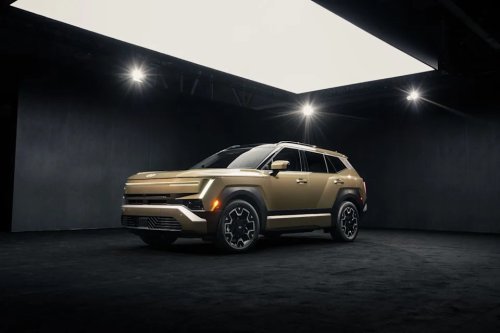
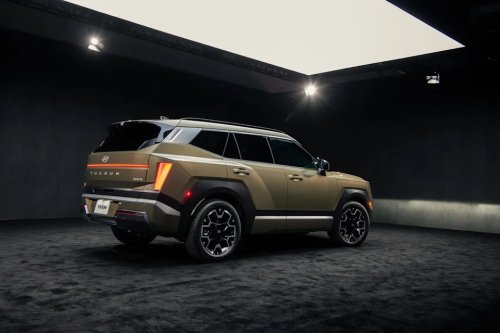
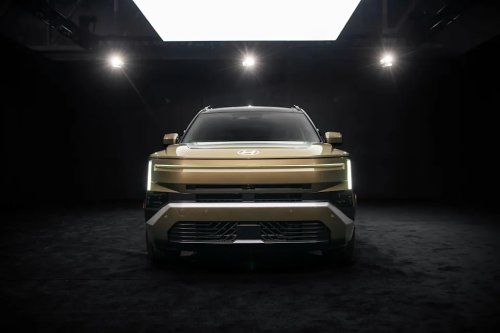
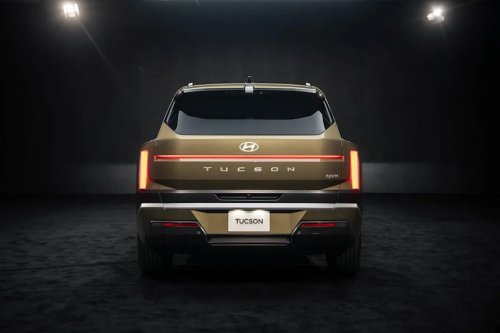
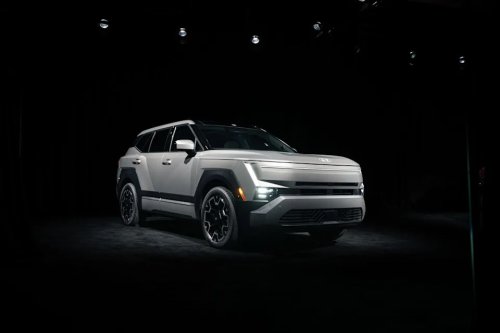
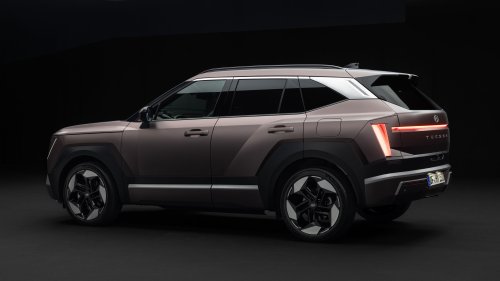
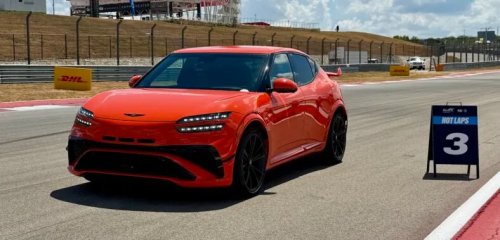
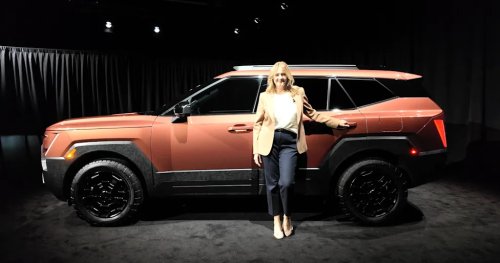
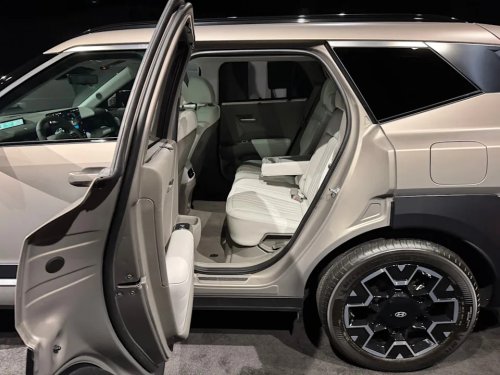
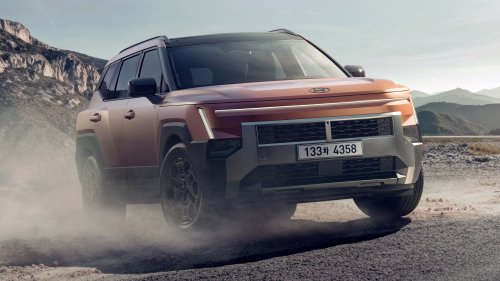
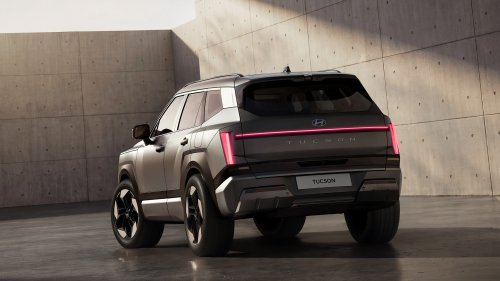
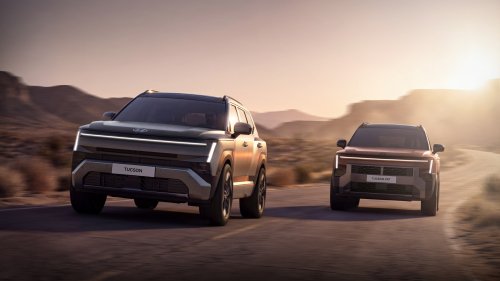
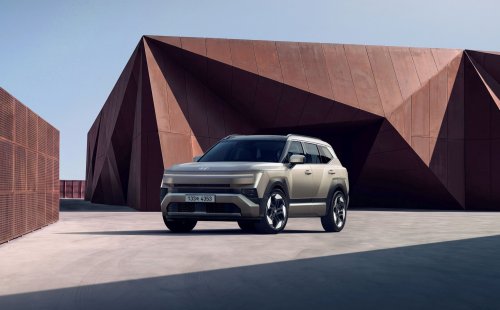
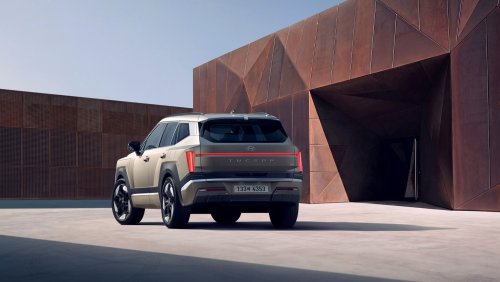
Hyundai, Genesis EREVs Coming in 2027DAVID MASEMOREHyundai and Genesis have big plans in the works to expand their global lineups, with 100 product launches slated across various markets by 2030 according to a roadmap laid out during the automaker's 2026 CEO Investor Day presentation. Part of that expansion is set to include the arrival of new range-extended electric vehicles under both brands in 2027, with the all-new Santa Fe EREV officially confirmed for U.S. production starting that year. Here's everything we know so far about these upcoming electric-vehicles-with-a-twist.According to the automaker, Hyundai will launch the first of its EREV offerings in the first half of 2027 as part of a seven-vehicle rollout planned over the next eight months. The Santa Fe EREV is already earmarked for U.S. production at the brand's Alabama factory. Genesis will also receive a yet-to-be-named EREV offering on a similar timeline, with that vehicle also slated to fit into the crossover segment. The Santa Fe is said to offer an estimated total range of more than 600 miles, whereas the Genesis should see a figure in excess of 640 miles.HyundaiBoth machines will benefit from the brand's latest battery technology, which centers around in-house developed cells. Hyundai says these new cells have double the output of the previous units, and can improve charging speeds by as much as 40 percent; the brand adds that this will allow for the use of smaller batteries, without sacrificing performance or range. Other EVs launching in 2027 will come with mid-nickel NCM cells, which reduce battery cost to the manufacturer by around 30 percent. (No word on if those savings will be passed along to you, the buyer.)AdvertisementAdvertisementThe new cells aren't the only changes coming to the batteries in the EREV models. Hyundai is also targeting an average of 20 percent improvement in battery longevity, thanks to updates coming to cloud-based battery management systems for 2028. The system also will receive a new Thermal Runaway Protection setup, which limits the risks of a battery fire in the event of a crash or cell failure.Given that the Santa Fe is Hyundai's best-selling offering here in the States, the idea of an EREV version makes a lot of sense. Such a vehicle opens the door to buyers who would not or could not consider a pure BEV, as it still enables long-distance driving using a gas engine while enabling medium-range trips on electrons. (Hence, Kia's decision to put one of these powertrains in an upcoming pickup.) The fact that they will be built in the States is no surprise either, as automakers continue to onshore production in attempts to assuage the tariff collectors. Considering Hyundai has a goal to hit 500,000 unit capacity across its North American facilities, the Santa Fe EREV could turn out to be a major player in the brand's plans.You Might Also LikeIf You Can Only Own One Car, Make It One of TheseThese Are the Most Popular Cars by State



















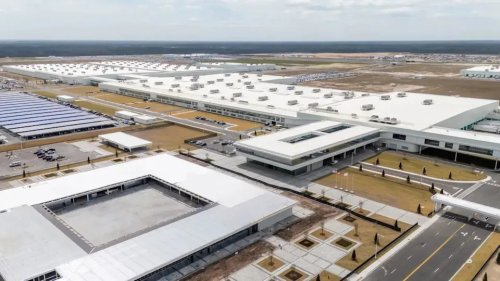
 +74 others

![Hyundai is testing a smaller EV — could it be the IONIQ 4? [Video]](https://cdn.topcarnews.net/thumb/id/aHR0cHM6Ly9pMC53cC5jb20vZWxlY3Ry-ZWsuY28vd3AtY29udGVudC91cGxvYWRz-L3NpdGVzLzMvMjAyNi8wMi9IeXVuZGFp-LUlPTklRLTEtRVYtZnJvbnQuanBlZz93-PTE1MDAmYW1wO3F1YWxpdHk9ODImYW1w-O3N0cmlwPWFsbCZhbXA7c3NsPTE/62d7459438201b3f1399106554e467d7.jpeg?t=20261006&post_id=68203)