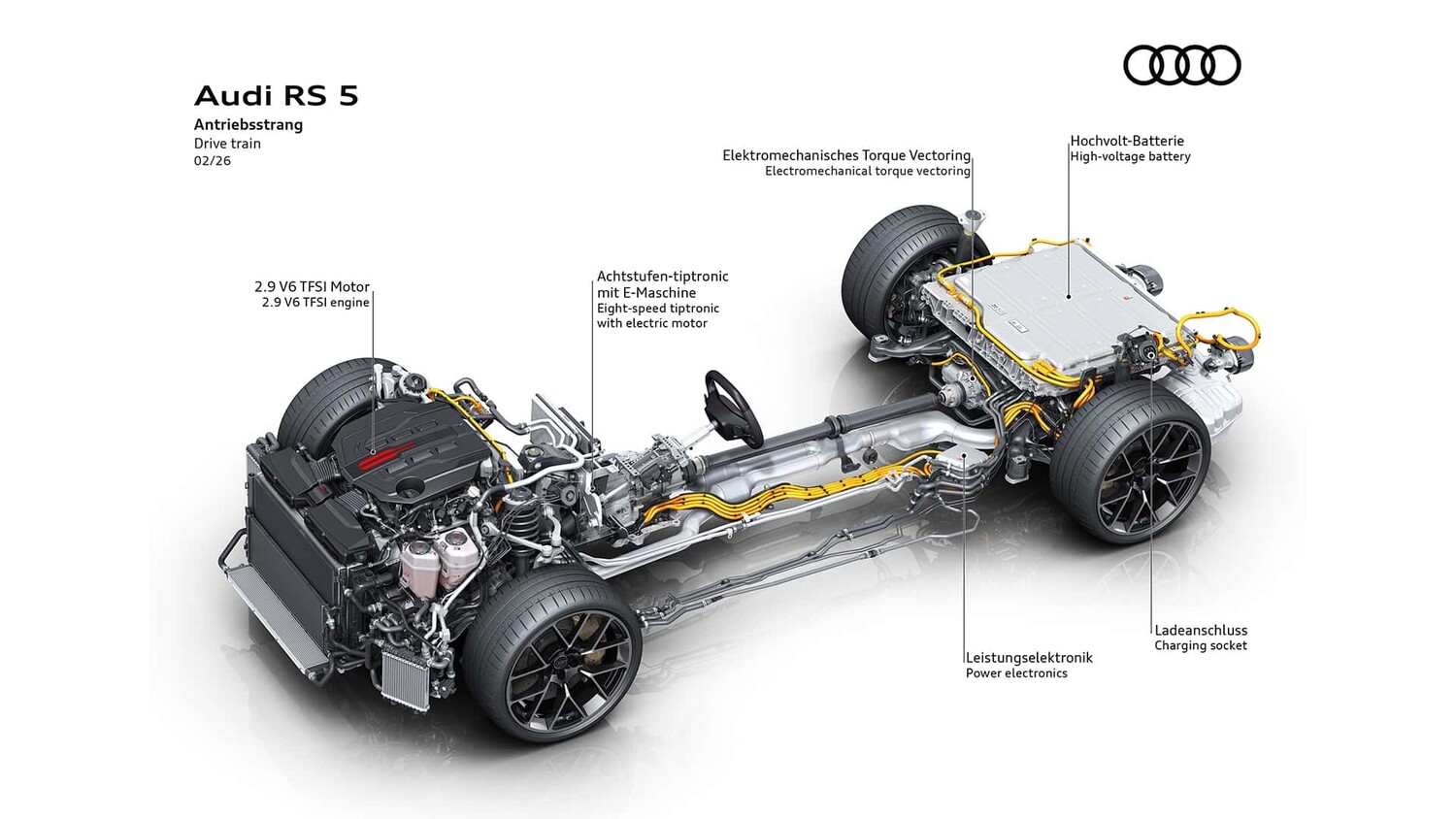
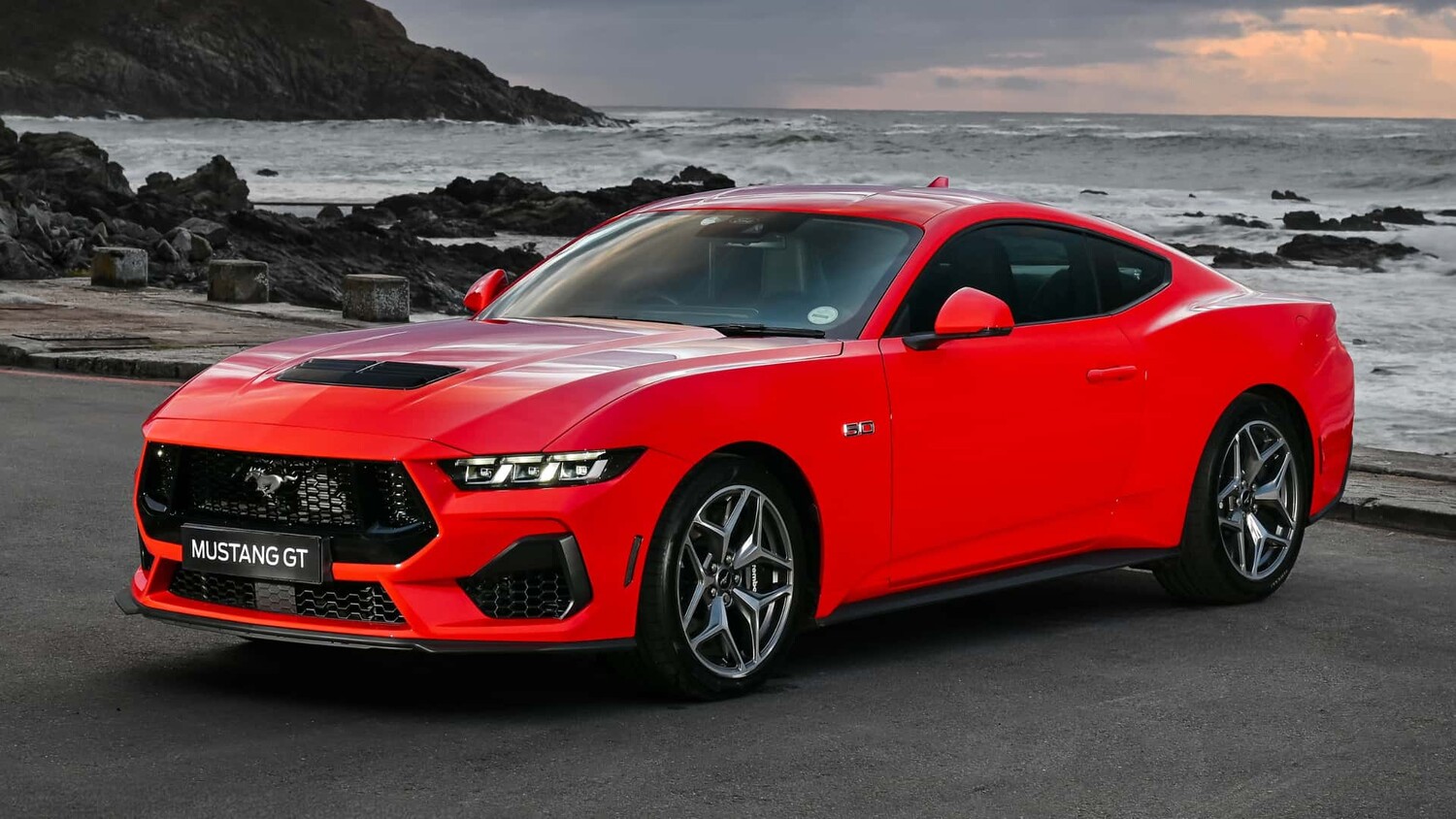
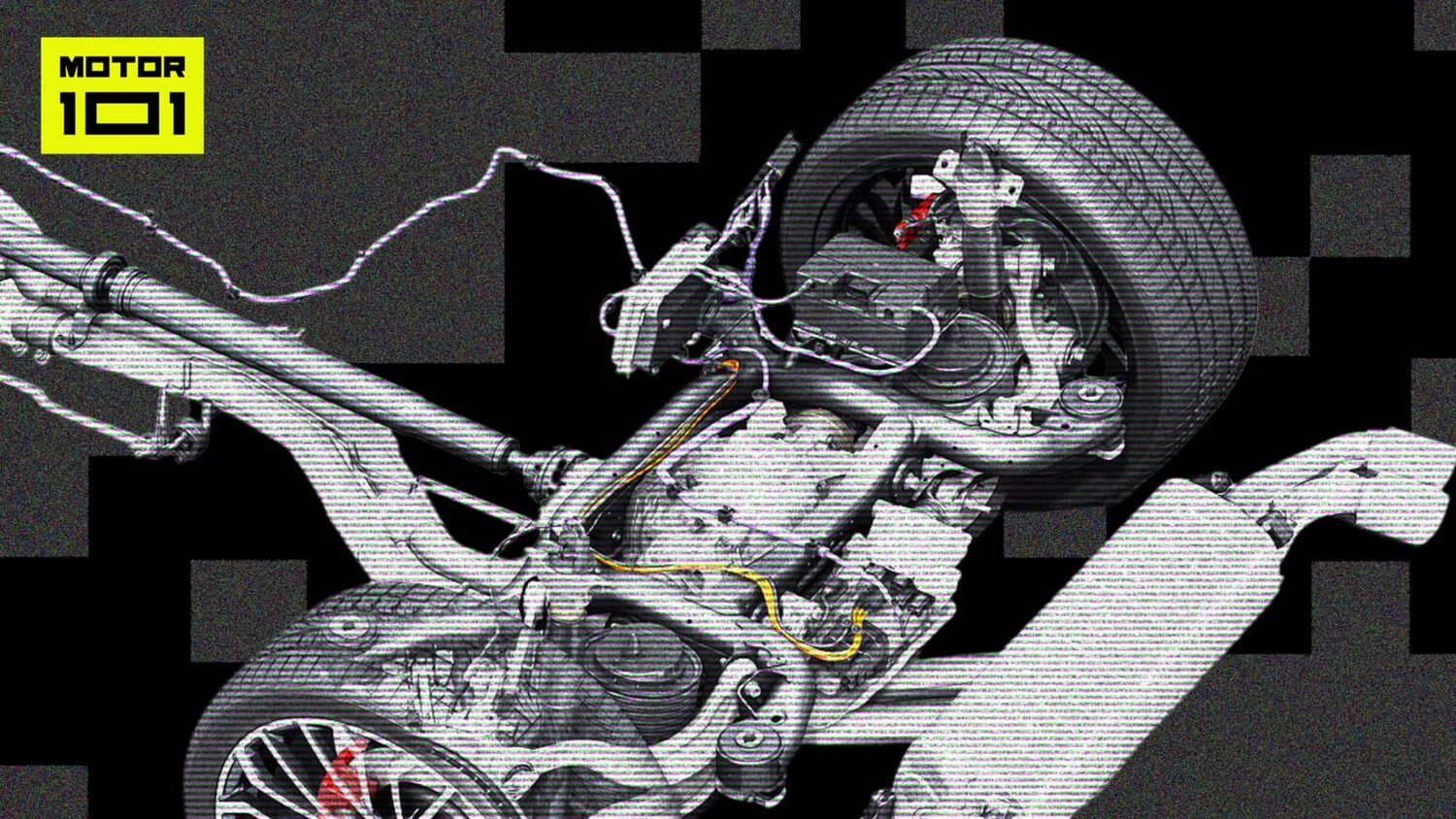
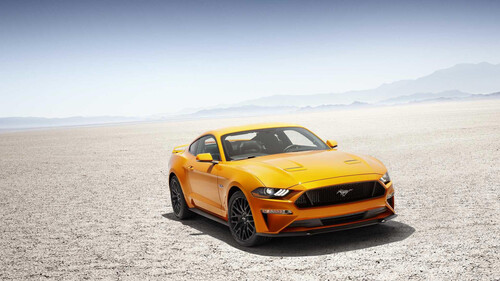
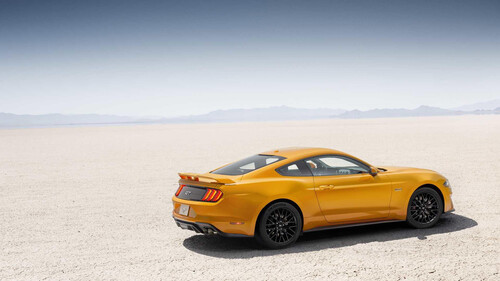
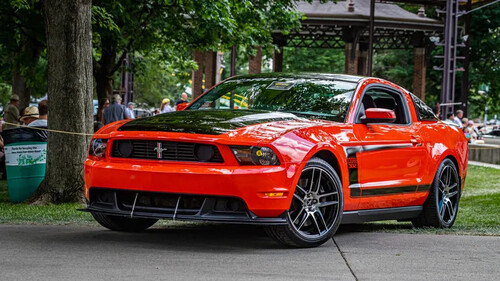
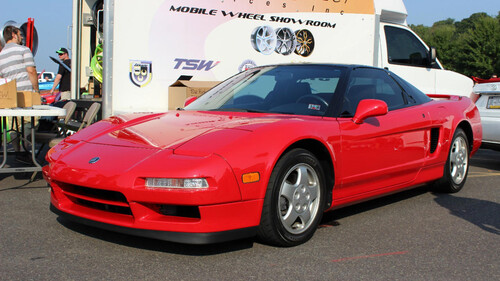
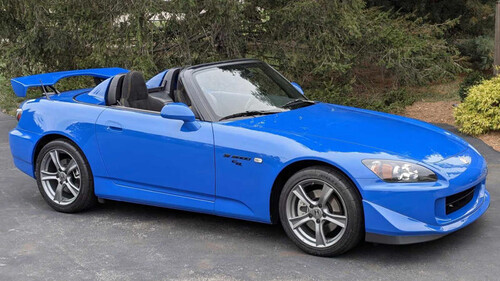
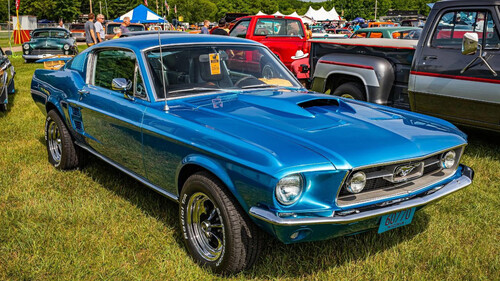
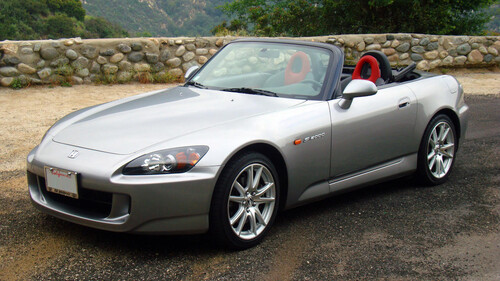
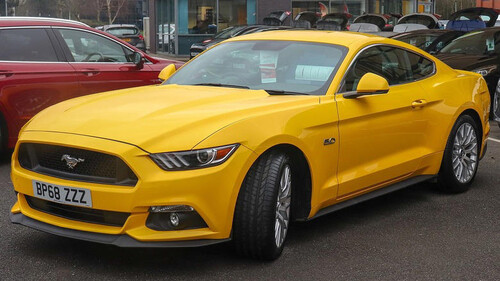
I got into an animated discussion the other day with some friends—how the hell is it that Ford Mustangs with a ton of power on paper always make so little power at the wheels? It’s always something dismal, like 600 wheel horsepower for an engine that makes 850. How does that happen? Well, we always hear about the common 15 percent drivetrain loss explanation, but nobody ever really explains it. I wanted to see if that 15 percent guiding principle is right, though expressing drivetrain loss as a percentage is fundamentally wrong. Allow me to explain in this latest installment of Motor101. Where Does Horsepower Go? So what is drivetrain loss? Basically, it’s the horsepower it takes to spin parts of the drivetrain. That includes the transmission, driveshaft, differentials, transfer cases, half-shafts, wheels, tires, hubs, and brake rotors. Each one of those items takes a fixed amount of horsepower to overcome its natural friction, and each part carries its own inertia. So what is drivetrain loss? Basically, it’s the horsepower it takes to spin parts of the drivetrain. Some of the parts, like the differential or transmission, may have friction that increases with speed, which is where the percentage comes from. But the truest expression of drivetrain loss can be expressed more in the amount of horsepower rather than the percentage of horsepower—just because you increase the amount of horsepower your car makes, doesn’t mean you increase the drivetrain loss. How Much Horsepower Does Each Part Require? Ford Mustang GT The losses are much more of a function of the strength of the drivetrain. Generally speaking, stronger drivetrain parts, like transmissions, diffs, and axles, are heavier. Heavier parts take more energy to spin, thus requiring more horsepower. Taking our Mustang example. A 5.0-liter Mustang GT or Dark Horse has a pretty stout drivetrain. The Getrag MT-82 has a reputation, but it still takes 480 hp’s worth of abuse. The Tremec in the Dark Horse is good for the 500 hp it makes, and it was also used in stuff like Vipers and GT500s, both of which had power deep into the 600s. The transmission is overbuilt to hell. That amount of strength takes a bit of power to turn, simply because the gears are wider, and the gearbox shafts are heavier. That gearbox weighs about 125 pounds, and a good portion of that is the internals. Then, there’s usually a decently heavy flywheel and clutch, likely weighing around 20 pounds. That cascades into the rest of the drivetrain. The driveshaft that sends power to the rear differential has to handle the horsepower, so it has to be big. Then, the Mustang 8.8-inch rear end is famously strong, but also lossy because of its size. The ring and pinion gears within the diff can weigh as much as 50 pounds. Heavier parts take more energy to spin, thus requiring more horsepower. Then, the axles from the diff to the wheels take horsepower to turn. But the biggest contributors are the wheels, tires, and brake discs. A single wheel and tire can weigh 50 pounds, plus a 10-pound rotor. Roughly, the engine has to turn a good 200 pounds of drivetrain inertia before the horsepower even makes it to the ground. In the case of the Mustang, likely more. The average Dark Horse, which is advertised at 500 hp, will make around 380-420 horsepower to the wheels. So we can say a Mustang’s drivetrain takes 120 hp to spin, around a 20 percent loss. The discrepancy in numbers simply comes from the dyno and the conditions; temperature and humidity effect real world horsepower. The dyno itself can be hugely variable, too. In contrast, let’s think about a lightweight car with modest power, like a Honda S2000. That car is advertised at 240 hp, and will make 200 hp at the wheels. Everything in the drivetrain is engineered to deliver 240 hp, which is substantially less. An S2000 gearbox weighs around 100 pounds, the gears within the diff weigh around 40 pounds, and the wheels and tires are around 30 pounds a piece, plus a 5-pound rotor. All of that apparently takes 40 hp, or around 17 percent of the drivetrain. So, 15 Percent Is Kinda Right? As it turns out, 15 percent is a decent guiding principle. For a drivetrain that scales with horsepower, it does make sense. Theoretically, though, if you were to supercharge your Mustang or S2000, you wouldn’t lose more power. The drivetrain loss is fixed, not a percentage of overall output. It’s interesting to think about how much horsepower cascades into other systems. So yes, 15 percent is actually kind of right. But we can express it more accurately—and that’s always better. FAQs What is a car’s drivetrain? The drivetrain is the system that transfers power from the engine to the wheels. It typically includes components like the transmission, driveshaft, differential, axles, and wheels. Essentially, it’s everything that makes the car move after the engine generates power. What is drivetrain loss? Drivetrain loss refers to the amount of power that is lost as it travels from the engine to the wheels. This happens due to friction, heat, and mechanical resistance in components like gears, bearings, and the driveshaft. How much drivetrain loss is normal? It depends on the type of drivetrain. Front-wheel drive (FWD): ~10–15% loss. Rear-wheel drive (RWD): ~15–20% loss. All-wheel drive (AWD): ~20–25% (or more). More components and complexity usually mean more power loss. Why does drivetrain loss happen? Drivetrain loss occurs because no mechanical system is perfectly efficient. As power moves through components like the transmission, driveshaft, and differential, some of it is lost to friction between moving parts, as well as heat generated during operation. Additional energy is also required to spin heavier or more complex components, especially in systems with more moving parts. All of these factors combine to reduce the amount of power that ultimately reaches the wheels. Can drivetrain loss be reduced? Drivetrain loss can be reduced to some extent, but it cannot be completely eliminated. Improving efficiency typically involves using high-quality lubricants to minimize friction, keeping all drivetrain components properly maintained, and in some cases upgrading to lighter or more efficient parts. While these steps can help more power reach the wheels, some level of loss will always be present due to the inherent limitations of mechanical systems. We want your opinion! What would you like to see on Motor1.com? Take our 3 minute survey. - The Motor1.com Team