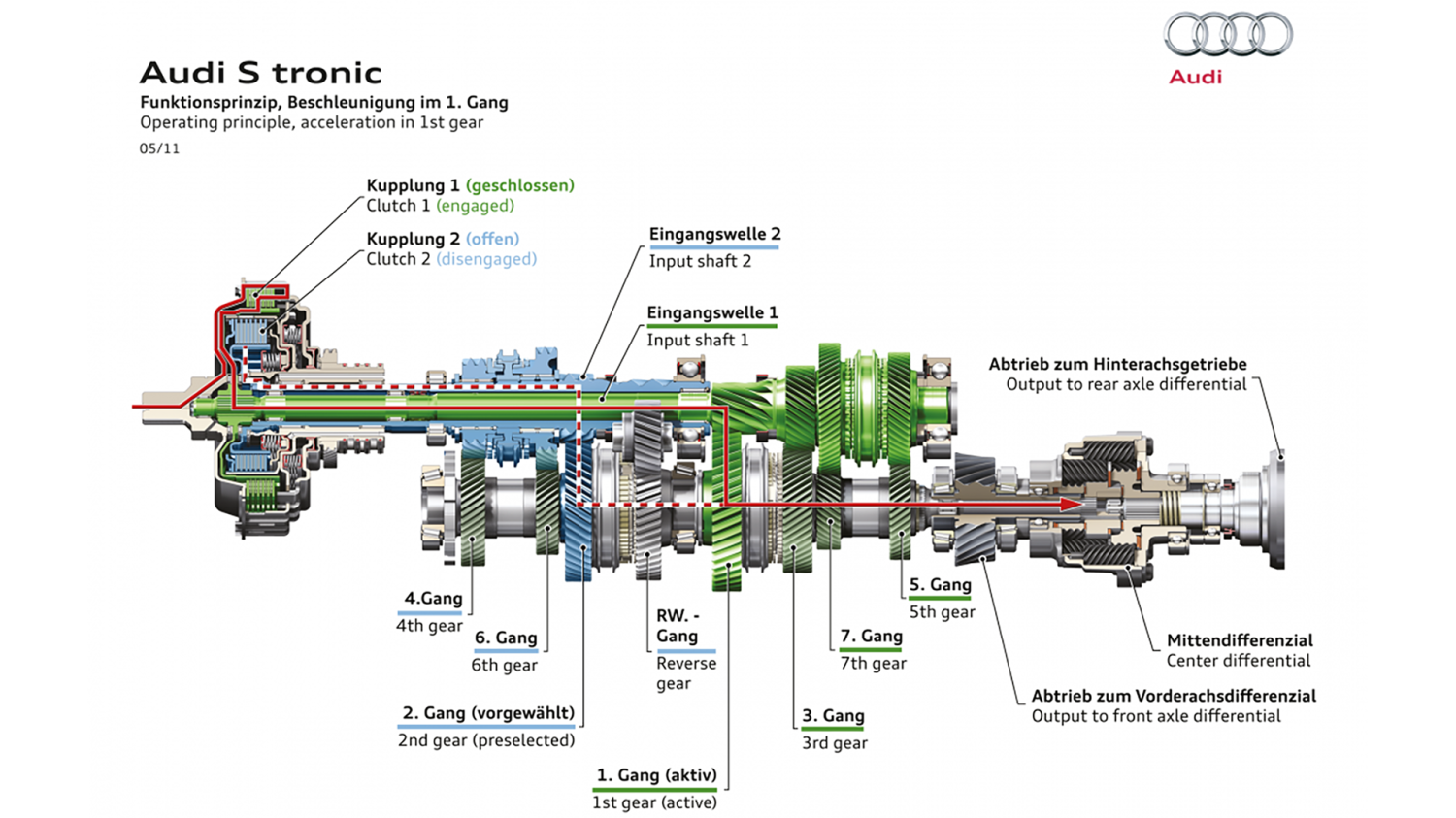
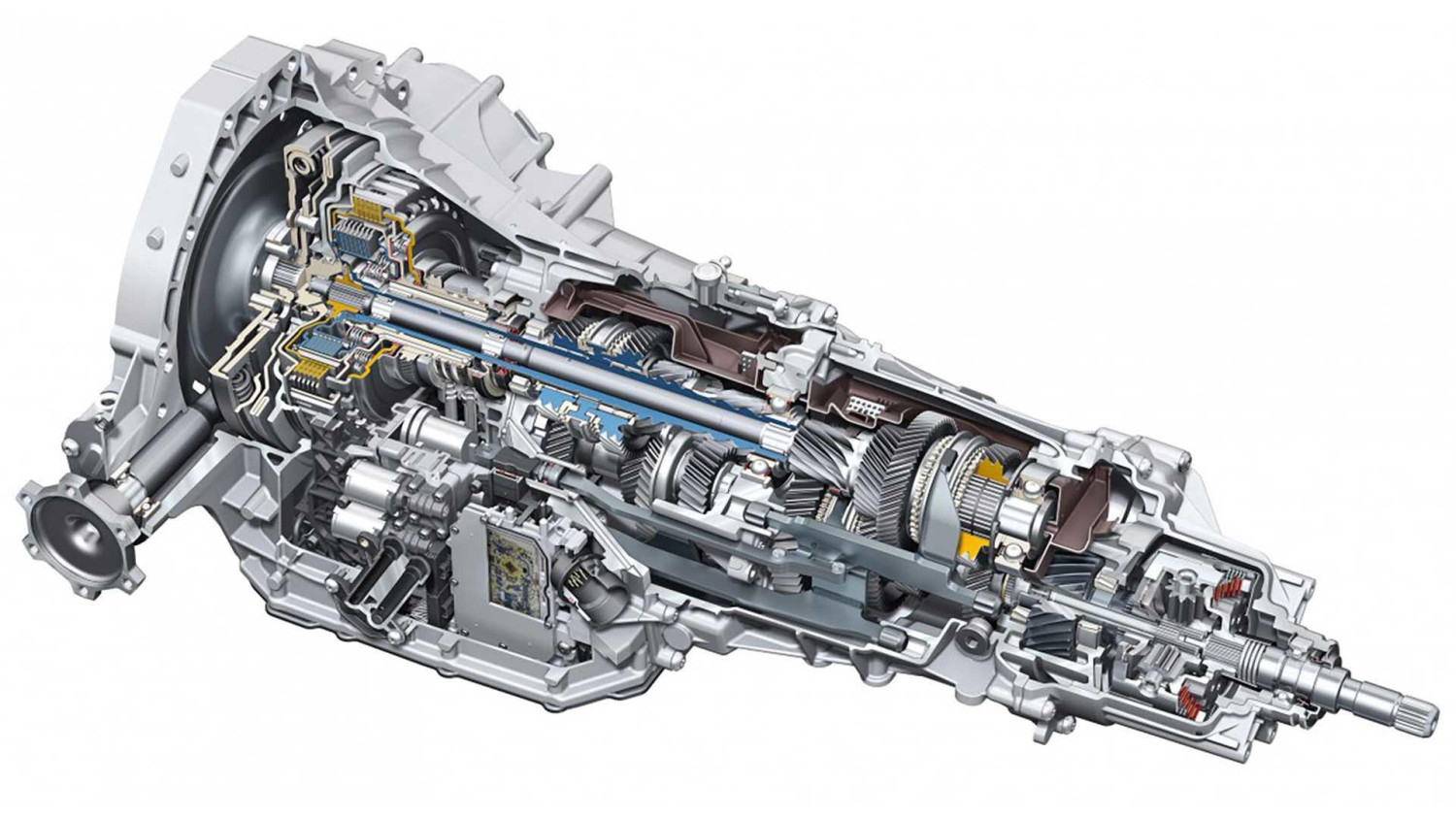
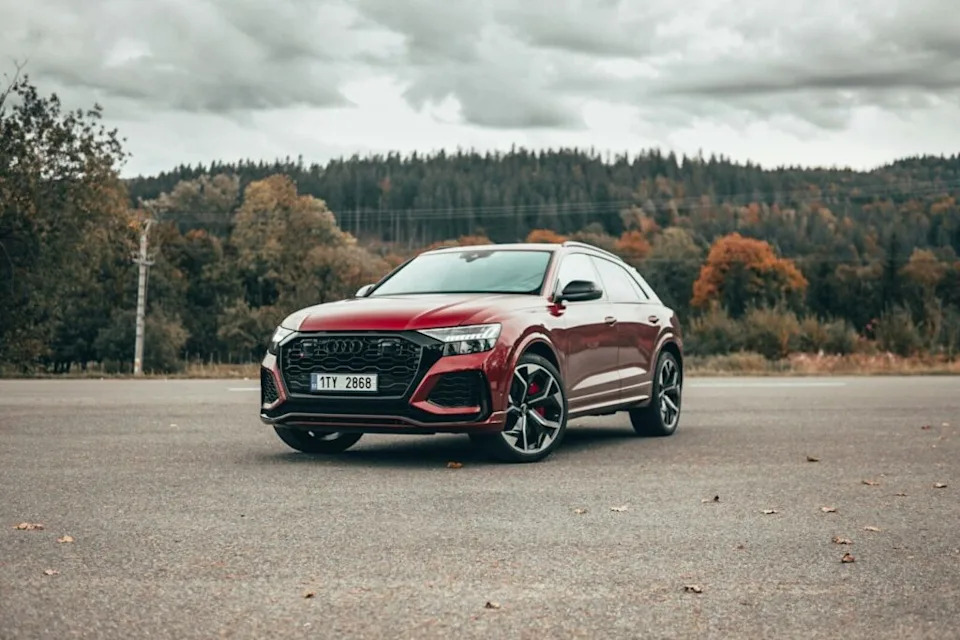
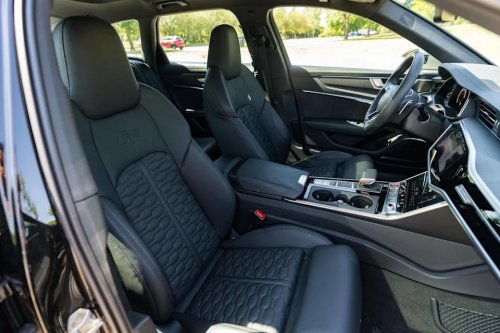
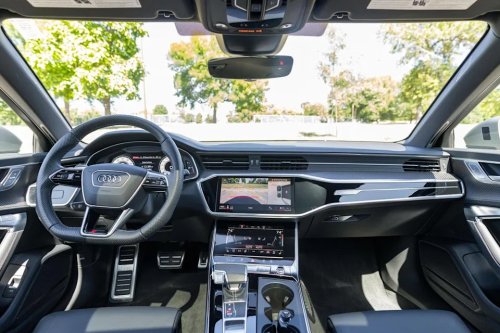
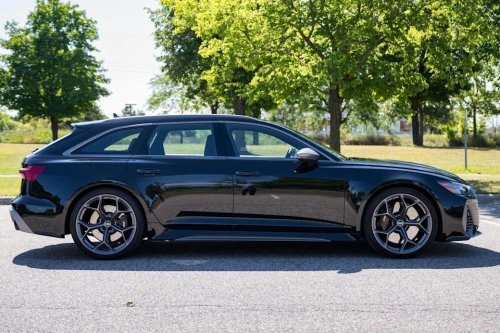
The beauty of the dual-clutch transmission is that having two clutch discs and two sets of gears means shifts that are far quicker than what any manual transmission or torque converter automatic can accomplish. It can change gears in fractions of a second, but Audi has decided that simply isn't quick enough.The CarBuzz research team has just uncovered a new patent that would make the time taken to change gears feel like nothing at all. We know... but it's not a manual! Sorry, purists, the dual-clutch is amazing. Props to Audi for trying to make it better. Two Clutches, No More Waiting Audi Inside every dual-clutch transmission there are two clutches and two sets of gears. In Audi's case, the odd-numbered gears are connected to one input and output shaft, and the even numbers another set of shafts. That's how they change gears so quickly. When the car's computers know you're about to go from one gear to another, the new gear is lined up, and the clutch is waiting for the exact moment to engage.In this new patent, Audi engineers have devised a way to eliminate the waiting period. So, instead of taking 0.2 seconds between the disengagement of clutch one and the engagement of clutch two, clutch two is already closing while one is releasing.This patent might use the term "kiss point" more frequently than any other government document ever created. It refers to two different moments, one being the moment that the clutch disc touches its flywheel on engagement, the other being the inverse when it is disengaging.It's a key moment, because getting the clutch to that kiss point before the actual shift is one of the ways to trim out the barely perceptible time lag that Audi is addressing. Another is to start to move the new gear into place before the shift. Taking up the tiny amounts of slack in the system. Will You Notice An Even Shorter Shift? Audi Engaging the new gear before the change starts lets the transmission computer overlap the engagement and disengagement of the two clutches. Doing that lets the shift happen without cutting torque to the transmission at any point. Essentially, both clutches are slipping during the overlap, but the time is so short that it's not noticeable or damaging. In theory, anyway. Ideally, the shift time would be reduced to effectively zero.How much time are you actually going to save on a race track with shifts that are zero seconds instead of 0.2? Probably none. That might not be the point, though. Making shifts quicker than ever, especially while in sport mode, will make the cars feel quicker and better to their drivers. And naturally, there are bragging rights to any automaker that can claim instant shifting.Having a seamless gear change means no torque interruption. Output will still change as the engine RPM changes, so it won't suddenly feel like the unending rush of an EV. It will, though, feel quicker. Quick enough that Audi might have to program back in some time so that the exhaust on a model like the RS3 still has time to pop.This new patent might not have potential for many Audi Sport vehicles, though. Many of those, including the RSQ8 and RS6, already use torque converter automatics instead of the DCT. We'll have to wait and see.Patent filings do not guarantee the use of such technology in future vehicles and are often used exclusively as a means of protecting intellectual property. Such a filing cannot be construed as confirmation of production intent.Source: US Patent & Trademark Office