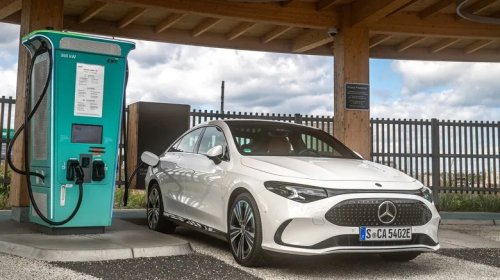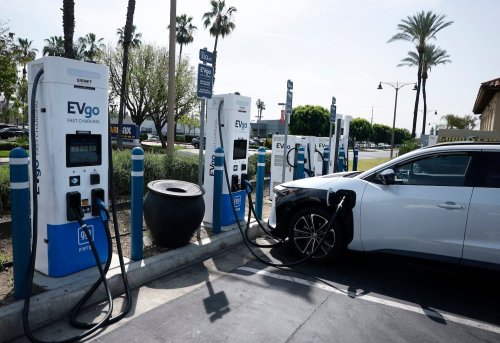



















What are the cheapest, priciest states for EV ownership?A new study by personal finance platform MoneyLion broke down the average six-year ownership cost by state, which included the annual charging costs, auto loan and interest.The top five cheapest states all had one thing in common – no sales tax. Delaware was cheapest, followed by Oregon, Montana, New Hampshire and Alaska, respectively.The study used an average EV price of $55,211 and assumed a 13.5% down payment ($7,453), and then found the 6-year total cost including charging and loan with interest.Editor’s note: Costs may vary over timeAdvertisementAdvertisementThe annual charging cost, based on an assumed 1,000 miles per month and a 245-mile average charge, also varied significantly by state – Kansas was on the low end at $901, compared with West Virginia at $1,593, for example.The study found that the five most expensive states for EV owners were Washington, Tennessee, California, Illinois and Louisiana, respectively.But does owning an electric vehicle really save money when compared to gas cars? The answer is yes, experts say.Drivers who fill up at the pump are vulnerable to geopolitical and other events that can cause wild swings in the price of gas, as evidenced by the Iran war’s effect on Americans’ wallets.AdvertisementAdvertisement“Residential electricity prices are regulated and are much less volatile than gasoline prices,” University of California, Davis economics professor Erich Muehlegger told The Associated press. “As a result, EV owners are largely unaffected by oil price shocks.”The average cost of a new EV was over $55,200 in April, according to sales data collected by Cox Automotive – a barrier for many when it comes to buying an electric car. The average new gas car for the same month was $49,461.However, those who do will enjoy significant savings over the course of the vehicle’s life, according to experts.“We’re talking about thousands and thousands of dollars,” Peter Zalzal, an attorney with Environmental Defense Fund, said. “And as gas prices increase, those savings are only greater. Fuel costs are a big piece of overall vehicle costs, and increases in fuel prices have significant impacts on people.”AdvertisementAdvertisementCopyright 2026 Nexstar Media, Inc. All rights reserved. This material may not be published, broadcast, rewritten, or redistributed. For the latest news, weather, sports, and streaming video, head to The Hill.