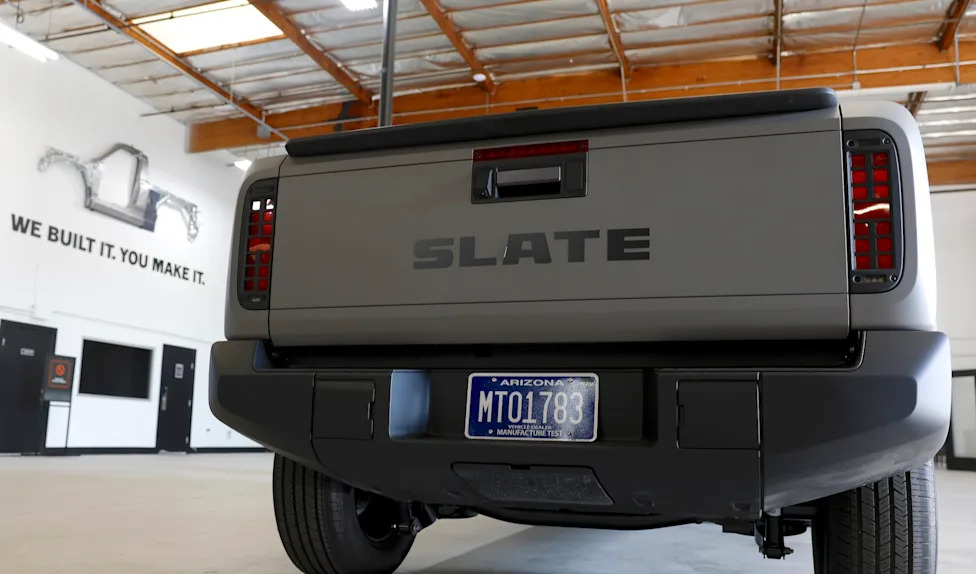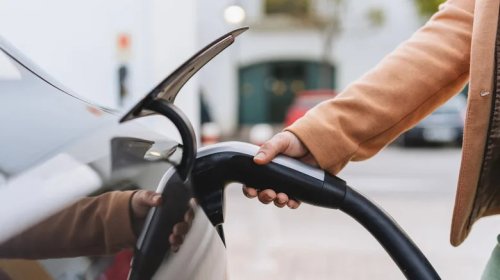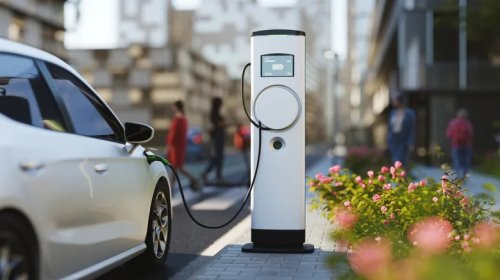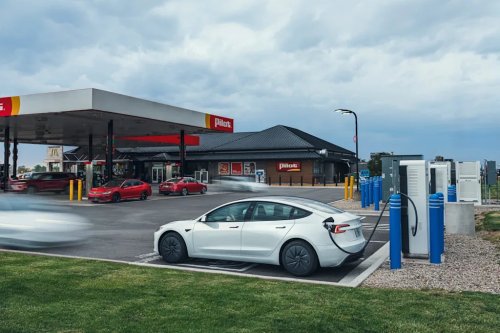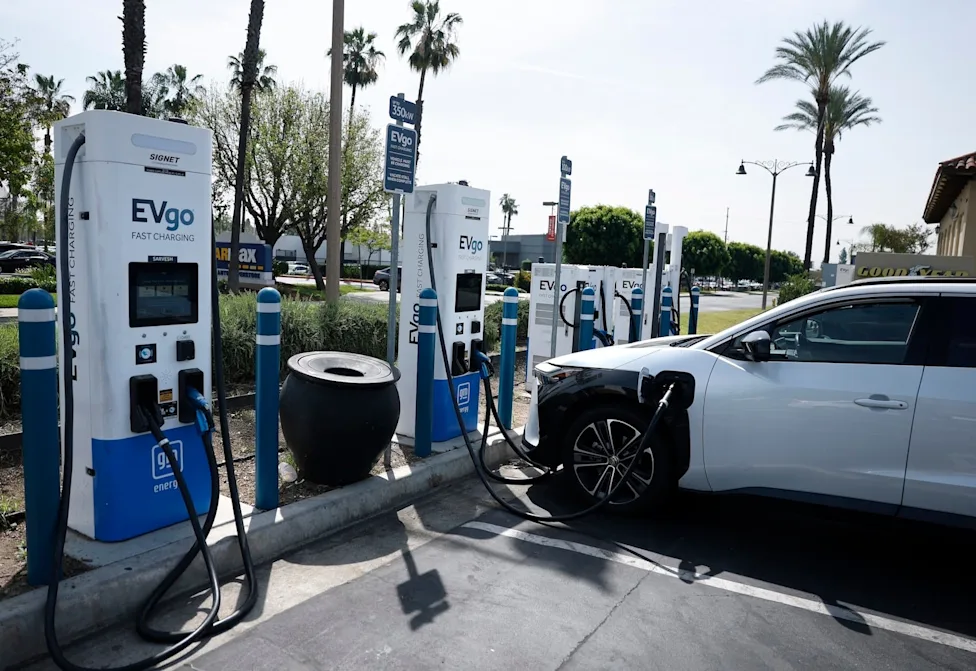



















These states are the best for EV buyers and driversAmerica's EV industry has suffered a series of bad breaks over the last year and a half.The end of federal tax credits for electric vehicles sent sales of new EVs off a cliff last fall. A nationwide buildout of chargers has been slow to get rolling. And the Trump administration has been dismantling air pollution regulations that were nudging the country away from gas cars.But in the absence of a federal push for EVs, several states have been picking up the slack by building strong charging networks, introducing consumer incentives, and adopting other policies that make going electric a sweeter prospect.AdvertisementAdvertisementA new analysis from the Brookings Institution dives deep on what makes a state an EV oasis, and scores states based on how far they've gone to promote vehicle electrification. At the top of its ranking? It's a tie between California and Massachusetts, both of which scored 11 out of 13 possible points for overall EV readiness.Massachusetts, New York, and Connecticut, meanwhile, have three major incentives to encourage average drivers to buy EVs: purchase rebates or tax credits, benefits like toll credits or parking perks, and no annual EV registration fees.What about charging? Massachusetts and New York are the winners here, as they both have robust public charging networks, rebates that help people install chargers, and special utility rates for charging.And yet Massachusetts still has room for improvement, according to Brookings. For one, EV manufacturers aren't allowed to service vehicles in the state, which also lacks a plan for building out EV-charging infrastructure. As for California, the state's annual registration fee for EV owners and lack of special utility rates for charging are weak spots.AdvertisementAdvertisementAt the other end of the spectrum, six states — Indiana, Louisiana, Montana, Ohio, Nebraska, and South Dakota — don't have a single policy in place that's getting them ready for an EV future, according to Brookings. Nineteen more have just a few EV-boosting policies on the books. Clearly state action alone won't be enough to propel the entire U.S. toward a cleaner driving future.More big energy storiesCoal plants forced to stay open aren't producing much powerThe Trump administration has effectively stopped fossil fuel power plants from retiring on its watch, despite the strategy providing little benefit to the power grid and racking up hefty costs.Six power plants, five burning coal and one burning oil and gas, had been slated to retire by the end of 2025, but were instead ordered to stay running to prevent what the administration called an "energy emergency." At least one of those coal plants hasn't operated at all under the emergency order, and another ran for only about two weeks, according to federal data reviewed by Utility Dive.AdvertisementAdvertisementAltogether, the five coal plants produced just 1.5 million megawatt-hours of power during the first quarter of 2026, down 65% from what they generated during the same period last year. At the same time, the plants have racked up hundreds of millions of dollars in costs that could end up coming out of utility customers' pockets.Hyundai is building a massive steel mill in Louisiana. Will its neighbors benefit?Hyundai's plans to build a steel and iron plant in Louisiana could drive a clean revolution — or add yet another polluting factory to an area already known as "Cancer Alley."Canary Media's Maria Gallucci recently visited the rural stretch between New Orleans and Baton Rouge where Hyundai is building a massive facility that will produce steel for automaking. At first, the plant will use natural gas to melt iron into steel — already a lower-carbon alternative than the coal that powers aging steel mills in the Midwest. But Hyundai has said it may later power its furnaces with hydrogen made from renewable electricity.AdvertisementAdvertisementIn the nearby city of Donaldsonville, residents and local leaders told Maria they're skeptical Hyundai will actually follow through. They're already surrounded by petrochemical facilities and oil refineries, and worry this latest factory won't be any better for residents' health or job prospects.Read Maria's thorough take on a complex story to learn more about the perils and promises of Hyundai's green steel plans.Clean energy news to know this weekNuclear ball out: The Trump administration announces $17.5 billion in loans to spur the development of 10 large nuclear reactors, with aims to begin construction by 2030 and get plants up and running in the next decade. (Associated Press)Pumped-up home sales: A new report finds that installing an all-electric heat-pump heating and cooling system can increase a home's resale value — as long as the appliance is mentioned in the real estate listing. (Canary Media)AdvertisementAdvertisementRaising the roof: Warehouse roofs could be the perfect place to build solar arrays that can bring low-cost clean power to communities that can't install their own panels, but states and utilities first need to do more to promote these community solar projects. (Canary Media)Slated for takeoff: Jeff Bezos–backed EV startup Slate Auto says it has more than 180,000 reservations for its low-cost, bare-bones electric pickup, and customers now have a chance to preorder a vehicle with a $300 deposit. (Axios)A data center surprise: The House Energy and Commerce Committee's top Democrat, Rep. Frank Pallone, unexpectedly calls for a nationwide moratorium on data center development as Congress crafts legislation to protect household utility bills from spiking because of data centers' massive power demands. (E&E News)