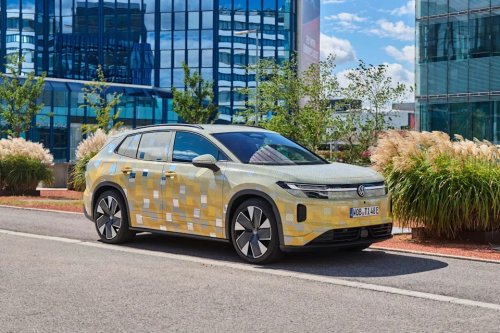
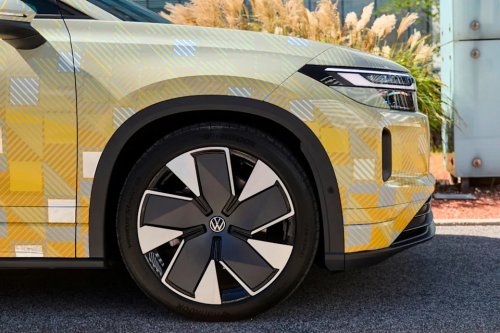
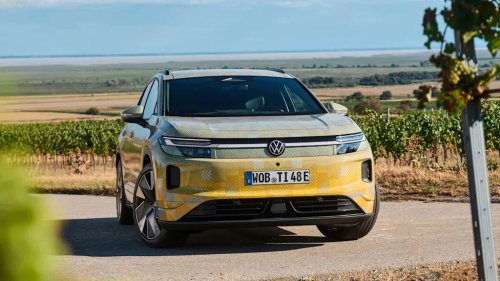
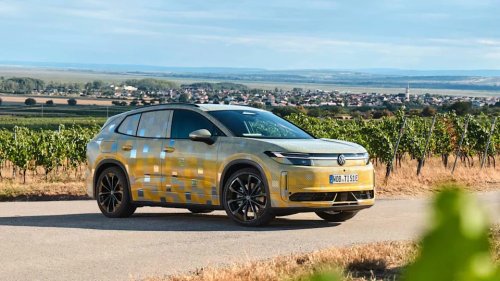
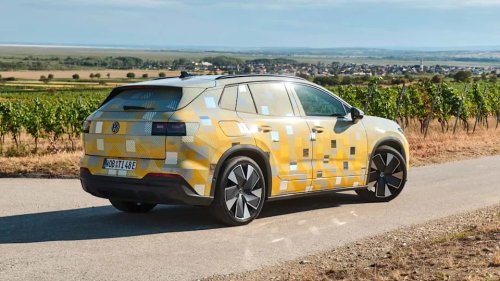
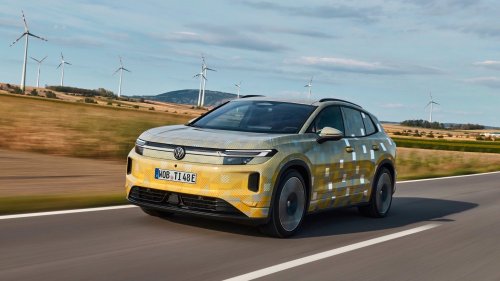
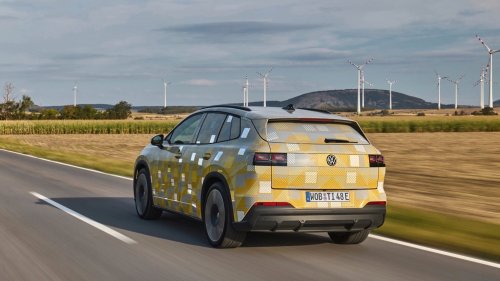
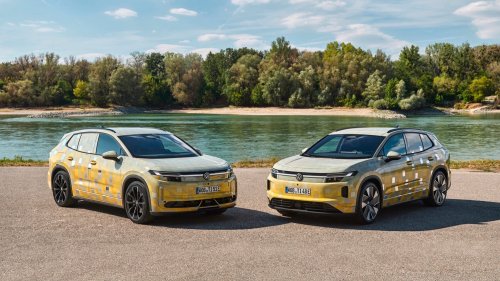
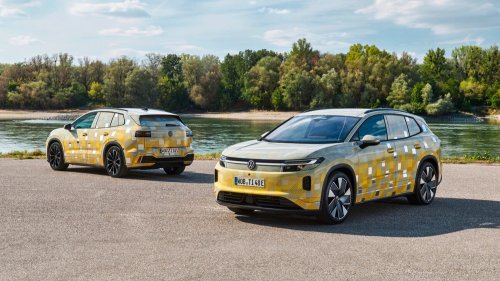
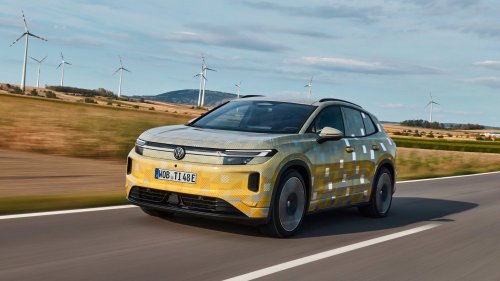
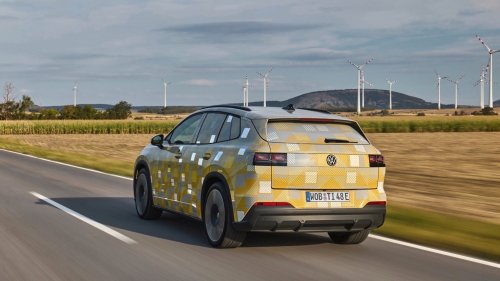
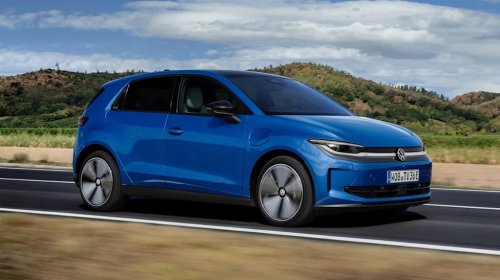
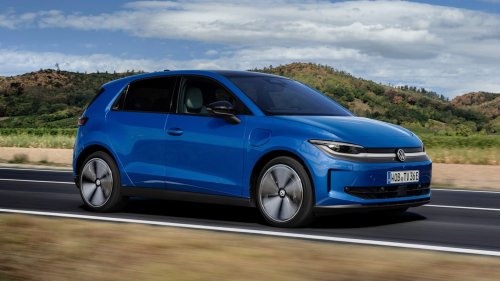
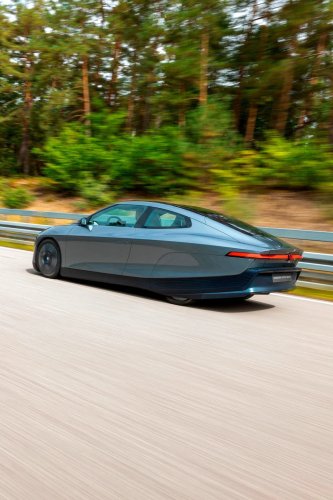
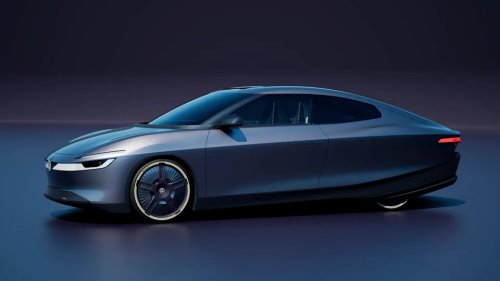
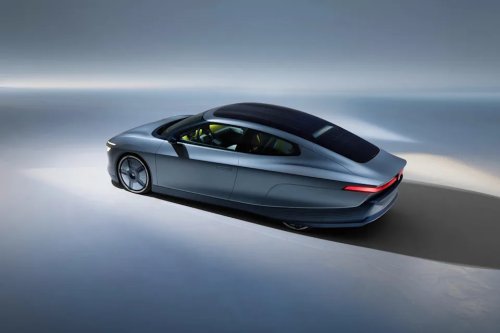
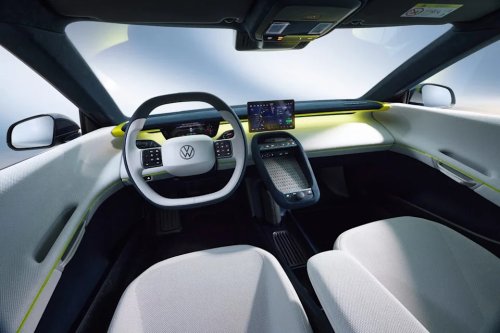
VW's Mission Efficiency Prototype Is Basically an XL1 for the Electric AgeCar and DriverBrendan McAleerMon, September 14, 2026 at 9:22 PM UTCAdd us on GoogleVW's Mission Efficiency Is Basically an XL1 EVVolkswagenIn the spirit of the old Volkswagen XL1 diesel-hybrid, the new Mission Efficiency prototype takes aerodynamic efficiency to the max.With the 55-kWh battery pack and the VW ID. Polo's 133-hp powertrain, it managed a 30 percent increase in efficiency above 50 mph.What's even more impressive about VW's wild-looking prototype is that it still seats four passengers.A little over a decade ago, Volkswagen launched the teardrop-shaped XL1 diesel-hybrid, an ultra-efficient hypermiler capable of returning 100 kms of range for 1 liter of fuel (around 250 mpg). Not just a concept, VW actually built and sold a couple hundred of these rolling science projects, albeit at about the same price as a Porsche 911. Then, for fun, the automaker stuffed a 197-hp Ducati engine in it, because why not?VolkswagenFinancially speaking, things have not been very optimistic at Volkswagen as of late, but that hasn't stopped its engineers from digging up the R&D dollars to do a little tinkering. The latest project, dubbed the VW Mission Efficiency, is basically an XL1 for the electric age, taking the underpinnings of the recently revealed ID. Polo and wrapping them in a super-aerodynamic body.AdvertisementAdvertisementWe probably won't get the ID. Polo on this side of the Atlantic any time soon, and it's also not likely that the Mission Efficiency will be available at your local showroom—or any showroom. However, as a proof of concept, it delivered in the real world, showing just how much range can be eked out of a smallish battery pack when every possible optimization is made.VolkswagenThe ID. Polo looks like a mini-Golf and gets a 55-kWh battery paired with a 133-hp electric motor, plenty for both urban and highway commuting. With those mechanicals tucked under bodywork with a drag coefficient of just 0.158, the Mission Efficiency managed a best rating of 9.6 miles for every kWh of charge expended.This test was performed without elevation changes, and at a constant speed of 42 mph, which isn't that realistic for real-world use, even in the Netherlands. More impressive, perhaps, were the results when VW road-tripped the car all the way from its Wolfsburg R&D center to Vienna, the site chosen for the launch of the ID. Polo.VolkswagenDuring this trip, the Mission Efficiency managed 794 miles with only a single stop for charging. When it finished the trip, VW says it had a further 102 miles of range left to give. The efficiency returned was 9 miles per kWh of charge used, although VW rounded that down a bit to 8.3 miles to take into account the kWh loss observed while charging.AdvertisementAdvertisementPretty impressive stuff, though perhaps not unexpected given the Mission Efficiency's radical appearance, with its faired-in rear wheels, teardrop silhouette, active aerodynamic cooling flaps, and aggressive commitment to weight savings and reduction of parasitic losses. It doesn't even have an onboard touchscreen for infotainment.What VW has done here is show that the current routine of throwing big batteries in vehicles to get headline-grabbing range figures isn't the only way forward. Optimizing for aerodynamics, as Audi has just recently done with its reborn A2 hatchback, can help vehicles go the distance on less charge. Maybe ultra-efficient coupes won't be the solution, but slippery sedans might be.At about 30 percent more efficient at highway speeds than the ID. Polo, the engineering team can now rest on its laurels. The project highlights how solid the engineering is behind the ID. Polo's powertrain and should provide further data on how future VW models can be optimized for efficiency. Sadly, no Ducati engine swap this time around, but Mission Efficiency? Mission Accomplished.➡️ Skip the lot. Let Car and Driver help you find your next car.Shop New Cars Shop Used CarsYou Might Also LikeGift Guide: Best Ride-On Electric Cars for KidsFuture Cars Worth Waiting For: 2025–2029



















 +15 others





![Volkswagen, Volkswagen ID.4, Volkswagen ID.5, Volkswagen's best-seller is going electric in 2027 to replace the ID.4 and ID.5 [Images]](https://cdn.topcarnews.net/thumb/id/aHR0cHM6Ly9pMC53cC5jb20vZWxlY3Ry-ZWsuY28vd3AtY29udGVudC91cGxvYWRz-L3NpdGVzLzMvMjAyNi8wOS9Wb2xrc3dh-Z2VuLUlELVRpZ3Vhbi1JRC00LmpwZWc_-dz0xNTAwJmFtcDtxdWFsaXR5PTgyJmFt-cDtzdHJpcD1hbGwmYW1wO3NzbD0x/aed2aa2870791850c8e69c5fc3a0ed85.jpeg?t=20261005&post_id=66267)
![Volkswagen, Volkswagen ID.4, Volkswagen ID.5, Volkswagen's best-seller is going electric in 2027 to replace the ID.4 and ID.5 [Images]](https://cdn.topcarnews.net/thumb/id/aHR0cHM6Ly9lbGVjdHJlay5jby93cC1j-b250ZW50L3VwbG9hZHMvc2l0ZXMvMy8y-MDI2LzA5L1ZvbGtzd2FnZW4tSUQtVGln-dWFuLUlELTQtZnJvbnQtcXVhcnRlci5q-cGc_c3RyaXA9aW5mbyZhbXA7dz0xMDI0/97fb00cd3919b8d0dc36440715039e6e.jpg?t=20261005&post_id=66267)
![Volkswagen, Volkswagen ID.4, Volkswagen ID.5, Volkswagen's best-seller is going electric in 2027 to replace the ID.4 and ID.5 [Images]](https://cdn.topcarnews.net/thumb/id/aHR0cHM6Ly9lbGVjdHJlay5jby93cC1j-b250ZW50L3VwbG9hZHMvc2l0ZXMvMy8y-MDI2LzA5L1ZvbGtzd2FnZW4tSUQtVGln-dWFuLUlELTQtc2lkZS5qcGc_c3RyaXA9-aW5mbyZhbXA7dz0xMDI0/ed240b20e8275f3af4b904f46ebb5fb3.jpg?t=20261005&post_id=66267)
![Volkswagen, Volkswagen ID.4, Volkswagen ID.5, Volkswagen's best-seller is going electric in 2027 to replace the ID.4 and ID.5 [Images]](https://cdn.topcarnews.net/thumb/id/aHR0cHM6Ly9lbGVjdHJlay5jby93cC1j-b250ZW50L3VwbG9hZHMvc2l0ZXMvMy8y-MDI2LzA5L1ZvbGtzd2FnZW4tSUQtVGln-dWFuLUlELTQtcmVhci1xdWFydGVyLmpw-Zz9zdHJpcD1pbmZvJmFtcDt3PTEwMjQ/436c7979cf5b947053f7f0bf39ff94bc.jpg?t=20261005&post_id=66267)
![Volkswagen, Volkswagen ID.4, Volkswagen ID.5, Volkswagen's best-seller is going electric in 2027 to replace the ID.4 and ID.5 [Images]](https://cdn.topcarnews.net/thumb/id/aHR0cHM6Ly9lbGVjdHJlay5jby93cC1j-b250ZW50L3VwbG9hZHMvc2l0ZXMvMy8y-MDI2LzA5L1ZvbGtzd2FnZW4tSUQtVGln-dWFuLUlELTQtZnJvbnQuanBnP3N0cmlw-PWluZm8mYW1wO3c9MTAyNA/ec2e4ca027ccbfb42942abe523f3acf7.jpg?t=20261005&post_id=66267)
![Volkswagen, Volkswagen ID.4, Volkswagen ID.5, Volkswagen's best-seller is going electric in 2027 to replace the ID.4 and ID.5 [Images]](https://cdn.topcarnews.net/thumb/id/aHR0cHM6Ly9lbGVjdHJlay5jby93cC1j-b250ZW50L3VwbG9hZHMvc2l0ZXMvMy8y-MDI2LzA5L1ZvbGtzd2FnZW4tSUQtVGln-dWFuLUlELTQtcmVhci5qcGc_c3RyaXA9-aW5mbyZhbXA7dz0xMDI0/668525889dc433b0fd0e166fd5bd8366.jpg?t=20261005&post_id=66267)