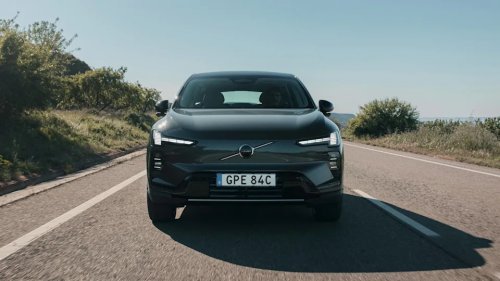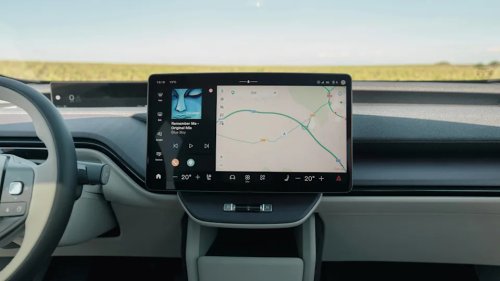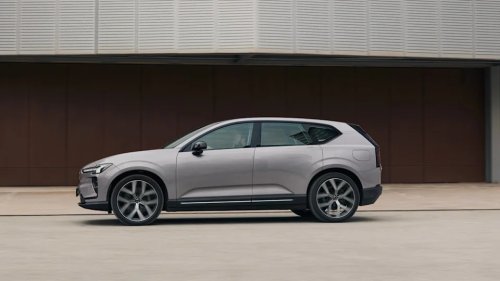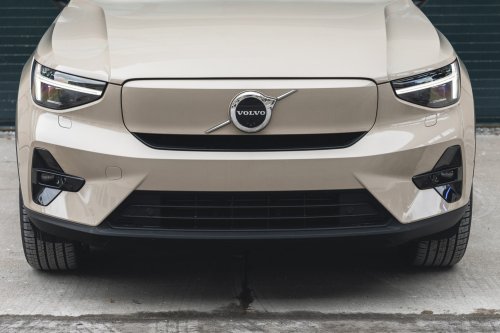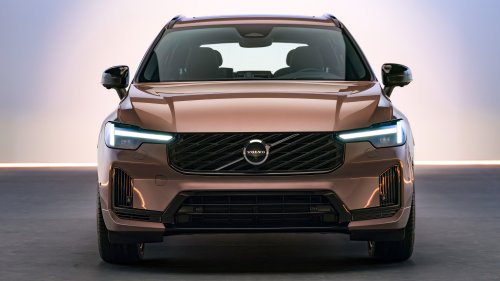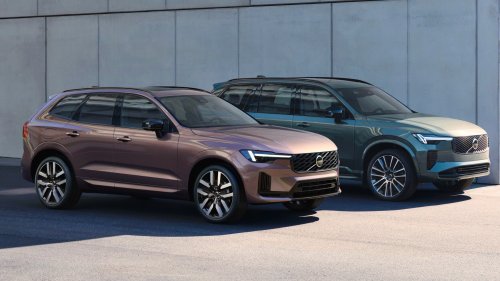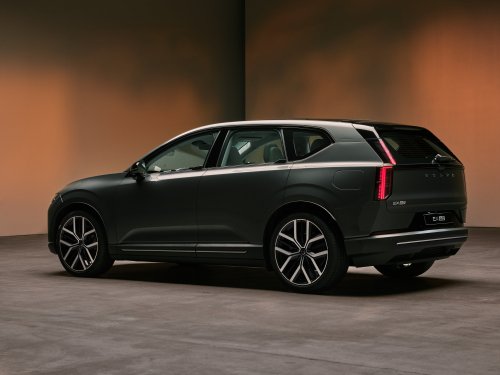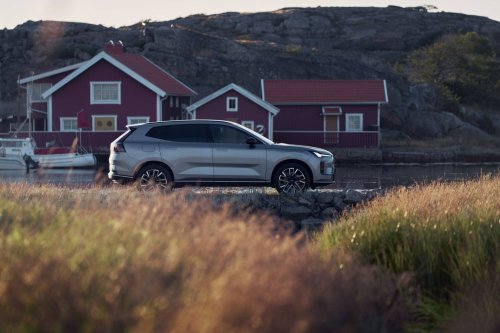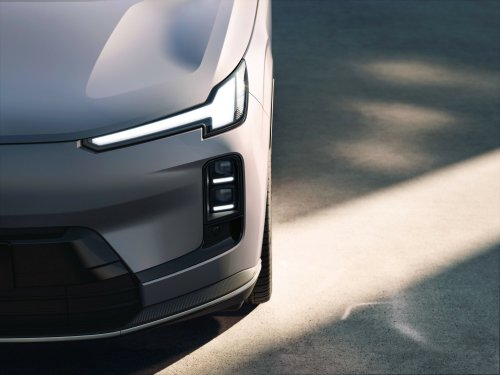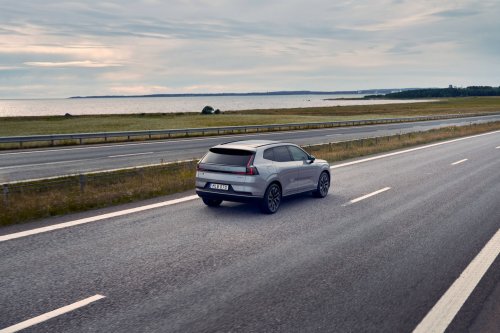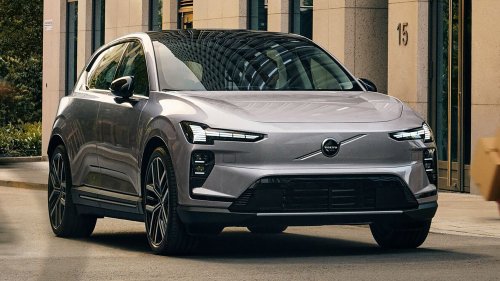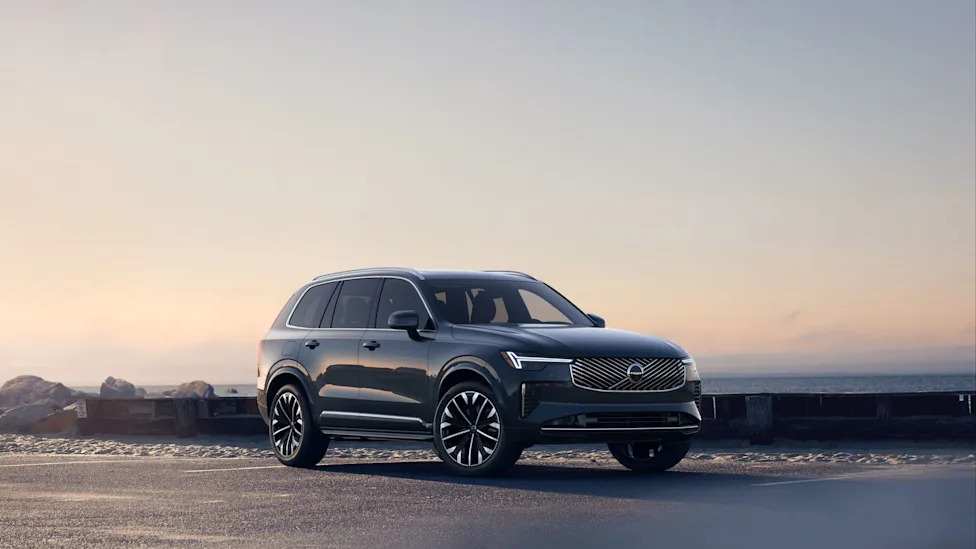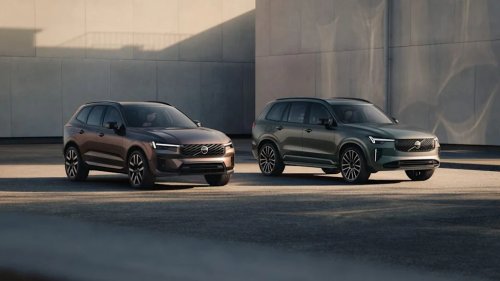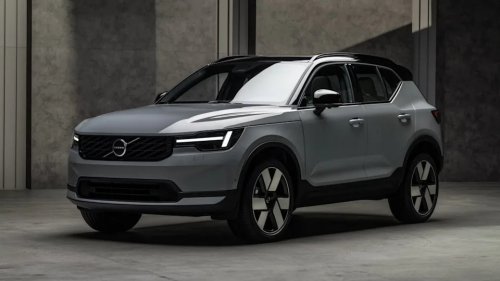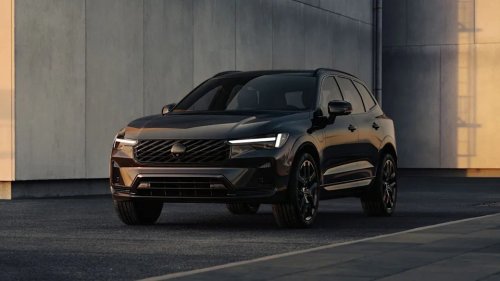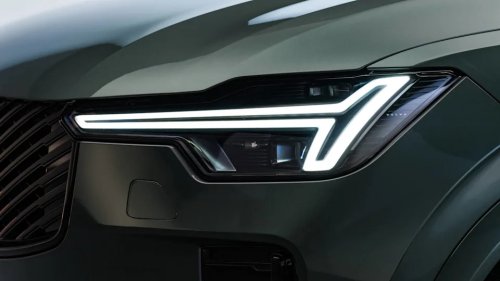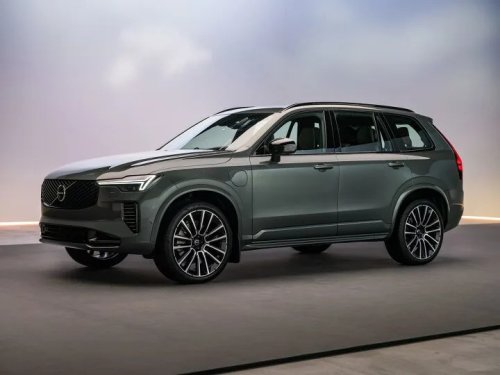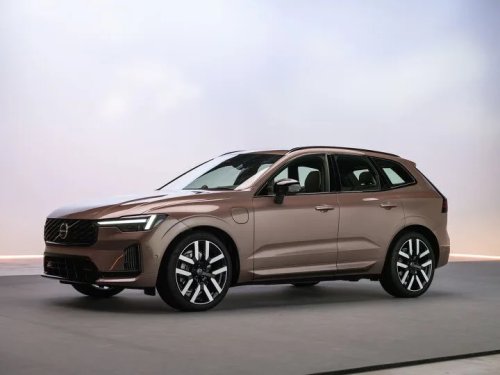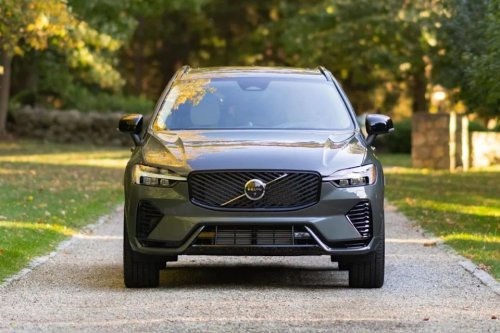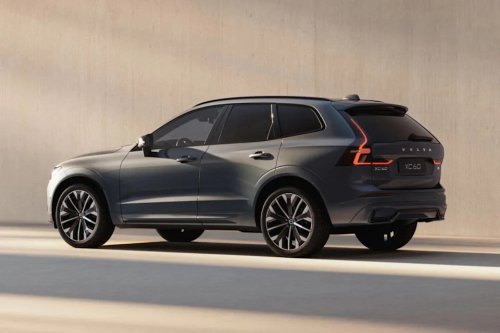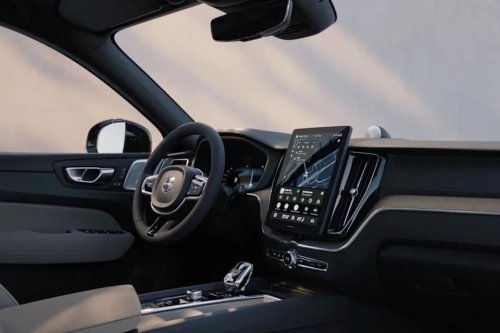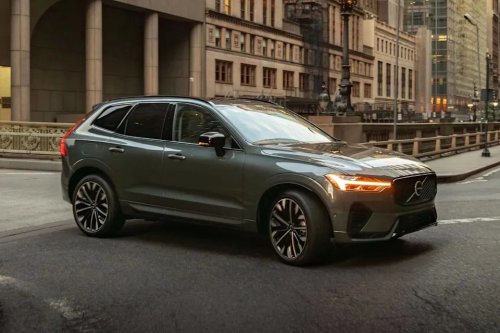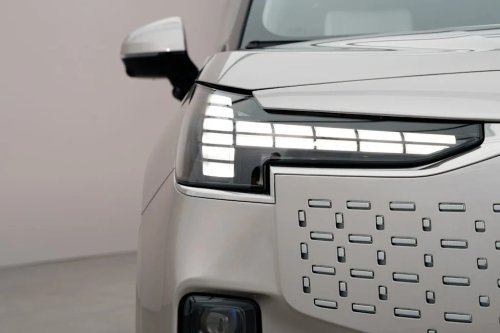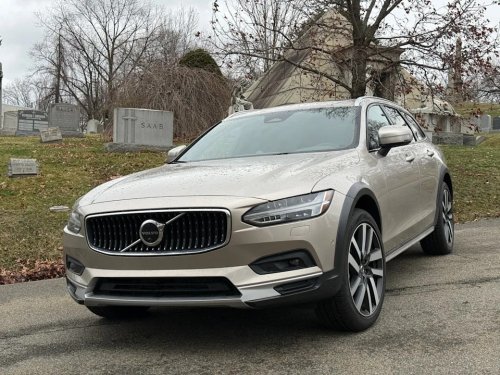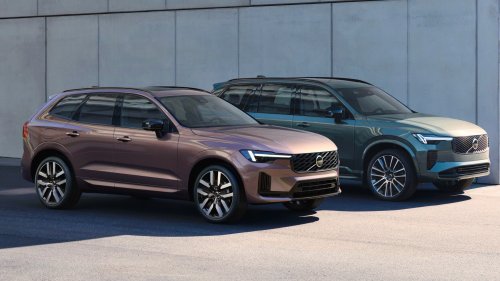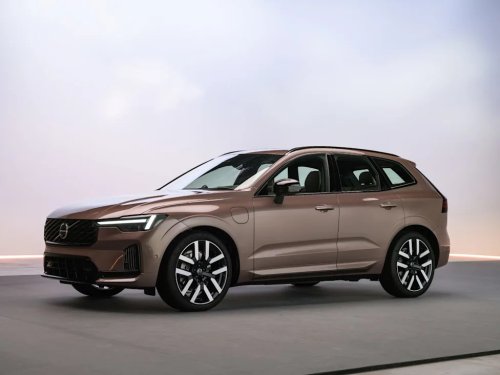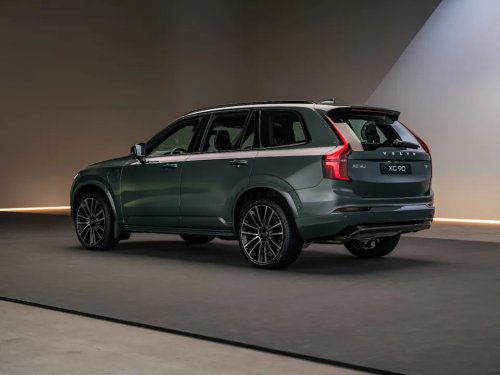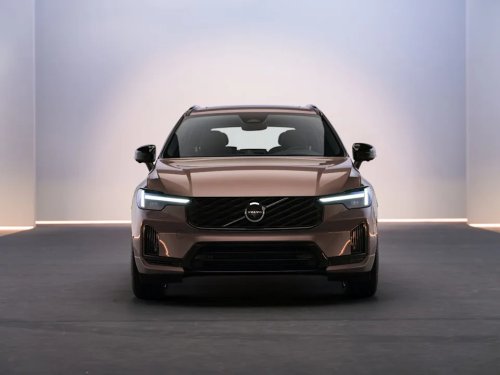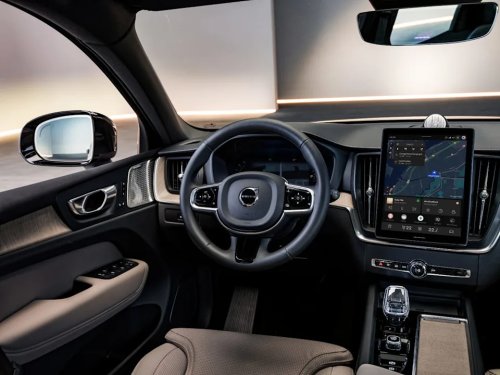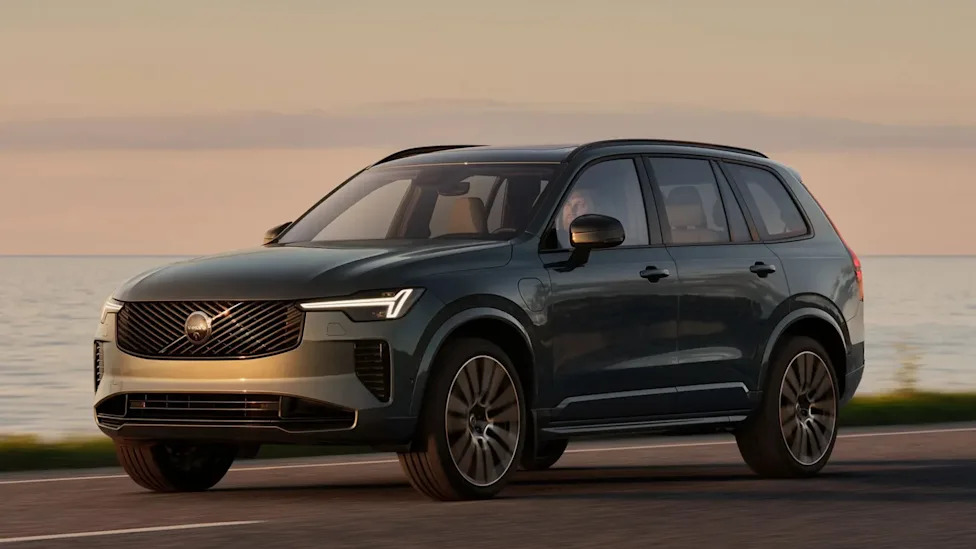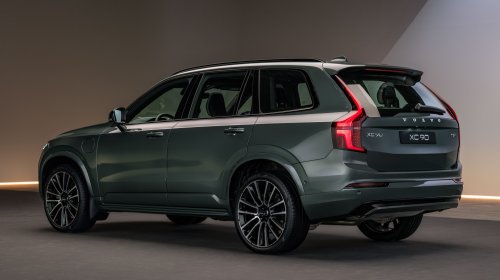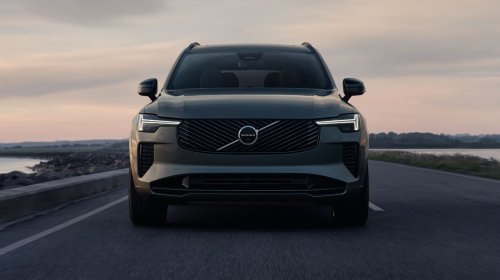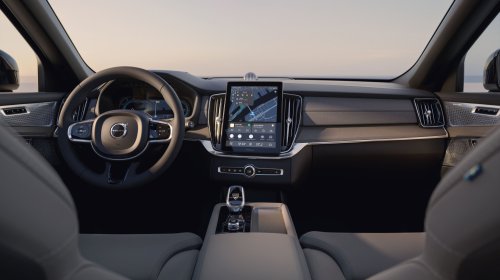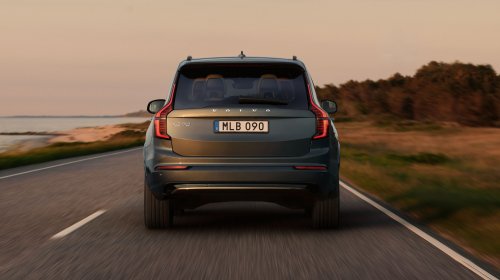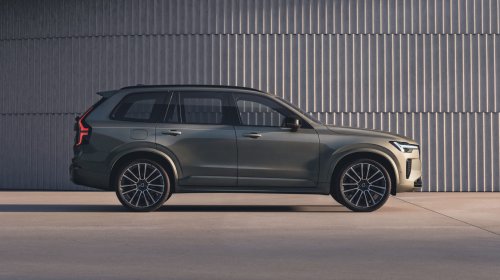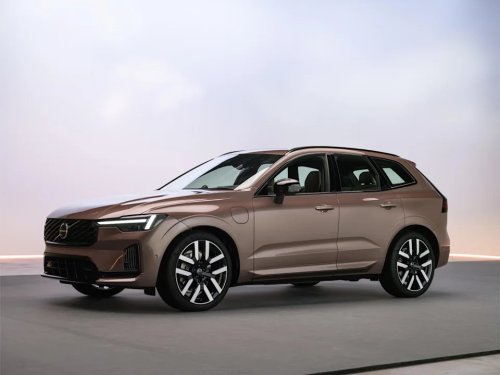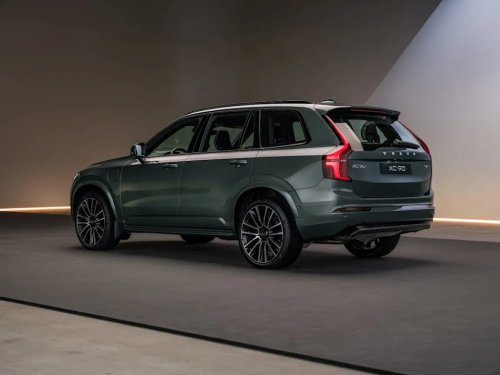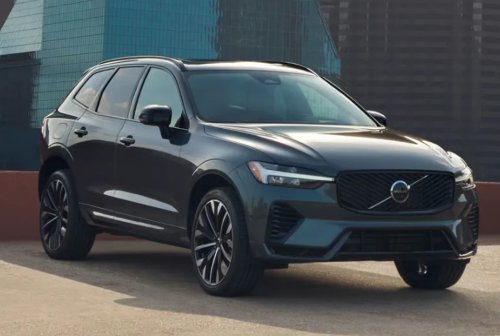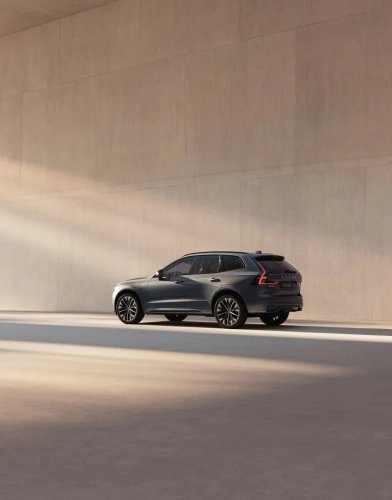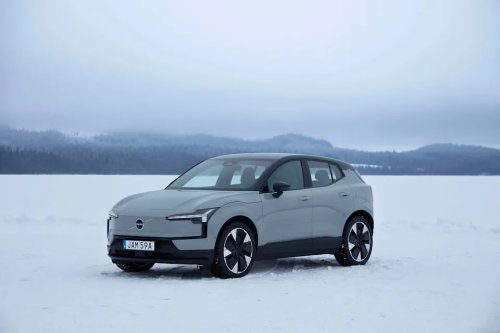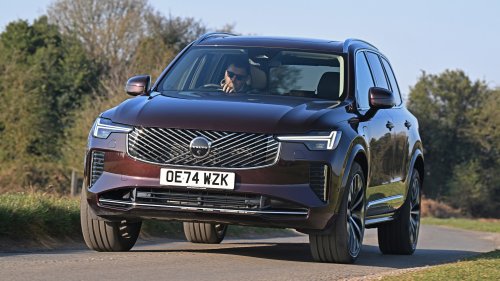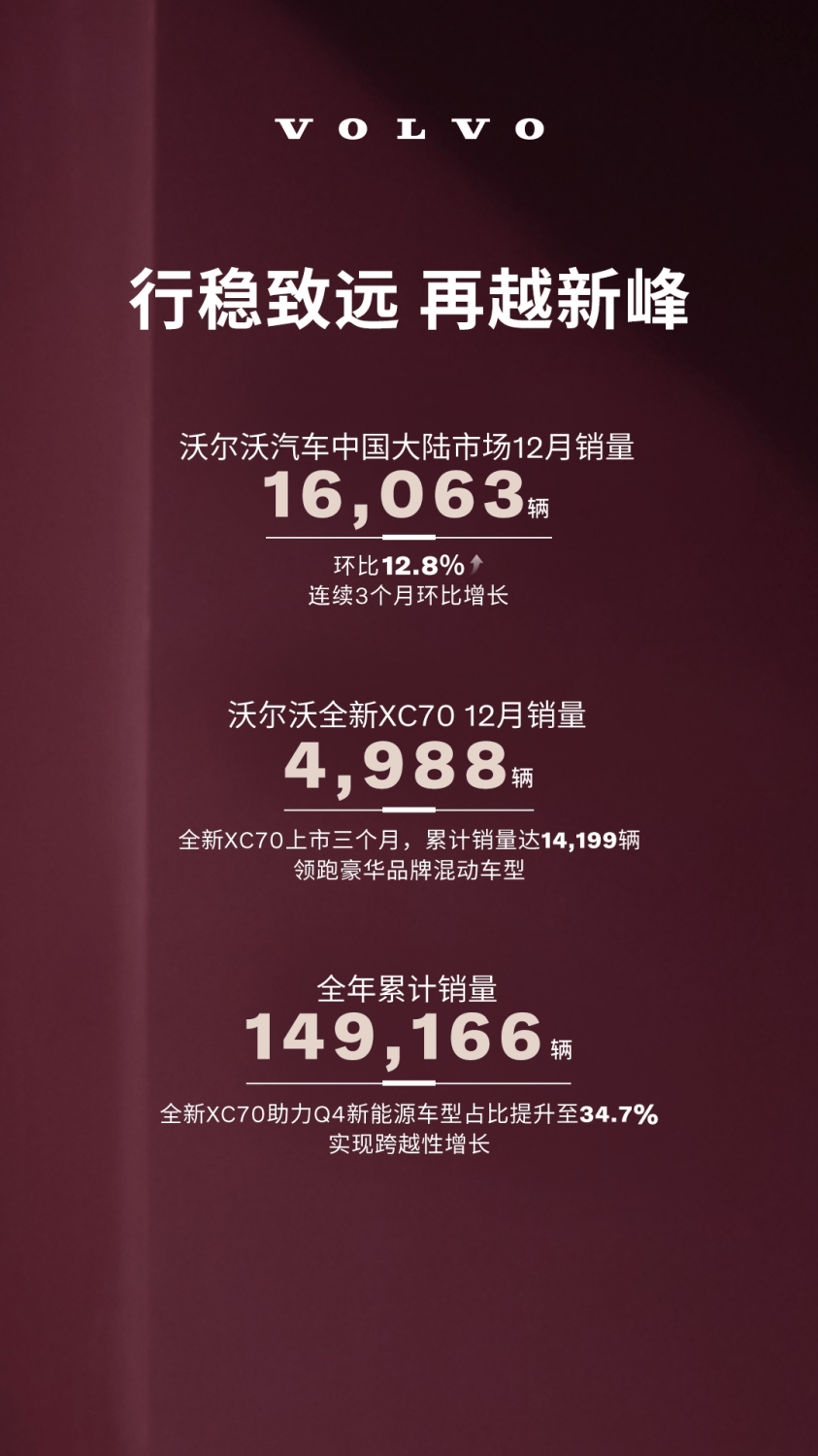
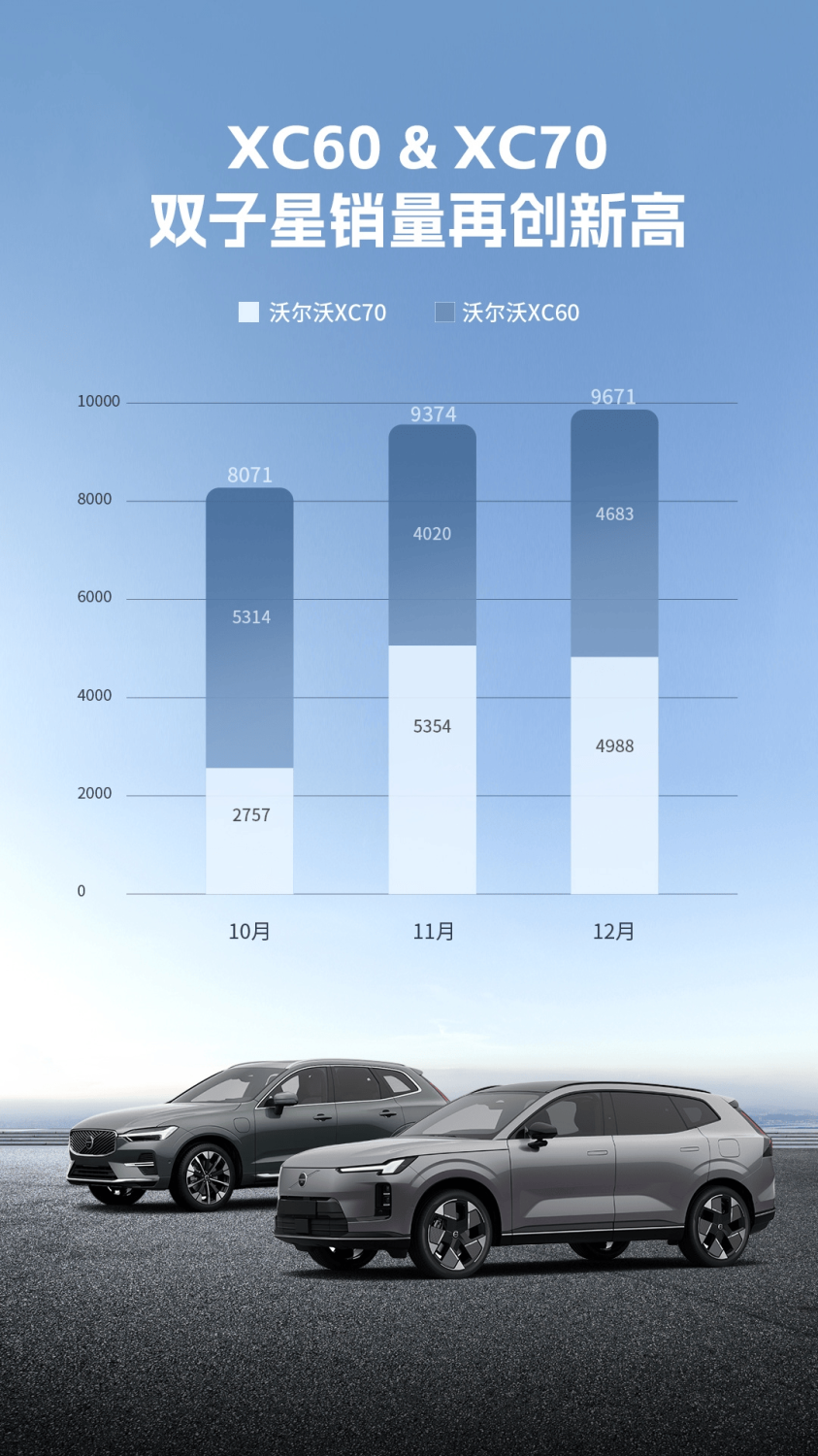
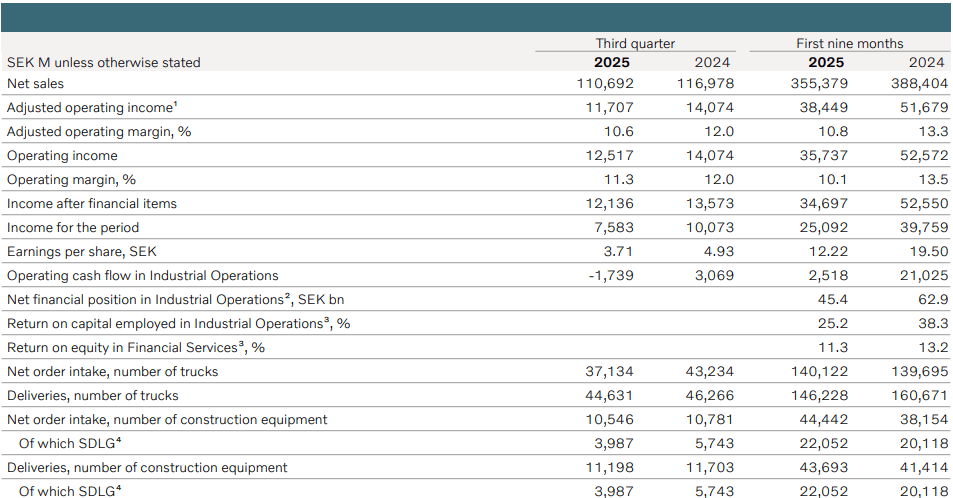























The new XC70 has become Volvo’s key growth engine, leading luxury hybrid sales and forming a strong “twin-star” lineup with the XC60. On January 5, Geely-owned Volvo Cars released its December 2025 sales data, reporting deliveries of 16,063 vehicles in mainland China, up 12.8% month on month and marking the third consecutive monthly increase. For the full year 2025, Volvo sold a total of 149,166 vehicles in the mainland Chinese market. Volvo’s sales data in 2025 Among its lineup, the all-new XC70, launched on September 26 last year, has quickly emerged as a core growth driver for the brand. The model is offered in four variants, priced between RMB 269,900 and RMB 349,900 ($38,600–$50,000), and has attracted strong market attention since its launch. In December, the XC70 recorded sales of 4,988 units, ranking first within Volvo’s lineup for the month. Cumulative sales of the model surpassed 14,199 units within three months of launch, making it the leading hybrid model among luxury brands over the same period. To further stimulate order conversion, Volvo introduced limited-time incentives for the XC70 toward the end of last year. From January 1 to 31, 2026, consumers can receive purchase tax subsidies of up to RMB 14,000 ($1,960), covering multiple stages of vehicle purchase, ownership, and maintenance. Notably, the new XC70 has formed a strong sales combination with Volvo’s long-standing best-seller, the XC60, which the company refers to as its “twin-star” product strategy. Sales data of Volvo’s XC60 and XC70 models from October to December Sales data show that combined monthly deliveries of the XC70 and XC60 rose from 8,071 units in October to 9,671 units in December. The XC60 alone recorded 4,683 units in December, remaining in the top tier of the mid-to-large SUV segment for the third consecutive month. Driven by the XC70–XC60 combination, Volvo’s NEV sales in China reached 15,328 units in the fourth quarter, accounting for 34.7% of total deliveries, representing a significant step-up in penetration. On the financial side, Volvo continues to face both pressure and adjustment. In Q3 2025, the company reported net sales of SEK 110.7 billion ($11.1 billion), down 5% YoY, while operating profit stood at SEK 11.707 billion ($1.17 billion), down 17% YoY. Volvo’s Q3 financial results In terms of overall deliveries, Volvo sold 514,300 vehicles globally in the first three quarters of 2025, with China contributing 105,300 units, or 20.5% of total sales, making it the company’s largest single market. Volvo’s parent company, Geely Group, also recently released its 2025 sales results, reporting cumulative vehicle sales of 3.02 million units, up 39% YoY. The group exceeded its annual target of 3 million units and has set a 2026 sales target of 3.45 million vehicles.