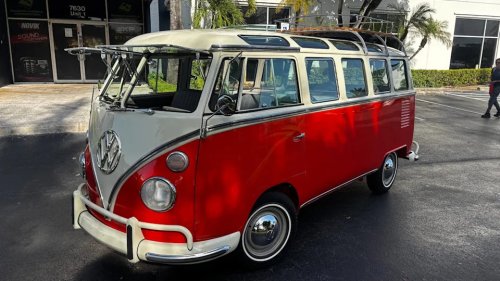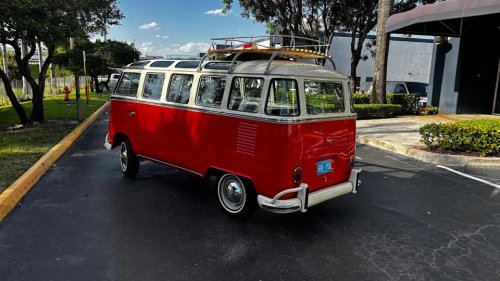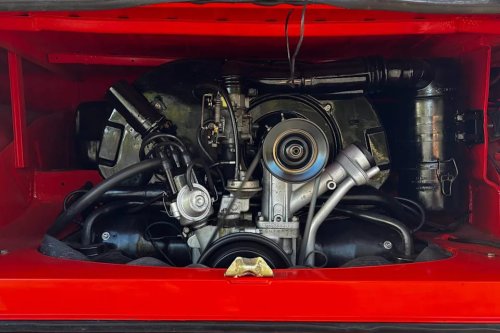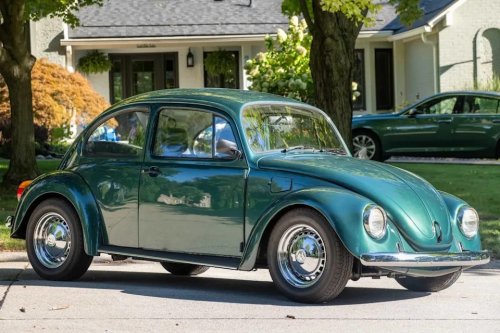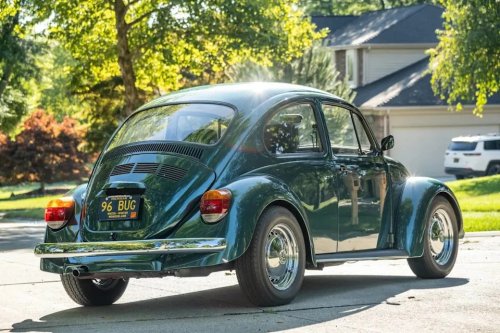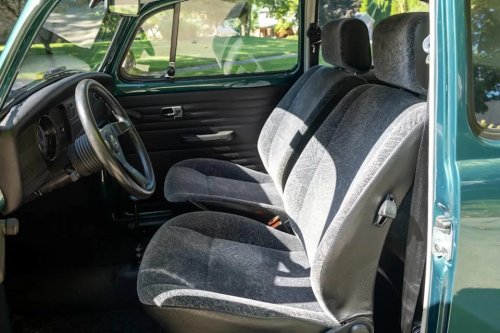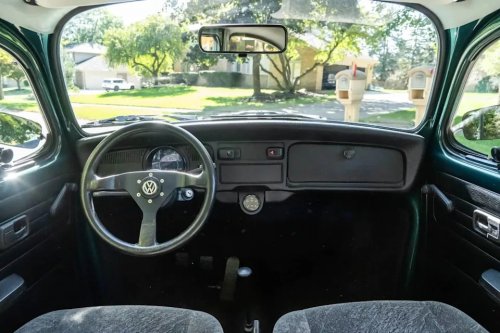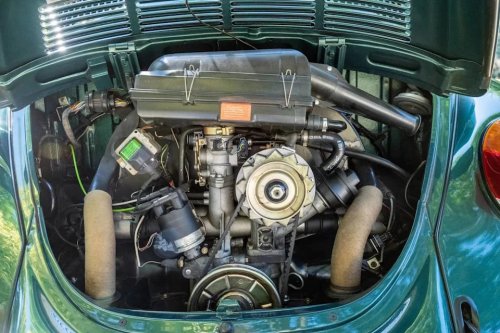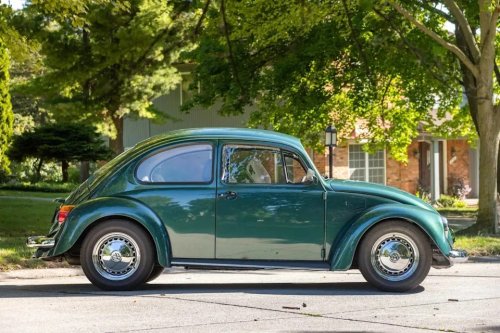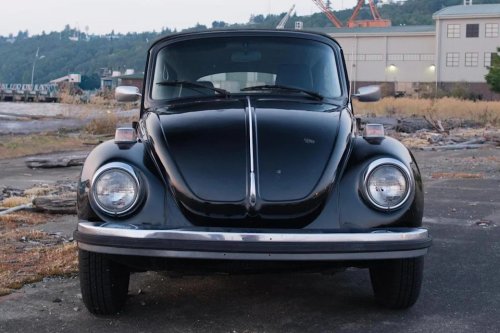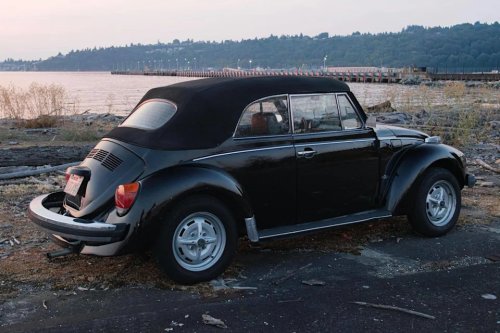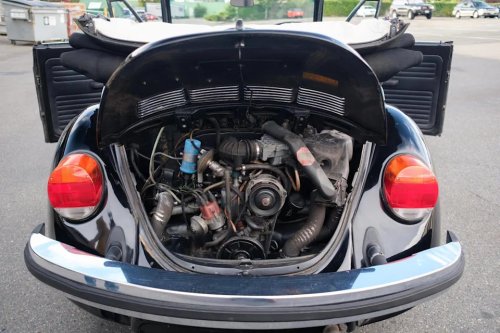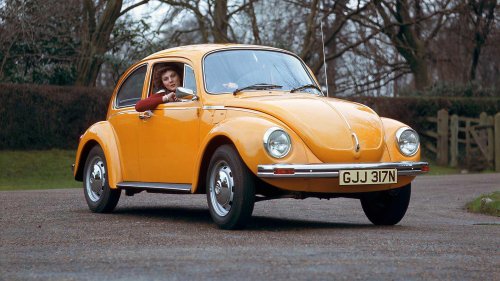
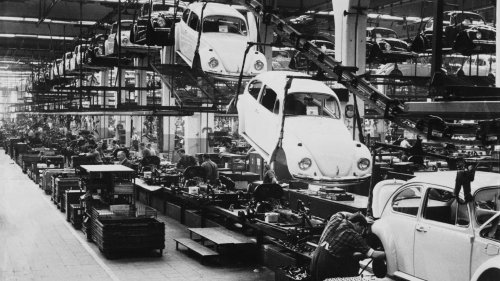
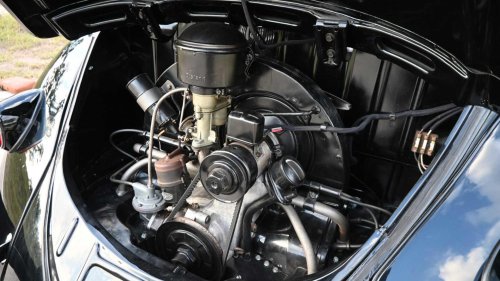
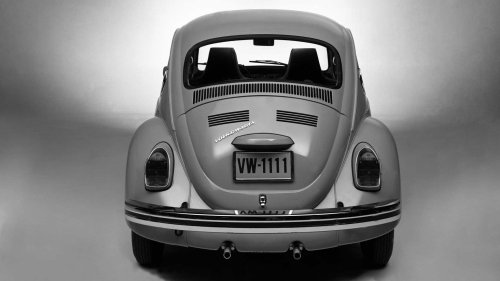
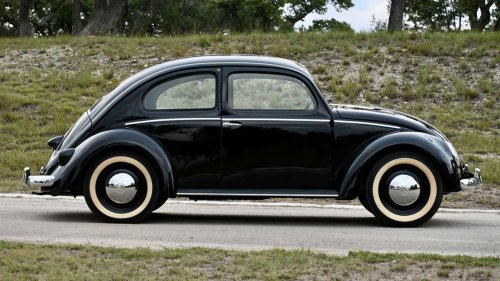
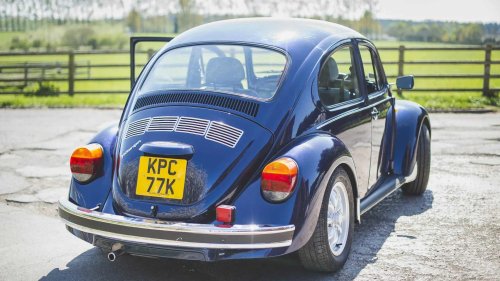



















The Volkswagen Beetle showed the world that affordable and reliable transport was accessible. As cars have gotten more expensive, complicated, and larger, the simple Beetle shows that transport in any form is a joy. But what about the engine that powered it and many other Volkswagen vehicles from that era?In this article, we'll be breaking down this legendary flat-four engine to see what made it so legendary, and why it was chosen as the engine to mobilize Germany, and indeed much of the rest of the world, for years. With its relative simplicity compared to modern water-cooled engines, it's become the go-to choice for new mechanics or those who like to fettle with their cars on the weekends. A Car To Mobilize The Masses Volkswagen In the 1930s, when the famous German autobahns were being built, Ferdinand Porsche realized that Germany needed a car that could help get the country moving. This matched the German government's sentiments, who believed that the working class should be able to purchase a car that was fast enough to cruise on the new roads, carry a family of four, and be affordable to regular folk. The car took shape before the Second World War, but really got into its stride once it was mass-produced afterward.Volkswagen The design of the Beetle was instantly recognizable, but it was mainly styled this way to lower the drag coefficient and maximize space inside the cabin. A flat-four engine would power the rear wheels. If you've ever wondered where the name 'Volkswagen' comes from, it simply translates to 'people's car' in German. Such was the aim of this icon.This model grew especially quickly after the war, with help from Major Ivan Hirst of the British Army. Already by early 1946, the factory was producing 1,000 of these cars a month. While production kept going until 2003 in certain markets, namely Mexico, the same flat-four engine powered all 21.5 million examples. VW's Bulletproof Flat-Four Engine Bring A TrailerThe main aims of the engine in the Beetle were ease of maintenance, cruising speed, and efficiency. Ferdinand Porsche and Josef Kales went back and forth over different engine designs, but they landed on the flat-four due to its packaging and relative simplicity. The first Beetle had a 1.1L engine displacement, which only produced 25 horsepower but could cruise down the autobahn with ease. One of Porsche's biggest concerns was fuel efficiency, and the original Beetle was capable of 30 mpg.An air-cooled engine is inherently less complicated than a modern water-cooled powerplant as it only uses passing air to cool the internals. That means there are fewer pumps, reservoirs, and pipes, making repairs easier. The Type 1 engine grew in size until the end of Beetle production in 2003, but its design was used in multiple vehicles with small modifications. For example, the cooling fan can be moved behind the engine to create the 'Type 3' engine, which helps with packaging for cars where space is restricted.The engine had slight modifications during its massive production run, like gaining fuel injection in US-bound models in 1965 to cope with tightening emissions laws. Final models produced in places like Mexico and Brazil were fitted with the 1.6L engine, although this lovable motor could not keep up with newer rivals like the Golf. How Reliable Is The VW Flat-Four? Volkswagen In 1936, Porsche and his team did an unprecedented 90,000 miles of testing between three cars in Germany's Black Forest. Engineers were always on standby to jump in and learn if something went wrong, and while it may not be a modern Toyota, the Volkswagen Type 1 is plenty reliable due to its simplicity. With modern engines cramming as much technology and power as they can into a small block, the under-stressed nature of this engine means it keeps chugging along.While forums are littered with people saying that Beetle engines are heresy and something always goes wrong with them, many issues can be fixed simply by the side of the road so you can be back on your way. With over 21 million Beetles sold, you're also bound to find a part for that issue. There are still things to look out for when buying a Beetle, though, and your experience may vary due to the condition of the engine. Why Simplicity Plays A Big Role Here All engines will go wrong eventually, and it's always frustrating when they do. Being stranded in a modern car usually means having to wait for someone with specialized tools or computers to diagnose the issue, but with the Beetle, most problems are a wrench turn away from being fixed.Lift the cover on a modern Volkswagen and there will be plastic covers and electrical connectors everywhere. The Beetle takes you right into the center of the action, and for many novice mechanics, it's a dream. It's worth getting a workshop manual that tells you everything you need to know. If you mess up something like the ignition timing, the Beetle will still start and take you home if you need it to. Even the usually-scary carburetor is a simple kitchen table job. Common Issues To Check Bring A TrailerOverheating: With no computer-controlled water cooling, the Beetle is much more sensitive to outside temperature and can get too hot due to clogged cooling fins and seals. Oil Leaks: Some Type 1 engines are prone to oil leaks, particularly due to the valve cover gaskets, pushrod tube seals, and the oil cooler. Usually this will create a burning smell within the engine bay. Worn Piston Rings: If you see blue smoke coming out of the exhaust, that could be a sign of worn piston rings. Other common symptoms include a loss of power and significant oil consumption. Luckily, cylinders and pistons can cost way below $1,000 to replace, and a full engine rebuild may even be less than $3,000. Why Did The Volkswagen Flat-Four Disappear? BonhamsWhile the flat four's popularity, simplicity and ease are what made it legendary, it was never going to last. A water-cooled engine with modern technology is much more reliable due to being able to control exactly how hot the engine gets. This fact also helps it pass emissions tests and have higher fuel efficiency ratings as the engine is always working at its optimum temperature.Volkswagen has the Beetle to thank for its modern success and brand recognition, and it's this simple engine layout that helped take it to the masses. It also helped propel Porsche to be one of the greatest sports car manufacturers of all time, and the 911 still uses the same flat engine design that the Beetle used before. Even though the flat-four might be long gone, it lives in spirit through beach buggies, sports cars, and a vibrant community of Bug owners.