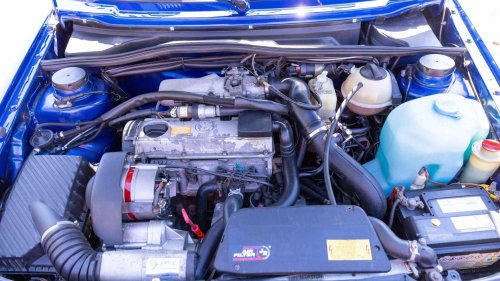
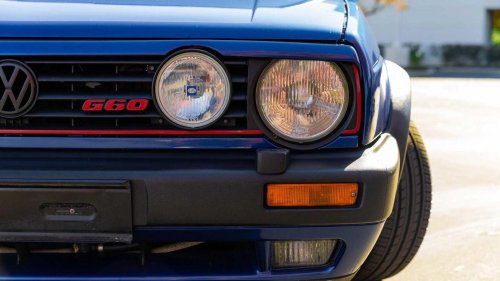
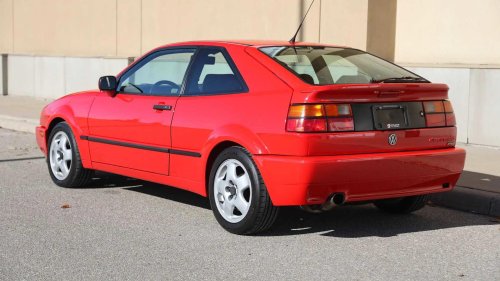
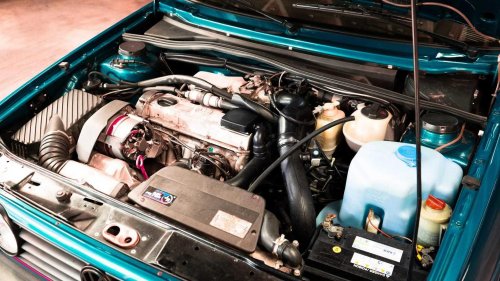
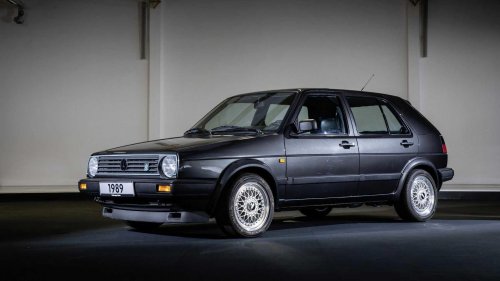
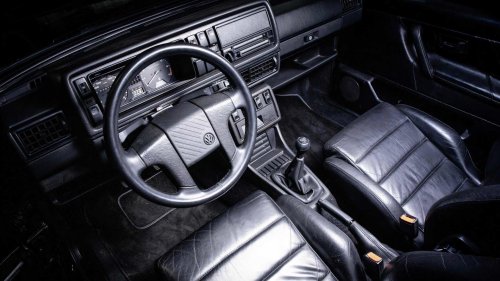
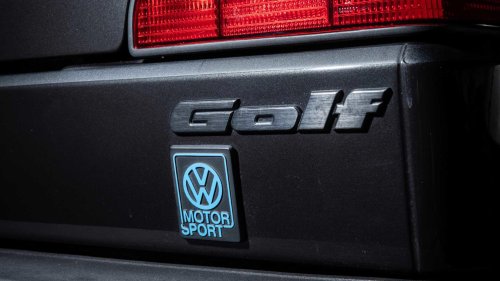
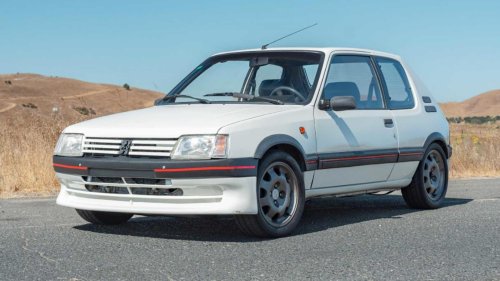
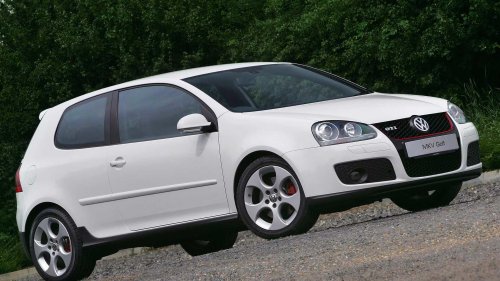
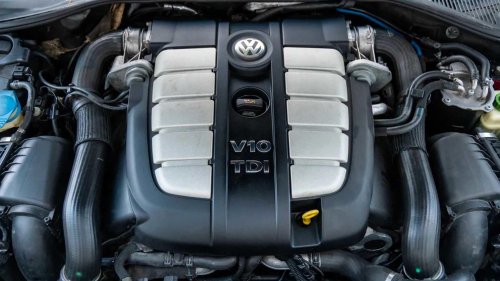



















In the 1980s, many European carmakers played it safe. They chased power with familiar tools – more displacement, more valves, sharper cams. Even when turbocharging started to creep into showrooms, plenty of brands treated forced induction like a niche trick, not a daily-driver promise. Volkswagen did not fully buy into that caution. It tried to make small engines feel big without waiting for exhaust pressure, and it chased that goal with a part that looked more like a precision instrument than a mass-market bolt-on.Volkswagen also sold the idea with confidence. The company hinted at easy power and long life, the kind of setup that would not demand constant attention. Owners soon learned a different lesson – the system delivered punchy torque and a special sound, but it asked for careful upkeep. It hated dirty air, ignored oil supply, and missed service. The G-Lader Engine Needed Much More Maintenance Than Promised BaTVolkswagen built the G-Lader to solve a problem that still matters to enthusiasts: how to get strong low-end pull from a small engine without dulling the response? The G-Lader worked like a scroll compressor – it squeezed air inside two spiral paths, then pushed that air into an intercooler and into the engine. Volkswagen developed hundreds of versions before it settled on the one to sell, and the street cars usually ran about 10.15 psi of boost in stock form.The “G” stood for the spiral shape, and the number matched the width of the internal spiral piece. Volkswagen used the smaller 40 mm version in the Polo GT G40 and the larger version, about 59.5 mm deep, in the G60 cars. Volkswagen put the G60 setup on the 1.8-liter supercharged four-cylinder and spread it across several models, including the Golf, Corrado, and Passat Syncro.Volkswagen and the press often framed the unit as advanced and efficient, and some sources describe the system as “maintenance-free” in the way it reached the public. In real life, the G-Lader needed the opposite approach – regular attention, careful checks, and periodic rebuilds to avoid expensive damage. Reality Check - Owners Found Hidden Maintenance BaT The G-Lader asked for precision, and it used precision parts. Inside, a moving spiral “displacer” traveled in an offset motion rather than spinning like a normal fan. Volkswagen built the fixed section from aluminum alloy and the moving spiral from magnesium alloy. The unit also relied on sealed bearings and a toothed belt inside the housing to keep the motion timed correctly. Volkswagen even geared the drive speed up from the crank, so the unit worked hard whenever the engine ran.That design rewarded care and punished neglect. A small leak, a tired seal, or a bearing that lost grease could start a chain reaction. Owners also faced a problem that sounds simple but matters a lot – air cleanliness. The G-Lader disliked dust and grit because tiny particles could score surfaces and speed up wear. One technical overview even calls out dust sensitivity, along with high repair costs, as key reasons Volkswagen stopped using it.Enthusiasts also shortened the unit’s life with common upgrades. Many owners fitted smaller drive wheels to spin the charger faster and raise boost. Theibach, a long-time G-Lader specialist, lists shorter service intervals as the drive wheel size drops, and it recommends rebuilds by distance and by time, even when mileage stays low. In other words, the calendar can matter as much as the odometer. Why People Still Love This Flawed Engine? Bring a Trailer However, the G-Lader remains easy to understand from the driver’s seat. It responds right now and does not wait for exhaust flow, so the torque arrives early and builds in a smooth, steady way. A period explanation of the system describes that immediate response as the core advantage over a turbo. The result makes a modest-displacement four-cylinder feel larger than it looks on paper.Sound also helps the legend. The G-Lader does not sound like a turbo – it adds a sharp, mechanical whine that rises with load and rpm. It turns the car’s pace into something drivers can hear and feel. That character fits the best cars that carried it, especially the Corrado G60 and the rare Golf variants that Volkswagen built to meet rally rules.Then there is the culture around keeping them alive. The G-Lader has known weak points, but it also has known fixes – specialists rebuild them, owners trade tips, and some shops offer upgraded seals, coatings, and wider internal belts to stretch service life and hold boost more consistently. That mix of risk and reward keeps the engine interesting long after Volkswagen moved on. Common Failures And What It Costs To Fix Them BaT Most G-Lader failures start small and end big. The unit uses sealing strips (often called apex seals), bearings, oil seals, and an internal toothed belt. Those parts wear with heat, speed, and time. When they wear too far, the charger can lose boost, make new noises, or shed debris through the intake path.Apex seal wear often shows up first as a lost punch. The car still runs, but it stops pulling as it should. Owners then chase ignition parts, fuel pressure, or vacuum leaks, and they miss the real issue until the charger worsens. Bearings can create a harsher, more urgent warning. A tired bearing can whine in a different tone, and it can fail fast once it starts to break down. If the bearing seizes, it can damage the timing path inside the charger and turn a rebuild into a hunt for hard parts.Oil seals are important, too. The charger needs proper sealing to keep oil where it belongs. When seals fail, the system can pull oil where it should not, which can raise oil use and add deposits. Theibach lists oil use and strange noises as clear signs that owners should stop guessing and plan service. What It Costs To Run One Today Volkswagen In 2026, the hardest part often involves finding the right help. The G-Lader does not behave like a normal bolt-on part, and a careful rebuild matters more than a quick refresh. Owners usually pay for one of three paths – a rebuild service, a rebuild kit plus labor, or a deeper upgrade rebuild with extra machine work.A U.S.-based specialist lists a G60 rebuild service at $899.99, with the description pointing to the usual core work – cleaning, replacing bearings and seals, and fitting new apex strips to proper tolerances.In Europe, owners can buy full overhaul kits and pay local labor. One large kit lists at €299.90 and includes sealing strips, bearings, a Gates internal belt, hardware, grease, and shaft seals. The same listing also ties the kit to the core G60 cars, including the Corrado, Golf, Rallye Golf, and Passat G60.Volkswagen In the UK, a long-running specialist lists a stage rebuild at £420 including VAT, and it describes work that mirrors what enthusiasts expect today – new apex seals, oil seals, bearings, a wider timing belt, balancing, and coatings meant to reduce losses and improve boost response.Those prices cover the charger. They do not cover removal, refitting, fresh belts, supporting hoses, or fixes for whatever caused the problem in the first place. Many owners also budget for prevention – a high-quality air filter setup, careful intake sealing, and checks that keep dust and oil problems from returning. The numbers change by shop and region, but the pattern stays stable. A G-Lader car can feel affordable until the charger reaches its service window, then the car demands a real maintenance fund. Powerful On Paper, But Not Segment Defining Volkswagen On paper, the G60 looked like a hit. Volkswagen took a 1.8-liter eight-valve four-cylinder and gave it 160 horsepower in key applications. That output put the car above many hot hatches of the day, at least in straight numbers.Volkswagen spread that package across vehicles that enthusiasts now treat like a menu of flavors. The Corrado G60 remains the poster car, with 160 hp and torque that arrives earlier than many rivals. Performance sources often place it around 8 seconds to 60 mph and about 140 mph at the top end, quick for its time and class.The Golf Mk2 also carried G60 variants, including the GTI G60 and the homologation-minded Rallye Golf. Volkswagen also built ultra-rare runs like the Golf G60 Limited. Those cars now matter more as collector machines than as simple performance buys, but they show how serious Volkswagen felt about the idea at the time.Volkswagen even put the G60 into the Passat Syncro, which gave a family car the same basic headline output and an all-wheel-drive option. That move showed the company’s confidence in the concept, even if long-term ownership later told a more complicated story.Still, the G60 did not reshape the segment the way Volkswagen hoped. The charger added cost and risk. The cars carried extra complexity, and many buyers chose simpler performance. Some even swapped engines or removed the system rather than keep feeding it rebuilds. How It Compares Against Rivals Via: Bring a Trailer The comparison looks sharpest when it stays honest. A Golf GTI 16V made about 140 hp in many markets, which put it down on power next to a G60 car. Yet the 16V often delivered that pace with fewer special parts and fewer expensive surprises.Outside Volkswagen showrooms, rivals also hit hard. A Peugeot 205 GTI 1.9 made about 130 hp, and it built its reputation on low weight, feel, and simple toughness. It gave up power to the G60, but it often gave back confidence and lower ownership stress.Then the market moved again. By the late 1980s and early 1990s, turbocharged icons like the Lancia Delta Integrale pushed far past 160 hp and paired that output with all-wheel drive. That kind of car did not compete directly on price or mission, but it showed where the performance world headed – turbocharging, strong drivetrains, and big tuning headroom.That context helps explain the G-Lader’s odd place in history. It offered great response and strong numbers, but it did not offer the simplest path to lasting speed. It asked owners to act like caretakers. Some enthusiasts enjoy that role. Many buyers do not. How VW Shifted From Superchargers To Turbochargers Volkswagen Volkswagen did not abandon forced induction – it just abandoned this version of it. The company had several reasons, and most of them tie back to real-world durability and cost. Vulnerability to dust, sensitivity to maintenance, and high repair costs were the drivers behind Volkswagen’s decision to discontinue the G-Lader.The Corrado timeline shows the shift in plain terms. Volkswagen phased out the G60 and moved the lineup toward other engines. Volkswagen’s own historical note on the Corrado states that the G60 engine ended, and other sources place the G60’s exit around the early 1990s as the VR6 took over the performance spotlight.The VR6 helped because it solved a different problem with fewer special add-ons. It delivered smooth, strong power without a fragile external air pump. Enthusiasts still debate which feels better, but the market usually picks the simpler long-term bet, and Volkswagen leaned into that bet.Via: Bring a Trailer After that, Volkswagen followed the wider industry toward turbocharging, especially as control systems improved. The Golf Mk4 era shows how normal the turbocharged gas engine became in the lineup, with the 1.8T appearing as a core option and later as a tuning favorite.Volkswagen also doubled down on turbos in diesel form. The TDI name itself centers on turbocharging, and Volkswagen Group introduced early TDI applications by the end of the 1980s. Over time, turbo diesels turned into one of Volkswagen’s signature performance-and-range plays, especially in Europe, where torque and fuel use matter every day.That path leaves the G-Lader in a strange, lovable corner. Volkswagen tried to build instant boost without turbo lag, and it succeeded on the road. It also tried to make the hardware easy to live with, and it missed that target. Today, the best G-Lader cars reward owners who treat maintenance as part of the hobby. That reality turns the original promise upside down, yet it also explains the engine’s staying power. For the right enthusiast, the neediness becomes the point.Source: Volkswagen